The art of cooking
AI CHEF Blog

The Benefits of Cooking with Whole Foods: Less Waste, More Flavor

In recent years, there has been a significant shift towards whole foods in our diets. As more people become aware of the importance of nutrition and sustainability, cooking with whole foods has gained popularity for its numerous benefits. In this blog post, we will explore how cooking with whole foods can lead to less waste and more flavor, ultimately enhancing our culinary experiences and promoting a healthier lifestyle.
What Are Whole Foods?
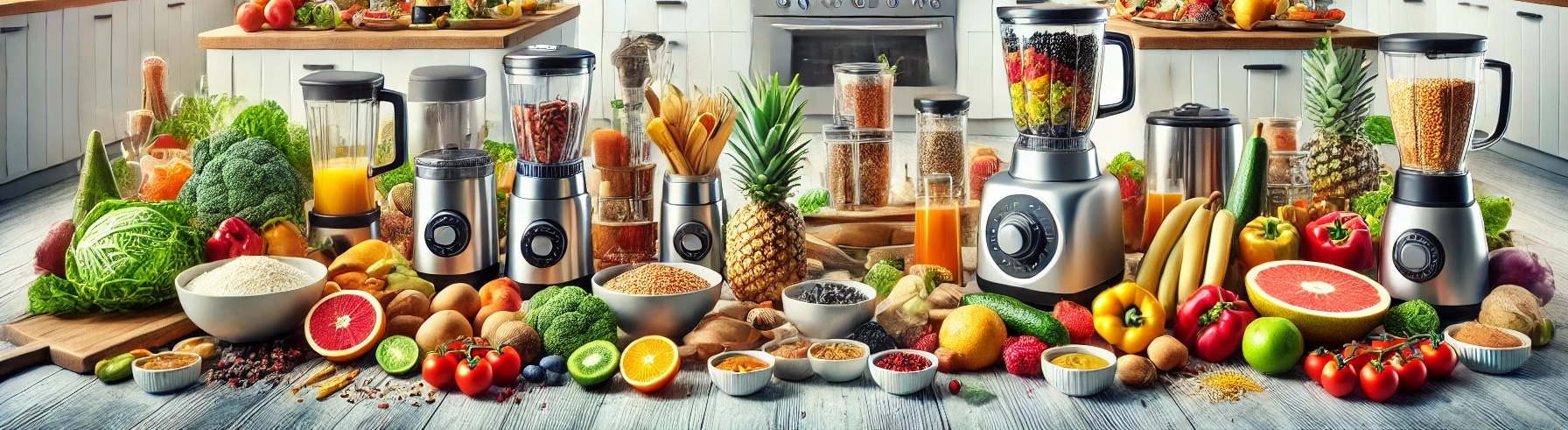
Whole foods are foods that are minimally processed and free from artificial ingredients and preservatives. They are as close to their natural state as possible, including fruits, vegetables, whole grains, nuts, seeds, and legumes. Unlike processed foods, which often contain added sugars, unhealthy fats, and chemicals, whole foods retain their nutrients and provide a wealth of health benefits.
Less Waste
One of the most significant advantages of cooking with whole foods is the reduction of waste in various forms:
1. Reduced Packaging Waste
Whole foods are often sold in bulk or have minimal packaging compared to processed foods, which typically come in plastic wrappers and boxes. By buying whole foods, consumers can significantly reduce their reliance on packaging, which is a major contributor to environmental waste.
2. Utilizing All Parts of the Food
When cooking with whole foods, especially vegetables, there is often an opportunity to use parts of the food that might otherwise be discarded. For example, carrot tops can be used in pesto, and broccoli stems can be turned into slaw. This practice not only reduces waste but also encourages creativity in the kitchen.
3. Composting
By cooking with whole foods, you may find that you have leftover scraps that can be composted, such as vegetable peels and cores. Composting these scraps helps to enrich the soil, reduces landfill waste, and supports a sustainable cycle of food production.
More Flavor
Cooking with whole foods not only contributes to sustainability but also enhances the flavor of your meals. Here’s how:
1. Freshness Matters
Whole foods are often fresher than their processed counterparts, which means they have a more vibrant flavor. When you cook with fresh fruits and vegetables, you can taste the difference. Seasonal produce, in particular, is picked at its peak ripeness, providing maximum flavor and nutrition.
2. Enhanced Nutritional Profile
Whole foods are packed with essential nutrients, including vitamins, minerals, and antioxidants. When you cook with these ingredients, you’re not only boosting the flavor of your meals but also enhancing their nutritional value. For example, using whole grains instead of white rice adds nuttiness and depth to dishes while providing fiber and other nutrients.
3. The Art of Flavor Building
Cooking with whole foods allows you to experiment with flavors and textures in a way that processed foods simply cannot. By using whole spices, fresh herbs, and quality oils, you can create layered and complex flavors that elevate your meals. Roasting vegetables brings out their natural sweetness, while sautéing greens can add a delightful bitterness that balances flavors.
Cooking with Whole Foods: Practical Tips
If you’re ready to embrace cooking with whole foods, here are some practical tips to get started:
1. Shop Smart
Visit local farmers' markets or grocery stores that prioritize fresh, whole foods. Look for seasonal produce to ensure you’re getting the best flavors and support local agriculture.
2. Plan Your Meals
Planning your meals ahead of time can help reduce waste and ensure you’re using your whole foods effectively. Make a shopping list based on your planned meals to avoid impulse buys and minimize food spoilage.
3. Experiment with Cooking Techniques
Try different cooking methods to unlock the full potential of whole foods. Roasting, grilling, steaming, and sautéing can all enhance the natural flavors of your ingredients. Don’t be afraid to experiment with spices and herbs to create your unique flavor profiles.
4. Batch Cooking
Batch cooking can help you make the most of your whole foods. Prepare large quantities of soups, stews, or grain salads that can be portioned out for meals throughout the week. This approach not only saves time but also ensures you’re consuming wholesome, homemade meals.
The Bottom Line
Cooking with whole foods offers a plethora of benefits, from reducing waste and enhancing flavor to improving overall health. By embracing this approach, you can cultivate a deeper connection with your food, support sustainable practices, and delight your taste buds with the rich flavors of nature. So grab those fresh ingredients, get creative in the kitchen, and enjoy the journey of cooking with whole foods!
Related articles
 10 Easy Tips for Sustainable Cooking
Reduce Waste in Your Kitchen
10 Easy Tips for Sustainable Cooking
Reduce Waste in Your Kitchen
 The Ultimate Guide to Zero Waste Cooking
Transform Your Kitchen Habits
The Ultimate Guide to Zero Waste Cooking
Transform Your Kitchen Habits
 Creative Ways to Use Kitchen Scraps
A Sustainable Cooking Guide
Creative Ways to Use Kitchen Scraps
A Sustainable Cooking Guide
 Meal Planning for Sustainability
How to Reduce Waste While Eating Well
Meal Planning for Sustainability
How to Reduce Waste While Eating Well
 Sustainable Cooking on a Budget
Save Money and Reduce Waste
Sustainable Cooking on a Budget
Save Money and Reduce Waste
 Batch Cooking
A Sustainable Approach to Reduce Kitchen Waste
Batch Cooking
A Sustainable Approach to Reduce Kitchen Waste
 Understanding Food Labels
Reduce Waste with Smart Grocery Shopping
Understanding Food Labels
Reduce Waste with Smart Grocery Shopping
 Composting 101
Turn Kitchen Waste into Nutrient-Rich Soil
Composting 101
Turn Kitchen Waste into Nutrient-Rich Soil
 Seasonal Cooking
How Eating with the Seasons Reduces Waste
Seasonal Cooking
How Eating with the Seasons Reduces Waste
 Transforming Leftovers
Delicious Recipes to Reduce Waste
Transforming Leftovers
Delicious Recipes to Reduce Waste
 Sustainable Cooking Techniques
Reduce Waste and Save Resources
Sustainable Cooking Techniques
Reduce Waste and Save Resources
 Eco-Friendly Kitchen Essentials
Tools for Sustainable Cooking
Eco-Friendly Kitchen Essentials
Tools for Sustainable Cooking
 From Farm to Table
The Importance of Reducing Waste in Your Kitchen
From Farm to Table
The Importance of Reducing Waste in Your Kitchen
 Plant-Based Cooking
A Sustainable Choice for Reducing Waste
Plant-Based Cooking
A Sustainable Choice for Reducing Waste
 How to Store Food Properly
Tips to Minimize Waste in Your Kitchen
How to Store Food Properly
Tips to Minimize Waste in Your Kitchen
 Innovative Recipes for Using Up Expired Ingredients
A Waste-Reducing Approach
Innovative Recipes for Using Up Expired Ingredients
A Waste-Reducing Approach
 Sustainable Cooking for Families
Engage Kids in Waste Reduction
Sustainable Cooking for Families
Engage Kids in Waste Reduction
 The Role of Community in Sustainable Cooking
Share and Reduce Waste
The Role of Community in Sustainable Cooking
Share and Reduce Waste
 Cooking with Intent
Mindful Eating to Reduce Kitchen Waste
Cooking with Intent
Mindful Eating to Reduce Kitchen Waste
 The Environmental Impact of Food Waste
Why Sustainable Cooking Matters
The Environmental Impact of Food Waste
Why Sustainable Cooking Matters
 Simple Swaps for a More Sustainable Kitchen
Reduce Waste Today
Simple Swaps for a More Sustainable Kitchen
Reduce Waste Today
 DIY Food Preservation
Techniques to Reduce Waste and Extend Shelf Life
DIY Food Preservation
Techniques to Reduce Waste and Extend Shelf Life
 Eating Out Sustainably
How to Reduce Waste at Restaurants
Eating Out Sustainably
How to Reduce Waste at Restaurants
 Sustainable Cooking Challenges
How to Make Waste Reduction a Habit
Sustainable Cooking Challenges
How to Make Waste Reduction a Habit
 The Benefits of Local Sourcing
Reduce Waste and Support Your Community
The Benefits of Local Sourcing
Reduce Waste and Support Your Community
 Sustainable Cooking Myths Debunked
What You Really Need to Know
Sustainable Cooking Myths Debunked
What You Really Need to Know
 Kids in the Kitchen
Teaching Sustainable Cooking to the Next Generation
Kids in the Kitchen
Teaching Sustainable Cooking to the Next Generation
 The Art of Preserving
Canning and Fermenting to Reduce Waste
The Art of Preserving
Canning and Fermenting to Reduce Waste
 Sustainable Cooking Classes
Learning to Reduce Waste Together
Sustainable Cooking Classes
Learning to Reduce Waste Together
 Fridge Makeover
Organizing for Less Food Waste in Your Kitchen
Fridge Makeover
Organizing for Less Food Waste in Your Kitchen
 Sustainable Cooking and Health
A Holistic Approach to Reducing Waste
Sustainable Cooking and Health
A Holistic Approach to Reducing Waste
 Using Food Waste to Create New Meals
A Sustainable Cooking Challenge
Using Food Waste to Create New Meals
A Sustainable Cooking Challenge
 The Science of Food Waste
Understanding Why It Happens and How to Prevent It
The Science of Food Waste
Understanding Why It Happens and How to Prevent It
 Sustainable Cooking for Beginners
Starting Your Waste Reduction Journey
Sustainable Cooking for Beginners
Starting Your Waste Reduction Journey
Collaborative Cooking
Team Up to Reduce Waste in the Kitchen
Mindful Cooking
How to Embrace Sustainability and Reduce Waste
Unconventional Ingredients
How to Reduce Waste with Unused Foods
Celebrating Food
Traditional Recipes that Minimize Waste
Categories