The art of cooking
AI CHEF Blog

Meal Prep for a Sustainable Kitchen: Tips and Tricks
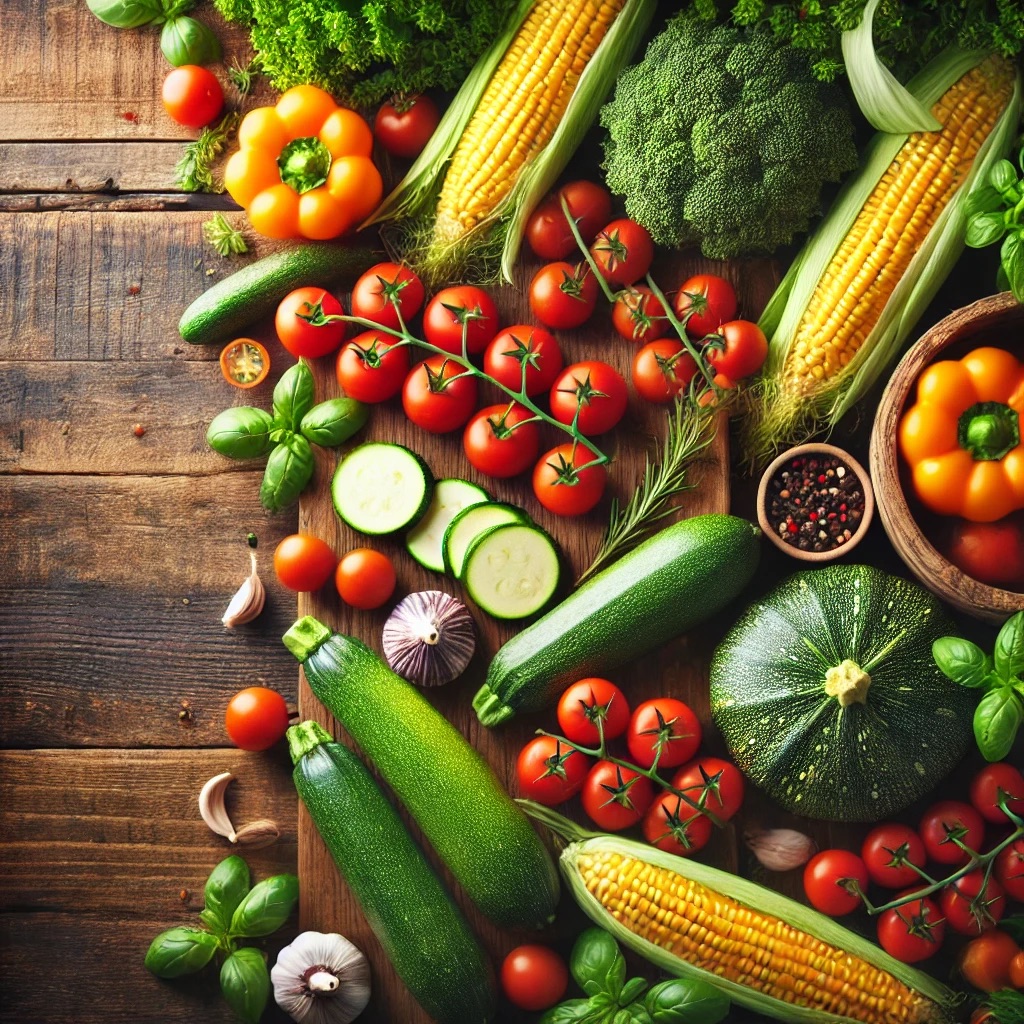
In recent years, the conversation around sustainability has extended beyond just recycling and reducing waste. It has infiltrated our kitchens, influencing how we shop, cook, and eat. Meal prepping, a practice that has gained significant popularity, can play a crucial role in creating a more sustainable kitchen. In this blog post, we will explore various tips and tricks to help you meal prep sustainably while minimizing waste and maximizing nutrition.
Understanding Meal Prep
Meal prepping involves preparing meals in advance, often for the week ahead. This not only saves time during busy weekdays but also helps in portion control and reduces food waste. However, to truly embrace sustainability, we need to focus on how we meal prep. It’s not just about making meals ahead of time; it’s about making thoughtful choices that benefit both our health and the planet.
1. Plan Your Meals Wisely
The first step in sustainable meal prep is effective meal planning. Before you hit the grocery store, take a moment to plan your meals for the week. Consider the following:
- Seasonal Ingredients: Choose fruits and vegetables that are in season. They are often more affordable and have a lower carbon footprint.
- Utilize Leftovers: Plan meals that can incorporate leftovers. For example, roast a whole chicken for dinner and use the leftovers in salads, wraps, or soups.
- Batch Cooking: Cook larger portions of versatile meals that can be easily repurposed throughout the week.
2. Buy in Bulk
Purchasing ingredients in bulk is not only cost-effective but also reduces packaging waste. Look for local grocery stores or co-ops that offer bulk bins for items like grains, nuts, legumes, and spices. Here are some tips:
- Bring Your Own Containers: Many stores allow you to bring your own jars or bags to reduce plastic waste.
- Buy Only What You Need: Be mindful of how much you buy to avoid excess food that may go to waste.
3. Storage Solutions
Once you’ve prepared your meals, proper storage is essential to maintain freshness and minimize waste. Here are some sustainable storage solutions:
- Glass Containers: Opt for glass containers instead of plastic. They are reusable, durable, and do not leach chemicals into your food.
- Beeswax Wraps: Use beeswax wraps as a sustainable alternative to plastic wrap for covering leftovers.
- Keep It Organized: Organize your fridge and pantry to ensure older items are used first, reducing the chances of food spoilage.
4. Choose Plant-Based Options
Incorporating more plant-based meals into your meal prep can significantly reduce your environmental impact. Consider the following:
- Meatless Days: Designate a few days a week as meatless. Explore hearty plant-based proteins like beans, lentils, and tofu.
- Focus on Whole Foods: Prioritize whole foods over processed options. Whole grains, vegetables, and legumes are not only healthier but also more sustainable.
5. Preserve and Ferment
Preserving food is an excellent way to minimize waste and enjoy seasonal flavors year-round. Here are some methods to consider:
- Canning: Canning fruits and vegetables can extend their shelf life and reduce spoilage.
- Fermentation: Fermenting vegetables creates delicious probiotic-rich foods while also preserving them for longer periods.
6. Avoid Single-Use Items
One of the greatest culprits of kitchen waste is single-use items. Here are some alternatives:
- Reusable Bags: Use reusable shopping bags to reduce plastic waste while grocery shopping.
- Cloth Napkins: Replace paper napkins with cloth alternatives that can be washed and reused.
7. Composting
Even with the best meal prep strategies, some food scraps are unavoidable. Composting is an excellent way to manage organic waste:
- Start a Compost Bin: Composting can be done in your backyard or using a composting service if you live in an urban area.
- Educate Yourself: Learn what can and cannot be composted to ensure you are composting effectively.
8. Smart Grocery Shopping
How you shop for groceries can also impact your kitchen's sustainability. Here are some tips:
- Make a List: Always go grocery shopping with a list to avoid impulse buys that may lead to waste.
- Support Local Farmers: Buy from local farmers' markets to reduce transportation emissions and support your community.
9. Educate Yourself and Others
Finally, knowledge is power. Educate yourself about sustainable practices and share your experiences with friends and family. Consider:
- Workshops: Attend workshops on sustainable cooking and meal prep.
- Online Resources: Utilize online resources, blogs, and social media to discover new tips and recipes.
Conclusion
Meal prepping for a sustainable kitchen requires intentionality and thoughtfulness. By planning your meals, buying in bulk, choosing plant-based options, and reducing waste, you can create a more sustainable kitchen that benefits both your health and the environment. Remember, every small change adds up, and your efforts can inspire others to follow suit. Happy meal prepping!
Related articles
 10 Easy Tips for Sustainable Cooking
Reduce Waste in Your Kitchen
10 Easy Tips for Sustainable Cooking
Reduce Waste in Your Kitchen
 The Ultimate Guide to Zero Waste Cooking
Transform Your Kitchen Habits
The Ultimate Guide to Zero Waste Cooking
Transform Your Kitchen Habits
 Creative Ways to Use Kitchen Scraps
A Sustainable Cooking Guide
Creative Ways to Use Kitchen Scraps
A Sustainable Cooking Guide
 Meal Planning for Sustainability
How to Reduce Waste While Eating Well
Meal Planning for Sustainability
How to Reduce Waste While Eating Well
 Sustainable Cooking on a Budget
Save Money and Reduce Waste
Sustainable Cooking on a Budget
Save Money and Reduce Waste
 Batch Cooking
A Sustainable Approach to Reduce Kitchen Waste
Batch Cooking
A Sustainable Approach to Reduce Kitchen Waste
 Understanding Food Labels
Reduce Waste with Smart Grocery Shopping
Understanding Food Labels
Reduce Waste with Smart Grocery Shopping
 Composting 101
Turn Kitchen Waste into Nutrient-Rich Soil
Composting 101
Turn Kitchen Waste into Nutrient-Rich Soil
 Seasonal Cooking
How Eating with the Seasons Reduces Waste
Seasonal Cooking
How Eating with the Seasons Reduces Waste
 Transforming Leftovers
Delicious Recipes to Reduce Waste
Transforming Leftovers
Delicious Recipes to Reduce Waste
 Sustainable Cooking Techniques
Reduce Waste and Save Resources
Sustainable Cooking Techniques
Reduce Waste and Save Resources
 Eco-Friendly Kitchen Essentials
Tools for Sustainable Cooking
Eco-Friendly Kitchen Essentials
Tools for Sustainable Cooking
 From Farm to Table
The Importance of Reducing Waste in Your Kitchen
From Farm to Table
The Importance of Reducing Waste in Your Kitchen
 Plant-Based Cooking
A Sustainable Choice for Reducing Waste
Plant-Based Cooking
A Sustainable Choice for Reducing Waste
 How to Store Food Properly
Tips to Minimize Waste in Your Kitchen
How to Store Food Properly
Tips to Minimize Waste in Your Kitchen
 Innovative Recipes for Using Up Expired Ingredients
A Waste-Reducing Approach
Innovative Recipes for Using Up Expired Ingredients
A Waste-Reducing Approach
 Sustainable Cooking for Families
Engage Kids in Waste Reduction
Sustainable Cooking for Families
Engage Kids in Waste Reduction
 The Role of Community in Sustainable Cooking
Share and Reduce Waste
The Role of Community in Sustainable Cooking
Share and Reduce Waste
 Cooking with Intent
Mindful Eating to Reduce Kitchen Waste
Cooking with Intent
Mindful Eating to Reduce Kitchen Waste
 The Environmental Impact of Food Waste
Why Sustainable Cooking Matters
The Environmental Impact of Food Waste
Why Sustainable Cooking Matters
 Simple Swaps for a More Sustainable Kitchen
Reduce Waste Today
Simple Swaps for a More Sustainable Kitchen
Reduce Waste Today
 DIY Food Preservation
Techniques to Reduce Waste and Extend Shelf Life
DIY Food Preservation
Techniques to Reduce Waste and Extend Shelf Life
 Eating Out Sustainably
How to Reduce Waste at Restaurants
Eating Out Sustainably
How to Reduce Waste at Restaurants
 Sustainable Cooking Challenges
How to Make Waste Reduction a Habit
Sustainable Cooking Challenges
How to Make Waste Reduction a Habit
 The Benefits of Local Sourcing
Reduce Waste and Support Your Community
The Benefits of Local Sourcing
Reduce Waste and Support Your Community
 Sustainable Cooking Myths Debunked
What You Really Need to Know
Sustainable Cooking Myths Debunked
What You Really Need to Know
 Kids in the Kitchen
Teaching Sustainable Cooking to the Next Generation
Kids in the Kitchen
Teaching Sustainable Cooking to the Next Generation
 The Art of Preserving
Canning and Fermenting to Reduce Waste
The Art of Preserving
Canning and Fermenting to Reduce Waste
 Sustainable Cooking Classes
Learning to Reduce Waste Together
Sustainable Cooking Classes
Learning to Reduce Waste Together
 Fridge Makeover
Organizing for Less Food Waste in Your Kitchen
Fridge Makeover
Organizing for Less Food Waste in Your Kitchen
 Sustainable Cooking and Health
A Holistic Approach to Reducing Waste
Sustainable Cooking and Health
A Holistic Approach to Reducing Waste
 Using Food Waste to Create New Meals
A Sustainable Cooking Challenge
Using Food Waste to Create New Meals
A Sustainable Cooking Challenge
 The Science of Food Waste
Understanding Why It Happens and How to Prevent It
The Science of Food Waste
Understanding Why It Happens and How to Prevent It
 Sustainable Cooking for Beginners
Starting Your Waste Reduction Journey
Sustainable Cooking for Beginners
Starting Your Waste Reduction Journey
Collaborative Cooking
Team Up to Reduce Waste in the Kitchen
Mindful Cooking
How to Embrace Sustainability and Reduce Waste
Unconventional Ingredients
How to Reduce Waste with Unused Foods
Celebrating Food
Traditional Recipes that Minimize Waste
Categories