The art of cooking
AI CHEF Blog

DIY Food Preservation: Techniques to Reduce Waste and Extend Shelf Life
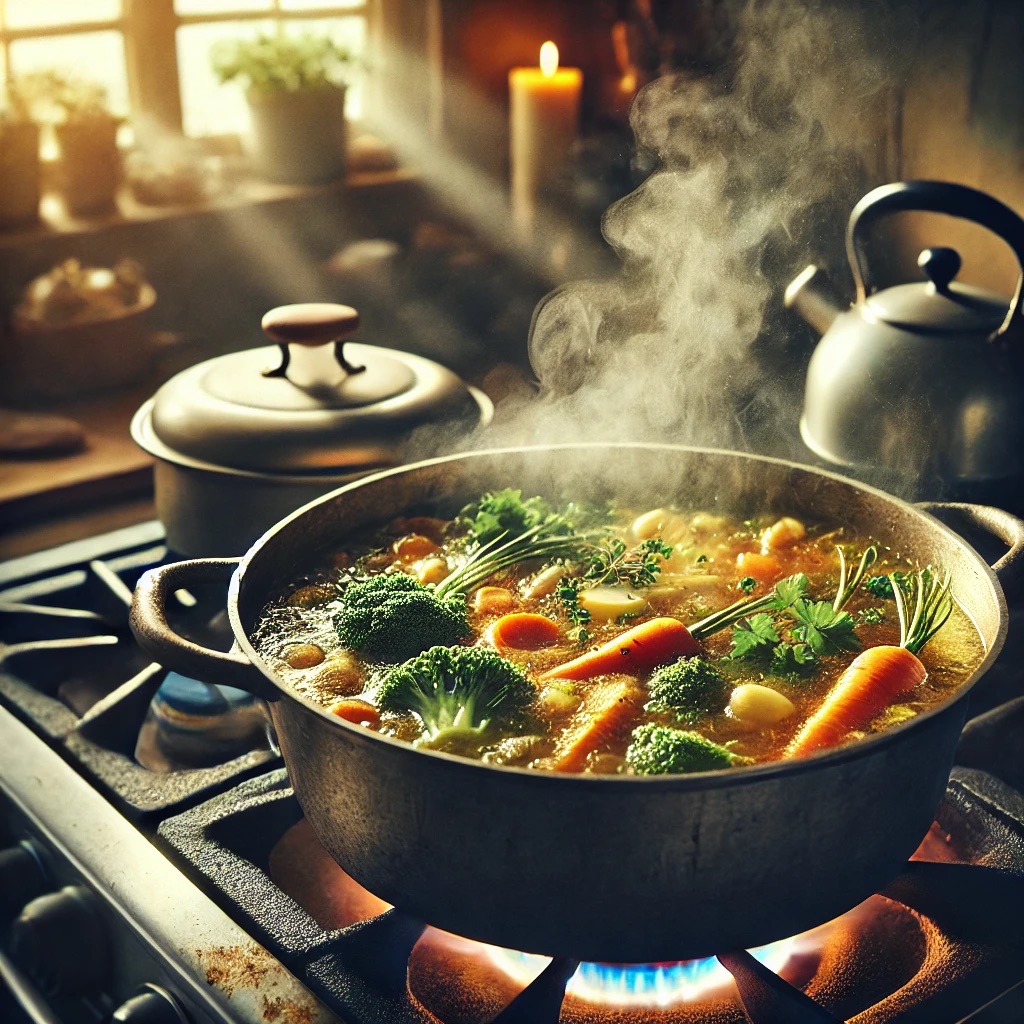
In an era where food waste is a growing concern, learning how to preserve food effectively can not only save you money but also contribute to a more sustainable lifestyle. DIY food preservation techniques have been passed down through generations, and with a bit of knowledge and creativity, anyone can master them. This blog post will explore various methods to help you reduce waste and extend the shelf life of your food.
Understanding the Importance of Food Preservation
Food preservation is the process of treating and handling food to stop or slow down spoilage. It not only helps in maintaining the quality of food but also makes it safe for consumption over a longer period. The importance of food preservation includes:
- Reducing Food Waste: By preserving food, you can use it before it goes bad, thus minimizing waste.
- Saving Money: Buying in bulk and preserving can save you money in the long run.
- Enhancing Flavor: Many food preservation methods can enhance the flavor of foods.
- Seasonal Availability: Preserving allows you to enjoy seasonal fruits and vegetables year-round.
- Nutrition Retention: Proper preservation methods can help retain the nutritional value of food.
Popular DIY Food Preservation Techniques
1. Canning
Canning is a method that involves sealing food in jars and heating them to kill bacteria and enzymes that cause spoilage. Here’s how to get started:
- Choose Your Food: Vegetables, fruits, jams, and sauces are great candidates for canning.
- Prepare Your Jars: Sterilize your jars and lids by boiling them in water.
- Fill the Jars: Pack your food into the jars, leaving appropriate headspace for expansion.
- Seal and Process: Seal the jars and process them in a water bath or pressure canner according to the recipe.
Be sure to follow tested recipes to ensure safety and quality.
2. Freezing
Freezing is one of the simplest and most effective ways to preserve food. Most foods can be frozen, but it’s essential to prepare them properly:
- Blanch Vegetables: Quick blanching helps preserve color, flavor, and nutrients.
- Use Airtight Containers: Store food in airtight bags or containers to prevent freezer burn.
- Label and Date: Always label your frozen items with the date and contents.
Frozen foods can last anywhere from a few months to several years, depending on the type.
3. Dehydrating
Dehydrating removes moisture from food, which inhibits the growth of bacteria, yeast, and mold. This method is particularly popular for fruits, vegetables, and herbs. Here’s how to dehydrate food:
- Choose Your Food: Fruits like apples and bananas, vegetables like tomatoes and peppers, and herbs work well.
- Slice Evenly: Cut food into uniform pieces for even drying.
- Use a Dehydrator or Oven: You can use a food dehydrator or an oven set to a low temperature.
- Store in Airtight Containers: Once dried, store food in airtight containers in a cool, dark place.
Dehydrated foods make excellent snacks and can be added to soups and stews.
4. Fermentation
Fermentation is a natural preservation method that uses beneficial bacteria to convert sugars into acids or alcohol, which preserves the food. Common fermented foods include sauerkraut, kimchi, and yogurt. Here’s how to ferment at home:
- Choose Your Ingredients: Vegetables, fruits, and dairy can all be fermented.
- Prepare the Brine: For vegetables, prepare a saltwater brine (typically 2-3% salt).
- Submerge the Food: Place your food in a jar, submerging it in the brine.
- Seal and Wait: Seal the jar and let it ferment at room temperature for a few days to weeks, depending on the recipe.
Fermentation not only preserves food but also enhances its health benefits through the creation of probiotics.
5. Pickling
Pickling involves immersing food in a solution of vinegar, salt, and spices. This method is great for cucumbers, onions, and even fruits. To pickle foods:
- Prepare Your Brine: Combine vinegar, water, salt, and any spices you prefer.
- Pack the Food: Place your prepared food in sterilized jars.
- Pour the Brine: Pour the brine over the food, ensuring it’s fully submerged.
- Seal and Store: Seal the jars and store them in the refrigerator or process them for long-term storage.
Pickled foods can be enjoyed as snacks or toppings and can last for months in the fridge.
6. Root Cellaring
Root cellaring is an age-old method of storing root vegetables and certain fruits in a cool, dark, and humid environment. This method is great for potatoes, carrots, and apples. Here’s how to use a root cellar:
- Choose the Right Location: A basement or cool corner of your home is ideal.
- Prepare Your Produce: Clean and remove any damaged parts from the produce.
- Store in Bins: Place the produce in bins, layering with straw or sawdust to maintain humidity.
Root cellaring can extend the life of your produce for several months.
Tips for Successful Food Preservation
- Research: Always research and follow tested recipes, especially for canning and fermentation.
- Use Fresh Ingredients: The fresher the food, the better the quality of your preserved items.
- Maintain Cleanliness: Ensure all tools and containers are clean to prevent contamination.
- Monitor Storage Conditions: Keep an eye on temperature and humidity levels for optimal storage.
Conclusion
DIY food preservation is not only a practical skill but also a rewarding hobby that helps reduce waste and extend the shelf life of your food. By employing these various techniques, you can enjoy seasonal produce year-round, save money, and contribute to a more sustainable food system. So, gather your supplies, get creative in the kitchen, and start preserving!
Related articles
 10 Easy Tips for Sustainable Cooking
Reduce Waste in Your Kitchen
10 Easy Tips for Sustainable Cooking
Reduce Waste in Your Kitchen
 The Ultimate Guide to Zero Waste Cooking
Transform Your Kitchen Habits
The Ultimate Guide to Zero Waste Cooking
Transform Your Kitchen Habits
 Creative Ways to Use Kitchen Scraps
A Sustainable Cooking Guide
Creative Ways to Use Kitchen Scraps
A Sustainable Cooking Guide
 Meal Planning for Sustainability
How to Reduce Waste While Eating Well
Meal Planning for Sustainability
How to Reduce Waste While Eating Well
 Sustainable Cooking on a Budget
Save Money and Reduce Waste
Sustainable Cooking on a Budget
Save Money and Reduce Waste
 Batch Cooking
A Sustainable Approach to Reduce Kitchen Waste
Batch Cooking
A Sustainable Approach to Reduce Kitchen Waste
 Understanding Food Labels
Reduce Waste with Smart Grocery Shopping
Understanding Food Labels
Reduce Waste with Smart Grocery Shopping
 Composting 101
Turn Kitchen Waste into Nutrient-Rich Soil
Composting 101
Turn Kitchen Waste into Nutrient-Rich Soil
 Seasonal Cooking
How Eating with the Seasons Reduces Waste
Seasonal Cooking
How Eating with the Seasons Reduces Waste
 Transforming Leftovers
Delicious Recipes to Reduce Waste
Transforming Leftovers
Delicious Recipes to Reduce Waste
 Sustainable Cooking Techniques
Reduce Waste and Save Resources
Sustainable Cooking Techniques
Reduce Waste and Save Resources
 Eco-Friendly Kitchen Essentials
Tools for Sustainable Cooking
Eco-Friendly Kitchen Essentials
Tools for Sustainable Cooking
 From Farm to Table
The Importance of Reducing Waste in Your Kitchen
From Farm to Table
The Importance of Reducing Waste in Your Kitchen
 Plant-Based Cooking
A Sustainable Choice for Reducing Waste
Plant-Based Cooking
A Sustainable Choice for Reducing Waste
 How to Store Food Properly
Tips to Minimize Waste in Your Kitchen
How to Store Food Properly
Tips to Minimize Waste in Your Kitchen
 Innovative Recipes for Using Up Expired Ingredients
A Waste-Reducing Approach
Innovative Recipes for Using Up Expired Ingredients
A Waste-Reducing Approach
 Sustainable Cooking for Families
Engage Kids in Waste Reduction
Sustainable Cooking for Families
Engage Kids in Waste Reduction
 The Role of Community in Sustainable Cooking
Share and Reduce Waste
The Role of Community in Sustainable Cooking
Share and Reduce Waste
 Cooking with Intent
Mindful Eating to Reduce Kitchen Waste
Cooking with Intent
Mindful Eating to Reduce Kitchen Waste
 The Environmental Impact of Food Waste
Why Sustainable Cooking Matters
The Environmental Impact of Food Waste
Why Sustainable Cooking Matters
 Simple Swaps for a More Sustainable Kitchen
Reduce Waste Today
Simple Swaps for a More Sustainable Kitchen
Reduce Waste Today
 DIY Food Preservation
Techniques to Reduce Waste and Extend Shelf Life
DIY Food Preservation
Techniques to Reduce Waste and Extend Shelf Life
 Eating Out Sustainably
How to Reduce Waste at Restaurants
Eating Out Sustainably
How to Reduce Waste at Restaurants
 Sustainable Cooking Challenges
How to Make Waste Reduction a Habit
Sustainable Cooking Challenges
How to Make Waste Reduction a Habit
 The Benefits of Local Sourcing
Reduce Waste and Support Your Community
The Benefits of Local Sourcing
Reduce Waste and Support Your Community
 Sustainable Cooking Myths Debunked
What You Really Need to Know
Sustainable Cooking Myths Debunked
What You Really Need to Know
 Kids in the Kitchen
Teaching Sustainable Cooking to the Next Generation
Kids in the Kitchen
Teaching Sustainable Cooking to the Next Generation
 The Art of Preserving
Canning and Fermenting to Reduce Waste
The Art of Preserving
Canning and Fermenting to Reduce Waste
 Sustainable Cooking Classes
Learning to Reduce Waste Together
Sustainable Cooking Classes
Learning to Reduce Waste Together
 Fridge Makeover
Organizing for Less Food Waste in Your Kitchen
Fridge Makeover
Organizing for Less Food Waste in Your Kitchen
 Sustainable Cooking and Health
A Holistic Approach to Reducing Waste
Sustainable Cooking and Health
A Holistic Approach to Reducing Waste
 Using Food Waste to Create New Meals
A Sustainable Cooking Challenge
Using Food Waste to Create New Meals
A Sustainable Cooking Challenge
 The Science of Food Waste
Understanding Why It Happens and How to Prevent It
The Science of Food Waste
Understanding Why It Happens and How to Prevent It
 Sustainable Cooking for Beginners
Starting Your Waste Reduction Journey
Sustainable Cooking for Beginners
Starting Your Waste Reduction Journey
Collaborative Cooking
Team Up to Reduce Waste in the Kitchen
Mindful Cooking
How to Embrace Sustainability and Reduce Waste
Unconventional Ingredients
How to Reduce Waste with Unused Foods
Celebrating Food
Traditional Recipes that Minimize Waste
Categories