The art of cooking
AI CHEF Blog

Sustainable Cooking Challenges: How to Make Waste Reduction a Habit
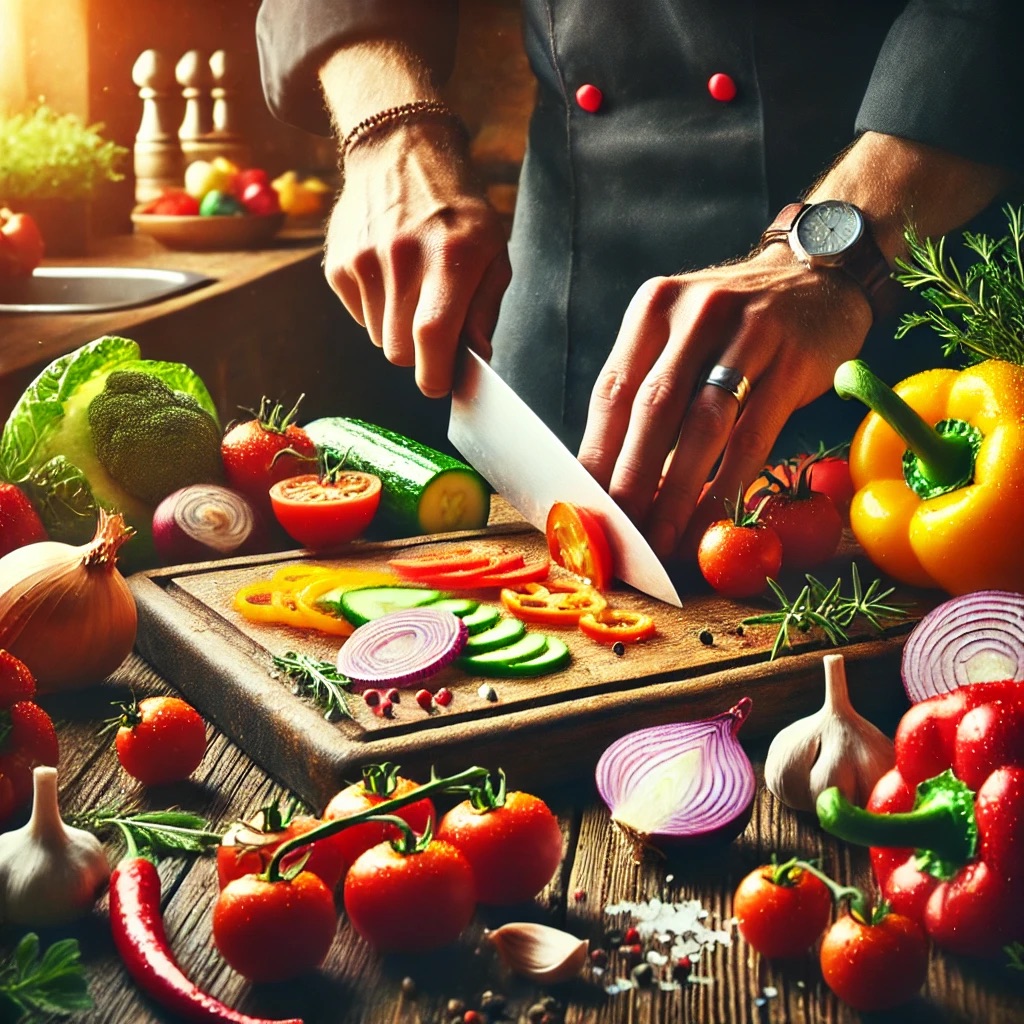
In a world where environmental concerns are at the forefront, sustainable cooking has emerged as a vital practice for reducing our ecological footprint. One significant aspect of sustainable cooking is waste reduction. Every year, millions of tons of food waste are generated globally, contributing to greenhouse gas emissions and wastefulness. In this blog post, we will explore the challenges of sustainable cooking and provide practical tips on how to make waste reduction a regular habit in your kitchen.
Understanding the Importance of Waste Reduction
Food waste is not just a problem for the environment; it also impacts our economy and society. The United Nations reports that one-third of all food produced for human consumption is wasted, which amounts to around 1.3 billion tons annually. This waste occurs at various stages of the food supply chain, from production to consumption. By reducing food waste, we can conserve resources, save money, and contribute to a healthier planet.
Common Challenges in Sustainable Cooking
While the benefits of sustainable cooking are clear, many individuals encounter challenges when trying to reduce waste in their kitchens. Here are some common obstacles:
- Overbuying: One of the primary causes of food waste is purchasing more food than we can consume. Impulse buying and a lack of meal planning contribute to this issue.
- Lack of Knowledge: Many people are unaware of how to properly store food, leading to spoilage. Additionally, they may not know how to use leftovers effectively.
- Time Constraints: Busy lifestyles can make it difficult to cook from scratch or to plan meals, resulting in reliance on convenience foods that often come with excessive packaging.
- Perceptions of Freshness: Many people discard food that is past its “sell by” date, even if it is still safe to consume, simply due to a fear of foodborne illness.
Strategies for Reducing Waste in Your Kitchen
Now that we understand the challenges, let’s explore some practical strategies to make waste reduction a habit in your cooking routine:
1. Meal Planning and Preparation
One of the most effective ways to reduce food waste is through meal planning. By creating a weekly menu, you can ensure that you only buy the ingredients you need. Here are some tips:
- Plan meals around items you already have in your pantry to minimize overbuying.
- Incorporate flexible recipes that allow substitution based on what you have available.
- Set aside time each week to plan your meals, create a shopping list, and stick to it while grocery shopping.
2. Smart Shopping Practices
When you go grocery shopping, keep these tips in mind to avoid over-purchasing and reduce waste:
- Shop with a list to prevent impulse purchases.
- Buy in bulk for non-perishable items, but be mindful of perishables as they may spoil before you use them.
- Choose loose produce instead of pre-packaged items to reduce packaging waste.
3. Proper Food Storage
Understanding how to store food correctly can significantly reduce spoilage. Here are some storage tips:
- Keep fruits and vegetables in separate drawers in the refrigerator to prolong their freshness.
- Store herbs in water like a bouquet for longer shelf life.
- Use airtight containers for leftovers to keep them fresh longer.
- Label and date items in your fridge and freezer to keep track of their freshness.
4. Get Creative with Leftovers
Leftovers can be a goldmine for sustainable cooking. Instead of letting them go to waste, get creative:
- Transform leftover vegetables into soups, stews, or stir-fries.
- Use stale bread to make croutons or bread pudding.
- Incorporate leftover meat into salads or pasta dishes.
5. Composting
Composting is a great way to reduce waste while enriching your garden soil. Here’s how to get started:
- Set up a compost bin in your backyard or use a countertop composting system.
- Collect kitchen scraps such as vegetable peels, coffee grounds, and eggshells.
- Avoid composting meat, dairy, and oily foods, as they can attract pests.
6. Educate Yourself and Others
Knowledge is power when it comes to reducing waste. Stay informed about sustainable practices, and share what you learn with family and friends:
- Read books and articles about sustainable cooking and waste reduction.
- Attend workshops or community events focused on reducing food waste.
- Encourage friends and family to join you in sustainable cooking practices.
Making Waste Reduction a Habit
Incorporating waste reduction into your cooking routine requires commitment and practice. Here are some tips to help make it a habit:
- Start Small: Begin with one or two changes in your cooking habits and gradually introduce more as you become comfortable.
- Set Goals: Establish specific, measurable goals for reducing waste, such as aiming to reduce your food waste by a certain percentage each month.
- Track Your Progress: Keep a journal of your cooking habits and waste reduction efforts to see how far you’ve come.
- Stay Motivated: Follow blogs, social media accounts, or podcasts focused on sustainable cooking for inspiration and ideas.
Conclusion
Embracing sustainable cooking and making waste reduction a habit is not only beneficial for the environment but also for your health and wallet. By understanding the challenges and implementing practical strategies, you can reduce food waste, enjoy delicious meals, and contribute to a more sustainable future. Remember, every small step counts, and together we can make a significant impact on our planet.
Related articles
 10 Easy Tips for Sustainable Cooking
Reduce Waste in Your Kitchen
10 Easy Tips for Sustainable Cooking
Reduce Waste in Your Kitchen
 The Ultimate Guide to Zero Waste Cooking
Transform Your Kitchen Habits
The Ultimate Guide to Zero Waste Cooking
Transform Your Kitchen Habits
 Creative Ways to Use Kitchen Scraps
A Sustainable Cooking Guide
Creative Ways to Use Kitchen Scraps
A Sustainable Cooking Guide
 Meal Planning for Sustainability
How to Reduce Waste While Eating Well
Meal Planning for Sustainability
How to Reduce Waste While Eating Well
 Sustainable Cooking on a Budget
Save Money and Reduce Waste
Sustainable Cooking on a Budget
Save Money and Reduce Waste
 Batch Cooking
A Sustainable Approach to Reduce Kitchen Waste
Batch Cooking
A Sustainable Approach to Reduce Kitchen Waste
 Understanding Food Labels
Reduce Waste with Smart Grocery Shopping
Understanding Food Labels
Reduce Waste with Smart Grocery Shopping
 Composting 101
Turn Kitchen Waste into Nutrient-Rich Soil
Composting 101
Turn Kitchen Waste into Nutrient-Rich Soil
 Seasonal Cooking
How Eating with the Seasons Reduces Waste
Seasonal Cooking
How Eating with the Seasons Reduces Waste
 Transforming Leftovers
Delicious Recipes to Reduce Waste
Transforming Leftovers
Delicious Recipes to Reduce Waste
 Sustainable Cooking Techniques
Reduce Waste and Save Resources
Sustainable Cooking Techniques
Reduce Waste and Save Resources
 Eco-Friendly Kitchen Essentials
Tools for Sustainable Cooking
Eco-Friendly Kitchen Essentials
Tools for Sustainable Cooking
 From Farm to Table
The Importance of Reducing Waste in Your Kitchen
From Farm to Table
The Importance of Reducing Waste in Your Kitchen
 Plant-Based Cooking
A Sustainable Choice for Reducing Waste
Plant-Based Cooking
A Sustainable Choice for Reducing Waste
 How to Store Food Properly
Tips to Minimize Waste in Your Kitchen
How to Store Food Properly
Tips to Minimize Waste in Your Kitchen
 Innovative Recipes for Using Up Expired Ingredients
A Waste-Reducing Approach
Innovative Recipes for Using Up Expired Ingredients
A Waste-Reducing Approach
 Sustainable Cooking for Families
Engage Kids in Waste Reduction
Sustainable Cooking for Families
Engage Kids in Waste Reduction
 The Role of Community in Sustainable Cooking
Share and Reduce Waste
The Role of Community in Sustainable Cooking
Share and Reduce Waste
 Cooking with Intent
Mindful Eating to Reduce Kitchen Waste
Cooking with Intent
Mindful Eating to Reduce Kitchen Waste
 The Environmental Impact of Food Waste
Why Sustainable Cooking Matters
The Environmental Impact of Food Waste
Why Sustainable Cooking Matters
 Simple Swaps for a More Sustainable Kitchen
Reduce Waste Today
Simple Swaps for a More Sustainable Kitchen
Reduce Waste Today
 DIY Food Preservation
Techniques to Reduce Waste and Extend Shelf Life
DIY Food Preservation
Techniques to Reduce Waste and Extend Shelf Life
 Eating Out Sustainably
How to Reduce Waste at Restaurants
Eating Out Sustainably
How to Reduce Waste at Restaurants
 Sustainable Cooking Challenges
How to Make Waste Reduction a Habit
Sustainable Cooking Challenges
How to Make Waste Reduction a Habit
 The Benefits of Local Sourcing
Reduce Waste and Support Your Community
The Benefits of Local Sourcing
Reduce Waste and Support Your Community
 Sustainable Cooking Myths Debunked
What You Really Need to Know
Sustainable Cooking Myths Debunked
What You Really Need to Know
 Kids in the Kitchen
Teaching Sustainable Cooking to the Next Generation
Kids in the Kitchen
Teaching Sustainable Cooking to the Next Generation
 The Art of Preserving
Canning and Fermenting to Reduce Waste
The Art of Preserving
Canning and Fermenting to Reduce Waste
 Sustainable Cooking Classes
Learning to Reduce Waste Together
Sustainable Cooking Classes
Learning to Reduce Waste Together
 Fridge Makeover
Organizing for Less Food Waste in Your Kitchen
Fridge Makeover
Organizing for Less Food Waste in Your Kitchen
 Sustainable Cooking and Health
A Holistic Approach to Reducing Waste
Sustainable Cooking and Health
A Holistic Approach to Reducing Waste
 Using Food Waste to Create New Meals
A Sustainable Cooking Challenge
Using Food Waste to Create New Meals
A Sustainable Cooking Challenge
 The Science of Food Waste
Understanding Why It Happens and How to Prevent It
The Science of Food Waste
Understanding Why It Happens and How to Prevent It
 Sustainable Cooking for Beginners
Starting Your Waste Reduction Journey
Sustainable Cooking for Beginners
Starting Your Waste Reduction Journey
Collaborative Cooking
Team Up to Reduce Waste in the Kitchen
Mindful Cooking
How to Embrace Sustainability and Reduce Waste
Unconventional Ingredients
How to Reduce Waste with Unused Foods
Celebrating Food
Traditional Recipes that Minimize Waste
Categories