The art of cooking
AI CHEF Blog

Sustainable Cooking Myths Debunked: What You Really Need to Know
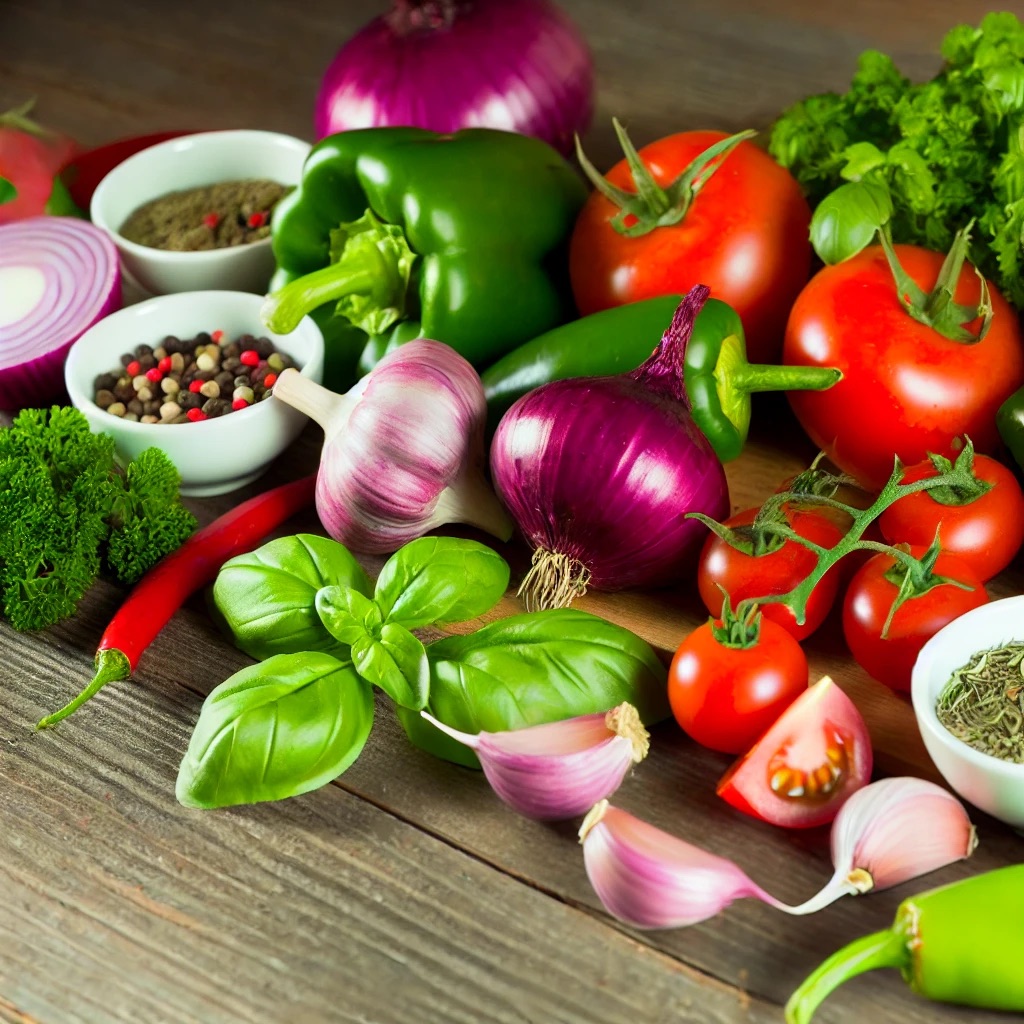
Sustainable cooking is more than just a trend; it’s a necessity for our planet's future. However, there are many myths surrounding sustainable cooking that can confuse or mislead those trying to adopt more eco-friendly habits in the kitchen. In this blog post, we will debunk some common misconceptions about sustainable cooking and provide you with the essential knowledge you need to make informed choices.
Myth 1: Sustainable Cooking is Expensive
One of the most pervasive myths about sustainable cooking is that it is inherently expensive. While it’s true that some organic and specialty foods can be costly, sustainable cooking doesn’t have to break the bank. In fact, many sustainable practices can save you money in the long run.
For instance, incorporating more plant-based meals into your diet can significantly reduce your grocery bill. Meat and dairy products are often more expensive than grains, beans, and seasonal vegetables. Additionally, buying in bulk, shopping at local farmers' markets, and growing your own herbs can help you save money while supporting local economies.
Myth 2: Organic Food is Always More Sustainable
While organic farming practices are generally better for the environment than conventional methods, not all organic food is created equal. The sustainability of food depends on various factors, including transportation, packaging, and agricultural practices. For example, organic avocados shipped from Mexico may have a larger carbon footprint than conventionally grown apples from a local farm.
To truly eat sustainably, focus on buying local, seasonal produce whenever possible, and consider the full lifecycle of the food products you purchase. Sometimes, the most sustainable choice is not the organic option but rather what is grown and produced nearby.
Myth 3: You Can't Eat Meat Sustainably
Another common misconception is that eating meat is incompatible with sustainable cooking. While reducing meat consumption is beneficial for the environment, it's not necessary to eliminate it entirely. Sustainable meat consumption is about making informed choices.
Opting for grass-fed, pasture-raised, or locally sourced meats can be more sustainable than conventionally raised options. Furthermore, consider embracing a “meatless Monday” approach or substituting meat with plant-based proteins in some meals. Balance is key, and you can still enjoy meat while being conscious of its environmental impact.
Myth 4: Sustainable Cooking is Complicated
Many people believe that sustainable cooking requires advanced culinary skills or complex recipes. In reality, sustainable cooking can be simple and straightforward. The essence of sustainable cooking lies in using whole, unprocessed ingredients and minimizing food waste.
Start by focusing on simple meals made from fresh ingredients. Learn to cook versatile staples like grains, legumes, and vegetables, which can be easily combined in various ways. Meal prepping and planning can also help streamline your cooking process while reducing waste.
Myth 5: You Have to Give Up Convenience Foods
While it’s true that many convenience foods are not sustainable, you don’t have to give up all convenience. There are sustainable convenience options available, such as frozen fruits and vegetables, which can be just as nutritious as their fresh counterparts. Look for brands that prioritize eco-friendly practices and minimal packaging.
Additionally, you can prepare your own convenience foods at home, such as batch-cooking meals and freezing them for later use. This way, you maintain convenience without compromising your sustainability goals.
Myth 6: Sustainable Cooking is Only About Food
Sustainable cooking extends beyond just the food you prepare. It also involves considering the tools and resources you use in the kitchen. Many people overlook the environmental impact of kitchenware and appliances.
Investing in durable, reusable kitchen tools—like glass containers, cloth towels, and stainless steel cookware—can reduce waste and promote sustainability. Additionally, consider energy-efficient appliances that consume less electricity. Sustainable cooking is a holistic approach that encompasses all aspects of your kitchen.
Myth 7: You Have to Be Vegan to Cook Sustainably
While a vegan diet can be a sustainable option, it is not the only way to cook sustainably. Sustainable cooking is about being mindful of your choices and understanding the impact of your diet on the environment.
Incorporate more plant-based meals into your routine, but don’t feel pressured to completely eliminate animal products. Focus on sourcing high-quality, responsibly raised animal products, and strive for balance in your diet. A sustainable diet can include both plant and animal foods when sourced thoughtfully.
Myth 8: Food Waste is Inevitable
Many people believe that food waste is an unavoidable part of cooking. However, with proper planning and awareness, you can significantly reduce waste in your kitchen. Start by assessing your pantry and refrigerator to use up ingredients before they spoil. Create meal plans that incorporate leftovers and find creative ways to use scraps.
Composting is another excellent way to minimize waste and improve soil health. By being intentional about how you shop, cook, and dispose of food, you can make a significant impact on reducing food waste.
Conclusion
Understanding the truths about sustainable cooking can empower you to make choices that benefit both your health and the planet. By debunking these common myths, you can adopt sustainable cooking practices that fit your lifestyle and values. Remember that sustainable cooking is not about perfection but about progress. Every small change you make contributes to a larger impact.
Embrace the journey of sustainable cooking, and enjoy the process of nourishing yourself and the planet.
Related articles
 10 Easy Tips for Sustainable Cooking
Reduce Waste in Your Kitchen
10 Easy Tips for Sustainable Cooking
Reduce Waste in Your Kitchen
 The Ultimate Guide to Zero Waste Cooking
Transform Your Kitchen Habits
The Ultimate Guide to Zero Waste Cooking
Transform Your Kitchen Habits
 Creative Ways to Use Kitchen Scraps
A Sustainable Cooking Guide
Creative Ways to Use Kitchen Scraps
A Sustainable Cooking Guide
 Meal Planning for Sustainability
How to Reduce Waste While Eating Well
Meal Planning for Sustainability
How to Reduce Waste While Eating Well
 Sustainable Cooking on a Budget
Save Money and Reduce Waste
Sustainable Cooking on a Budget
Save Money and Reduce Waste
 Batch Cooking
A Sustainable Approach to Reduce Kitchen Waste
Batch Cooking
A Sustainable Approach to Reduce Kitchen Waste
 Understanding Food Labels
Reduce Waste with Smart Grocery Shopping
Understanding Food Labels
Reduce Waste with Smart Grocery Shopping
 Composting 101
Turn Kitchen Waste into Nutrient-Rich Soil
Composting 101
Turn Kitchen Waste into Nutrient-Rich Soil
 Seasonal Cooking
How Eating with the Seasons Reduces Waste
Seasonal Cooking
How Eating with the Seasons Reduces Waste
 Transforming Leftovers
Delicious Recipes to Reduce Waste
Transforming Leftovers
Delicious Recipes to Reduce Waste
 Sustainable Cooking Techniques
Reduce Waste and Save Resources
Sustainable Cooking Techniques
Reduce Waste and Save Resources
 Eco-Friendly Kitchen Essentials
Tools for Sustainable Cooking
Eco-Friendly Kitchen Essentials
Tools for Sustainable Cooking
 From Farm to Table
The Importance of Reducing Waste in Your Kitchen
From Farm to Table
The Importance of Reducing Waste in Your Kitchen
 Plant-Based Cooking
A Sustainable Choice for Reducing Waste
Plant-Based Cooking
A Sustainable Choice for Reducing Waste
 How to Store Food Properly
Tips to Minimize Waste in Your Kitchen
How to Store Food Properly
Tips to Minimize Waste in Your Kitchen
 Innovative Recipes for Using Up Expired Ingredients
A Waste-Reducing Approach
Innovative Recipes for Using Up Expired Ingredients
A Waste-Reducing Approach
 Sustainable Cooking for Families
Engage Kids in Waste Reduction
Sustainable Cooking for Families
Engage Kids in Waste Reduction
 The Role of Community in Sustainable Cooking
Share and Reduce Waste
The Role of Community in Sustainable Cooking
Share and Reduce Waste
 Cooking with Intent
Mindful Eating to Reduce Kitchen Waste
Cooking with Intent
Mindful Eating to Reduce Kitchen Waste
 The Environmental Impact of Food Waste
Why Sustainable Cooking Matters
The Environmental Impact of Food Waste
Why Sustainable Cooking Matters
 Simple Swaps for a More Sustainable Kitchen
Reduce Waste Today
Simple Swaps for a More Sustainable Kitchen
Reduce Waste Today
 DIY Food Preservation
Techniques to Reduce Waste and Extend Shelf Life
DIY Food Preservation
Techniques to Reduce Waste and Extend Shelf Life
 Eating Out Sustainably
How to Reduce Waste at Restaurants
Eating Out Sustainably
How to Reduce Waste at Restaurants
 Sustainable Cooking Challenges
How to Make Waste Reduction a Habit
Sustainable Cooking Challenges
How to Make Waste Reduction a Habit
 The Benefits of Local Sourcing
Reduce Waste and Support Your Community
The Benefits of Local Sourcing
Reduce Waste and Support Your Community
 Sustainable Cooking Myths Debunked
What You Really Need to Know
Sustainable Cooking Myths Debunked
What You Really Need to Know
 Kids in the Kitchen
Teaching Sustainable Cooking to the Next Generation
Kids in the Kitchen
Teaching Sustainable Cooking to the Next Generation
 The Art of Preserving
Canning and Fermenting to Reduce Waste
The Art of Preserving
Canning and Fermenting to Reduce Waste
 Sustainable Cooking Classes
Learning to Reduce Waste Together
Sustainable Cooking Classes
Learning to Reduce Waste Together
 Fridge Makeover
Organizing for Less Food Waste in Your Kitchen
Fridge Makeover
Organizing for Less Food Waste in Your Kitchen
 Sustainable Cooking and Health
A Holistic Approach to Reducing Waste
Sustainable Cooking and Health
A Holistic Approach to Reducing Waste
 Using Food Waste to Create New Meals
A Sustainable Cooking Challenge
Using Food Waste to Create New Meals
A Sustainable Cooking Challenge
 The Science of Food Waste
Understanding Why It Happens and How to Prevent It
The Science of Food Waste
Understanding Why It Happens and How to Prevent It
 Sustainable Cooking for Beginners
Starting Your Waste Reduction Journey
Sustainable Cooking for Beginners
Starting Your Waste Reduction Journey
Collaborative Cooking
Team Up to Reduce Waste in the Kitchen
Mindful Cooking
How to Embrace Sustainability and Reduce Waste
Unconventional Ingredients
How to Reduce Waste with Unused Foods
Celebrating Food
Traditional Recipes that Minimize Waste
Categories