The art of cooking
AI CHEF Blog

A Beginner's Guide to Fermenting Food and Reducing Waste
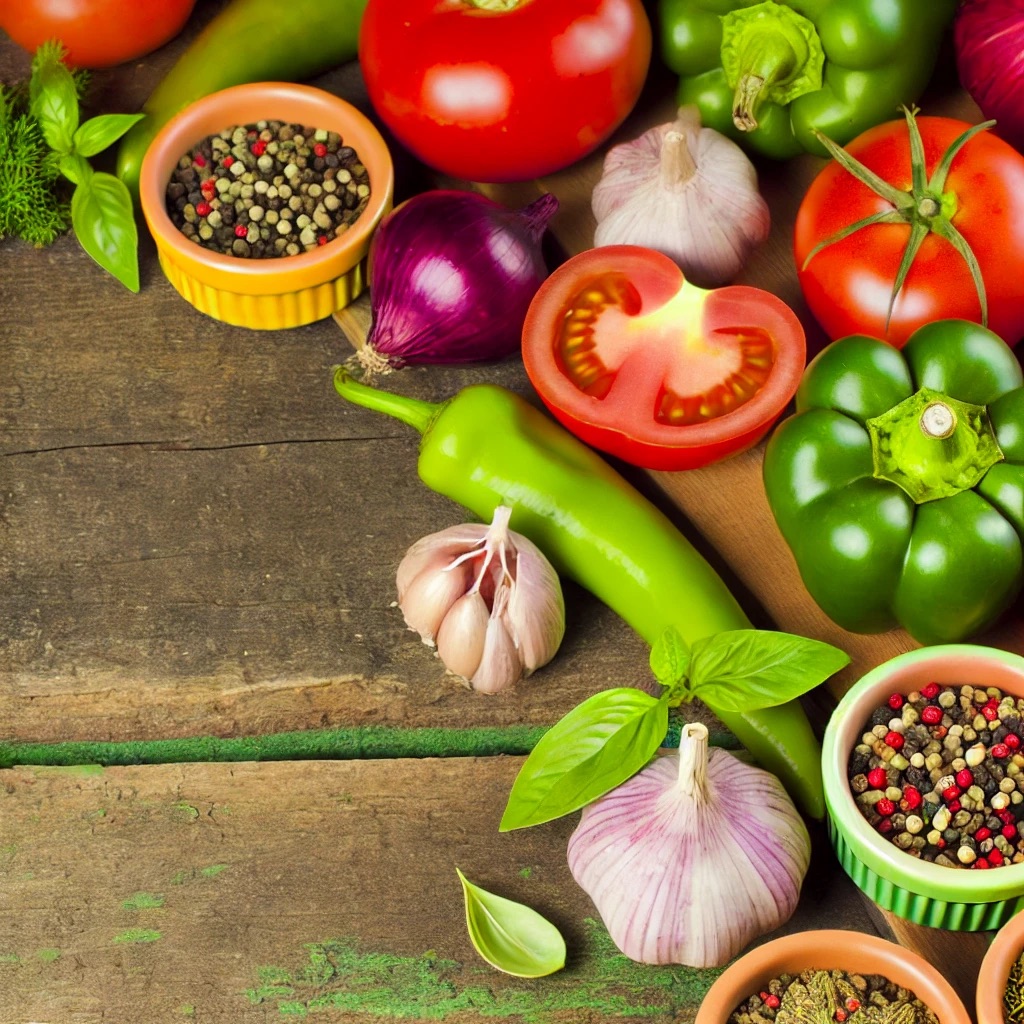
In recent years, the trend of fermenting food has gained immense popularity, not just for its unique flavors and health benefits, but also for its role in reducing food waste. Fermentation is an ancient preservation technique that transforms food into something new and exciting, prolonging its shelf life and enhancing its nutritional value. In this guide, we will explore the basics of food fermentation, the benefits it offers, and practical tips for reducing waste through this age-old practice.
What is Fermentation?
Fermentation is a metabolic process that converts sugar to acids, gases, or alcohol using microorganisms such as bacteria, yeasts, or molds. This process has been utilized for centuries to preserve food and create unique flavors and textures in various cuisines around the world. Common examples of fermented foods include yogurt, sauerkraut, kimchi, kombucha, and sourdough bread.
Benefits of Fermenting Food
- Improved Digestion: Fermented foods are rich in probiotics, which are beneficial bacteria that aid in digestion and promote gut health.
- Enhanced Nutritional Value: Fermentation can increase the bioavailability of nutrients, making them easier for our bodies to absorb.
- Extended Shelf Life: Fermentation can significantly prolong the shelf life of perishable foods, reducing food waste.
- Unique Flavors: The fermentation process creates complex flavors and aromas, adding a new dimension to your meals.
- Environmental Impact: By fermenting food, you can minimize waste and make use of surplus produce, contributing to a more sustainable lifestyle.
Getting Started with Fermentation
Fermentation is accessible to everyone, and with a little guidance, you can easily start your own fermentation journey at home. Here are some essential tips to get started:
1. Choose Your Ingredients
Start with fresh, high-quality ingredients. Vegetables, fruits, grains, and dairy are all great options for fermentation. Look for produce that is in season or using up items that may be nearing their expiration date.
2. Gather Your Equipment
You don’t need fancy equipment to begin fermenting. Some basic tools include:
- Glass jars or containers
- Weights to keep food submerged
- A lid or cloth to cover the jar
- A thermometer (optional)
3. Start Simple
As a beginner, it’s best to start with simple recipes. Here are a few easy fermentation projects to try:
- Fermented Vegetables: Shredded cabbage for sauerkraut or whole vegetables like carrots and cucumbers. Simply mix with salt and pack into a jar, ensuring the vegetables are submerged in their own juices.
- Kefir: A fermented milk drink that can be made using kefir grains. Add the grains to milk, let it sit at room temperature for 24 hours, and strain to enjoy.
- Kombucha: A fermented tea that requires a SCOBY (symbiotic culture of bacteria and yeast). Brew sweetened tea, add the SCOBY, and let it ferment for about a week.
Reducing Waste Through Fermentation
One of the most significant advantages of fermentation is its ability to reduce food waste. Here are some strategies to make the most of your ingredients and minimize waste:
1. Use Leftover Produce
Instead of tossing out wilting vegetables or overripe fruits, consider fermenting them. Create unique pickles from leftover carrots, radishes, or even fruit scraps. The possibilities are endless!
2. Embrace Imperfection
Don’t be afraid to use produce that may not look perfect. Slightly bruised or overripe fruits and vegetables are often still great for fermentation.
3. Experiment with Flavors
Fermenting offers a chance to get creative with flavors. Add herbs, spices, or even leftover juice to your ferments to create something unique and delicious.
4. Preserve Seasonal Bounty
When fruits and vegetables are in season, they’re often abundant and inexpensive. Ferment surplus produce to enjoy their flavors year-round and prevent spoilage.
5. Share Your Ferments
If you find yourself with an abundance of fermented foods, consider sharing them with friends or family. This not only reduces waste but also spreads the joy of fermentation!
Safety Considerations
While fermentation is generally safe, it’s essential to follow some basic safety guidelines:
- Use clean equipment to avoid introducing harmful bacteria.
- Monitor your ferments and discard anything that looks or smells off.
- Ensure that your ferments are stored in a cool, dark place to prevent spoilage.
Conclusion
Fermenting food is a rewarding and sustainable practice that allows you to creatively use ingredients while reducing waste. By starting with simple recipes and embracing the process, you’ll soon discover the joys of fermentation and its many benefits. So, gather your ingredients, grab a jar, and begin your journey into the world of fermentation!
Related articles
 10 Easy Tips for Sustainable Cooking
Reduce Waste in Your Kitchen
10 Easy Tips for Sustainable Cooking
Reduce Waste in Your Kitchen
 The Ultimate Guide to Zero Waste Cooking
Transform Your Kitchen Habits
The Ultimate Guide to Zero Waste Cooking
Transform Your Kitchen Habits
 Creative Ways to Use Kitchen Scraps
A Sustainable Cooking Guide
Creative Ways to Use Kitchen Scraps
A Sustainable Cooking Guide
 Meal Planning for Sustainability
How to Reduce Waste While Eating Well
Meal Planning for Sustainability
How to Reduce Waste While Eating Well
 Sustainable Cooking on a Budget
Save Money and Reduce Waste
Sustainable Cooking on a Budget
Save Money and Reduce Waste
 Batch Cooking
A Sustainable Approach to Reduce Kitchen Waste
Batch Cooking
A Sustainable Approach to Reduce Kitchen Waste
 Understanding Food Labels
Reduce Waste with Smart Grocery Shopping
Understanding Food Labels
Reduce Waste with Smart Grocery Shopping
 Composting 101
Turn Kitchen Waste into Nutrient-Rich Soil
Composting 101
Turn Kitchen Waste into Nutrient-Rich Soil
 Seasonal Cooking
How Eating with the Seasons Reduces Waste
Seasonal Cooking
How Eating with the Seasons Reduces Waste
 Transforming Leftovers
Delicious Recipes to Reduce Waste
Transforming Leftovers
Delicious Recipes to Reduce Waste
 Sustainable Cooking Techniques
Reduce Waste and Save Resources
Sustainable Cooking Techniques
Reduce Waste and Save Resources
 Eco-Friendly Kitchen Essentials
Tools for Sustainable Cooking
Eco-Friendly Kitchen Essentials
Tools for Sustainable Cooking
 From Farm to Table
The Importance of Reducing Waste in Your Kitchen
From Farm to Table
The Importance of Reducing Waste in Your Kitchen
 Plant-Based Cooking
A Sustainable Choice for Reducing Waste
Plant-Based Cooking
A Sustainable Choice for Reducing Waste
 How to Store Food Properly
Tips to Minimize Waste in Your Kitchen
How to Store Food Properly
Tips to Minimize Waste in Your Kitchen
 Innovative Recipes for Using Up Expired Ingredients
A Waste-Reducing Approach
Innovative Recipes for Using Up Expired Ingredients
A Waste-Reducing Approach
 Sustainable Cooking for Families
Engage Kids in Waste Reduction
Sustainable Cooking for Families
Engage Kids in Waste Reduction
 The Role of Community in Sustainable Cooking
Share and Reduce Waste
The Role of Community in Sustainable Cooking
Share and Reduce Waste
 Cooking with Intent
Mindful Eating to Reduce Kitchen Waste
Cooking with Intent
Mindful Eating to Reduce Kitchen Waste
 The Environmental Impact of Food Waste
Why Sustainable Cooking Matters
The Environmental Impact of Food Waste
Why Sustainable Cooking Matters
 Simple Swaps for a More Sustainable Kitchen
Reduce Waste Today
Simple Swaps for a More Sustainable Kitchen
Reduce Waste Today
 DIY Food Preservation
Techniques to Reduce Waste and Extend Shelf Life
DIY Food Preservation
Techniques to Reduce Waste and Extend Shelf Life
 Eating Out Sustainably
How to Reduce Waste at Restaurants
Eating Out Sustainably
How to Reduce Waste at Restaurants
 Sustainable Cooking Challenges
How to Make Waste Reduction a Habit
Sustainable Cooking Challenges
How to Make Waste Reduction a Habit
 The Benefits of Local Sourcing
Reduce Waste and Support Your Community
The Benefits of Local Sourcing
Reduce Waste and Support Your Community
 Sustainable Cooking Myths Debunked
What You Really Need to Know
Sustainable Cooking Myths Debunked
What You Really Need to Know
 Kids in the Kitchen
Teaching Sustainable Cooking to the Next Generation
Kids in the Kitchen
Teaching Sustainable Cooking to the Next Generation
 The Art of Preserving
Canning and Fermenting to Reduce Waste
The Art of Preserving
Canning and Fermenting to Reduce Waste
 Sustainable Cooking Classes
Learning to Reduce Waste Together
Sustainable Cooking Classes
Learning to Reduce Waste Together
 Fridge Makeover
Organizing for Less Food Waste in Your Kitchen
Fridge Makeover
Organizing for Less Food Waste in Your Kitchen
 Sustainable Cooking and Health
A Holistic Approach to Reducing Waste
Sustainable Cooking and Health
A Holistic Approach to Reducing Waste
 Using Food Waste to Create New Meals
A Sustainable Cooking Challenge
Using Food Waste to Create New Meals
A Sustainable Cooking Challenge
 The Science of Food Waste
Understanding Why It Happens and How to Prevent It
The Science of Food Waste
Understanding Why It Happens and How to Prevent It
 Sustainable Cooking for Beginners
Starting Your Waste Reduction Journey
Sustainable Cooking for Beginners
Starting Your Waste Reduction Journey
Collaborative Cooking
Team Up to Reduce Waste in the Kitchen
Mindful Cooking
How to Embrace Sustainability and Reduce Waste
Unconventional Ingredients
How to Reduce Waste with Unused Foods
Celebrating Food
Traditional Recipes that Minimize Waste
Categories