The art of cooking
AI CHEF Blog

Sous Vide 101: A Beginner's Guide to Precision Cooking
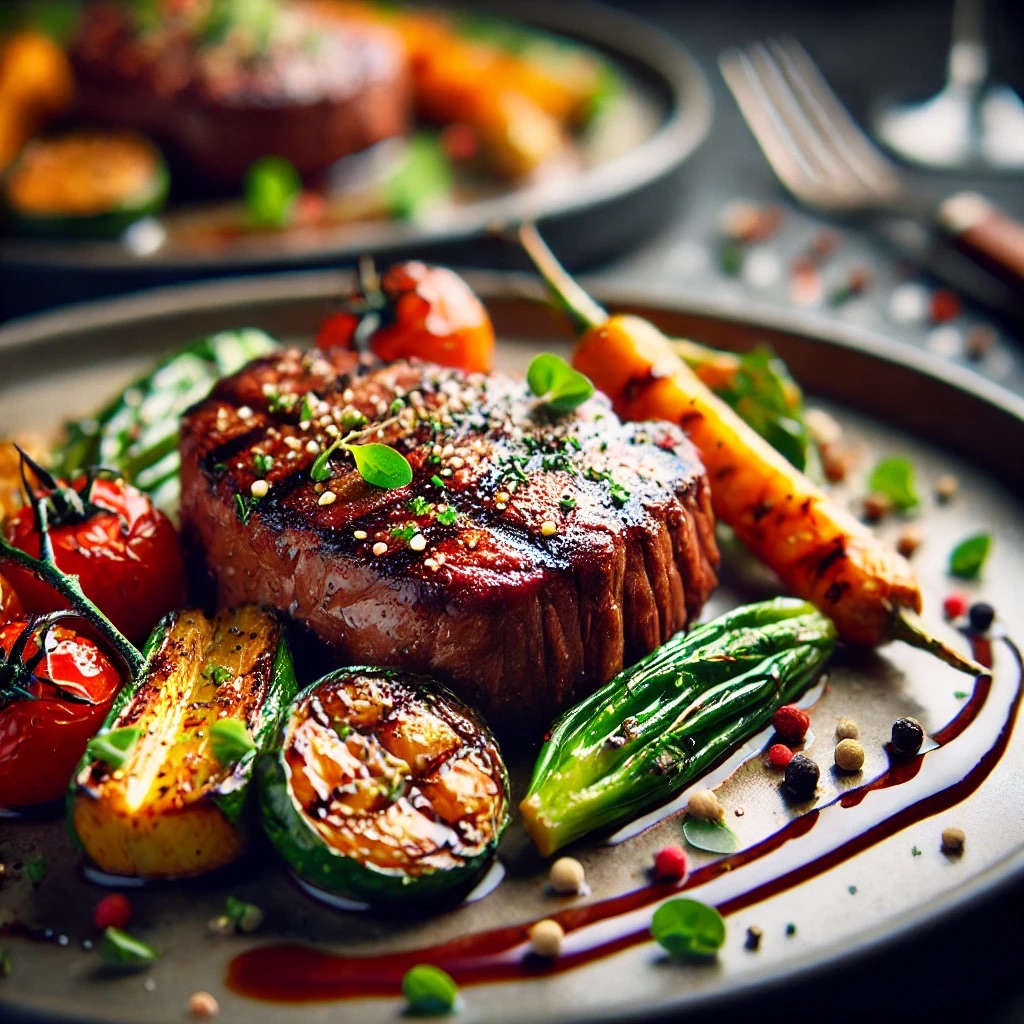
Welcome to the world of sous vide cooking! If you’ve heard the term but aren’t quite sure what it entails, this guide is here to demystify the process and help you get started with precision cooking. Sous vide, which translates to "under vacuum" in French, is a cooking technique that involves sealing food in airtight bags and cooking it in a water bath at a consistent temperature. This method allows for remarkable control over the cooking process, leading to perfectly cooked meals every time.
What is Sous Vide?
Sous vide is a method of cooking food slowly and evenly in a water bath. The food is placed in a vacuum-sealed bag, which helps retain moisture and flavor while preventing oxidation. By cooking at lower temperatures than traditional methods, sous vide allows for the best texture and taste of your food.
Why Choose Sous Vide?
- Precision: Sous vide allows you to cook food to the exact level of doneness you desire without overcooking.
- Consistency: Cooking with sous vide ensures that every piece of meat or vegetable is cooked evenly, resulting in a consistent texture and flavor.
- Convenience: You can prepare your food in advance, and it will be ready to serve when you are. Once the food is in the water bath, you can attend to other tasks with peace of mind.
- Enhanced flavors: The vacuum-sealing process locks in flavors and moisture, creating a more flavorful dish.
Getting Started with Sous Vide
Before diving into sous vide cooking, you’ll need a few essential tools:
Essential Equipment
- Sous Vide Immersion Circulator: This device heats the water to a precise temperature and circulates it to ensure even cooking.
- Vacuum Sealer: While not strictly necessary, a vacuum sealer is recommended for sealing food in bags. You can also use zip-top bags, but the vacuum sealer creates a tighter seal.
- Water Container: A large pot or dedicated sous vide container will hold the water bath. Ensure it’s deep enough to accommodate the immersion circulator.
- Digital Thermometer (optional): Useful for double-checking temperatures and ensuring food safety.
Basic Sous Vide Cooking Process
Here’s a step-by-step guide to getting started with sous vide cooking:
1. Prepare Your Food
Season your food as desired. You can use herbs, spices, marinades, or even butter. Place the food in the vacuum-sealed bag, ensuring that it’s flat and evenly distributed. If using a zip-top bag, remove as much air as possible before sealing.
2. Set Up Your Water Bath
Fill your pot or container with water and attach your immersion circulator. Set it to the desired cooking temperature. Different foods require different temperatures, so it’s essential to know what you’re cooking.
3. Cook Your Food
Once the water has reached the desired temperature, submerge the sealed bag in the water bath. Make sure the bag is fully submerged and doesn’t float. You can use weights or clips if necessary.
4. Finish and Serve
After the cooking time is complete, remove the bag from the water bath. Carefully open the bag, and you can either serve the food immediately or finish it with a quick sear in a hot skillet for added texture and flavor.
Cooking Times and Temperatures
Here are some general guidelines for cooking times and temperatures:
- Steak: 130°F (54°C) for medium-rare, cook for 1-4 hours.
- Chicken Breast: 140°F (60°C) for juicy, tender chicken, cook for 1-4 hours.
- Pork Chops: 140°F (60°C) for tender pork, cook for 1-4 hours.
- Vegetables: 183°F (84°C) for most vegetables, cook for 30-60 minutes.
These times can vary based on the thickness of the food, so it's always a good idea to refer to a detailed sous vide cooking guide.
Common Sous Vide Mistakes to Avoid
As a beginner, it’s natural to make some mistakes. Here are a few common ones to watch out for:
- Not Sealing Properly: Ensure your bags are sealed well to prevent water from entering and ruining your food.
- Cooking at Incorrect Temperatures: Always double-check your desired cooking temperature and ensure you set your immersion circulator correctly.
- Overcooking: While sous vide is forgiving, leaving food in the water bath too long can lead to unwanted textures.
- Skipping the Sear: Searing adds flavor and texture, so don’t skip this step unless you prefer your food straight from the water bath.
Advanced Techniques
Once you’re comfortable with the basics, you can explore advanced sous vide techniques such as:
- Infusing Flavors: Use sous vide to infuse oils, spirits, or even fruits with herbs and spices.
- Cooking Sous Vide with Sous Vide Eggs: Perfectly cooked eggs for breakfast or brunch.
- Batch Cooking: Prepare large quantities of food in advance for meal prep.
Conclusion
Sous vide cooking is an exciting and rewarding culinary technique that opens up a world of possibilities in the kitchen. With the ability to control temperature and cooking times precisely, you can achieve restaurant-quality meals at home with ease. Start with simple recipes, experiment, and enjoy the process of learning this innovative cooking method. Happy cooking!
Related articles
 Mastering the Art of Sautéing
Techniques and Tips
Mastering the Art of Sautéing
Techniques and Tips
 Sous Vide 101
A Beginner's Guide to Precision Cooking
Sous Vide 101
A Beginner's Guide to Precision Cooking
 The Science Behind Searing
Why Sautéing Works
The Science Behind Searing
Why Sautéing Works
 From Stovetop to Sous Vide
A Culinary Journey
From Stovetop to Sous Vide
A Culinary Journey
 Essential Culinary Techniques Every Home Chef Should Know
 The Perfect Pan
Choosing the Right Cookware for Sautéing
The Perfect Pan
Choosing the Right Cookware for Sautéing
 Sous Vide vs. Traditional Cooking
Pros and Cons
Sous Vide vs. Traditional Cooking
Pros and Cons
 Combining Techniques
Sautéing and Sous Vide for Flavorful Dishes
Combining Techniques
Sautéing and Sous Vide for Flavorful Dishes
 The Importance of Temperature Control in Culinary Techniques
 Unlocking the Flavors
Marinades for Sautéing and Sous Vide
Unlocking the Flavors
Marinades for Sautéing and Sous Vide
 Quick and Easy Sautéing Techniques for Busy Weeknights
 Sous Vide Cooking
The Future of Home Kitchens
Sous Vide Cooking
The Future of Home Kitchens
 The Art of Deglazing
Elevating Your Sautéed Dishes
The Art of Deglazing
Elevating Your Sautéed Dishes
 Exploring Flavor Profiles
Herbs and Spices for Sautéing
Exploring Flavor Profiles
Herbs and Spices for Sautéing
 Sous Vide Cooking Times
A Comprehensive Guide
Sous Vide Cooking Times
A Comprehensive Guide
 From Classic to Modern
The Evolution of Sautéing Techniques
From Classic to Modern
The Evolution of Sautéing Techniques
 Sautéing Vegetables
Tips for Perfect Texture and Flavor
Sautéing Vegetables
Tips for Perfect Texture and Flavor
 The Ultimate Guide to Sous Vide Equipment
What You Need
The Ultimate Guide to Sous Vide Equipment
What You Need
 Sautéing Proteins
Techniques for Perfectly Cooked Meats
Sautéing Proteins
Techniques for Perfectly Cooked Meats
 Sous Vide for Meal Prep
Convenience Meets Gourmet
Sous Vide for Meal Prep
Convenience Meets Gourmet
 The Role of Fat in Sautéing
Choosing the Right Oils
The Role of Fat in Sautéing
Choosing the Right Oils
 Advanced Sous Vide Techniques
Infusions and Beyond
Advanced Sous Vide Techniques
Infusions and Beyond
 Sautéing vs. Stir-Frying
Understanding the Differences
Sautéing vs. Stir-Frying
Understanding the Differences
 The Best Ingredients for Sous Vide Cooking
A Complete Guide
The Best Ingredients for Sous Vide Cooking
A Complete Guide
 Sautéing Fish
Techniques for Perfect Results
Sautéing Fish
Techniques for Perfect Results
 Sous Vide Desserts
Elevating Sweet Treats with Precision
Sous Vide Desserts
Elevating Sweet Treats with Precision
 Troubleshooting Common Sautéing Mistakes
 Sous Vide Cooking for Beginners
Essential Techniques
Sous Vide Cooking for Beginners
Essential Techniques
 Sautéing with Style
Plating Techniques to Impress
Sautéing with Style
Plating Techniques to Impress
 The Environmentally Friendly Chef
Sustainable Cooking Techniques
The Environmentally Friendly Chef
Sustainable Cooking Techniques
 Infusing Oils
A Flavorful Addition to Sautéing
Infusing Oils
A Flavorful Addition to Sautéing
 Sous Vide for Special Occasions
Creating Memorable Meals
Sous Vide for Special Occasions
Creating Memorable Meals
 The Importance of Resting
Techniques for Sautéed Meats
The Importance of Resting
Techniques for Sautéed Meats
 Sautéing Techniques from Around the World
Sous Vide Cooking
Health Benefits and Nutritional Value
Flavor Enhancements
Using Acids in Sautéed Dishes
Sautéing for Kids
Fun and Easy Recipes for Young Chefs
The Secrets of Great Sautéing
From Temperature to Timing
Sous Vide for Vegetarians
Unique Recipes and Techniques
How to Create a Sauté Base
The Foundation of Flavor
Sous Vide Cooking for the Busy Professional
Quick Gourmet Meals
Sautéing Techniques for Perfectly Cooked Eggs
The Future of Culinary Techniques
Trends in Sautéing and Sous Vide
Sautéing vs. Roasting
When to Use Each Technique
Sous Vide Cooking
A Guide to Flavor Infusion
Mise en Place
The Key to Successful Sautéing
Sous Vide Safety
Best Practices for Home Cooks
Sautéing in a Wok
Tips for Asian-inspired Dishes
Exploring Global Sautéing Techniques
A Culinary Adventure
The Benefits of Sous Vide Cooking
Why You Should Try It
Sautéing with Seasonal Ingredients
A Guide to Fresh Flavors
Categories