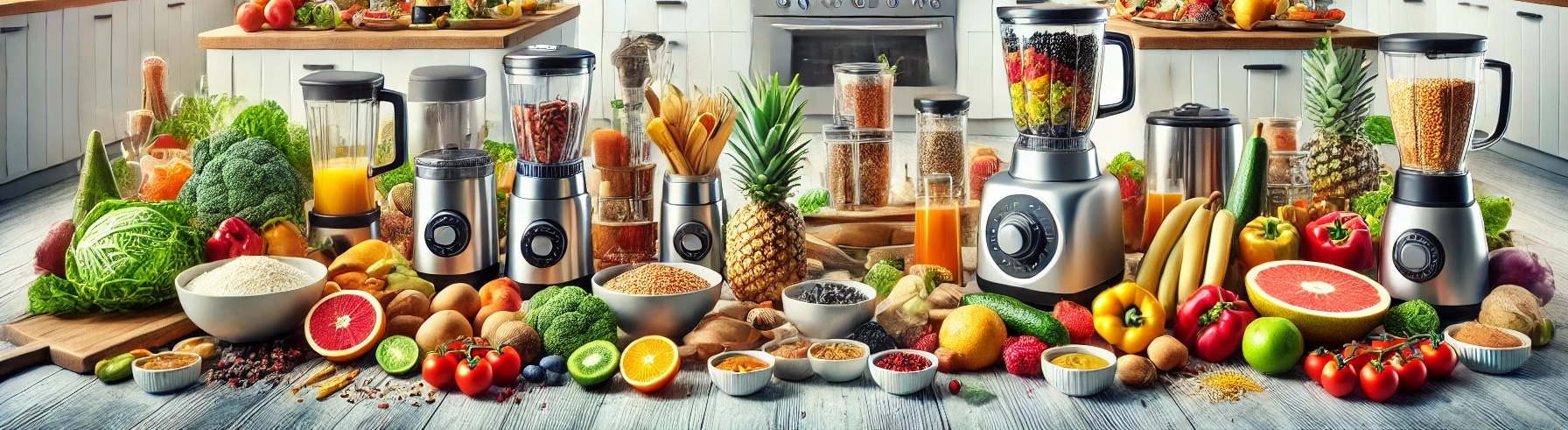
The art of cooking
AI CHEF Blog

From Stovetop to Sous Vide: A Culinary Journey

The art of cooking has evolved tremendously over the centuries, moving from primitive methods to sophisticated techniques that redefine how we prepare and enjoy food. Among these advancements, sous vide cooking stands out as a revolutionary method that has captured the attention of both home cooks and professional chefs alike. In this blog post, we will explore the journey from traditional stovetop cooking to the precision of sous vide, examining the techniques, benefits, and experiences that come with each method.
The Roots: Stovetop Cooking
Stovetop cooking is perhaps the most familiar method for many of us. Whether it’s sautéing vegetables, boiling pasta, or simmering a rich sauce, the stovetop has been a staple in kitchens around the world for generations. This method allows for quick adjustments in heat and offers a tactile connection to the cooking process.
One of the greatest advantages of stovetop cooking is the immediacy it provides. You can see, smell, and taste your food as it cooks, allowing for a hands-on approach that many find rewarding. However, this method also has its limitations. Temperature control can be challenging, especially for delicate dishes that require precise cooking times and temperatures.
The Emergence of Sous Vide
Enter sous vide, a French term that translates to "under vacuum." This cooking technique involves sealing food in a vacuum-sealed bag and immersing it in a water bath at a controlled temperature. It was developed in the 1970s but gained popularity in the culinary world in the 2000s, thanks in part to its adoption by high-end restaurants.
Sous vide cooking allows for unparalleled precision. By cooking food at a consistent temperature for an extended period, you can achieve results that are difficult to replicate with traditional methods. For instance, a steak cooked sous vide can reach the perfect doneness throughout, without the risk of overcooking or drying out.
Benefits of Sous Vide Cooking
There are several compelling reasons to embrace sous vide cooking:
- Precision: Sous vide allows you to set the exact temperature for cooking, ensuring perfect results every time.
- Flavor Retention: Cooking in a vacuum-sealed bag helps to retain moisture and flavor, resulting in a more succulent dish.
- Convenience: Once you set the temperature and time, you can walk away and focus on other tasks without the risk of burning your food.
- Consistency: Sous vide ensures that every piece of food is cooked uniformly, eliminating the guesswork.
- Versatility: This technique can be applied to a wide range of foods, from meats and vegetables to desserts.
Transitioning from Stovetop to Sous Vide
Making the transition from stovetop cooking to sous vide may seem daunting at first, but it can be a rewarding experience. Here are some tips to help you make the switch:
- Invest in Quality Equipment: A good immersion circulator is essential for sous vide cooking. There are many options available at various price points, so choose one that fits your budget and needs.
- Start Simple: Begin with straightforward recipes to familiarize yourself with the technique. Cooking a steak or chicken breast is a great way to start.
- Experiment with Timing: Sous vide cooking times can vary widely depending on the type of food and the desired doneness. Don’t be afraid to experiment to find what works best for you.
- Combine Techniques: You don’t have to abandon stovetop cooking altogether. Many chefs opt to sous vide their proteins and then finish them on the stovetop for a perfect sear.
Notable Sous Vide Recipes
To inspire you on your culinary journey, here are a few sous vide recipes that showcase the versatility of this cooking method:
Sous Vide Steak
1. Season your steak with salt, pepper, and any additional herbs or spices you prefer. 2. Place the steak in a vacuum-sealed bag and seal it. 3. Preheat your sous vide water bath to your desired temperature (e.g., 130°F for medium-rare). 4. Submerge the bag in the water bath and cook for 1-3 hours. 5. Remove the steak, pat it dry, and sear it in a hot pan for 1-2 minutes per side.Sous Vide Eggs
1. Preheat your sous vide water bath to 167°F. 2. Place eggs (in their shells) in the water bath and cook for 13 minutes. 3. Once cooked, remove the eggs and cool them in an ice bath. 4. Crack the eggs open to reveal perfectly soft-cooked yolks.Sous Vide Vegetables
1. Chop your vegetables (e.g., carrots, potatoes, or asparagus) and place them in a vacuum-sealed bag. 2. Season with salt, pepper, and olive oil. 3. Preheat your sous vide water bath to 183°F. 4. Cook for 45 minutes to 1 hour, depending on the type of vegetable. 5. Finish with a quick sauté for added flavor and texture.Conclusion: Embracing the Future of Cooking
The culinary journey from stovetop cooking to sous vide is not just about the techniques themselves; it’s about embracing the evolution of cooking and the possibilities it presents. As technology continues to advance, so too will our methods and understanding of how to create delicious, perfectly cooked meals.
Whether you’re a seasoned chef or a home cook, exploring sous vide can open up a world of culinary creativity. With practice, patience, and a willingness to experiment, you can elevate your cooking game and impress your family and friends with restaurant-quality dishes made right in your own kitchen.
So why not take the plunge? Invest in a sous vide machine, gather your ingredients, and embark on this exciting journey that bridges the gap between traditional and modern cooking methods. Your taste buds will thank you!
Related articles
 Mastering the Art of Sautéing
Techniques and Tips
Mastering the Art of Sautéing
Techniques and Tips
 Sous Vide 101
A Beginner's Guide to Precision Cooking
Sous Vide 101
A Beginner's Guide to Precision Cooking
 The Science Behind Searing
Why Sautéing Works
The Science Behind Searing
Why Sautéing Works
 From Stovetop to Sous Vide
A Culinary Journey
From Stovetop to Sous Vide
A Culinary Journey
 Essential Culinary Techniques Every Home Chef Should Know
 The Perfect Pan
Choosing the Right Cookware for Sautéing
The Perfect Pan
Choosing the Right Cookware for Sautéing
 Sous Vide vs. Traditional Cooking
Pros and Cons
Sous Vide vs. Traditional Cooking
Pros and Cons
 Combining Techniques
Sautéing and Sous Vide for Flavorful Dishes
Combining Techniques
Sautéing and Sous Vide for Flavorful Dishes
 The Importance of Temperature Control in Culinary Techniques
 Unlocking the Flavors
Marinades for Sautéing and Sous Vide
Unlocking the Flavors
Marinades for Sautéing and Sous Vide
 Quick and Easy Sautéing Techniques for Busy Weeknights
 Sous Vide Cooking
The Future of Home Kitchens
Sous Vide Cooking
The Future of Home Kitchens
 The Art of Deglazing
Elevating Your Sautéed Dishes
The Art of Deglazing
Elevating Your Sautéed Dishes
 Exploring Flavor Profiles
Herbs and Spices for Sautéing
Exploring Flavor Profiles
Herbs and Spices for Sautéing
 Sous Vide Cooking Times
A Comprehensive Guide
Sous Vide Cooking Times
A Comprehensive Guide
 From Classic to Modern
The Evolution of Sautéing Techniques
From Classic to Modern
The Evolution of Sautéing Techniques
 Sautéing Vegetables
Tips for Perfect Texture and Flavor
Sautéing Vegetables
Tips for Perfect Texture and Flavor
 The Ultimate Guide to Sous Vide Equipment
What You Need
The Ultimate Guide to Sous Vide Equipment
What You Need
 Sautéing Proteins
Techniques for Perfectly Cooked Meats
Sautéing Proteins
Techniques for Perfectly Cooked Meats
 Sous Vide for Meal Prep
Convenience Meets Gourmet
Sous Vide for Meal Prep
Convenience Meets Gourmet
 The Role of Fat in Sautéing
Choosing the Right Oils
The Role of Fat in Sautéing
Choosing the Right Oils
 Advanced Sous Vide Techniques
Infusions and Beyond
Advanced Sous Vide Techniques
Infusions and Beyond
 Sautéing vs. Stir-Frying
Understanding the Differences
Sautéing vs. Stir-Frying
Understanding the Differences
 The Best Ingredients for Sous Vide Cooking
A Complete Guide
The Best Ingredients for Sous Vide Cooking
A Complete Guide
 Sautéing Fish
Techniques for Perfect Results
Sautéing Fish
Techniques for Perfect Results
 Sous Vide Desserts
Elevating Sweet Treats with Precision
Sous Vide Desserts
Elevating Sweet Treats with Precision
 Troubleshooting Common Sautéing Mistakes
 Sous Vide Cooking for Beginners
Essential Techniques
Sous Vide Cooking for Beginners
Essential Techniques
 Sautéing with Style
Plating Techniques to Impress
Sautéing with Style
Plating Techniques to Impress
 The Environmentally Friendly Chef
Sustainable Cooking Techniques
The Environmentally Friendly Chef
Sustainable Cooking Techniques
 Infusing Oils
A Flavorful Addition to Sautéing
Infusing Oils
A Flavorful Addition to Sautéing
 Sous Vide for Special Occasions
Creating Memorable Meals
Sous Vide for Special Occasions
Creating Memorable Meals
 The Importance of Resting
Techniques for Sautéed Meats
The Importance of Resting
Techniques for Sautéed Meats
 Sautéing Techniques from Around the World
Sous Vide Cooking
Health Benefits and Nutritional Value
Flavor Enhancements
Using Acids in Sautéed Dishes
Sautéing for Kids
Fun and Easy Recipes for Young Chefs
The Secrets of Great Sautéing
From Temperature to Timing
Sous Vide for Vegetarians
Unique Recipes and Techniques
How to Create a Sauté Base
The Foundation of Flavor
Sous Vide Cooking for the Busy Professional
Quick Gourmet Meals
Sautéing Techniques for Perfectly Cooked Eggs
The Future of Culinary Techniques
Trends in Sautéing and Sous Vide
Sautéing vs. Roasting
When to Use Each Technique
Sous Vide Cooking
A Guide to Flavor Infusion
Mise en Place
The Key to Successful Sautéing
Sous Vide Safety
Best Practices for Home Cooks
Sautéing in a Wok
Tips for Asian-inspired Dishes
Exploring Global Sautéing Techniques
A Culinary Adventure
The Benefits of Sous Vide Cooking
Why You Should Try It
Sautéing with Seasonal Ingredients
A Guide to Fresh Flavors
Categories