The art of cooking
AI CHEF Blog

Essential Culinary Techniques Every Home Chef Should Know
Cooking at home can be a rewarding experience, allowing you to explore your creativity and enjoy delicious meals with family and friends. However, mastering the kitchen requires knowledge of essential culinary techniques that can elevate your cooking skills. In this blog post, we will discuss some fundamental techniques every home chef should know.
1. Knife Skills
Understanding how to properly use a knife is crucial for any home chef. Good knife skills not only enhance the presentation of your dishes but also improve efficiency in the kitchen. Here are some basic knife skills to practice:
- Chopping: Learn to chop vegetables into uniform sizes for even cooking.
- Slicing: Master the art of slicing meats and vegetables to achieve thin, even cuts.
- Dicing: Get comfortable dicing ingredients into small cubes for recipes like salsa or stir-fries.
- Mincing: Practice mincing garlic, herbs, and ginger for robust flavor in your dishes.
2. Sautéing
Sautéing is a quick cooking method that uses a small amount of fat in a shallow pan over relatively high heat. This technique helps to develop flavors and is perfect for cooking vegetables, meats, and seafood.
To sauté effectively:
- Start with a preheated pan and add oil or butter.
- Add your ingredients in small batches to avoid steaming.
- Stir frequently to ensure even cooking and prevent burning.
3. Roasting
Roasting is a dry heat cooking method that involves cooking food evenly in an oven. It’s ideal for proteins like chicken and beef, as well as vegetables.
Here’s how to roast:
- Preheat your oven to the desired temperature.
- Season your ingredients well and place them on a baking sheet or roasting pan.
- Make sure to monitor the cooking time and use a meat thermometer for proteins to ensure they reach a safe internal temperature.
4. Baking
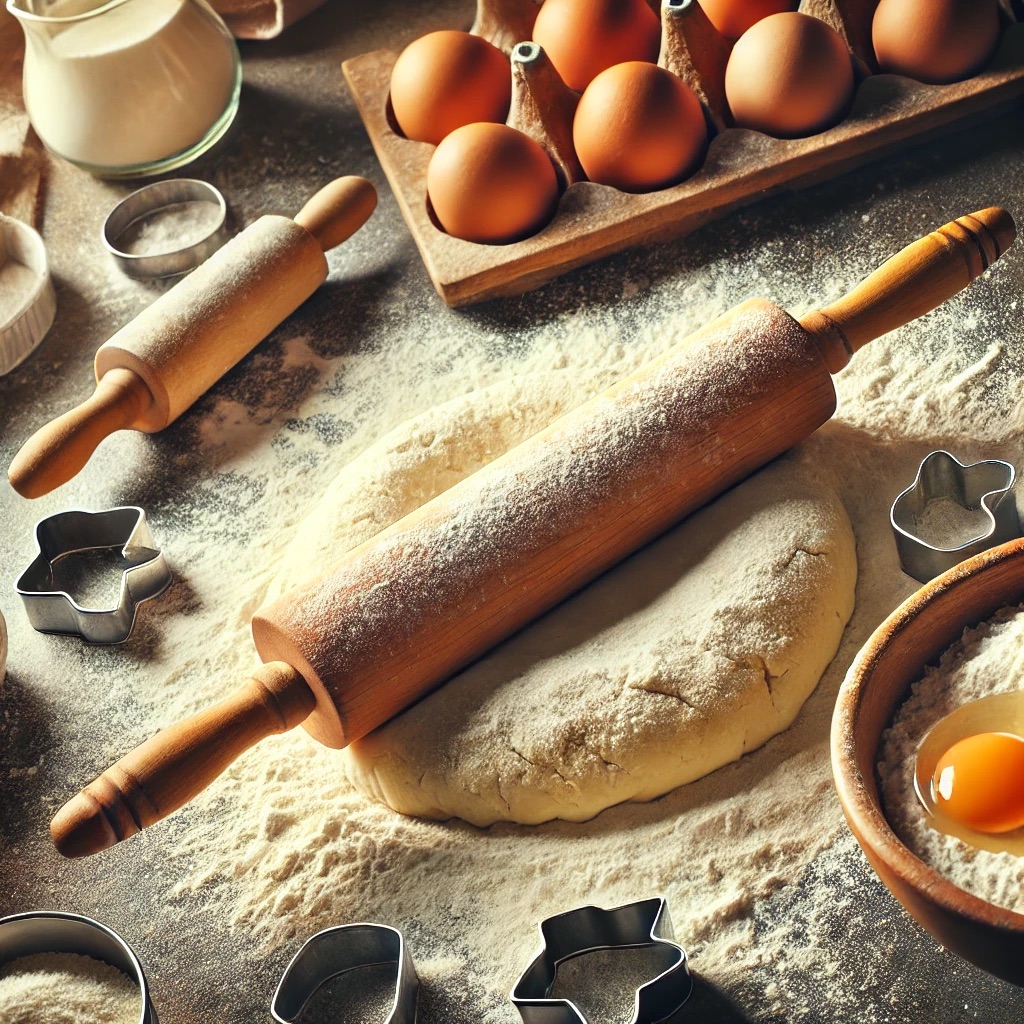
Baking is a science that involves precise measurements and techniques. From bread to pastries, understanding the basics of baking can expand your culinary repertoire.
Key baking techniques include:
- Measuring: Use a kitchen scale for accuracy, especially with dry ingredients.
- Mixing: Learn the differences between folding, whisking, and beating, as each method affects the final product.
- Temperature: Preheat your oven adequately and know how to adjust baking times for different oven types.
5. Grilling
Grilling adds a smoky flavor to your food and is a favorite cooking method for many home chefs. Whether using a gas or charcoal grill, mastering grilling techniques will enhance your outdoor cooking experience.
To grill successfully:
- Preheat the grill to the appropriate temperature.
- Oil the grill grates to prevent sticking.
- Learn how to manage heat zones for direct and indirect cooking.
6. Braising
Braising is a technique that combines both dry and wet cooking methods. You start by browning the food in fat and then slow-cooking it in liquid. This method is perfect for tougher cuts of meat, as it breaks down the collagen and results in tender, flavorful dishes.
Steps for braising:
- Brown your meat or vegetables in a heavy pot.
- Add aromatics (like onions and garlic) and spices.
- Pour in your braising liquid (broth, wine, etc.) and cover the pot.
- Cook low and slow until the food is tender.
7. Poaching
Poaching is a gentle cooking technique that involves simmering food in liquid. It’s a great way to cook delicate proteins like fish and eggs.
To poach effectively:
- Use a wide, shallow pan and fill it with enough liquid to cover the food.
- Bring the liquid to a gentle simmer, not a boil.
- Monitor the cooking time to prevent overcooking.
8. Blanching
Blanching is a technique used to partially cook vegetables in boiling water, followed by an ice bath to stop the cooking process. It helps preserve color, texture, and nutrients.
Steps for blanching:
- Bring a pot of salted water to a boil.
- Add your vegetables and cook for 1-3 minutes, depending on the type.
- Immediately transfer them to an ice bath to halt cooking.
9. Seasoning
Seasoning is an art that can make or break a dish. Understanding how to season properly will enhance the flavors of your cooking.
Tips for seasoning:
- Start with salt and pepper as your base.
- Experiment with herbs, spices, and acidic ingredients like lemon juice or vinegar.
- Taste as you go to find the right balance.
10. Plating
Presentation is key when it comes to serving your culinary creations. Proper plating can make your dish look more appetizing and professional.
Plating tips include:
- Use contrasting colors for visual appeal.
- Consider the arrangement of the food and use negative space.
- Add garnishes that complement the dish.
Conclusion
Mastering these essential culinary techniques will not only boost your confidence in the kitchen but also enhance your overall cooking experience. As you practice these methods, remember that cooking is a journey, and every meal is an opportunity to learn and grow. So, roll up your sleeves, grab your knife, and start experimenting with these techniques today!
Related articles
 Mastering the Art of Sautéing
Techniques and Tips
Mastering the Art of Sautéing
Techniques and Tips
 Sous Vide 101
A Beginner's Guide to Precision Cooking
Sous Vide 101
A Beginner's Guide to Precision Cooking
 The Science Behind Searing
Why Sautéing Works
The Science Behind Searing
Why Sautéing Works
 From Stovetop to Sous Vide
A Culinary Journey
From Stovetop to Sous Vide
A Culinary Journey
 Essential Culinary Techniques Every Home Chef Should Know
 The Perfect Pan
Choosing the Right Cookware for Sautéing
The Perfect Pan
Choosing the Right Cookware for Sautéing
 Sous Vide vs. Traditional Cooking
Pros and Cons
Sous Vide vs. Traditional Cooking
Pros and Cons
 Combining Techniques
Sautéing and Sous Vide for Flavorful Dishes
Combining Techniques
Sautéing and Sous Vide for Flavorful Dishes
 The Importance of Temperature Control in Culinary Techniques
 Unlocking the Flavors
Marinades for Sautéing and Sous Vide
Unlocking the Flavors
Marinades for Sautéing and Sous Vide
 Quick and Easy Sautéing Techniques for Busy Weeknights
 Sous Vide Cooking
The Future of Home Kitchens
Sous Vide Cooking
The Future of Home Kitchens
 The Art of Deglazing
Elevating Your Sautéed Dishes
The Art of Deglazing
Elevating Your Sautéed Dishes
 Exploring Flavor Profiles
Herbs and Spices for Sautéing
Exploring Flavor Profiles
Herbs and Spices for Sautéing
 Sous Vide Cooking Times
A Comprehensive Guide
Sous Vide Cooking Times
A Comprehensive Guide
 From Classic to Modern
The Evolution of Sautéing Techniques
From Classic to Modern
The Evolution of Sautéing Techniques
 Sautéing Vegetables
Tips for Perfect Texture and Flavor
Sautéing Vegetables
Tips for Perfect Texture and Flavor
 The Ultimate Guide to Sous Vide Equipment
What You Need
The Ultimate Guide to Sous Vide Equipment
What You Need
 Sautéing Proteins
Techniques for Perfectly Cooked Meats
Sautéing Proteins
Techniques for Perfectly Cooked Meats
 Sous Vide for Meal Prep
Convenience Meets Gourmet
Sous Vide for Meal Prep
Convenience Meets Gourmet
 The Role of Fat in Sautéing
Choosing the Right Oils
The Role of Fat in Sautéing
Choosing the Right Oils
 Advanced Sous Vide Techniques
Infusions and Beyond
Advanced Sous Vide Techniques
Infusions and Beyond
 Sautéing vs. Stir-Frying
Understanding the Differences
Sautéing vs. Stir-Frying
Understanding the Differences
 The Best Ingredients for Sous Vide Cooking
A Complete Guide
The Best Ingredients for Sous Vide Cooking
A Complete Guide
 Sautéing Fish
Techniques for Perfect Results
Sautéing Fish
Techniques for Perfect Results
 Sous Vide Desserts
Elevating Sweet Treats with Precision
Sous Vide Desserts
Elevating Sweet Treats with Precision
 Troubleshooting Common Sautéing Mistakes
 Sous Vide Cooking for Beginners
Essential Techniques
Sous Vide Cooking for Beginners
Essential Techniques
 Sautéing with Style
Plating Techniques to Impress
Sautéing with Style
Plating Techniques to Impress
 The Environmentally Friendly Chef
Sustainable Cooking Techniques
The Environmentally Friendly Chef
Sustainable Cooking Techniques
 Infusing Oils
A Flavorful Addition to Sautéing
Infusing Oils
A Flavorful Addition to Sautéing
 Sous Vide for Special Occasions
Creating Memorable Meals
Sous Vide for Special Occasions
Creating Memorable Meals
 The Importance of Resting
Techniques for Sautéed Meats
The Importance of Resting
Techniques for Sautéed Meats
 Sautéing Techniques from Around the World
Sous Vide Cooking
Health Benefits and Nutritional Value
Flavor Enhancements
Using Acids in Sautéed Dishes
Sautéing for Kids
Fun and Easy Recipes for Young Chefs
The Secrets of Great Sautéing
From Temperature to Timing
Sous Vide for Vegetarians
Unique Recipes and Techniques
How to Create a Sauté Base
The Foundation of Flavor
Sous Vide Cooking for the Busy Professional
Quick Gourmet Meals
Sautéing Techniques for Perfectly Cooked Eggs
The Future of Culinary Techniques
Trends in Sautéing and Sous Vide
Sautéing vs. Roasting
When to Use Each Technique
Sous Vide Cooking
A Guide to Flavor Infusion
Mise en Place
The Key to Successful Sautéing
Sous Vide Safety
Best Practices for Home Cooks
Sautéing in a Wok
Tips for Asian-inspired Dishes
Exploring Global Sautéing Techniques
A Culinary Adventure
The Benefits of Sous Vide Cooking
Why You Should Try It
Sautéing with Seasonal Ingredients
A Guide to Fresh Flavors
Categories