The art of cooking
AI CHEF Blog

The Perfect Pan: Choosing the Right Cookware for Sautéing
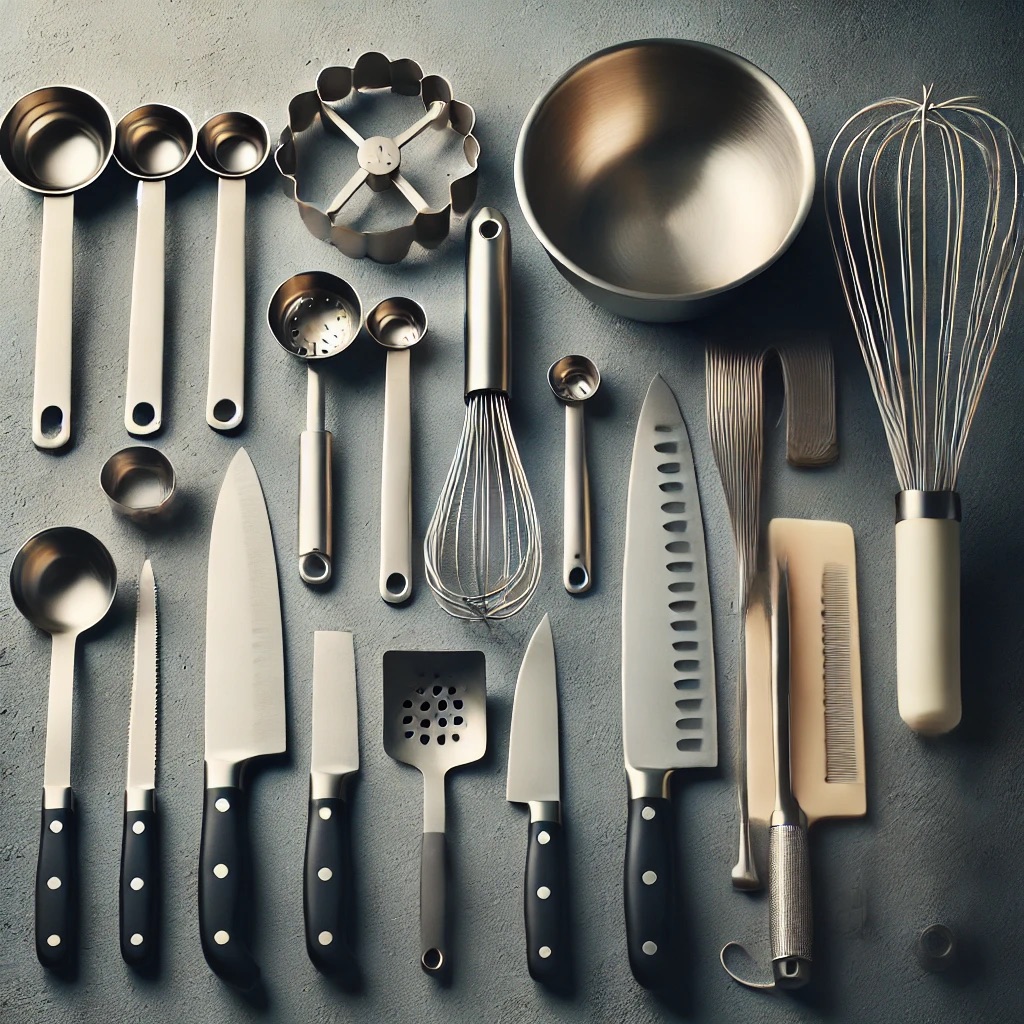
Sautéing is one of the most fundamental cooking techniques that every home cook should master. It involves cooking food quickly in a small amount of fat over relatively high heat, allowing for a delightful blend of flavors and textures. However, the key to successful sautéing lies not just in technique but also in the choice of cookware. With an overwhelming variety of pans available, how do you select the perfect one for sautéing? This blog post will guide you through the essential aspects of choosing the right sauté pan.
Understanding Sautéing
Before diving into the selection process, it’s essential to understand what sautéing entails. The term "sauté" comes from the French word meaning "to jump." This technique is characterized by the high heat that causes the food to cook quickly, allowing it to develop a beautiful brown color and retain its natural moisture.
Key Features of a Good Sauté Pan
To ensure your sautéing experience is successful, there are several key features to look for in a sauté pan:
- Material: The material of the pan affects heat distribution and retention. Common materials include stainless steel, non-stick, cast iron, and copper.
- Shape and Size: A wide, shallow design is preferred for sautéing to allow for maximum surface area. Size matters too; a 10-12 inch pan is usually sufficient for most home cooking needs.
- Handle: A sturdy, heat-resistant handle is crucial for easy maneuvering. Look for a pan with an ergonomic design that offers a comfortable grip.
- Weight: Heavier pans usually provide better heat retention and stability, whereas lightweight pans are easier to handle.
- Oven Safety: If you plan to transfer your sautéed dishes to the oven, ensure that the pan is oven-safe up to the desired temperature.
Material Matters
The choice of material is perhaps the most critical factor when selecting a sauté pan:
Stainless Steel
Stainless steel sauté pans are a favorite among professional chefs for their durability and non-reactive nature. They heat evenly and are excellent for browning food, making them ideal for sautéing. Look for pans with an aluminum or copper core for better heat conductivity.
Non-Stick
Non-stick pans are convenient for sautéing delicate foods like fish or eggs, as they prevent sticking and make cleanup a breeze. However, they may not achieve the same level of browning as stainless steel pans. Be cautious with high heat, as it can damage the non-stick coating.
Cast Iron
Cast iron pans are superb for sautéing due to their excellent heat retention and ability to reach high temperatures. They require seasoning to maintain their non-stick qualities, and they can be quite heavy. Once seasoned properly, they can become your go-to sauté pan for a lifetime.
Copper
Copper sauté pans are prized for their exceptional heat conductivity, allowing for precise temperature control. They often come with a stainless steel lining to prevent reactions with certain foods. However, they are usually more expensive and require regular polishing to maintain their appearance.
Choosing the Right Size
Size is another crucial consideration when selecting a sauté pan. A wider base allows for better evaporation of moisture and quicker cooking. For most home cooks, a pan size between 10 to 12 inches is ideal, as it provides enough space for a reasonable portion of food without overcrowding.
Handle and Weight Considerations
The handle of the sauté pan should be sturdy and heat-resistant, providing a comfortable grip while cooking. Look for pans with riveted handles for added durability. Additionally, weight plays a significant role in how manageable the pan will be. A heavier pan will be more stable on the stovetop, while a lighter one will be easier to lift and maneuver.
Oven-Safe Features
If you plan to finish your sautéed dishes in the oven, ensure that your pan is oven-safe. Most stainless steel and cast iron pans are suitable for oven use, while some non-stick pans may have limitations on temperature. Always check the manufacturer's guidelines to avoid damaging your cookware.
Maintenance and Care
How you care for your sauté pan can significantly impact its longevity and performance. Here are some maintenance tips based on the material:
- Stainless Steel: Clean with warm, soapy water and a non-abrasive sponge. Avoid steel wool to prevent scratches.
- Non-Stick: Use silicone or wooden utensils to prevent scratching. Hand wash instead of using the dishwasher to extend its life.
- Cast Iron: Season regularly and avoid soaking in water. Use a stiff brush for cleaning, and dry it immediately to prevent rust.
- Copper: Polish regularly to maintain its shine, and clean with a mixture of vinegar and salt to remove tarnish.
Conclusion
Choosing the perfect sauté pan can elevate your cooking experience and enhance the flavors of your dishes. By considering the material, size, handle, weight, and maintenance needs, you can select a sauté pan that suits your cooking style and preferences. Whether you opt for stainless steel, non-stick, cast iron, or copper, investing in a quality sauté pan will undoubtedly make sautéing a joy rather than a chore. Happy cooking!
Related articles
 Mastering the Art of Sautéing
Techniques and Tips
Mastering the Art of Sautéing
Techniques and Tips
 Sous Vide 101
A Beginner's Guide to Precision Cooking
Sous Vide 101
A Beginner's Guide to Precision Cooking
 The Science Behind Searing
Why Sautéing Works
The Science Behind Searing
Why Sautéing Works
 From Stovetop to Sous Vide
A Culinary Journey
From Stovetop to Sous Vide
A Culinary Journey
 Essential Culinary Techniques Every Home Chef Should Know
 The Perfect Pan
Choosing the Right Cookware for Sautéing
The Perfect Pan
Choosing the Right Cookware for Sautéing
 Sous Vide vs. Traditional Cooking
Pros and Cons
Sous Vide vs. Traditional Cooking
Pros and Cons
 Combining Techniques
Sautéing and Sous Vide for Flavorful Dishes
Combining Techniques
Sautéing and Sous Vide for Flavorful Dishes
 The Importance of Temperature Control in Culinary Techniques
 Unlocking the Flavors
Marinades for Sautéing and Sous Vide
Unlocking the Flavors
Marinades for Sautéing and Sous Vide
 Quick and Easy Sautéing Techniques for Busy Weeknights
 Sous Vide Cooking
The Future of Home Kitchens
Sous Vide Cooking
The Future of Home Kitchens
 The Art of Deglazing
Elevating Your Sautéed Dishes
The Art of Deglazing
Elevating Your Sautéed Dishes
 Exploring Flavor Profiles
Herbs and Spices for Sautéing
Exploring Flavor Profiles
Herbs and Spices for Sautéing
 Sous Vide Cooking Times
A Comprehensive Guide
Sous Vide Cooking Times
A Comprehensive Guide
 From Classic to Modern
The Evolution of Sautéing Techniques
From Classic to Modern
The Evolution of Sautéing Techniques
 Sautéing Vegetables
Tips for Perfect Texture and Flavor
Sautéing Vegetables
Tips for Perfect Texture and Flavor
 The Ultimate Guide to Sous Vide Equipment
What You Need
The Ultimate Guide to Sous Vide Equipment
What You Need
 Sautéing Proteins
Techniques for Perfectly Cooked Meats
Sautéing Proteins
Techniques for Perfectly Cooked Meats
 Sous Vide for Meal Prep
Convenience Meets Gourmet
Sous Vide for Meal Prep
Convenience Meets Gourmet
 The Role of Fat in Sautéing
Choosing the Right Oils
The Role of Fat in Sautéing
Choosing the Right Oils
 Advanced Sous Vide Techniques
Infusions and Beyond
Advanced Sous Vide Techniques
Infusions and Beyond
 Sautéing vs. Stir-Frying
Understanding the Differences
Sautéing vs. Stir-Frying
Understanding the Differences
 The Best Ingredients for Sous Vide Cooking
A Complete Guide
The Best Ingredients for Sous Vide Cooking
A Complete Guide
 Sautéing Fish
Techniques for Perfect Results
Sautéing Fish
Techniques for Perfect Results
 Sous Vide Desserts
Elevating Sweet Treats with Precision
Sous Vide Desserts
Elevating Sweet Treats with Precision
 Troubleshooting Common Sautéing Mistakes
 Sous Vide Cooking for Beginners
Essential Techniques
Sous Vide Cooking for Beginners
Essential Techniques
 Sautéing with Style
Plating Techniques to Impress
Sautéing with Style
Plating Techniques to Impress
 The Environmentally Friendly Chef
Sustainable Cooking Techniques
The Environmentally Friendly Chef
Sustainable Cooking Techniques
 Infusing Oils
A Flavorful Addition to Sautéing
Infusing Oils
A Flavorful Addition to Sautéing
 Sous Vide for Special Occasions
Creating Memorable Meals
Sous Vide for Special Occasions
Creating Memorable Meals
 The Importance of Resting
Techniques for Sautéed Meats
The Importance of Resting
Techniques for Sautéed Meats
 Sautéing Techniques from Around the World
Sous Vide Cooking
Health Benefits and Nutritional Value
Flavor Enhancements
Using Acids in Sautéed Dishes
Sautéing for Kids
Fun and Easy Recipes for Young Chefs
The Secrets of Great Sautéing
From Temperature to Timing
Sous Vide for Vegetarians
Unique Recipes and Techniques
How to Create a Sauté Base
The Foundation of Flavor
Sous Vide Cooking for the Busy Professional
Quick Gourmet Meals
Sautéing Techniques for Perfectly Cooked Eggs
The Future of Culinary Techniques
Trends in Sautéing and Sous Vide
Sautéing vs. Roasting
When to Use Each Technique
Sous Vide Cooking
A Guide to Flavor Infusion
Mise en Place
The Key to Successful Sautéing
Sous Vide Safety
Best Practices for Home Cooks
Sautéing in a Wok
Tips for Asian-inspired Dishes
Exploring Global Sautéing Techniques
A Culinary Adventure
The Benefits of Sous Vide Cooking
Why You Should Try It
Sautéing with Seasonal Ingredients
A Guide to Fresh Flavors
Categories