The art of cooking
AI CHEF Blog

Combining Techniques: Sautéing and Sous Vide for Flavorful Dishes
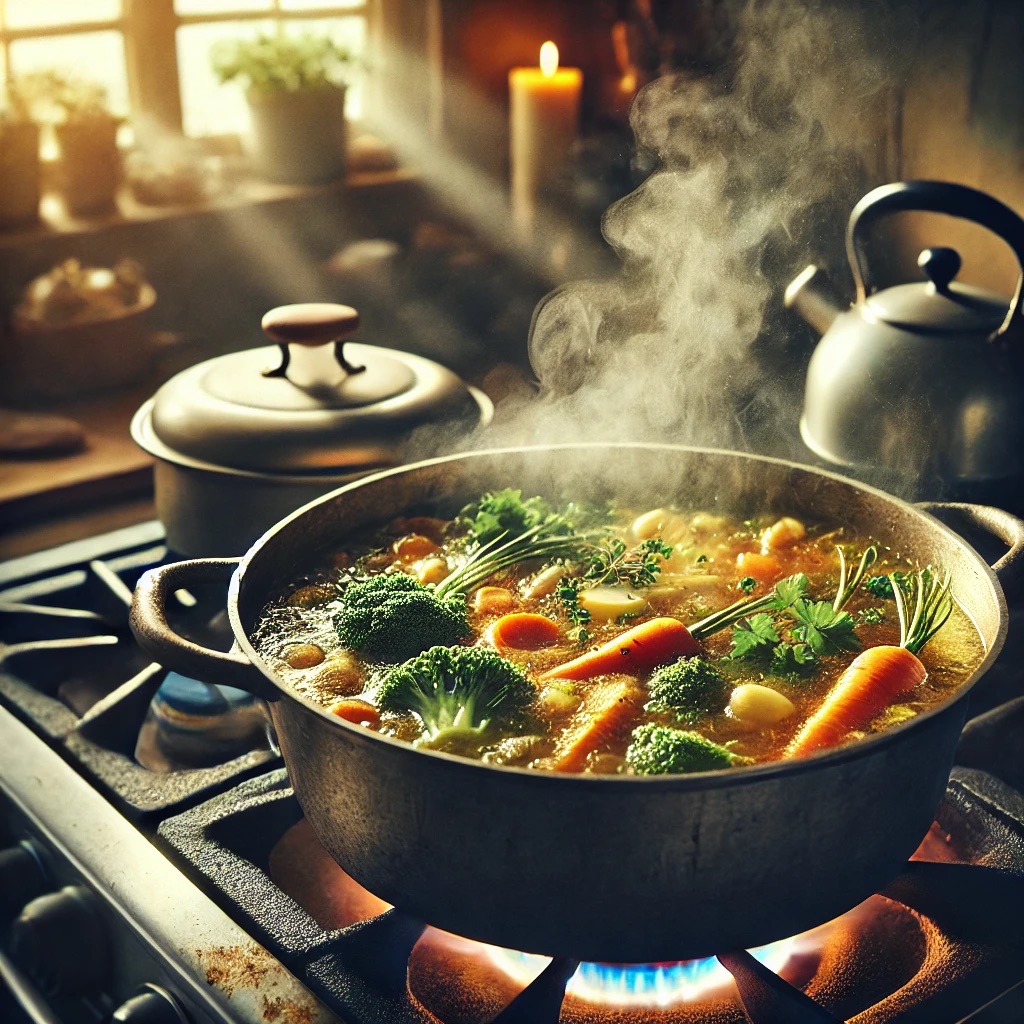
In the world of culinary arts, combining different cooking techniques can elevate a dish from ordinary to extraordinary. Two such techniques that work harmoniously together are sautéing and sous vide. Each method has its unique strengths, and when used in tandem, they can create flavorful, tender, and beautifully presented dishes. In this blog post, we will explore the benefits of these techniques, how to combine them effectively, and share some delicious recipes that highlight their synergy.
Understanding the Techniques
Sautéing
Sautéing is a cooking method that involves quickly cooking food in a small amount of fat over relatively high heat. This technique is perfect for enhancing the flavors and textures of various ingredients, especially vegetables and proteins. The high heat caramelizes the sugars in the food, creating a beautiful golden-brown crust while keeping the inside tender and juicy. Many chefs appreciate sautéing for its speed and the ability to develop complex flavors through browning.
Sous Vide
Sous vide, which means 'under vacuum' in French, is a method of cooking that involves sealing food in a vacuum-sealed bag and immersing it in a water bath at a precisely controlled temperature. This technique allows for even cooking, ensuring that the food retains its moisture and flavor. Sous vide is particularly valued for its ability to cook proteins to the perfect level of doneness, resulting in incredibly tender and juicy meats, fish, and vegetables.
The Benefits of Combining Sautéing and Sous Vide
While both sautéing and sous vide can be used independently to create delicious meals, combining these two techniques can yield remarkable results:
- Flavor Enhancement: Sautéing after sous vide can add a rich, caramelized flavor to the dish, enhancing the overall taste profile.
- Perfect Texture: Sous vide ensures that proteins are cooked evenly and remain juicy, while sautéing provides a pleasing contrast with a crispy exterior.
- Time Efficiency: Sous vide may take longer initially, but once the food is cooked, a quick sauté can finish the dish in minutes, making it suitable for weeknight dinners.
- Versatility: This combination can be applied to a wide range of ingredients, from meats to vegetables, allowing for creativity in the kitchen.
How to Combine Sautéing and Sous Vide
Combining sautéing and sous vide is a straightforward process. Here’s a step-by-step guide:
- Prepare the Ingredients: Season your proteins or vegetables as desired. For meats, consider using marinades or dry rubs that complement the final dish.
- Sous Vide Cooking: Vacuum seal the seasoned ingredients in bags and immerse them in a preheated water bath. Cook for the recommended time based on the type and thickness of the protein or vegetable.
- Heat the Sauté Pan: Once the sous vide cooking is complete, remove the bags from the water bath and carefully take out the food. Pat it dry with paper towels to ensure it sears well. Heat a skillet over medium-high heat and add a small amount of oil or butter.
- Sauté: Add the sous vide cooked food to the pan. Sauté for a few minutes until a golden-brown crust forms. This step adds flavor and texture to the dish.
- Serve: Plate the sautéed food and enjoy your beautifully cooked and flavorful dish!
Delicious Recipes to Try
1. Sous Vide Steak with Garlic Herb Butter Sauté
Ingredients:
- 1 ribeye steak (1-1.5 inches thick)
- Salt and pepper to taste
- 3 cloves garlic, minced
- 2 tablespoons unsalted butter
- Fresh herbs (rosemary, thyme, or parsley)
Instructions:
- Season the steak generously with salt and pepper. Vacuum seal it in a bag.
- Sous vide the steak at 129°F (54°C) for 1-3 hours (1 hour for rare, 2 for medium-rare).
- Once cooked, remove the steak from the bag and pat it dry.
- In a skillet, melt the butter over medium heat. Add minced garlic and herbs, sautéing for 1-2 minutes until fragrant.
- Add the steak to the skillet and sear for about 1-2 minutes on each side until a crust forms.
- Serve the steak with the garlic herb butter spooned over the top.
2. Sous Vide Carrots with Honey Glaze Sauté
Ingredients:
- 4 large carrots, peeled and cut into sticks
- Salt and pepper to taste
- 2 tablespoons honey
- 1 tablespoon olive oil
- Fresh thyme for garnish
Instructions:
- Season the carrot sticks with salt and pepper and vacuum seal them in a bag.
- Sous vide the carrots at 183°F (84°C) for 1 hour.
- Once cooked, remove the carrots from the bag and pat them dry.
- In a skillet, heat olive oil over medium heat. Add the carrots and drizzle with honey.
- Sauté for 3-5 minutes until caramelized and heated through.
- Garnish with fresh thyme and serve as a delicious side dish.
Tips for Success
- Don’t Overcrowd the Pan: When sautéing, avoid overcrowding the pan to ensure even cooking and browning.
- Use High Smoke Point Oils: For sautéing, choose oils with high smoke points, like avocado oil or grapeseed oil, to avoid burning.
- Experiment with Flavors: Don’t hesitate to try different seasonings, marinades, or sauces to enhance your dishes further.
Conclusion
Combining sautéing and sous vide is a fantastic way to create flavorful and visually appealing dishes. By leveraging the strengths of both techniques, you can achieve perfectly cooked proteins and vibrant, caramelized vegetables that are sure to impress your family and friends. Whether you’re hosting a dinner party or preparing a weeknight meal, these methods will help you elevate your cooking game. So, gather your ingredients, fire up your sous vide machine, and get ready to sauté your way to culinary success!
Related articles
 Mastering the Art of Sautéing
Techniques and Tips
Mastering the Art of Sautéing
Techniques and Tips
 Sous Vide 101
A Beginner's Guide to Precision Cooking
Sous Vide 101
A Beginner's Guide to Precision Cooking
 The Science Behind Searing
Why Sautéing Works
The Science Behind Searing
Why Sautéing Works
 From Stovetop to Sous Vide
A Culinary Journey
From Stovetop to Sous Vide
A Culinary Journey
 Essential Culinary Techniques Every Home Chef Should Know
 The Perfect Pan
Choosing the Right Cookware for Sautéing
The Perfect Pan
Choosing the Right Cookware for Sautéing
 Sous Vide vs. Traditional Cooking
Pros and Cons
Sous Vide vs. Traditional Cooking
Pros and Cons
 Combining Techniques
Sautéing and Sous Vide for Flavorful Dishes
Combining Techniques
Sautéing and Sous Vide for Flavorful Dishes
 The Importance of Temperature Control in Culinary Techniques
 Unlocking the Flavors
Marinades for Sautéing and Sous Vide
Unlocking the Flavors
Marinades for Sautéing and Sous Vide
 Quick and Easy Sautéing Techniques for Busy Weeknights
 Sous Vide Cooking
The Future of Home Kitchens
Sous Vide Cooking
The Future of Home Kitchens
 The Art of Deglazing
Elevating Your Sautéed Dishes
The Art of Deglazing
Elevating Your Sautéed Dishes
 Exploring Flavor Profiles
Herbs and Spices for Sautéing
Exploring Flavor Profiles
Herbs and Spices for Sautéing
 Sous Vide Cooking Times
A Comprehensive Guide
Sous Vide Cooking Times
A Comprehensive Guide
 From Classic to Modern
The Evolution of Sautéing Techniques
From Classic to Modern
The Evolution of Sautéing Techniques
 Sautéing Vegetables
Tips for Perfect Texture and Flavor
Sautéing Vegetables
Tips for Perfect Texture and Flavor
 The Ultimate Guide to Sous Vide Equipment
What You Need
The Ultimate Guide to Sous Vide Equipment
What You Need
 Sautéing Proteins
Techniques for Perfectly Cooked Meats
Sautéing Proteins
Techniques for Perfectly Cooked Meats
 Sous Vide for Meal Prep
Convenience Meets Gourmet
Sous Vide for Meal Prep
Convenience Meets Gourmet
 The Role of Fat in Sautéing
Choosing the Right Oils
The Role of Fat in Sautéing
Choosing the Right Oils
 Advanced Sous Vide Techniques
Infusions and Beyond
Advanced Sous Vide Techniques
Infusions and Beyond
 Sautéing vs. Stir-Frying
Understanding the Differences
Sautéing vs. Stir-Frying
Understanding the Differences
 The Best Ingredients for Sous Vide Cooking
A Complete Guide
The Best Ingredients for Sous Vide Cooking
A Complete Guide
 Sautéing Fish
Techniques for Perfect Results
Sautéing Fish
Techniques for Perfect Results
 Sous Vide Desserts
Elevating Sweet Treats with Precision
Sous Vide Desserts
Elevating Sweet Treats with Precision
 Troubleshooting Common Sautéing Mistakes
 Sous Vide Cooking for Beginners
Essential Techniques
Sous Vide Cooking for Beginners
Essential Techniques
 Sautéing with Style
Plating Techniques to Impress
Sautéing with Style
Plating Techniques to Impress
 The Environmentally Friendly Chef
Sustainable Cooking Techniques
The Environmentally Friendly Chef
Sustainable Cooking Techniques
 Infusing Oils
A Flavorful Addition to Sautéing
Infusing Oils
A Flavorful Addition to Sautéing
 Sous Vide for Special Occasions
Creating Memorable Meals
Sous Vide for Special Occasions
Creating Memorable Meals
 The Importance of Resting
Techniques for Sautéed Meats
The Importance of Resting
Techniques for Sautéed Meats
 Sautéing Techniques from Around the World
Sous Vide Cooking
Health Benefits and Nutritional Value
Flavor Enhancements
Using Acids in Sautéed Dishes
Sautéing for Kids
Fun and Easy Recipes for Young Chefs
The Secrets of Great Sautéing
From Temperature to Timing
Sous Vide for Vegetarians
Unique Recipes and Techniques
How to Create a Sauté Base
The Foundation of Flavor
Sous Vide Cooking for the Busy Professional
Quick Gourmet Meals
Sautéing Techniques for Perfectly Cooked Eggs
The Future of Culinary Techniques
Trends in Sautéing and Sous Vide
Sautéing vs. Roasting
When to Use Each Technique
Sous Vide Cooking
A Guide to Flavor Infusion
Mise en Place
The Key to Successful Sautéing
Sous Vide Safety
Best Practices for Home Cooks
Sautéing in a Wok
Tips for Asian-inspired Dishes
Exploring Global Sautéing Techniques
A Culinary Adventure
The Benefits of Sous Vide Cooking
Why You Should Try It
Sautéing with Seasonal Ingredients
A Guide to Fresh Flavors
Categories