The art of cooking
AI CHEF Blog

Unlocking the Flavors: Marinades for Sautéing and Sous Vide
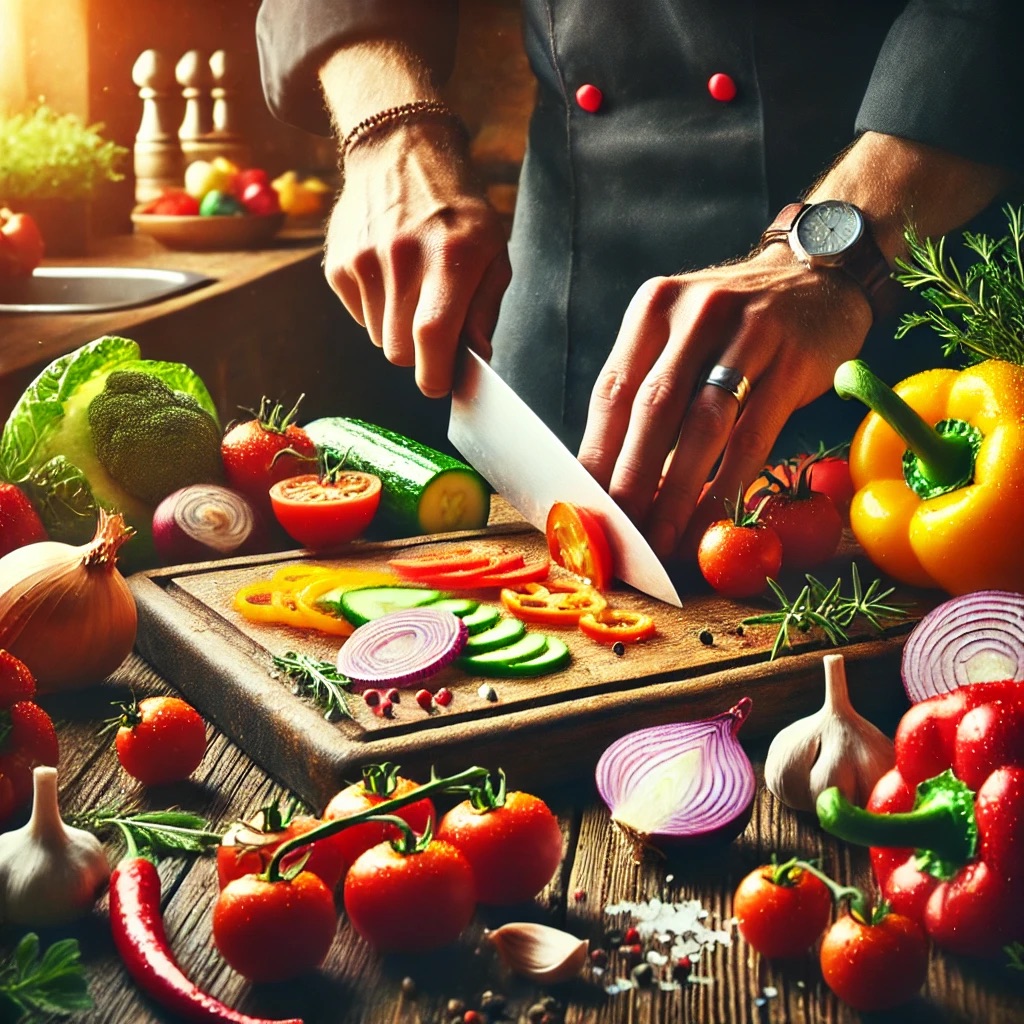
Marinades are an essential part of any cook's arsenal, acting as a flavor booster that can elevate the taste of various proteins and vegetables. Whether you’re sautéing on the stovetop or using the sous vide technique, the right marinade can transform an ordinary dish into an extraordinary one. In this blog post, we’ll explore the art of marinades, the science behind them, and how to use them effectively for sautéing and sous vide cooking.
What is a Marinade?
A marinade is a seasoned liquid mixture that is used to flavor and tenderize food before cooking. Typically, marinades consist of three key components:
- Acid: Common acids include vinegar, citrus juice, and wine. They help to tenderize proteins by breaking down tough muscle fibers.
- Oil: Oil helps to infuse flavors and maintain moisture during the cooking process. It also aids in the absorption of fat-soluble vitamins.
- Flavorings: These can include herbs, spices, garlic, onions, and other seasonings that impart distinct flavors to the dish.
The Science Behind Marinades
Marinating food isn’t just about flavor; it also involves chemistry. The acid in a marinade begins to break down the protein structure of meat, which can help to make it more tender. However, the marinating process doesn’t happen instantly. For effective results, marinating times can vary based on the type of protein:
- Poultry: 30 minutes to 4 hours
- Beef: 1 to 24 hours
- Pork: 1 to 12 hours
- Fish and Seafood: 15 minutes to 1 hour
It’s important to note that marinating for too long, especially with highly acidic marinades, can lead to a mushy texture. Always keep an eye on the recommended marinating times for the best results.
Marinades for Sautéing
Sautéing is a quick cooking method where food is cooked in a small amount of oil over relatively high heat. When sautéing, marinades can enhance the flavor profile of the dish without overpowering the main ingredient.
1. Garlic and Herb Marinade
This simple marinade is perfect for chicken, fish, or vegetables. To make it, combine:
- 3 cloves garlic, minced
- 1 tablespoon fresh rosemary, chopped
- 1 tablespoon fresh thyme, chopped
- Juice of 1 lemon
- 1/4 cup olive oil
- Salt and pepper to taste
Let your protein or vegetables marinate for 30 minutes, then sauté in a hot pan until cooked through.
2. Spicy Soy Marinade
This Asian-inspired marinade works wonders with beef or chicken. Combine:
- 1/4 cup soy sauce
- 2 tablespoons sesame oil
- 1 tablespoon sriracha (or more for extra heat)
- 1 tablespoon honey
- 1 tablespoon minced ginger
- 2 green onions, chopped
Marinate for 1 to 2 hours, then sauté for a quick and flavorful meal.
Marinades for Sous Vide
Sous vide is a cooking method that involves vacuum-sealing food in a bag and immersing it in a water bath at a precise temperature. This method allows for even cooking and retains moisture, making it ideal for tender cuts of meat. Marinades can add incredible depth of flavor when cooking sous vide.
1. Citrus and Cilantro Marinade
This vibrant marinade is great for chicken or fish. To prepare, mix:
- Juice and zest of 2 limes
- 1 orange, juiced
- 1/4 cup chopped cilantro
- 2 tablespoons olive oil
- 1 teaspoon cumin
- Salt and pepper to taste
Seal the marinated protein in a vacuum bag and sous vide at 140°F (60°C) for 1 to 2 hours.
2. Red Wine and Rosemary Marinade
A rich marinade perfect for steak. Combine:
- 1 cup red wine
- 2 tablespoons balsamic vinegar
- 3 sprigs fresh rosemary
- 4 garlic cloves, smashed
- Salt and pepper to taste
Marinate your steak for 4 to 24 hours, then sous vide at 130°F (54°C) for 1 to 4 hours for a perfectly cooked steak.
Tips for Effective Marinading
To maximize the benefits of marinades, keep the following tips in mind:
- Use Fresh Ingredients: Fresh herbs and spices provide the best flavor. Dried spices can be used but may require different quantities.
- Don’t Overcrowd: Ensure that the food is in a single layer in the marinade for even flavor absorption.
- Use Safe Practices: Always marinate in the refrigerator to prevent bacterial growth. Discard any leftover marinade that has been in contact with raw meat.
- Experiment: Don’t be afraid to try different combinations of ingredients to discover new flavor profiles.
Conclusion
Marinades are a powerful tool in the kitchen, especially when it comes to sautéing and sous vide cooking. By understanding the components, science, and techniques of marinating, you can unlock an array of flavors and take your cooking to the next level. Whether you choose a zesty citrus blend or a robust red wine marinade, the possibilities are endless. So grab your ingredients, get creative, and enjoy the delicious results!
Related articles
 Mastering the Art of Sautéing
Techniques and Tips
Mastering the Art of Sautéing
Techniques and Tips
 Sous Vide 101
A Beginner's Guide to Precision Cooking
Sous Vide 101
A Beginner's Guide to Precision Cooking
 The Science Behind Searing
Why Sautéing Works
The Science Behind Searing
Why Sautéing Works
 From Stovetop to Sous Vide
A Culinary Journey
From Stovetop to Sous Vide
A Culinary Journey
 Essential Culinary Techniques Every Home Chef Should Know
 The Perfect Pan
Choosing the Right Cookware for Sautéing
The Perfect Pan
Choosing the Right Cookware for Sautéing
 Sous Vide vs. Traditional Cooking
Pros and Cons
Sous Vide vs. Traditional Cooking
Pros and Cons
 Combining Techniques
Sautéing and Sous Vide for Flavorful Dishes
Combining Techniques
Sautéing and Sous Vide for Flavorful Dishes
 The Importance of Temperature Control in Culinary Techniques
 Unlocking the Flavors
Marinades for Sautéing and Sous Vide
Unlocking the Flavors
Marinades for Sautéing and Sous Vide
 Quick and Easy Sautéing Techniques for Busy Weeknights
 Sous Vide Cooking
The Future of Home Kitchens
Sous Vide Cooking
The Future of Home Kitchens
 The Art of Deglazing
Elevating Your Sautéed Dishes
The Art of Deglazing
Elevating Your Sautéed Dishes
 Exploring Flavor Profiles
Herbs and Spices for Sautéing
Exploring Flavor Profiles
Herbs and Spices for Sautéing
 Sous Vide Cooking Times
A Comprehensive Guide
Sous Vide Cooking Times
A Comprehensive Guide
 From Classic to Modern
The Evolution of Sautéing Techniques
From Classic to Modern
The Evolution of Sautéing Techniques
 Sautéing Vegetables
Tips for Perfect Texture and Flavor
Sautéing Vegetables
Tips for Perfect Texture and Flavor
 The Ultimate Guide to Sous Vide Equipment
What You Need
The Ultimate Guide to Sous Vide Equipment
What You Need
 Sautéing Proteins
Techniques for Perfectly Cooked Meats
Sautéing Proteins
Techniques for Perfectly Cooked Meats
 Sous Vide for Meal Prep
Convenience Meets Gourmet
Sous Vide for Meal Prep
Convenience Meets Gourmet
 The Role of Fat in Sautéing
Choosing the Right Oils
The Role of Fat in Sautéing
Choosing the Right Oils
 Advanced Sous Vide Techniques
Infusions and Beyond
Advanced Sous Vide Techniques
Infusions and Beyond
 Sautéing vs. Stir-Frying
Understanding the Differences
Sautéing vs. Stir-Frying
Understanding the Differences
 The Best Ingredients for Sous Vide Cooking
A Complete Guide
The Best Ingredients for Sous Vide Cooking
A Complete Guide
 Sautéing Fish
Techniques for Perfect Results
Sautéing Fish
Techniques for Perfect Results
 Sous Vide Desserts
Elevating Sweet Treats with Precision
Sous Vide Desserts
Elevating Sweet Treats with Precision
 Troubleshooting Common Sautéing Mistakes
 Sous Vide Cooking for Beginners
Essential Techniques
Sous Vide Cooking for Beginners
Essential Techniques
 Sautéing with Style
Plating Techniques to Impress
Sautéing with Style
Plating Techniques to Impress
 The Environmentally Friendly Chef
Sustainable Cooking Techniques
The Environmentally Friendly Chef
Sustainable Cooking Techniques
 Infusing Oils
A Flavorful Addition to Sautéing
Infusing Oils
A Flavorful Addition to Sautéing
 Sous Vide for Special Occasions
Creating Memorable Meals
Sous Vide for Special Occasions
Creating Memorable Meals
 The Importance of Resting
Techniques for Sautéed Meats
The Importance of Resting
Techniques for Sautéed Meats
 Sautéing Techniques from Around the World
Sous Vide Cooking
Health Benefits and Nutritional Value
Flavor Enhancements
Using Acids in Sautéed Dishes
Sautéing for Kids
Fun and Easy Recipes for Young Chefs
The Secrets of Great Sautéing
From Temperature to Timing
Sous Vide for Vegetarians
Unique Recipes and Techniques
How to Create a Sauté Base
The Foundation of Flavor
Sous Vide Cooking for the Busy Professional
Quick Gourmet Meals
Sautéing Techniques for Perfectly Cooked Eggs
The Future of Culinary Techniques
Trends in Sautéing and Sous Vide
Sautéing vs. Roasting
When to Use Each Technique
Sous Vide Cooking
A Guide to Flavor Infusion
Mise en Place
The Key to Successful Sautéing
Sous Vide Safety
Best Practices for Home Cooks
Sautéing in a Wok
Tips for Asian-inspired Dishes
Exploring Global Sautéing Techniques
A Culinary Adventure
The Benefits of Sous Vide Cooking
Why You Should Try It
Sautéing with Seasonal Ingredients
A Guide to Fresh Flavors
Categories