The art of cooking
AI CHEF Blog

Quick and Easy Sautéing Techniques for Busy Weeknights
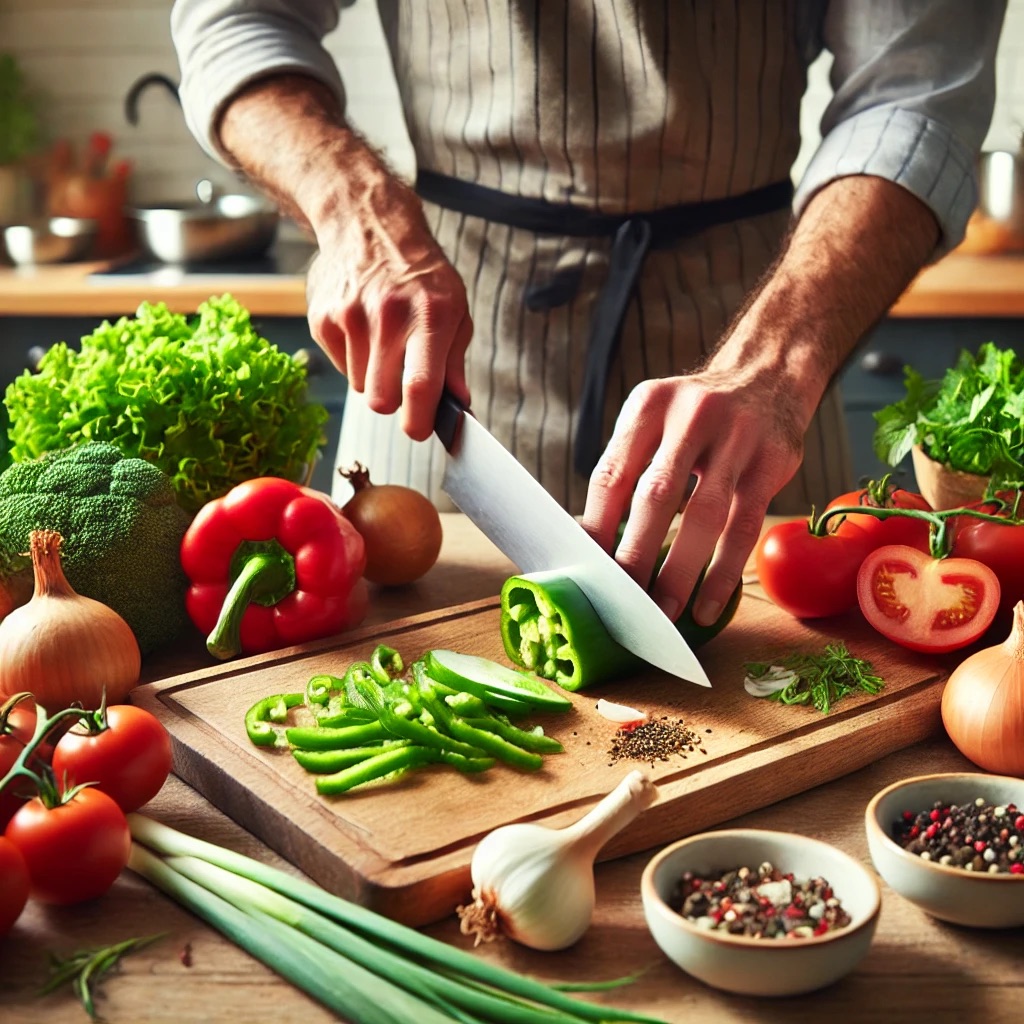
After a long day at work or juggling family commitments, the thought of preparing a homemade meal can feel overwhelming. However, with the right techniques and a few simple ingredients, you can whip up delicious meals in no time. One of the best methods for achieving this is sautéing. In this blog post, we’ll explore some quick and easy sautéing techniques that will make your weeknight dinners a breeze.
What is Sautéing?
Sautéing is a cooking method that involves cooking food quickly in a small amount of fat over relatively high heat. The primary goal is to enhance the flavors of the ingredients while retaining their texture and nutrition. It’s a versatile technique that works well for vegetables, proteins, and even grains.
Essential Tools for Sautéing
Before we dive into the techniques, let’s review some essential tools you’ll need for sautéing:
- Non-stick skillet or sauté pan: A good-quality non-stick skillet allows for easy food release and quick cleanup.
- Spatula or wooden spoon: These tools are perfect for stirring and flipping ingredients without scratching your pan.
- Knife and cutting board: A sharp knife and a sturdy cutting board are crucial for prepping your ingredients efficiently.
- Measuring spoons: For accurate measurements of oils and spices.
Quick Prep: The Key to Speedy Sautéing
To make sautéing quick and easy, preparation is key. Here are some tips to help you prep efficiently:
- Chop Ahead: Spend a little time on the weekend or during your free time to chop vegetables and proteins in advance. Store them in airtight containers in the fridge for easy access during the week.
- Use Pre-packaged Ingredients: Don’t hesitate to use pre-chopped vegetables, frozen veggies, or pre-marinated proteins. These can significantly cut down on prep time.
- Keep It Simple: Choose recipes with fewer ingredients. A few fresh vegetables and a protein source can create a satisfying meal.
Mastering the Sautéing Technique
Once you have your ingredients ready, it’s time to master the sautéing technique. Follow these steps for perfect sautéing every time:
- Heat the Pan: Start by heating your sauté pan over medium to medium-high heat. This is crucial for achieving the desired sear on your ingredients.
- Add Oil: Once the pan is hot, add a small amount of oil (about 1-2 tablespoons). Use oils with high smoke points like olive oil, canola oil, or avocado oil.
- Test the Heat: To check if the oil is ready, you can drop in a small piece of food. If it sizzles immediately, it’s time to add the rest of your ingredients.
- Add Ingredients in Batches: If you have a lot of ingredients, add them in batches to avoid overcrowding the pan. This ensures even cooking and browning.
- Stir Frequently: Use your spatula or wooden spoon to stir the ingredients frequently. This prevents sticking and ensures everything cooks evenly.
- Season as You Go: Don’t forget to season your food while sautéing! Add salt, pepper, and any other spices at different stages to build layers of flavor.
- Know When It’s Done: Cooking times will vary depending on the ingredients. Vegetables should be tender but still crisp, while proteins should be cooked through and browned on the outside.
Quick Sautéing Recipes for Busy Weeknights
Now that you know the techniques, here are a few quick sautéing recipes to try on your next busy weeknight:
1. Lemon Garlic Shrimp
- Ingredients: 1 pound shrimp, 3 cloves garlic (minced), 2 tablespoons olive oil, juice of 1 lemon, salt, and pepper.
- Instructions: Heat olive oil in a skillet over medium-high heat. Add garlic and sauté for about 30 seconds until fragrant. Add shrimp, season with salt and pepper, and cook until pink (about 3-4 minutes). Squeeze lemon juice over the top and serve.
2. Veggie Stir-Fry
- Ingredients: Mixed vegetables (bell peppers, broccoli, carrots), 2 tablespoons soy sauce, 1 tablespoon sesame oil, and sesame seeds.
- Instructions: Heat sesame oil in a skillet over medium heat. Add mixed vegetables and sauté for about 5-7 minutes until tender. Add soy sauce and cook for an additional minute. Sprinkle with sesame seeds before serving.
3. Chicken Fajitas
- Ingredients: 1 pound chicken breast (sliced), 1 bell pepper (sliced), 1 onion (sliced), 2 tablespoons olive oil, taco seasoning.
- Instructions: Heat olive oil in a skillet over medium-high heat. Add chicken and cook for 5 minutes until browned. Add bell pepper, onion, and taco seasoning, and sauté for an additional 5 minutes until vegetables are tender.
Tips for Successful Sautéing
Here are a few additional tips to keep in mind for successful sautéing:
- Don’t Rush: Allow your pan to heat up properly before adding ingredients. Rushing this step can lead to uneven cooking.
- Use Fresh Ingredients: Fresh ingredients not only taste better but also cook more evenly. Whenever possible, choose seasonal produce.
- Experiment with Flavors: Don’t be afraid to experiment with different herbs, spices, and sauces. This is a great way to keep your meals exciting.
Conclusion
Sautéing is an excellent cooking technique for busy weeknights, allowing you to create quick, delicious meals with minimal fuss. By mastering the basic sautéing techniques and utilizing quick prep tips, you can enjoy homemade dinners that are not only nutritious but also full of flavor. So, grab your skillet and get cooking!
Related articles
 Mastering the Art of Sautéing
Techniques and Tips
Mastering the Art of Sautéing
Techniques and Tips
 Sous Vide 101
A Beginner's Guide to Precision Cooking
Sous Vide 101
A Beginner's Guide to Precision Cooking
 The Science Behind Searing
Why Sautéing Works
The Science Behind Searing
Why Sautéing Works
 From Stovetop to Sous Vide
A Culinary Journey
From Stovetop to Sous Vide
A Culinary Journey
 Essential Culinary Techniques Every Home Chef Should Know
 The Perfect Pan
Choosing the Right Cookware for Sautéing
The Perfect Pan
Choosing the Right Cookware for Sautéing
 Sous Vide vs. Traditional Cooking
Pros and Cons
Sous Vide vs. Traditional Cooking
Pros and Cons
 Combining Techniques
Sautéing and Sous Vide for Flavorful Dishes
Combining Techniques
Sautéing and Sous Vide for Flavorful Dishes
 The Importance of Temperature Control in Culinary Techniques
 Unlocking the Flavors
Marinades for Sautéing and Sous Vide
Unlocking the Flavors
Marinades for Sautéing and Sous Vide
 Quick and Easy Sautéing Techniques for Busy Weeknights
 Sous Vide Cooking
The Future of Home Kitchens
Sous Vide Cooking
The Future of Home Kitchens
 The Art of Deglazing
Elevating Your Sautéed Dishes
The Art of Deglazing
Elevating Your Sautéed Dishes
 Exploring Flavor Profiles
Herbs and Spices for Sautéing
Exploring Flavor Profiles
Herbs and Spices for Sautéing
 Sous Vide Cooking Times
A Comprehensive Guide
Sous Vide Cooking Times
A Comprehensive Guide
 From Classic to Modern
The Evolution of Sautéing Techniques
From Classic to Modern
The Evolution of Sautéing Techniques
 Sautéing Vegetables
Tips for Perfect Texture and Flavor
Sautéing Vegetables
Tips for Perfect Texture and Flavor
 The Ultimate Guide to Sous Vide Equipment
What You Need
The Ultimate Guide to Sous Vide Equipment
What You Need
 Sautéing Proteins
Techniques for Perfectly Cooked Meats
Sautéing Proteins
Techniques for Perfectly Cooked Meats
 Sous Vide for Meal Prep
Convenience Meets Gourmet
Sous Vide for Meal Prep
Convenience Meets Gourmet
 The Role of Fat in Sautéing
Choosing the Right Oils
The Role of Fat in Sautéing
Choosing the Right Oils
 Advanced Sous Vide Techniques
Infusions and Beyond
Advanced Sous Vide Techniques
Infusions and Beyond
 Sautéing vs. Stir-Frying
Understanding the Differences
Sautéing vs. Stir-Frying
Understanding the Differences
 The Best Ingredients for Sous Vide Cooking
A Complete Guide
The Best Ingredients for Sous Vide Cooking
A Complete Guide
 Sautéing Fish
Techniques for Perfect Results
Sautéing Fish
Techniques for Perfect Results
 Sous Vide Desserts
Elevating Sweet Treats with Precision
Sous Vide Desserts
Elevating Sweet Treats with Precision
 Troubleshooting Common Sautéing Mistakes
 Sous Vide Cooking for Beginners
Essential Techniques
Sous Vide Cooking for Beginners
Essential Techniques
 Sautéing with Style
Plating Techniques to Impress
Sautéing with Style
Plating Techniques to Impress
 The Environmentally Friendly Chef
Sustainable Cooking Techniques
The Environmentally Friendly Chef
Sustainable Cooking Techniques
 Infusing Oils
A Flavorful Addition to Sautéing
Infusing Oils
A Flavorful Addition to Sautéing
 Sous Vide for Special Occasions
Creating Memorable Meals
Sous Vide for Special Occasions
Creating Memorable Meals
 The Importance of Resting
Techniques for Sautéed Meats
The Importance of Resting
Techniques for Sautéed Meats
 Sautéing Techniques from Around the World
Sous Vide Cooking
Health Benefits and Nutritional Value
Flavor Enhancements
Using Acids in Sautéed Dishes
Sautéing for Kids
Fun and Easy Recipes for Young Chefs
The Secrets of Great Sautéing
From Temperature to Timing
Sous Vide for Vegetarians
Unique Recipes and Techniques
How to Create a Sauté Base
The Foundation of Flavor
Sous Vide Cooking for the Busy Professional
Quick Gourmet Meals
Sautéing Techniques for Perfectly Cooked Eggs
The Future of Culinary Techniques
Trends in Sautéing and Sous Vide
Sautéing vs. Roasting
When to Use Each Technique
Sous Vide Cooking
A Guide to Flavor Infusion
Mise en Place
The Key to Successful Sautéing
Sous Vide Safety
Best Practices for Home Cooks
Sautéing in a Wok
Tips for Asian-inspired Dishes
Exploring Global Sautéing Techniques
A Culinary Adventure
The Benefits of Sous Vide Cooking
Why You Should Try It
Sautéing with Seasonal Ingredients
A Guide to Fresh Flavors
Categories