The art of cooking
AI CHEF Blog

Sautéing Vegetables: Tips for Perfect Texture and Flavor
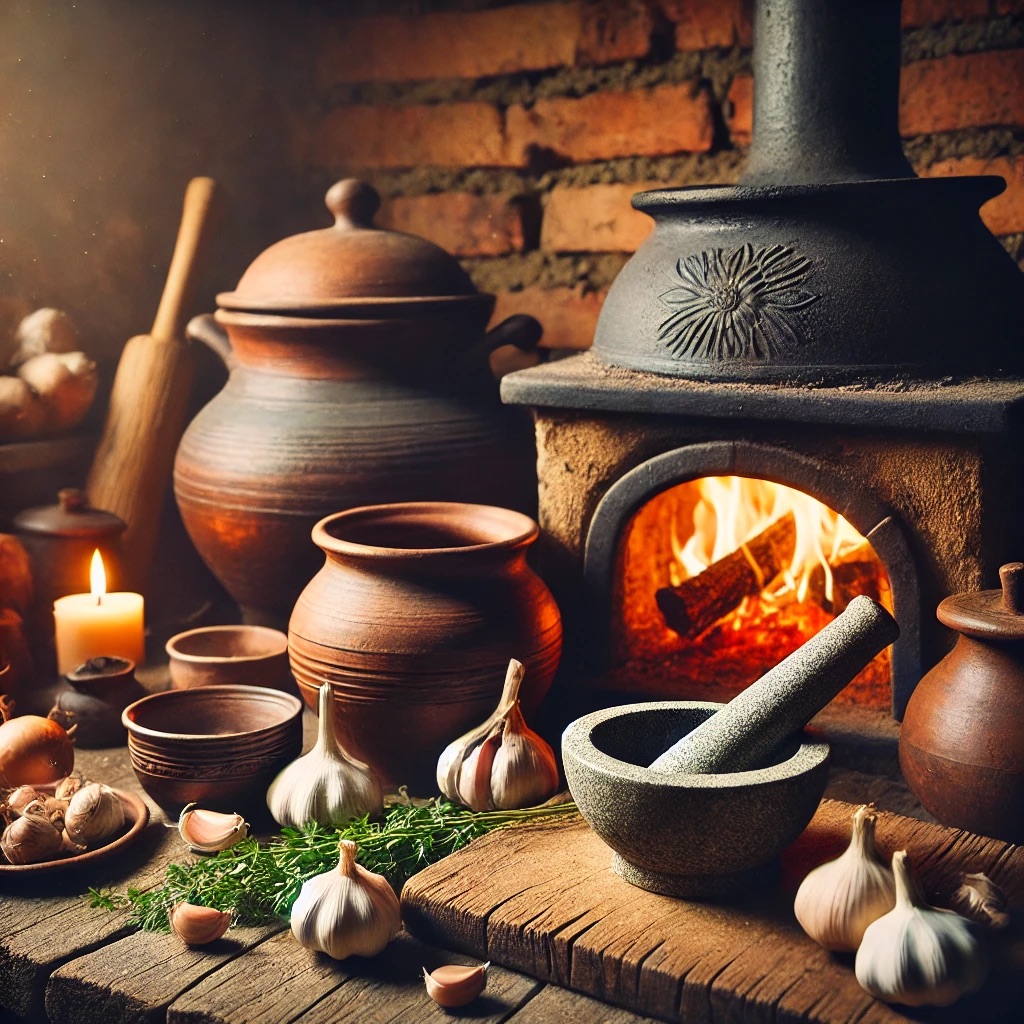
Sautéing is one of the most popular cooking techniques for preparing vegetables, allowing them to retain their natural flavors and nutrients while providing a delightful texture. Whether you are a novice in the kitchen or a seasoned chef, mastering the art of sautéing can elevate your culinary skills significantly. In this blog post, we will explore the best tips for achieving perfect texture and flavor when sautéing vegetables.
Understanding the Basics of Sautéing
Sautéing involves cooking food quickly in a small amount of fat over relatively high heat. The key elements that contribute to the success of sautéing include:
- Heat: Using the right level of heat is crucial. Too high can burn your vegetables, while too low can result in steaming rather than sautéing.
- Fat: The choice of fat can greatly affect flavor and texture. Common options include olive oil, butter, and ghee.
- Cutting Technique: The way you cut your vegetables can influence how evenly they cook.
Choosing the Right Vegetables
Not all vegetables are created equal when it comes to sautéing. Some vegetables cook faster than others, which can lead to uneven textures if not managed properly. Here are some tips on choosing and combining vegetables:
- Dense vs. Tender: Start with denser vegetables like carrots, potatoes, or bell peppers, and add more tender vegetables like spinach or zucchini later in the cooking process.
- Color and Flavor: Pair vegetables with complementary colors and flavors for a more visually appealing and flavorful dish. For example, pairing red bell peppers with green beans creates a vibrant and tasty mix.
Preparation is Key
Before you start sautéing, proper preparation can make a world of difference. Follow these steps to ensure your success:
- Wash and Dry: Make sure to wash your vegetables thoroughly and dry them to promote even cooking. Excess moisture can cause your vegetables to steam rather than sauté.
- Uniform Cutting: Cut vegetables into uniform sizes so they cook evenly. For instance, if you're chopping bell peppers, aim for pieces that are about the same size as your diced onions.
- Prep in Advance: Have all your ingredients prepped and ready to go before you start cooking. This will help you manage the cooking time better and prevent burning.
The Sautéing Process
Now that you are prepared, it’s time to start sautéing. Here’s a step-by-step guide:
- Heat the Pan: Start by placing a skillet or frying pan on medium-high heat. Allow it to heat up for a few minutes.
- Add Fat: Once the pan is hot, add your chosen fat. Swirl it around to coat the bottom of the pan evenly. You'll know it's ready when the fat shimmers or begins to smoke slightly.
- Add Aromatics: If your recipe calls for aromatics like garlic or onions, add them first. Sauté them for a minute until fragrant before adding the main vegetables.
- Add Vegetables: Add the denser vegetables first, stirring frequently. After a few minutes, add the tender vegetables. Stir continuously to ensure even cooking.
- Season Wisely: Season with salt and pepper during the sautéing process. This helps enhance the vegetables' natural flavors.
- Check for Doneness: Vegetables should be tender but still crisp. You can test them by piercing them with a fork. Remove them from the heat once they reach the desired doneness.
Tips for Perfect Texture and Flavor
Here are some additional tips to perfect your sautéing technique:
- Don’t Overcrowd the Pan: Sauté in batches if necessary. Overcrowding can lower the pan’s temperature and cause the vegetables to steam rather than brown.
- Use High-Quality Ingredients: Fresh, high-quality vegetables will yield better flavors. Whenever possible, use seasonal produce.
- Experiment with Spices and Herbs: Don’t be afraid to add spices or fresh herbs to your sauté. Thyme, basil, and parsley can elevate the flavor profile.
- Finish with Acid: A splash of lemon juice or vinegar at the end of cooking can brighten the flavors of sautéed vegetables.
Common Mistakes to Avoid
Even experienced cooks can stumble when sautéing vegetables. Here are some common mistakes to avoid:
- Using Cold Ingredients: Adding cold vegetables to a hot pan can lower the temperature and lead to uneven cooking.
- Neglecting to Stir: Stirring is essential to ensure even cooking and prevent burning. Make it a habit to keep the vegetables moving.
- Ignoring the Sautéing Time: Different vegetables require different cooking times. Always keep an eye on doneness to avoid overcooking.
Conclusion
Sautéing vegetables is a simple yet effective way to bring out their natural flavors and textures. By following the tips outlined in this article, you can create delicious sautéed vegetable dishes that are both nutritious and satisfying. Remember to choose the right vegetables, prepare them properly, and pay attention to the sautéing process. With a little practice, you’ll be sautéing like a pro in no time!
Related articles
 Mastering the Art of Sautéing
Techniques and Tips
Mastering the Art of Sautéing
Techniques and Tips
 Sous Vide 101
A Beginner's Guide to Precision Cooking
Sous Vide 101
A Beginner's Guide to Precision Cooking
 The Science Behind Searing
Why Sautéing Works
The Science Behind Searing
Why Sautéing Works
 From Stovetop to Sous Vide
A Culinary Journey
From Stovetop to Sous Vide
A Culinary Journey
 Essential Culinary Techniques Every Home Chef Should Know
 The Perfect Pan
Choosing the Right Cookware for Sautéing
The Perfect Pan
Choosing the Right Cookware for Sautéing
 Sous Vide vs. Traditional Cooking
Pros and Cons
Sous Vide vs. Traditional Cooking
Pros and Cons
 Combining Techniques
Sautéing and Sous Vide for Flavorful Dishes
Combining Techniques
Sautéing and Sous Vide for Flavorful Dishes
 The Importance of Temperature Control in Culinary Techniques
 Unlocking the Flavors
Marinades for Sautéing and Sous Vide
Unlocking the Flavors
Marinades for Sautéing and Sous Vide
 Quick and Easy Sautéing Techniques for Busy Weeknights
 Sous Vide Cooking
The Future of Home Kitchens
Sous Vide Cooking
The Future of Home Kitchens
 The Art of Deglazing
Elevating Your Sautéed Dishes
The Art of Deglazing
Elevating Your Sautéed Dishes
 Exploring Flavor Profiles
Herbs and Spices for Sautéing
Exploring Flavor Profiles
Herbs and Spices for Sautéing
 Sous Vide Cooking Times
A Comprehensive Guide
Sous Vide Cooking Times
A Comprehensive Guide
 From Classic to Modern
The Evolution of Sautéing Techniques
From Classic to Modern
The Evolution of Sautéing Techniques
 Sautéing Vegetables
Tips for Perfect Texture and Flavor
Sautéing Vegetables
Tips for Perfect Texture and Flavor
 The Ultimate Guide to Sous Vide Equipment
What You Need
The Ultimate Guide to Sous Vide Equipment
What You Need
 Sautéing Proteins
Techniques for Perfectly Cooked Meats
Sautéing Proteins
Techniques for Perfectly Cooked Meats
 Sous Vide for Meal Prep
Convenience Meets Gourmet
Sous Vide for Meal Prep
Convenience Meets Gourmet
 The Role of Fat in Sautéing
Choosing the Right Oils
The Role of Fat in Sautéing
Choosing the Right Oils
 Advanced Sous Vide Techniques
Infusions and Beyond
Advanced Sous Vide Techniques
Infusions and Beyond
 Sautéing vs. Stir-Frying
Understanding the Differences
Sautéing vs. Stir-Frying
Understanding the Differences
 The Best Ingredients for Sous Vide Cooking
A Complete Guide
The Best Ingredients for Sous Vide Cooking
A Complete Guide
 Sautéing Fish
Techniques for Perfect Results
Sautéing Fish
Techniques for Perfect Results
 Sous Vide Desserts
Elevating Sweet Treats with Precision
Sous Vide Desserts
Elevating Sweet Treats with Precision
 Troubleshooting Common Sautéing Mistakes
 Sous Vide Cooking for Beginners
Essential Techniques
Sous Vide Cooking for Beginners
Essential Techniques
 Sautéing with Style
Plating Techniques to Impress
Sautéing with Style
Plating Techniques to Impress
 The Environmentally Friendly Chef
Sustainable Cooking Techniques
The Environmentally Friendly Chef
Sustainable Cooking Techniques
 Infusing Oils
A Flavorful Addition to Sautéing
Infusing Oils
A Flavorful Addition to Sautéing
 Sous Vide for Special Occasions
Creating Memorable Meals
Sous Vide for Special Occasions
Creating Memorable Meals
 The Importance of Resting
Techniques for Sautéed Meats
The Importance of Resting
Techniques for Sautéed Meats
 Sautéing Techniques from Around the World
Sous Vide Cooking
Health Benefits and Nutritional Value
Flavor Enhancements
Using Acids in Sautéed Dishes
Sautéing for Kids
Fun and Easy Recipes for Young Chefs
The Secrets of Great Sautéing
From Temperature to Timing
Sous Vide for Vegetarians
Unique Recipes and Techniques
How to Create a Sauté Base
The Foundation of Flavor
Sous Vide Cooking for the Busy Professional
Quick Gourmet Meals
Sautéing Techniques for Perfectly Cooked Eggs
The Future of Culinary Techniques
Trends in Sautéing and Sous Vide
Sautéing vs. Roasting
When to Use Each Technique
Sous Vide Cooking
A Guide to Flavor Infusion
Mise en Place
The Key to Successful Sautéing
Sous Vide Safety
Best Practices for Home Cooks
Sautéing in a Wok
Tips for Asian-inspired Dishes
Exploring Global Sautéing Techniques
A Culinary Adventure
The Benefits of Sous Vide Cooking
Why You Should Try It
Sautéing with Seasonal Ingredients
A Guide to Fresh Flavors
Categories