The art of cooking
AI CHEF Blog

Flavor Enhancements: Using Acids in Sautéed Dishes
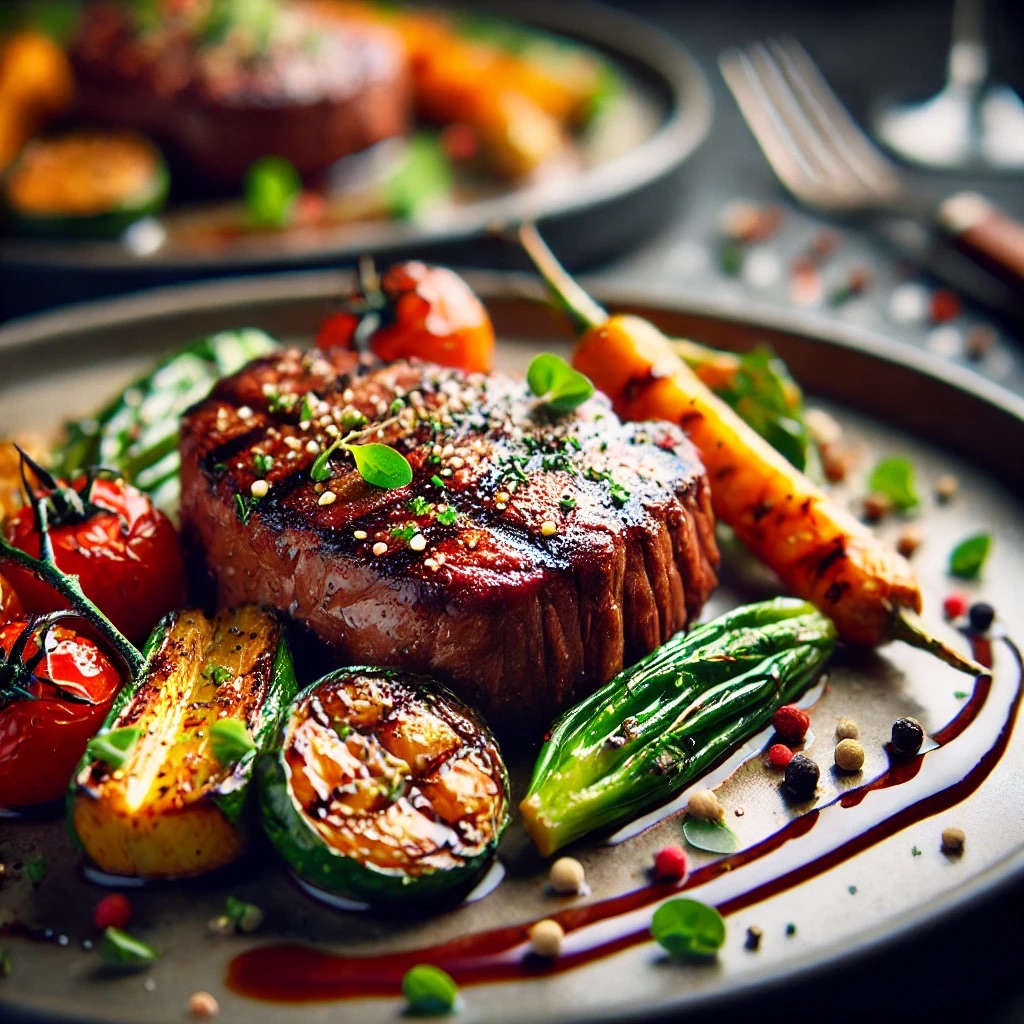
When it comes to sautéed dishes, achieving the perfect balance of flavors is essential. The art of sautéing allows for the quick cooking of ingredients while preserving their texture and enhancing their natural flavors. One of the most effective ways to elevate your sautéed dishes is by incorporating acids. These flavorful components can brighten, balance, and enhance the overall taste. In this post, we will explore the various types of acids, how they work in cooking, and how to effectively use them in your sautéed dishes.
Understanding Acids: The Basics
Acids are compounds that can donate a proton (H+) to another compound. In cooking, they play a critical role in flavor enhancement and can be found in a variety of ingredients, such as citrus juices, vinegar, and fermented foods. The primary types of acids you may consider using in your sautéed dishes include:
- Citrus Acids: Found in lemons, limes, oranges, and grapefruits, citrus acids provide a bright, zesty flavor.
- Vinegar: With numerous varieties available—such as balsamic, red wine, white wine, and apple cider—vinegar adds depth, acidity, and complexity.
- Fermented Acids: Ingredients like yogurt, buttermilk, and fermented hot sauces offer tanginess and richness.
- Other Acids: Ingredients such as tamarind, pomegranate, and even certain tomatoes contain natural acids that can enhance your dishes.
How Acids Enhance Flavor
Acids play several important roles in cooking:
- Balancing Flavors: Acids can cut through the richness of fats, balancing the overall flavor of a dish.
- Brightening Dishes: A splash of acid can wake up dull flavors, making the dish feel more vibrant.
- Enhancing Aroma: Acids can intensify the aroma of ingredients, enticing your senses.
- Adding Complexity: The right acid can add additional layers of flavor, making the dish more interesting.
Using Acids in Sautéed Dishes
Now that we understand the role of acids in flavor enhancement, let’s discuss how to incorporate them into your sautéed dishes effectively.
1. Timing Matters
The timing of when you add acids to your sautéed dishes can significantly impact the final flavor. Generally, it’s best to add acidic ingredients towards the end of cooking. This allows the flavors to meld without losing the bright quality of the acid. For instance, adding a splash of lemon juice to sautéed vegetables just before serving will maintain that fresh, zesty flavor.
2. Pairing Acids with Ingredients
Different acids work better with specific ingredients. Here are some classic pairings:
- Lemon Juice: Perfect for sautéed seafood, chicken, or vegetables like asparagus and green beans.
- Balsamic Vinegar: Excellent with sautéed mushrooms, zucchini, or roasted root vegetables.
- Apple Cider Vinegar: Great for sautéed greens, pork dishes, or even a tangy coleslaw.
- Wine: A common addition to sautéed dishes, wine can deglaze the pan while adding depth to sauces.
3. Experiment with Flavor Combinations
Don’t be afraid to experiment! Combining different acids can yield exciting results. For example, try a mixture of lime juice and fish sauce in a sautéed shrimp dish for a tangy, umami-packed flavor. Or, drizzle a combination of red wine vinegar and honey over sautéed carrots for a sweet and tangy finish.
4. Balancing Acidity with Sweetness
When using acids, it’s essential to balance them with other flavors. Sweetness can counteract acidity and create a more harmonious dish. For instance, if you’re using a strong vinegar, consider adding a touch of honey or maple syrup to round out the flavors.
Recipes to Try
Here are some delicious sautéed dishes that utilize acids for flavor enhancement:
1. Sautéed Lemon Garlic Shrimp
Ingredients:
- 1 pound of shrimp, peeled and deveined
- 3 tablespoons olive oil
- 4 cloves garlic, minced
- Juice of 1 lemon
- Salt and pepper to taste
- Chopped parsley for garnish
Instructions:
- Heat olive oil in a skillet over medium-high heat.
- Add garlic and sauté for 1 minute until fragrant.
- Add shrimp and cook until pink and opaque, about 3-4 minutes.
- Remove from heat and squeeze fresh lemon juice over the shrimp.
- Season with salt, pepper, and garnish with parsley.
2. Balsamic Glazed Sautéed Brussels Sprouts
Ingredients:
- 1 pound Brussels sprouts, halved
- 3 tablespoons olive oil
- 1/2 cup balsamic vinegar
- Salt and pepper to taste
Instructions:
- Heat olive oil in a skillet over medium heat.
- Add Brussels sprouts and sauté until browned and tender, about 10-12 minutes.
- Pour in balsamic vinegar and cook for an additional 2-3 minutes until the sauce thickens.
- Season with salt and pepper before serving.
Conclusion
Incorporating acids into your sautéed dishes can transform them from ordinary to extraordinary. By understanding the role of different acids, their timing, and how to pair them with your ingredients, you can create dishes that are bright, balanced, and full of flavor. So next time you sauté, don’t forget to reach for that lemon, vinegar, or fermented ingredient to elevate your culinary creations.
Related articles
 Mastering the Art of Sautéing
Techniques and Tips
Mastering the Art of Sautéing
Techniques and Tips
 Sous Vide 101
A Beginner's Guide to Precision Cooking
Sous Vide 101
A Beginner's Guide to Precision Cooking
 The Science Behind Searing
Why Sautéing Works
The Science Behind Searing
Why Sautéing Works
 From Stovetop to Sous Vide
A Culinary Journey
From Stovetop to Sous Vide
A Culinary Journey
 Essential Culinary Techniques Every Home Chef Should Know
 The Perfect Pan
Choosing the Right Cookware for Sautéing
The Perfect Pan
Choosing the Right Cookware for Sautéing
 Sous Vide vs. Traditional Cooking
Pros and Cons
Sous Vide vs. Traditional Cooking
Pros and Cons
 Combining Techniques
Sautéing and Sous Vide for Flavorful Dishes
Combining Techniques
Sautéing and Sous Vide for Flavorful Dishes
 The Importance of Temperature Control in Culinary Techniques
 Unlocking the Flavors
Marinades for Sautéing and Sous Vide
Unlocking the Flavors
Marinades for Sautéing and Sous Vide
 Quick and Easy Sautéing Techniques for Busy Weeknights
 Sous Vide Cooking
The Future of Home Kitchens
Sous Vide Cooking
The Future of Home Kitchens
 The Art of Deglazing
Elevating Your Sautéed Dishes
The Art of Deglazing
Elevating Your Sautéed Dishes
 Exploring Flavor Profiles
Herbs and Spices for Sautéing
Exploring Flavor Profiles
Herbs and Spices for Sautéing
 Sous Vide Cooking Times
A Comprehensive Guide
Sous Vide Cooking Times
A Comprehensive Guide
 From Classic to Modern
The Evolution of Sautéing Techniques
From Classic to Modern
The Evolution of Sautéing Techniques
 Sautéing Vegetables
Tips for Perfect Texture and Flavor
Sautéing Vegetables
Tips for Perfect Texture and Flavor
 The Ultimate Guide to Sous Vide Equipment
What You Need
The Ultimate Guide to Sous Vide Equipment
What You Need
 Sautéing Proteins
Techniques for Perfectly Cooked Meats
Sautéing Proteins
Techniques for Perfectly Cooked Meats
 Sous Vide for Meal Prep
Convenience Meets Gourmet
Sous Vide for Meal Prep
Convenience Meets Gourmet
 The Role of Fat in Sautéing
Choosing the Right Oils
The Role of Fat in Sautéing
Choosing the Right Oils
 Advanced Sous Vide Techniques
Infusions and Beyond
Advanced Sous Vide Techniques
Infusions and Beyond
 Sautéing vs. Stir-Frying
Understanding the Differences
Sautéing vs. Stir-Frying
Understanding the Differences
 The Best Ingredients for Sous Vide Cooking
A Complete Guide
The Best Ingredients for Sous Vide Cooking
A Complete Guide
 Sautéing Fish
Techniques for Perfect Results
Sautéing Fish
Techniques for Perfect Results
 Sous Vide Desserts
Elevating Sweet Treats with Precision
Sous Vide Desserts
Elevating Sweet Treats with Precision
 Troubleshooting Common Sautéing Mistakes
 Sous Vide Cooking for Beginners
Essential Techniques
Sous Vide Cooking for Beginners
Essential Techniques
 Sautéing with Style
Plating Techniques to Impress
Sautéing with Style
Plating Techniques to Impress
 The Environmentally Friendly Chef
Sustainable Cooking Techniques
The Environmentally Friendly Chef
Sustainable Cooking Techniques
 Infusing Oils
A Flavorful Addition to Sautéing
Infusing Oils
A Flavorful Addition to Sautéing
 Sous Vide for Special Occasions
Creating Memorable Meals
Sous Vide for Special Occasions
Creating Memorable Meals
 The Importance of Resting
Techniques for Sautéed Meats
The Importance of Resting
Techniques for Sautéed Meats
 Sautéing Techniques from Around the World
Sous Vide Cooking
Health Benefits and Nutritional Value
Flavor Enhancements
Using Acids in Sautéed Dishes
Sautéing for Kids
Fun and Easy Recipes for Young Chefs
The Secrets of Great Sautéing
From Temperature to Timing
Sous Vide for Vegetarians
Unique Recipes and Techniques
How to Create a Sauté Base
The Foundation of Flavor
Sous Vide Cooking for the Busy Professional
Quick Gourmet Meals
Sautéing Techniques for Perfectly Cooked Eggs
The Future of Culinary Techniques
Trends in Sautéing and Sous Vide
Sautéing vs. Roasting
When to Use Each Technique
Sous Vide Cooking
A Guide to Flavor Infusion
Mise en Place
The Key to Successful Sautéing
Sous Vide Safety
Best Practices for Home Cooks
Sautéing in a Wok
Tips for Asian-inspired Dishes
Exploring Global Sautéing Techniques
A Culinary Adventure
The Benefits of Sous Vide Cooking
Why You Should Try It
Sautéing with Seasonal Ingredients
A Guide to Fresh Flavors
Categories