The art of cooking
AI CHEF Blog

The Secrets of Great Sautéing: From Temperature to Timing
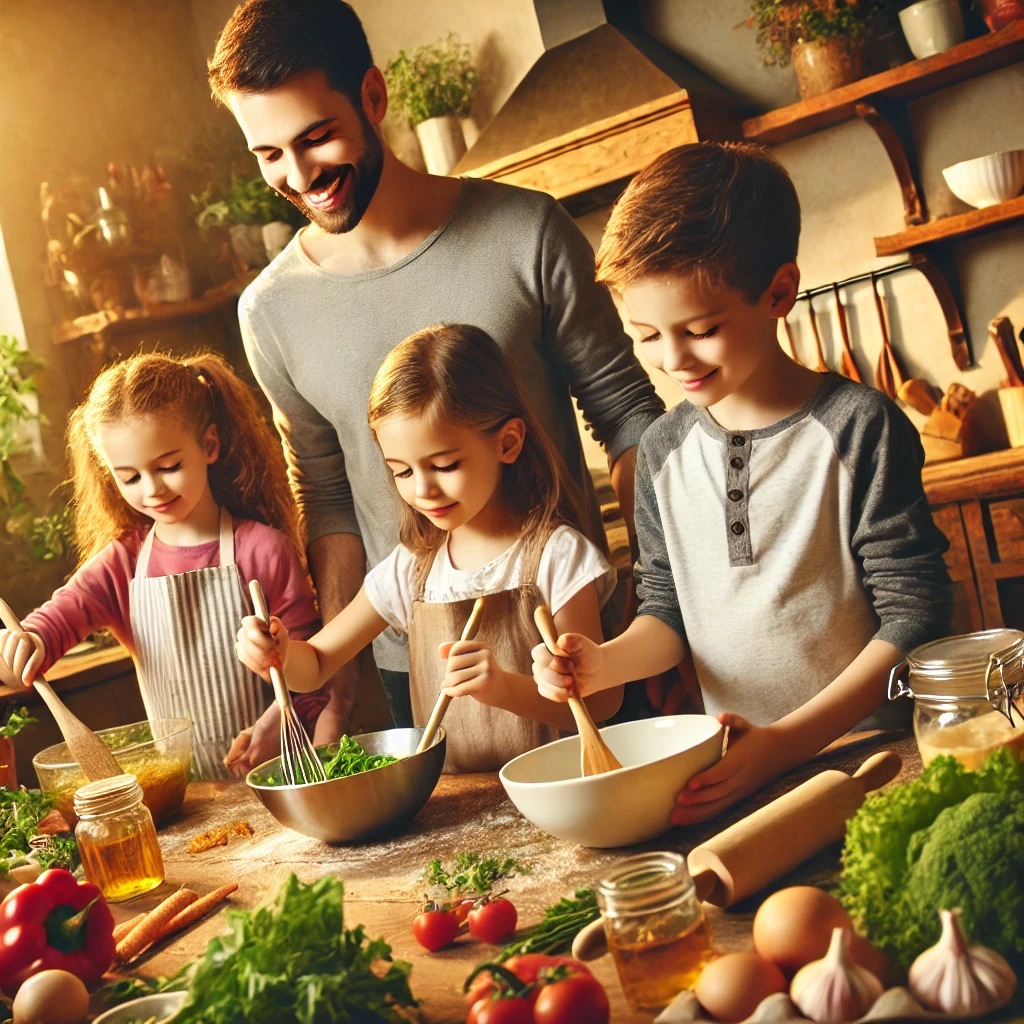
Sautéing is one of the most versatile cooking techniques, and when done correctly, it can bring out the best flavors and textures in a variety of ingredients. This blog post will delve into the secrets of great sautéing, focusing on the crucial elements of temperature and timing. Whether you're a novice cook or a seasoned chef, mastering these aspects will elevate your culinary skills and enhance your dishes.
What is Sautéing?
Sautéing is a cooking method that involves cooking food quickly in a small amount of fat over relatively high heat. The word 'sauté' comes from the French word for 'jump,' which describes how food jumps in the pan as it cooks. This technique is ideal for vegetables, meats, and fish, producing flavorful and tender results.
Choosing the Right Pan
The choice of pan is critical for successful sautéing. A heavy-bottomed skillet or frying pan is ideal, as it distributes heat evenly and helps prevent hot spots that can burn food. Non-stick pans are also popular for sautéing, particularly for delicate ingredients like fish or eggs, as they reduce the risk of sticking.
The Importance of Temperature
Temperature is one of the most important factors in sautéing. The right temperature ensures that food cooks evenly and develops a rich, caramelized flavor. Here’s how to get your temperatures right:
1. Preheat the Pan
Before adding any ingredients, preheat your pan. This step is crucial because it ensures that food starts cooking immediately upon contact with the surface. To test if your pan is hot enough, you can use the water droplet test: sprinkle a few drops of water onto the pan. If they sizzle and evaporate quickly, the pan is ready.
2. Use the Right Heat Level
Sautéing requires a medium to medium-high heat level. If your heat is too low, the food will steam rather than sauté, resulting in a soggy texture. Conversely, if the heat is too high, food can burn quickly, leading to uneven cooking. Adjust the heat as necessary to maintain a steady temperature during the cooking process.
Choosing the Right Fat
The choice of fat can significantly impact the flavor and outcome of your sautéed dish. Common fats include olive oil, butter, and vegetable oil. Here’s a brief overview:
- Olive Oil: Great for Mediterranean dishes, olive oil has a medium smoke point, making it suitable for sautéing as long as the heat is controlled.
- Butter: Adds a rich flavor but has a low smoke point, so it’s best used in combination with oil to prevent burning.
- Vegetable Oil: Has a high smoke point and is perfect for high-heat sautéing.
Timing is Everything
Just as important as temperature is timing. Knowing how long to sauté different ingredients is key to achieving the right texture and flavor. Here are some general guidelines:
1. Prepare Ingredients Ahead of Time
Before you start sautéing, have all your ingredients prepped and ready to go. This ensures that you can add them to the pan in the correct order without burning anything.
2. Cooking Times for Different Ingredients
Different ingredients require different cooking times. Here’s a quick reference:
- Vegetables: Soft vegetables like bell peppers and zucchini usually take 3-5 minutes, while harder vegetables like carrots may take 7-10 minutes.
- Meat: Thin slices of chicken or beef will generally take 3-5 minutes per side, while thicker cuts may take longer.
- Fish: Fish fillets typically need about 3-4 minutes per side depending on thickness.
Layering Flavors
Sautéing is not just about cooking; it’s also about building flavors. Here’s how to layer flavors effectively:
1. Start with Aromatics
Begin by sautéing aromatics like garlic, onions, or ginger in your fat. This creates a flavorful base for your dish. Watch them closely, as they can burn quickly.
2. Add Ingredients in Stages
Add ingredients to the pan in order of cooking time. Start with those that take longer to cook, such as vegetables, and finish with quicker-cooking items like seafood or delicate greens.
Don’t Overcrowd the Pan
One of the most common mistakes in sautéing is overcrowding the pan. When too many ingredients are added at once, the temperature of the pan drops, leading to steaming instead of sautéing. To achieve the best results, work in batches if necessary, allowing each piece of food enough space to brown properly.
Finishing Touches
Once everything is cooked to perfection, consider adding finishing touches to enhance the dish. A splash of acid, such as lemon juice or vinegar, can brighten the flavors. Fresh herbs added at the end of cooking can also elevate the dish.
Conclusion
Mastering the art of sautéing involves understanding the relationship between temperature and timing. By preheating your pan, choosing the right fat, timing your ingredients correctly, and layering flavors, you can create delicious sautéed dishes that impress family and friends. With practice, you’ll find that sautéing is not just a cooking method but a way to express your culinary creativity. So grab your pan, turn up the heat, and start sautéing!
Related articles
 Mastering the Art of Sautéing
Techniques and Tips
Mastering the Art of Sautéing
Techniques and Tips
 Sous Vide 101
A Beginner's Guide to Precision Cooking
Sous Vide 101
A Beginner's Guide to Precision Cooking
 The Science Behind Searing
Why Sautéing Works
The Science Behind Searing
Why Sautéing Works
 From Stovetop to Sous Vide
A Culinary Journey
From Stovetop to Sous Vide
A Culinary Journey
 Essential Culinary Techniques Every Home Chef Should Know
 The Perfect Pan
Choosing the Right Cookware for Sautéing
The Perfect Pan
Choosing the Right Cookware for Sautéing
 Sous Vide vs. Traditional Cooking
Pros and Cons
Sous Vide vs. Traditional Cooking
Pros and Cons
 Combining Techniques
Sautéing and Sous Vide for Flavorful Dishes
Combining Techniques
Sautéing and Sous Vide for Flavorful Dishes
 The Importance of Temperature Control in Culinary Techniques
 Unlocking the Flavors
Marinades for Sautéing and Sous Vide
Unlocking the Flavors
Marinades for Sautéing and Sous Vide
 Quick and Easy Sautéing Techniques for Busy Weeknights
 Sous Vide Cooking
The Future of Home Kitchens
Sous Vide Cooking
The Future of Home Kitchens
 The Art of Deglazing
Elevating Your Sautéed Dishes
The Art of Deglazing
Elevating Your Sautéed Dishes
 Exploring Flavor Profiles
Herbs and Spices for Sautéing
Exploring Flavor Profiles
Herbs and Spices for Sautéing
 Sous Vide Cooking Times
A Comprehensive Guide
Sous Vide Cooking Times
A Comprehensive Guide
 From Classic to Modern
The Evolution of Sautéing Techniques
From Classic to Modern
The Evolution of Sautéing Techniques
 Sautéing Vegetables
Tips for Perfect Texture and Flavor
Sautéing Vegetables
Tips for Perfect Texture and Flavor
 The Ultimate Guide to Sous Vide Equipment
What You Need
The Ultimate Guide to Sous Vide Equipment
What You Need
 Sautéing Proteins
Techniques for Perfectly Cooked Meats
Sautéing Proteins
Techniques for Perfectly Cooked Meats
 Sous Vide for Meal Prep
Convenience Meets Gourmet
Sous Vide for Meal Prep
Convenience Meets Gourmet
 The Role of Fat in Sautéing
Choosing the Right Oils
The Role of Fat in Sautéing
Choosing the Right Oils
 Advanced Sous Vide Techniques
Infusions and Beyond
Advanced Sous Vide Techniques
Infusions and Beyond
 Sautéing vs. Stir-Frying
Understanding the Differences
Sautéing vs. Stir-Frying
Understanding the Differences
 The Best Ingredients for Sous Vide Cooking
A Complete Guide
The Best Ingredients for Sous Vide Cooking
A Complete Guide
 Sautéing Fish
Techniques for Perfect Results
Sautéing Fish
Techniques for Perfect Results
 Sous Vide Desserts
Elevating Sweet Treats with Precision
Sous Vide Desserts
Elevating Sweet Treats with Precision
 Troubleshooting Common Sautéing Mistakes
 Sous Vide Cooking for Beginners
Essential Techniques
Sous Vide Cooking for Beginners
Essential Techniques
 Sautéing with Style
Plating Techniques to Impress
Sautéing with Style
Plating Techniques to Impress
 The Environmentally Friendly Chef
Sustainable Cooking Techniques
The Environmentally Friendly Chef
Sustainable Cooking Techniques
 Infusing Oils
A Flavorful Addition to Sautéing
Infusing Oils
A Flavorful Addition to Sautéing
 Sous Vide for Special Occasions
Creating Memorable Meals
Sous Vide for Special Occasions
Creating Memorable Meals
 The Importance of Resting
Techniques for Sautéed Meats
The Importance of Resting
Techniques for Sautéed Meats
 Sautéing Techniques from Around the World
Sous Vide Cooking
Health Benefits and Nutritional Value
Flavor Enhancements
Using Acids in Sautéed Dishes
Sautéing for Kids
Fun and Easy Recipes for Young Chefs
The Secrets of Great Sautéing
From Temperature to Timing
Sous Vide for Vegetarians
Unique Recipes and Techniques
How to Create a Sauté Base
The Foundation of Flavor
Sous Vide Cooking for the Busy Professional
Quick Gourmet Meals
Sautéing Techniques for Perfectly Cooked Eggs
The Future of Culinary Techniques
Trends in Sautéing and Sous Vide
Sautéing vs. Roasting
When to Use Each Technique
Sous Vide Cooking
A Guide to Flavor Infusion
Mise en Place
The Key to Successful Sautéing
Sous Vide Safety
Best Practices for Home Cooks
Sautéing in a Wok
Tips for Asian-inspired Dishes
Exploring Global Sautéing Techniques
A Culinary Adventure
The Benefits of Sous Vide Cooking
Why You Should Try It
Sautéing with Seasonal Ingredients
A Guide to Fresh Flavors
Categories