The art of cooking
AI CHEF Blog

The Art of Food Pairing: Unlocking Flavor Profiles
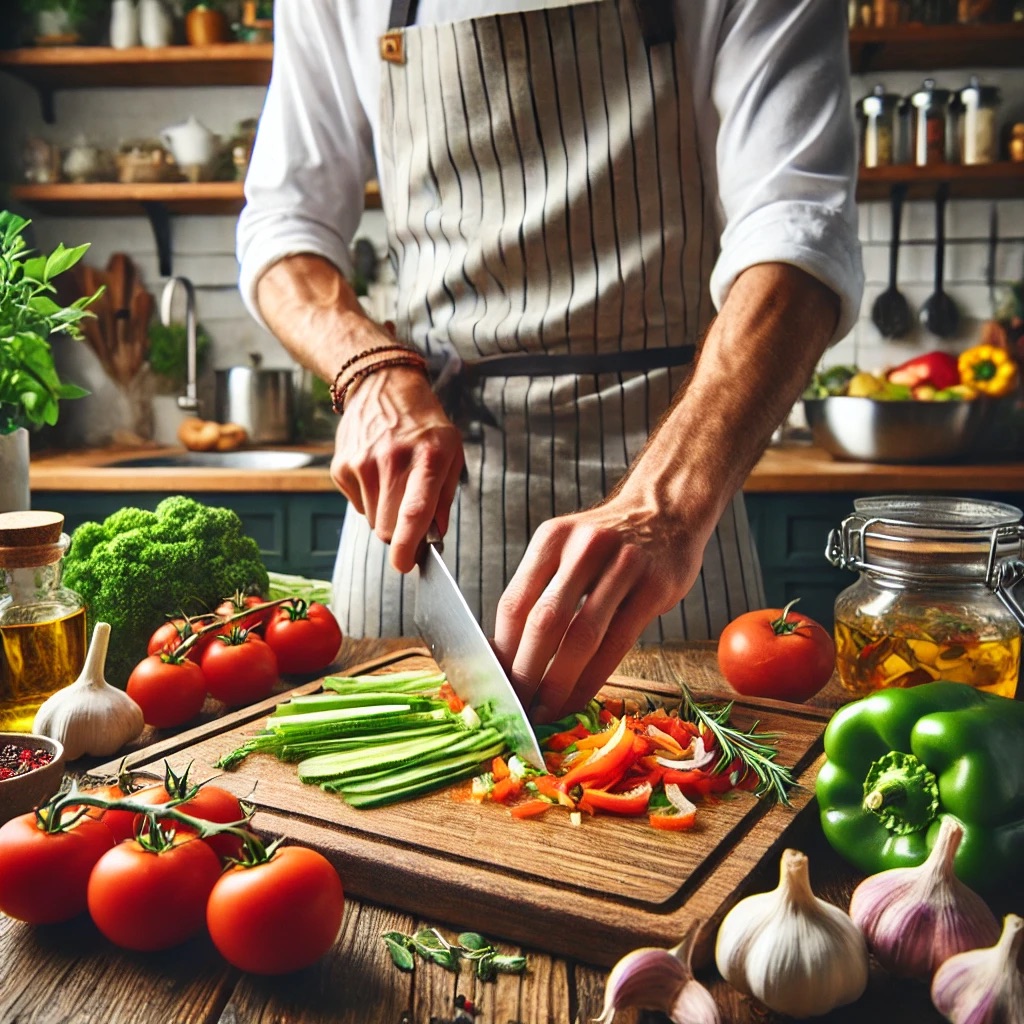
Food pairing is an intricate dance of flavors, aromas, and textures. It is an art that allows chefs and home cooks alike to create delectable dishes that tantalize the taste buds. Understanding the science behind food pairing can elevate your culinary skills and enable you to craft meals that are not only delicious but also memorable. In this blog post, we will explore the principles behind food pairing, the science of flavor profiles, and how to apply this knowledge in your kitchen.
Understanding Flavor Profiles
Flavor profiles refer to the combination of tastes and aromas that come together to create a unique sensory experience when consuming food. These profiles are influenced by a variety of factors, including the ingredients used, the cooking methods applied, and even the cultural context of the cuisine.
There are five basic tastes that contribute to flavor profiles:
- Sweet: Often derived from sugar, fruits, and some vegetables.
- Salty: Typically comes from salt and enhances other flavors.
- Sour: Found in citrus fruits, vinegar, and fermented foods.
- Bitter: Present in dark chocolate, coffee, and certain greens.
- Umami: Known as the savory taste, found in meats, cheeses, and mushrooms.
Each of these tastes can be combined in various ways to create a harmonious balance in dishes. The key to successful food pairing lies in understanding how these flavors interact with one another.
The Science Behind Food Pairing
The concept of food pairing is not just based on culinary tradition; it is also grounded in scientific principles. Aromas play a crucial role in how we perceive flavor, and they can enhance or clash with the basic tastes. Research has shown that certain flavor compounds naturally complement each other, leading to the idea that foods with similar flavor compounds will pair well together.
For instance, the flavor compounds in tomatoes are similar to those found in basil, which is why they are often used together in Italian cuisine. Similarly, the umami taste of mushrooms pairs beautifully with the sweetness of caramelized onions.
One popular resource for understanding food pairing is the “Flavor Network,” a visual representation of how different ingredients are connected based on their flavor compounds. This network can help chefs and home cooks discover unexpected pairings that work surprisingly well together.
Classic Food Pairings
Some food pairings have stood the test of time, becoming staples in various cuisines around the world. Here are a few classic examples:
- Tomato and Basil: This iconic pairing is a foundation of Italian cooking.
- Cheese and Wine: The rich flavors of cheese are often enhanced by the acidity and tannins found in wine.
- Chocolate and Coffee: Both ingredients complement each other, creating a rich, indulgent experience.
- Apple and Cinnamon: This pairing is synonymous with comfort food, especially in desserts.
- Chicken and Lemon: The acidity of lemon brightens the natural flavors of chicken, creating a refreshing dish.
These classic pairings can serve as a foundation upon which you can build your culinary creations. However, the world of food pairing extends far beyond these traditional combinations.
Exploring Unique Food Pairings
Stepping outside the realm of traditional pairings can yield exciting and unexpected flavor combinations. Here are a few unconventional pairings to try:
- Watermelon and Feta: The sweetness of watermelon contrasts beautifully with the saltiness of feta cheese.
- Dark Chocolate and Sea Salt: The bitterness of dark chocolate is balanced by the crunch and saltiness of sea salt.
- Strawberries and Balsamic Vinegar: The acidity of balsamic vinegar enhances the sweetness of strawberries.
- Beets and Goat Cheese: The earthiness of beets pairs wonderfully with the tangy flavor of goat cheese.
- Pineapple and Jalapeño: The sweetness of pineapple is heightened by the heat of jalapeño, creating a sweet and spicy explosion of flavors.
Experimenting with unique pairings can lead to exciting culinary discoveries. Don’t be afraid to think outside the box and combine ingredients you wouldn’t typically consider pairing together.
Tips for Successful Food Pairing
To master the art of food pairing, consider the following tips:
- Start with the Basics: Familiarize yourself with classic pairings as a foundation for your culinary explorations.
- Consider Texture: Think about the textures of the ingredients. Combining crunchy, creamy, and chewy elements can add depth to your dishes.
- Balance Flavors: Aim for a balance between sweet, salty, sour, bitter, and umami flavors to create a harmonious dish.
- Use Herbs and Spices: Fresh herbs and spices can enhance flavors and add complexity to your dishes.
- Don’t Be Afraid to Experiment: Keep an open mind and be willing to try new combinations.
As you experiment with food pairings, take notes on what works and what doesn’t. This will help you refine your palate and develop a deeper understanding of flavor profiles.
Conclusion
The art of food pairing is a journey of discovery that allows you to unlock the full potential of flavors in your cooking. By understanding flavor profiles, exploring classic and unique pairings, and experimenting in the kitchen, you can create dishes that are not only delicious but also memorable. So, roll up your sleeves and start experimenting with food pairings today. You might just find your next favorite dish!
Related articles
 The Art of Food Pairing
Unlocking Flavor Profiles
 10 Unexpected Flavor Combinations You Need to Try
 Mastering Food Pairing
A Beginner's Guide
 Flavor Harmony
Pairing Spices and Ingredients
 Wine and Cheese
The Ultimate Food Pairing Guide
 Sweet and Savory
Exploring Contrasting Flavors
 The Science Behind Perfect Food Pairings
 Creating Flavor Profiles
A Culinary Adventure
 Seasonal Ingredients
Pairing for Freshness
 Herbs and Spices
Elevating Your Dishes
 Global Cuisine
Unique Food Pairing Ideas from Around the World
 Vegetarian Food Pairing
Mixing Flavors for Plant-Based Dishes
 The Best Flavor Combinations for Grilling Season
 Pairing Sauces with Proteins
A Flavor Guide
 Creating Balance
Pairing Acidity and Richness in Dishes
 Dessert Pairings
Sweet Treats That Complement Each Other
 Crafting the Perfect Charcuterie Board
A Flavor Journey
 Flavor Pairing Myths
What You Should Know
 The Role of Texture in Food Pairing
 Pairing Fruits and Nuts
A Delightful Combination
 The Chemistry of Flavor
Understanding Food Pairing
 Savory Breakfast Ideas
Perfect Pairings to Start Your Day
 Cooking with Kids
Fun Food Pairing Activities
 Pairing Grains with Vegetables
A Nutritious Approach
 Culinary Fusion
Blending Cultures Through Flavor Pairing
 From Farm to Table
Pairing Fresh Ingredients for Maximum Flavor
 Experimenting with Flavor
Tips for Creative Food Pairing
 Fermented Foods
Pairing for Health and Flavor
 The Ultimate Guide to Pairing Chocolate with Other Flavors
 Creating Flavor Pairing Charts for Everyday Cooking
 Pairing Coffee with Food
A Flavorful Experience
 The Evolution of Food Pairing
Trends and Innovations
 Pairing Sours and Bitters
A Unique Flavor Adventure
 Cooking for Two
Romantic Food Pairing Ideas
Flavor Pairing for Entertaining
Impress Your Guests
The Best Food Pairings for Your Next Picnic
Pairing Comfort Foods
Nostalgic Flavor Combinations
Flavor Pairing for Health
Nutritional Combinations That Work
Pairing Proteins and Carbs
A Balanced Approach
Food Pairing for Special Diets
Vegan, Keto, and More
The Future of Food Pairing
Technology and Flavor Innovation
Pairing Global Spices with Local Ingredients
The Flavor Pairing Wheel
How to Use It Effectively
Creating Signature Dishes
Personal Flavor Pairing Techniques
Food Pairing for Flavor Preservation
Techniques and Tips
Pairing Foods for Better Digestion
A Culinary Exploration
Flavor Pairing for Kids
Making Healthy Eating Fun
The Best Food Pairing Apps to Enhance Your Culinary Skills
Pairing Foods with Music
A Sensory Experience
Flavor Pairing for Everyday Meals
Quick and Easy Ideas
Categories


