The art of cooking
AI CHEF Blog

Creating Balance: Pairing Acidity and Richness in Dishes
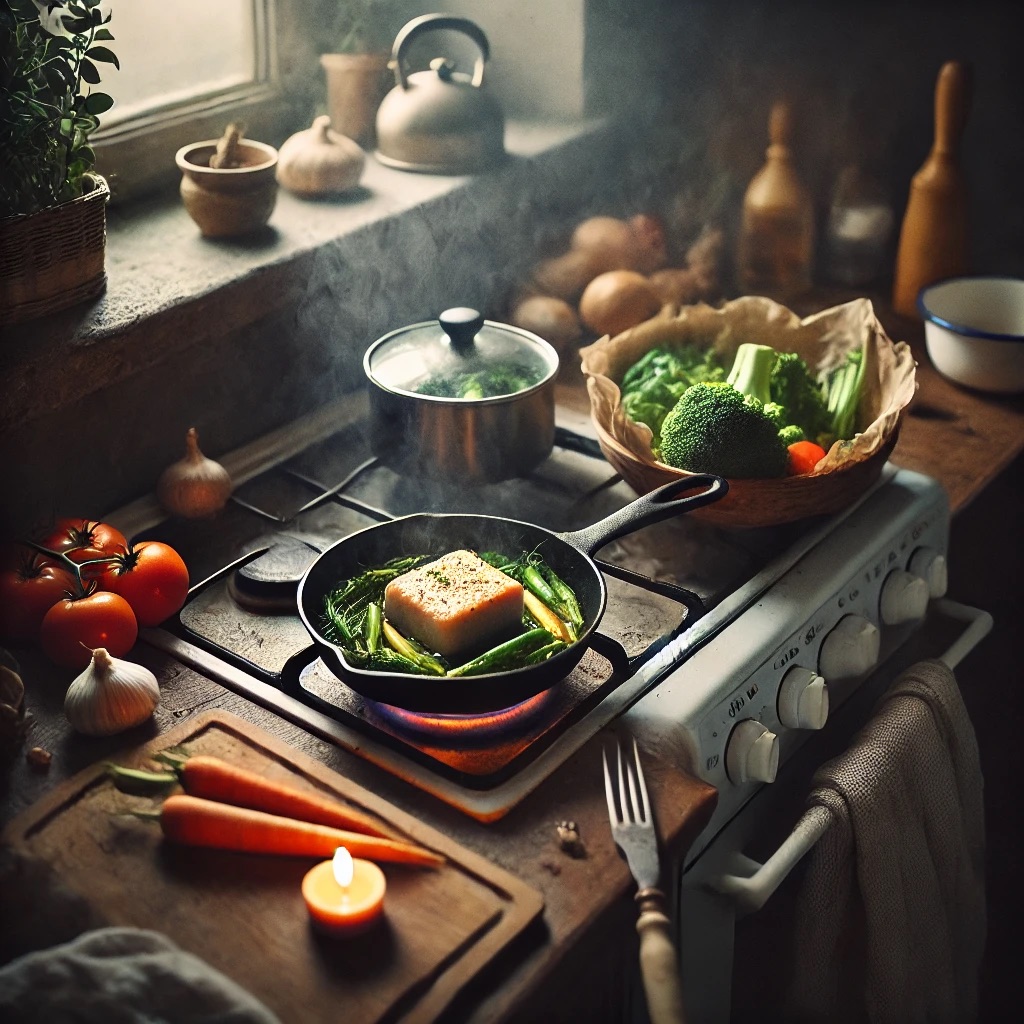
Cooking is an art that thrives on balance. One of the most fascinating aspects of this culinary art is the interplay between acidity and richness in dishes. Mastering this balance can elevate your cooking, enhance flavors, and create memorable meals. In this blog post, we will explore the concepts of acidity and richness, how to pair them effectively, and some delicious examples to inspire your culinary creations.
Understanding Acidity
Acidity in food is often perceived as a sharp, tangy flavor. It can come from various ingredients such as citrus fruits, vinegar, fermented foods, and certain wines. The role of acidity in cooking is crucial; it can brighten flavors, cut through richness, and enhance the overall taste of a dish. Acidity can also provide a refreshing contrast that prevents dishes from feeling heavy or monotonous.
The Role of Richness
Richness, on the other hand, is characterized by its creamy, fatty, or decadent qualities. Ingredients that contribute to richness include butter, cream, cheese, oils, and fatty meats. Richness adds depth and mouthfeel to a dish, creating a satisfying and indulgent experience. However, without a balancing element, richness can overwhelm the palate, leading to a cloying sensation.
The Importance of Balance
Finding the right balance between acidity and richness is essential for creating harmonious dishes. Too much acidity can make a dish taste sour, while excessive richness can dull flavors and create heaviness. Striking the perfect balance allows each component to shine and enhances the overall dining experience.
Techniques for Pairing Acidity and Richness
1. Start with the Base Ingredients
When planning a dish, consider the base ingredients. For example, if you are using a rich protein like duck or pork belly, think about how you can introduce acidity to balance it out. A citrus-based sauce, a vinegar reduction, or a side of pickled vegetables can provide that necessary contrast.
2. Use Acidity to Cut Through Richness
One effective technique is to use acidic components to cut through rich flavors. For instance, a rich creamy pasta can be brightened with a squeeze of lemon juice or a drizzle of balsamic vinegar. The acidity will help cleanse the palate and prevent the dish from feeling overly heavy.
3. Experiment with Fermented Ingredients
Fermented foods are naturally acidic and can add complexity to your dishes. Ingredients like kimchi, sauerkraut, or yogurt provide both acidity and richness, making them perfect for achieving balance. Try adding a dollop of yogurt to a rich curry or serving kimchi alongside fried rice.
4. Incorporate Fresh Herbs and Spices
Fresh herbs and spices can also contribute to balancing richness and acidity. Herbs like cilantro, basil, or mint can add brightness, while spices can enhance flavor without adding weight. A sprinkle of fresh herbs on a rich dish can elevate the flavors and add a fresh touch.
Examples of Perfect Pairings
1. Lemon Butter Sauce with Salmon
Salmon is a rich fish, and pairing it with a zesty lemon butter sauce creates a perfect balance. The acidity of the lemon cuts through the richness of the fish, while the butter adds a luxurious mouthfeel.
2. Caprese Salad
A classic caprese salad features fresh mozzarella, tomatoes, and basil, drizzled with balsamic vinegar. The creamy mozzarella and rich olive oil are beautifully balanced by the acidity of the tomatoes and vinegar, making for a refreshing appetizer.
3. Chocolate Tart with Raspberry Sauce
Desserts can also benefit from the balance of acidity and richness. A rich chocolate tart becomes even more delightful when paired with a tangy raspberry sauce. The acidity of the raspberries cuts through the richness of the chocolate, creating a harmonious dessert experience.
Experiment and Discover Your Preferences
Creating balance in dishes is not only about following rules; it’s about experimenting and discovering what works best for your palate. Don’t be afraid to play with different ingredients and flavors. Taste as you go, and adjust the levels of acidity and richness to suit your preferences.
Conclusion
The art of cooking lies in the balance of flavors. Acidity and richness are two fundamental elements that, when paired correctly, can elevate any dish. By understanding how to use these elements to your advantage, you can create meals that are not only delicious but also memorable. So next time you’re in the kitchen, remember to consider the balance of acidity and richness, and let your culinary creativity flourish!
Related articles
 The Art of Food Pairing
Unlocking Flavor Profiles
 10 Unexpected Flavor Combinations You Need to Try
 Mastering Food Pairing
A Beginner's Guide
 Flavor Harmony
Pairing Spices and Ingredients
 Wine and Cheese
The Ultimate Food Pairing Guide
 Sweet and Savory
Exploring Contrasting Flavors
 The Science Behind Perfect Food Pairings
 Creating Flavor Profiles
A Culinary Adventure
 Seasonal Ingredients
Pairing for Freshness
 Herbs and Spices
Elevating Your Dishes
 Global Cuisine
Unique Food Pairing Ideas from Around the World
 Vegetarian Food Pairing
Mixing Flavors for Plant-Based Dishes
 The Best Flavor Combinations for Grilling Season
 Pairing Sauces with Proteins
A Flavor Guide
 Creating Balance
Pairing Acidity and Richness in Dishes
 Dessert Pairings
Sweet Treats That Complement Each Other
 Crafting the Perfect Charcuterie Board
A Flavor Journey
 Flavor Pairing Myths
What You Should Know
 The Role of Texture in Food Pairing
 Pairing Fruits and Nuts
A Delightful Combination
 The Chemistry of Flavor
Understanding Food Pairing
 Savory Breakfast Ideas
Perfect Pairings to Start Your Day
 Cooking with Kids
Fun Food Pairing Activities
 Pairing Grains with Vegetables
A Nutritious Approach
 Culinary Fusion
Blending Cultures Through Flavor Pairing
 From Farm to Table
Pairing Fresh Ingredients for Maximum Flavor
 Experimenting with Flavor
Tips for Creative Food Pairing
 Fermented Foods
Pairing for Health and Flavor
 The Ultimate Guide to Pairing Chocolate with Other Flavors
 Creating Flavor Pairing Charts for Everyday Cooking
 Pairing Coffee with Food
A Flavorful Experience
 The Evolution of Food Pairing
Trends and Innovations
 Pairing Sours and Bitters
A Unique Flavor Adventure
 Cooking for Two
Romantic Food Pairing Ideas
Flavor Pairing for Entertaining
Impress Your Guests
The Best Food Pairings for Your Next Picnic
Pairing Comfort Foods
Nostalgic Flavor Combinations
Flavor Pairing for Health
Nutritional Combinations That Work
Pairing Proteins and Carbs
A Balanced Approach
Food Pairing for Special Diets
Vegan, Keto, and More
The Future of Food Pairing
Technology and Flavor Innovation
Pairing Global Spices with Local Ingredients
The Flavor Pairing Wheel
How to Use It Effectively
Creating Signature Dishes
Personal Flavor Pairing Techniques
Food Pairing for Flavor Preservation
Techniques and Tips
Pairing Foods for Better Digestion
A Culinary Exploration
Flavor Pairing for Kids
Making Healthy Eating Fun
The Best Food Pairing Apps to Enhance Your Culinary Skills
Pairing Foods with Music
A Sensory Experience
Flavor Pairing for Everyday Meals
Quick and Easy Ideas
Categories


