The art of cooking
AI CHEF Blog

Crafting the Perfect Charcuterie Board: A Flavor Journey
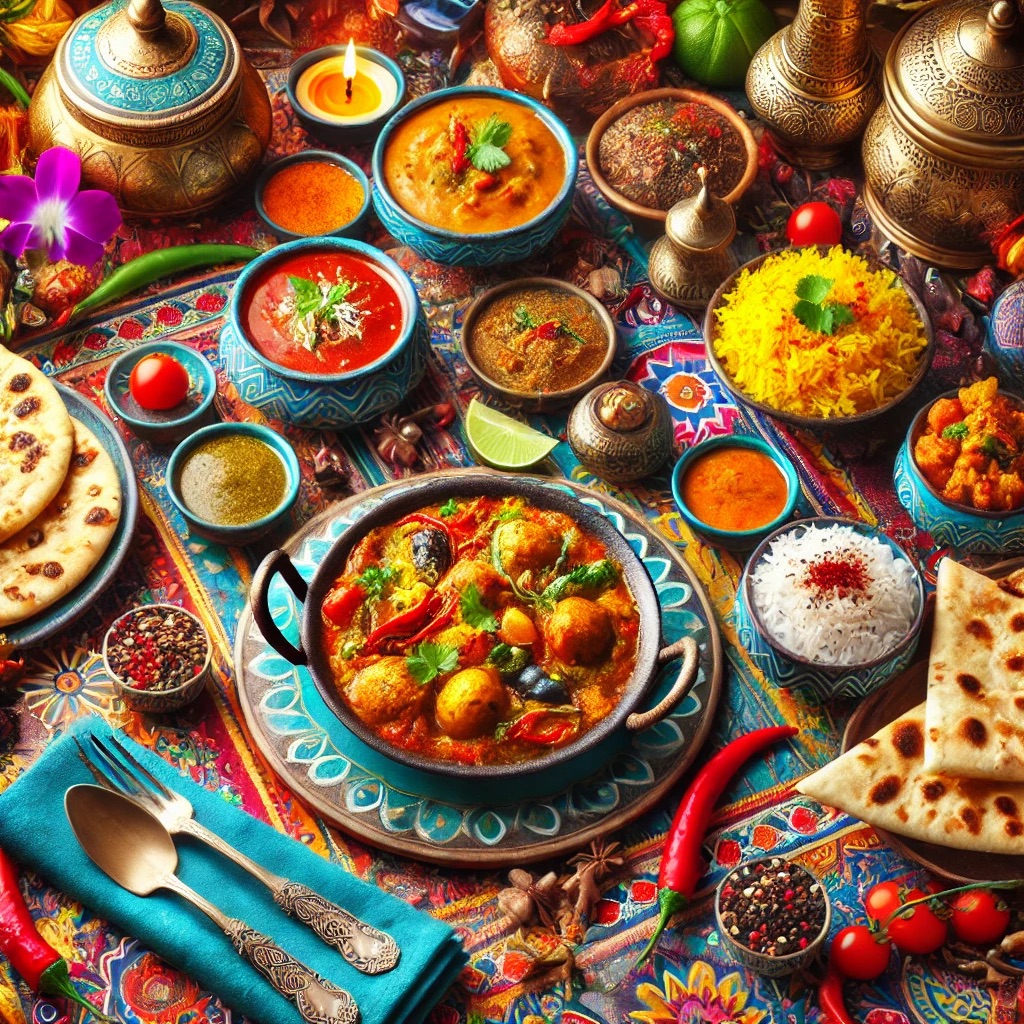
Charcuterie boards have taken the culinary world by storm, transforming from simple appetizer platters into elaborate displays of art and flavor. These boards are not just a feast for the eyes; they offer an exciting journey through a myriad of tastes, textures, and aromas. In this blog post, we will explore the essential components of crafting the perfect charcuterie board, along with tips and tricks to elevate your presentation and flavor combinations.
The Basics of Charcuterie
Before we dive deep into the intricacies of creating a charcuterie board, it’s essential to understand what charcuterie actually means. Originally a French term, charcuterie refers to the art of preparing and assembling cured meats. However, modern charcuterie boards have expanded to include a wide range of items, such as cheeses, fruits, nuts, and spreads. The key to a successful charcuterie board lies in variety and balance.
Choosing Your Meats
The centerpiece of any charcuterie board is the selection of meats. A well-curated assortment can include:
- Salami: A classic choice, salami comes in various flavors and textures. Look for options like Genoa or peppered salami for a bit of spice.
- Prosciutto: This Italian dry-cured ham is known for its delicate flavor and melt-in-your-mouth texture.
- Chorizo: A spicy Spanish sausage made from pork, chorizo adds a robust flavor to the board.
- Pâté: For a gourmet touch, include a small dish of pâté, which can be spread onto crackers or bread.
Selecting Cheeses
Next up is cheese, which adds creaminess and richness to the board. Aim to have a mix of textures and flavors:
- Soft Cheese: Brie or Camembert is perfect for spreading and pairs well with fruits.
- Hard Cheese: Aged cheddar or gouda offers a sharp contrast to the softer cheeses.
- Blue Cheese: For those who enjoy bold flavors, a wedge of blue cheese can add an interesting dimension.
- Goat Cheese: This tangy cheese is fantastic when paired with honey or figs.
Fruits and Vegetables
Fresh fruits and vegetables provide color, freshness, and a contrast to the rich meats and cheeses. Consider these options:
- Fruits: Grapes, figs, and apple slices are classic choices. Dried fruits like apricots and cranberries can also add sweetness.
- Vegetables: Cherry tomatoes, cucumber slices, and radishes offer refreshing crunch and balance.
Accompaniments and Spreads
No charcuterie board is complete without an array of accompaniments. These items enhance the flavors of the meats and cheeses:
- Crackers and Bread: Provide a variety of textures, such as crunchy crackers, baguette slices, or breadsticks.
- Nuts: Almonds, walnuts, or pistachios can add a delightful crunch.
- Spreads: Include options like honey, mustard, or fig jam to complement the flavors of the meats and cheeses.
The Art of Arrangement
Now that you have your ingredients, it’s time to assemble your charcuterie board. Here are some tips for arranging your board:
- Start with a Base: Use a wooden board, marble slab, or large platter as your base. Consider the size of your board based on the number of guests.
- Group Similar Items: Place meats together and cheeses together, but avoid clustering them too closely. This allows guests to easily navigate the board.
- Vary Heights: Use small bowls for spreads or stacks of crackers to create visual interest.
- Add Color: Incorporate colorful fruits and vegetables to make the board visually appealing.
Flavor Pairing Ideas
Pairing flavors is essential when crafting a charcuterie board. Here are some classic and creative combinations to inspire you:
- Prosciutto and Melon: The sweetness of melon perfectly balances the salty prosciutto.
- Brie and Fig Jam: The creamy texture of brie pairs beautifully with the sweetness of fig jam.
- Chorizo and Manchego: The spiciness of chorizo complements the nutty flavor of manchego cheese.
- Goat Cheese and Honey: Drizzling honey over goat cheese elevates its tangy profile.
Final Touches
Once your board is assembled, consider these final touches:
- Garnish: Fresh herbs like rosemary or thyme can add a pop of color and aroma.
- Labeling: If you have an array of meats and cheeses, consider labeling them for your guests.
- Serving Utensils: Provide small tongs, cheese knives, and spoons for spreads to ensure easy serving.
Enjoying the Experience
Crafting a charcuterie board is not just about the food; it’s about the experience. Gather your friends and family, pour a glass of wine, and enjoy the flavors together. Encourage your guests to mix and match different items for a personalized tasting experience. The beauty of a charcuterie board lies in its versatility—there are no rules, only creativity.
Conclusion
In conclusion, crafting the perfect charcuterie board is a delicious journey filled with flavor, color, and creativity. With the right selection of meats, cheeses, fruits, and accompaniments, you can create a stunning presentation that will impress your guests and elevate any gathering. So next time you’re hosting, roll up your sleeves and get ready to embark on a flavor journey that will leave a lasting impression!
Related articles
 The Art of Food Pairing
Unlocking Flavor Profiles
 10 Unexpected Flavor Combinations You Need to Try
 Mastering Food Pairing
A Beginner's Guide
 Flavor Harmony
Pairing Spices and Ingredients
 Wine and Cheese
The Ultimate Food Pairing Guide
 Sweet and Savory
Exploring Contrasting Flavors
 The Science Behind Perfect Food Pairings
 Creating Flavor Profiles
A Culinary Adventure
 Seasonal Ingredients
Pairing for Freshness
 Herbs and Spices
Elevating Your Dishes
 Global Cuisine
Unique Food Pairing Ideas from Around the World
 Vegetarian Food Pairing
Mixing Flavors for Plant-Based Dishes
 The Best Flavor Combinations for Grilling Season
 Pairing Sauces with Proteins
A Flavor Guide
 Creating Balance
Pairing Acidity and Richness in Dishes
 Dessert Pairings
Sweet Treats That Complement Each Other
 Crafting the Perfect Charcuterie Board
A Flavor Journey
 Flavor Pairing Myths
What You Should Know
 The Role of Texture in Food Pairing
 Pairing Fruits and Nuts
A Delightful Combination
 The Chemistry of Flavor
Understanding Food Pairing
 Savory Breakfast Ideas
Perfect Pairings to Start Your Day
 Cooking with Kids
Fun Food Pairing Activities
 Pairing Grains with Vegetables
A Nutritious Approach
 Culinary Fusion
Blending Cultures Through Flavor Pairing
 From Farm to Table
Pairing Fresh Ingredients for Maximum Flavor
 Experimenting with Flavor
Tips for Creative Food Pairing
 Fermented Foods
Pairing for Health and Flavor
 The Ultimate Guide to Pairing Chocolate with Other Flavors
 Creating Flavor Pairing Charts for Everyday Cooking
 Pairing Coffee with Food
A Flavorful Experience
 The Evolution of Food Pairing
Trends and Innovations
 Pairing Sours and Bitters
A Unique Flavor Adventure
 Cooking for Two
Romantic Food Pairing Ideas
Flavor Pairing for Entertaining
Impress Your Guests
The Best Food Pairings for Your Next Picnic
Pairing Comfort Foods
Nostalgic Flavor Combinations
Flavor Pairing for Health
Nutritional Combinations That Work
Pairing Proteins and Carbs
A Balanced Approach
Food Pairing for Special Diets
Vegan, Keto, and More
The Future of Food Pairing
Technology and Flavor Innovation
Pairing Global Spices with Local Ingredients
The Flavor Pairing Wheel
How to Use It Effectively
Creating Signature Dishes
Personal Flavor Pairing Techniques
Food Pairing for Flavor Preservation
Techniques and Tips
Pairing Foods for Better Digestion
A Culinary Exploration
Flavor Pairing for Kids
Making Healthy Eating Fun
The Best Food Pairing Apps to Enhance Your Culinary Skills
Pairing Foods with Music
A Sensory Experience
Flavor Pairing for Everyday Meals
Quick and Easy Ideas
Categories


