The art of cooking
AI CHEF Blog

Experimenting with Flavor: Tips for Creative Food Pairing
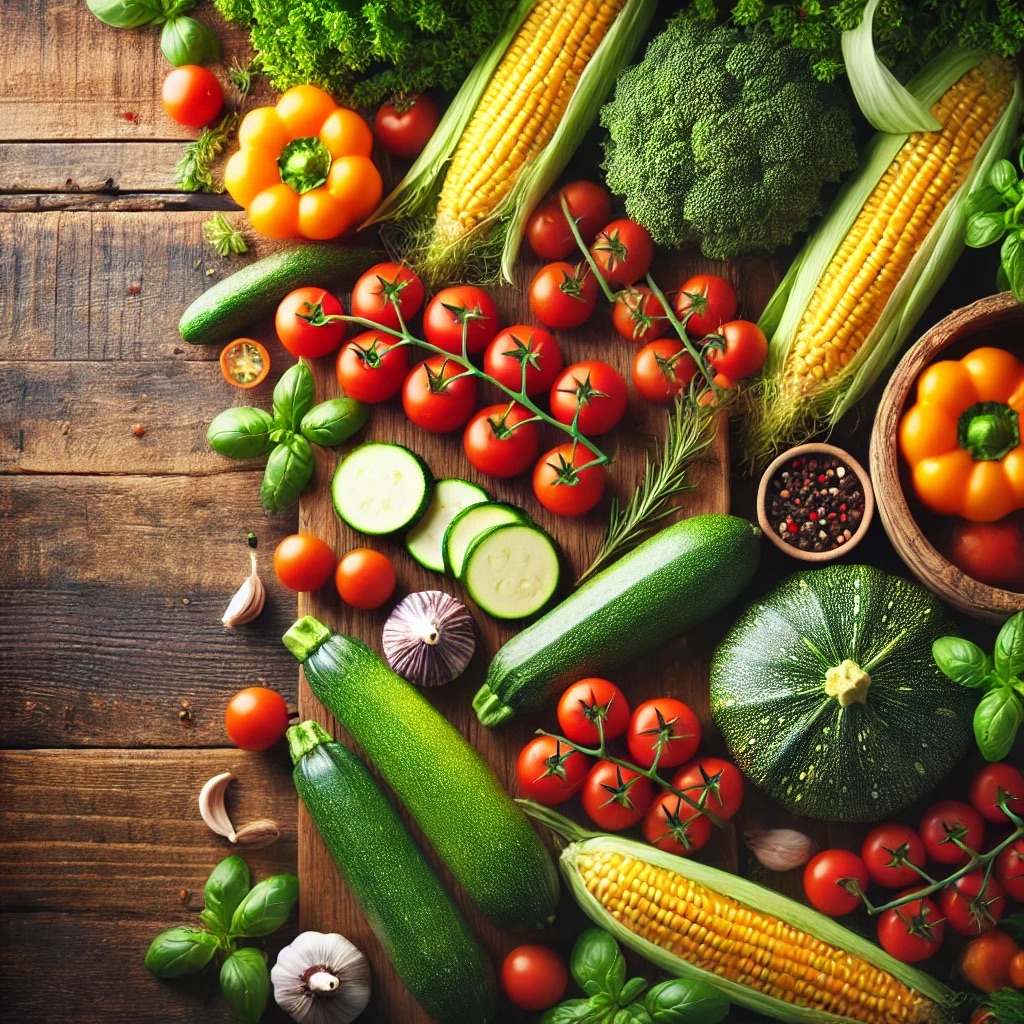
Food pairing is an art form that combines ingredients in unexpected ways to create delicious and satisfying dishes. Whether you're a seasoned chef or a home cook, experimenting with flavors can elevate your culinary creations and surprise your taste buds. In this blog post, we'll explore some tips and techniques for creative food pairing that will inspire you to think outside the box and take your cooking to the next level.
Understanding Flavor Profiles
Before diving into food pairing, it's essential to understand the basic flavor profiles. The primary flavors include:
- Sweet: Often found in fruits, honey, and certain vegetables.
- Sour: Common in citrus fruits, vinegar, and fermented foods.
- Salty: Present in salt, soy sauce, and cured meats.
- Bitter: Found in dark greens, coffee, and certain spices.
- Umami: The savory flavor found in tomatoes, mushrooms, and aged cheeses.
By understanding these flavor profiles, you can start to identify complementary and contrasting flavors that can work well together.
1. Complementary Pairing
Complementary pairing involves combining flavors that enhance each other. This technique often results in balanced and harmonious dishes. Here are some tips for finding complementary flavors:
- Match Sweet with Savory: Sweetness can balance out savory flavors. Think of the classic combination of bacon and maple syrup or sweet potatoes alongside roasted meats.
- Pair Acid with Fat: Acidic ingredients like citrus or vinegar can cut through the richness of fatty foods. A squeeze of lemon over grilled salmon or a vinegar-based dressing on a rich salad works wonders.
- Herbs and Spices: Fresh herbs like basil, cilantro, or rosemary can elevate dishes by adding fresh notes. Spices such as cumin or paprika can deepen the flavor profile of meats and vegetables.
2. Contrasting Pairing
Contrasting pairing involves bringing together flavors that are different or even opposing. This technique can create exciting and memorable taste experiences. Here are some ideas:
- Sweet and Spicy: Combining sweetness with heat can create a tantalizing flavor explosion. Try adding honey to a spicy chili dish or pairing mango with jalapeños for a refreshing salsa.
- Salty and Sweet: The combination of salty and sweet can be irresistible. Consider chocolate-covered pretzels or bacon-wrapped dates as prime examples of this delicious contrast.
- Cold and Hot: Serving a hot dish alongside a cold component can create a delightful textural contrast. A warm spiced apple pie with a scoop of cold vanilla ice cream is a classic example.
3. Regional Pairing
Another approach to food pairing is to explore regional cuisines. Many cultures have developed flavor combinations that complement each other beautifully. Here are a few examples:
- Italian Cuisine: Consider the classic pairing of tomatoes, basil, and mozzarella. The freshness of basil enhances the acidity of tomatoes, while mozzarella adds a creamy texture.
- Mexican Cuisine: The combination of lime, cilantro, and avocado is a staple in many Mexican dishes. The acidity of lime brightens the richness of avocado, while cilantro adds a fresh herbal note.
- Indian Cuisine: The use of spices like cumin, coriander, and turmeric in curries creates complex flavor profiles. Pairing these spices with coconut milk can create a rich and creamy sauce.
4. Seasonal Pairing
Using seasonal ingredients can enhance the freshness and flavor of your dishes. Seasonal produce is often at its peak flavor, making it an excellent choice for creative pairing. Here are some seasonal pairing ideas:
- Spring: Peas and mint make a refreshing combination, while asparagus pairs well with lemon and parmesan.
- Summer: Tomatoes and basil are a classic pairing, while peaches and burrata create a delightful sweet and savory dish.
- Fall: Pumpkin and sage are a perfect match, while apples and cheddar cheese create a comforting combination.
- Winter: Root vegetables like carrots and parsnips can be roasted with thyme for a warming side dish, while citrus fruits can brighten up winter salads.
5. Experimenting with Textures
Texture plays a significant role in the overall dining experience. Combining different textures can create a more enjoyable dish. Here are some texture pairing ideas:
- Crispy and Creamy: Think of crispy fried chicken served with creamy coleslaw or crunchy roasted chickpeas sprinkled over a smooth hummus.
- Soft and Crunchy: A soft poached egg on top of a crunchy salad can create a delightful contrast in textures.
- Chewy and Tender: Pairing chewy grains like farro with tender roasted vegetables can provide a satisfying mouthfeel.
6. Keeping a Flavor Journal
As you experiment with different flavor pairings, consider keeping a flavor journal. Document your successful combinations, along with any notes on what worked and what didn’t. This journal can serve as a valuable reference for future cooking endeavors and help you refine your palate.
7. Don't Be Afraid to Make Mistakes
Finally, remember that cooking is an art, and experimentation is key. Not every pairing will be a hit, and that's okay! Embrace the process of trial and error, and don’t be afraid to take risks. Some of the best culinary discoveries come from unexpected combinations.
Conclusion
Experimenting with flavor and food pairing is a fun and rewarding journey that can lead to exciting culinary creations. By understanding flavor profiles, exploring complementary and contrasting pairings, and considering regional and seasonal ingredients, you can expand your culinary repertoire. Remember to play with textures and keep a flavor journal to track your discoveries. Most importantly, enjoy the process and have fun in the kitchen!
Related articles
 The Art of Food Pairing
Unlocking Flavor Profiles
 10 Unexpected Flavor Combinations You Need to Try
 Mastering Food Pairing
A Beginner's Guide
 Flavor Harmony
Pairing Spices and Ingredients
 Wine and Cheese
The Ultimate Food Pairing Guide
 Sweet and Savory
Exploring Contrasting Flavors
 The Science Behind Perfect Food Pairings
 Creating Flavor Profiles
A Culinary Adventure
 Seasonal Ingredients
Pairing for Freshness
 Herbs and Spices
Elevating Your Dishes
 Global Cuisine
Unique Food Pairing Ideas from Around the World
 Vegetarian Food Pairing
Mixing Flavors for Plant-Based Dishes
 The Best Flavor Combinations for Grilling Season
 Pairing Sauces with Proteins
A Flavor Guide
 Creating Balance
Pairing Acidity and Richness in Dishes
 Dessert Pairings
Sweet Treats That Complement Each Other
 Crafting the Perfect Charcuterie Board
A Flavor Journey
 Flavor Pairing Myths
What You Should Know
 The Role of Texture in Food Pairing
 Pairing Fruits and Nuts
A Delightful Combination
 The Chemistry of Flavor
Understanding Food Pairing
 Savory Breakfast Ideas
Perfect Pairings to Start Your Day
 Cooking with Kids
Fun Food Pairing Activities
 Pairing Grains with Vegetables
A Nutritious Approach
 Culinary Fusion
Blending Cultures Through Flavor Pairing
 From Farm to Table
Pairing Fresh Ingredients for Maximum Flavor
 Experimenting with Flavor
Tips for Creative Food Pairing
 Fermented Foods
Pairing for Health and Flavor
 The Ultimate Guide to Pairing Chocolate with Other Flavors
 Creating Flavor Pairing Charts for Everyday Cooking
 Pairing Coffee with Food
A Flavorful Experience
 The Evolution of Food Pairing
Trends and Innovations
 Pairing Sours and Bitters
A Unique Flavor Adventure
 Cooking for Two
Romantic Food Pairing Ideas
Flavor Pairing for Entertaining
Impress Your Guests
The Best Food Pairings for Your Next Picnic
Pairing Comfort Foods
Nostalgic Flavor Combinations
Flavor Pairing for Health
Nutritional Combinations That Work
Pairing Proteins and Carbs
A Balanced Approach
Food Pairing for Special Diets
Vegan, Keto, and More
The Future of Food Pairing
Technology and Flavor Innovation
Pairing Global Spices with Local Ingredients
The Flavor Pairing Wheel
How to Use It Effectively
Creating Signature Dishes
Personal Flavor Pairing Techniques
Food Pairing for Flavor Preservation
Techniques and Tips
Pairing Foods for Better Digestion
A Culinary Exploration
Flavor Pairing for Kids
Making Healthy Eating Fun
The Best Food Pairing Apps to Enhance Your Culinary Skills
Pairing Foods with Music
A Sensory Experience
Flavor Pairing for Everyday Meals
Quick and Easy Ideas
Categories


