The art of cooking
AI CHEF Blog

Pairing Sours and Bitters: A Unique Flavor Adventure
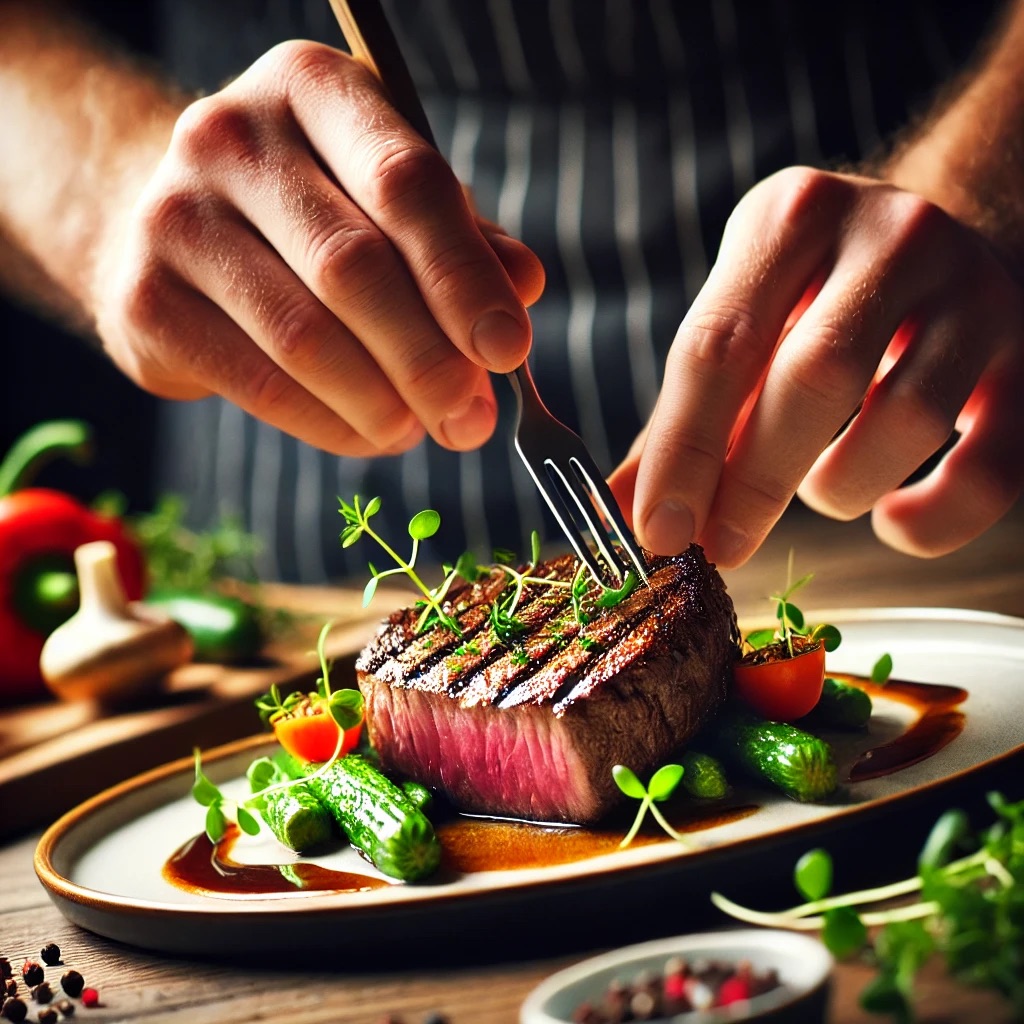
Welcome to the world of flavor exploration, where the tangy brightness of sours meets the deep complexity of bitters. This journey will take you through the fascinating realm of taste, showcasing how these two contrasting elements can come together to create a symphony of flavors that tantalize the palate.
Understanding Sours and Bitters
Before diving into the art of pairing, let’s first understand what we mean by sours and bitters. Sours are typically characterized by their acidity, often derived from citrus fruits like lemons, limes, or vinegar-based ingredients. They bring a refreshing zing to dishes and drinks, cutting through richness and adding brightness.
Bitters, on the other hand, are complex flavor enhancers that usually incorporate a blend of herbs, spices, and other botanicals, often with an underlying bitterness. They are used in cocktails and culinary creations to add depth and complexity, balancing out sweetness and acidity.
The Magic of Pairing
Pairing sours and bitters is akin to creating a dance between two contrasting elements. The acidity of a sour can brighten the layered flavors of bitters. When done right, this pairing can elevate your culinary and mixology experiences to new heights.
1. The Sweet and Sour Balance
One of the most crucial aspects of pairing sours and bitters is achieving a balance of flavors. A classic example is the Whiskey Sour, where the tartness of lemon juice is complemented by the aromatic complexity of bitters. When you add a few dashes of aromatic bitters, you not only enhance the drink's depth but also create a harmonious balance that is both refreshing and satisfying.
2. Complementary Flavors
Different sours and bitters can work together based on their flavor profiles. For instance, if you’re working with a grapefruit sour, consider pairing it with an herbal bitter like grapefruit bitters or even a rosemary-based bitter. The herbal notes can enhance the overall experience, creating a cohesive flavor profile.
3. Experimenting with Ingredients
Don’t be afraid to experiment! The beauty of culinary arts lies in creativity. Try pairing a lime sour with chocolate bitters for an unexpected yet delightful contrast. The richness of chocolate can mellow the tangy lime, resulting in a complex flavor that surprises the palate.
Pairing Ideas for Cocktails
Let’s explore some specific cocktail recipes that showcase the wonderful pairing of sours and bitters:
1. Classic Daiquiri with Angostura Bitters
- Ingredients: 2 oz white rum, 1 oz fresh lime juice, 0.75 oz simple syrup, 2 dashes Angostura bitters.
- Instructions: Shake all ingredients with ice and strain into a chilled glass. Garnish with a lime wheel.
The addition of Angostura bitters to this classic cocktail adds aromatic complexity and enhances the lime’s acidity.
2. Lavender Lemonade with Lavender Bitters
- Ingredients: 2 oz fresh lemon juice, 1 oz lavender syrup, 2 dashes lavender bitters, soda water.
- Instructions: Mix lemon juice and lavender syrup, add bitters, and top with soda water. Serve over ice with a lavender sprig.
The floral notes of lavender bitters complement the tartness of lemon, creating a refreshing summer drink.
3. Pisco Sour with Orange Bitters
- Ingredients: 2 oz pisco, 1 oz fresh lime juice, 0.75 oz simple syrup, 1 egg white, 2 dashes orange bitters.
- Instructions: Dry shake all ingredients first, then add ice and shake again. Strain into a glass and garnish with a dash of bitters on top.
In this South American classic, the orange bitters add a delightful citrus aroma that enhances the overall experience.
Pairing Ideas for Culinary Creations
It’s not just cocktails that benefit from the pairing of sours and bitters. Here are some culinary applications:
1. Citrus Salad with Bitter Greens
Combine segmented oranges, grapefruit, and lemon with bitter greens like arugula or radicchio. Drizzle with a vinaigrette that includes a splash of vinegar and a dash of orange bitters to bring the dish together.
2. Roasted Beet Salad with Balsamic & Bitters
Roast beets until tender and slice them thinly. Serve over a bed of mixed greens, topped with crumbled goat cheese and a vinaigrette made with balsamic vinegar and a hint of aromatic bitters.
3. Grilled Fish with Citrus-Bitter Marinade
Marinate your fish of choice in a mixture of lemon juice, olive oil, and a few dashes of bitters before grilling. The acidity of the marinade will keep the fish moist while the bitters add layered flavors.
Tips for Successful Pairing
To help you navigate the world of sour and bitter pairings, consider the following tips:
- Taste as You Go: Always taste your concoctions as you balance sours and bitters to ensure a harmonious blend.
- Start Small: When adding bitters, start with a few dashes. You can always add more, but it’s hard to take away once it’s in.
- Know Your Ingredients: Familiarize yourself with the flavor profiles of different bitters and sours. This knowledge will help you make informed pairing choices.
Conclusion
Pairing sours and bitters is a unique flavor adventure that invites creativity and exploration. Whether in cocktails or culinary dishes, the contrast of acidity and complexity can lead to delightful discoveries. So grab your favorite spirits, fresh fruits, and an assortment of bitters, and embark on your own flavor journey!
Happy mixing and tasting!
Related articles
 The Art of Food Pairing
Unlocking Flavor Profiles
 10 Unexpected Flavor Combinations You Need to Try
 Mastering Food Pairing
A Beginner's Guide
 Flavor Harmony
Pairing Spices and Ingredients
 Wine and Cheese
The Ultimate Food Pairing Guide
 Sweet and Savory
Exploring Contrasting Flavors
 The Science Behind Perfect Food Pairings
 Creating Flavor Profiles
A Culinary Adventure
 Seasonal Ingredients
Pairing for Freshness
 Herbs and Spices
Elevating Your Dishes
 Global Cuisine
Unique Food Pairing Ideas from Around the World
 Vegetarian Food Pairing
Mixing Flavors for Plant-Based Dishes
 The Best Flavor Combinations for Grilling Season
 Pairing Sauces with Proteins
A Flavor Guide
 Creating Balance
Pairing Acidity and Richness in Dishes
 Dessert Pairings
Sweet Treats That Complement Each Other
 Crafting the Perfect Charcuterie Board
A Flavor Journey
 Flavor Pairing Myths
What You Should Know
 The Role of Texture in Food Pairing
 Pairing Fruits and Nuts
A Delightful Combination
 The Chemistry of Flavor
Understanding Food Pairing
 Savory Breakfast Ideas
Perfect Pairings to Start Your Day
 Cooking with Kids
Fun Food Pairing Activities
 Pairing Grains with Vegetables
A Nutritious Approach
 Culinary Fusion
Blending Cultures Through Flavor Pairing
 From Farm to Table
Pairing Fresh Ingredients for Maximum Flavor
 Experimenting with Flavor
Tips for Creative Food Pairing
 Fermented Foods
Pairing for Health and Flavor
 The Ultimate Guide to Pairing Chocolate with Other Flavors
 Creating Flavor Pairing Charts for Everyday Cooking
 Pairing Coffee with Food
A Flavorful Experience
 The Evolution of Food Pairing
Trends and Innovations
 Pairing Sours and Bitters
A Unique Flavor Adventure
 Cooking for Two
Romantic Food Pairing Ideas
Flavor Pairing for Entertaining
Impress Your Guests
The Best Food Pairings for Your Next Picnic
Pairing Comfort Foods
Nostalgic Flavor Combinations
Flavor Pairing for Health
Nutritional Combinations That Work
Pairing Proteins and Carbs
A Balanced Approach
Food Pairing for Special Diets
Vegan, Keto, and More
The Future of Food Pairing
Technology and Flavor Innovation
Pairing Global Spices with Local Ingredients
The Flavor Pairing Wheel
How to Use It Effectively
Creating Signature Dishes
Personal Flavor Pairing Techniques
Food Pairing for Flavor Preservation
Techniques and Tips
Pairing Foods for Better Digestion
A Culinary Exploration
Flavor Pairing for Kids
Making Healthy Eating Fun
The Best Food Pairing Apps to Enhance Your Culinary Skills
Pairing Foods with Music
A Sensory Experience
Flavor Pairing for Everyday Meals
Quick and Easy Ideas
Categories