The art of cooking
AI CHEF Blog

Creating Signature Dishes: The Role of Unique Flavor Pairings
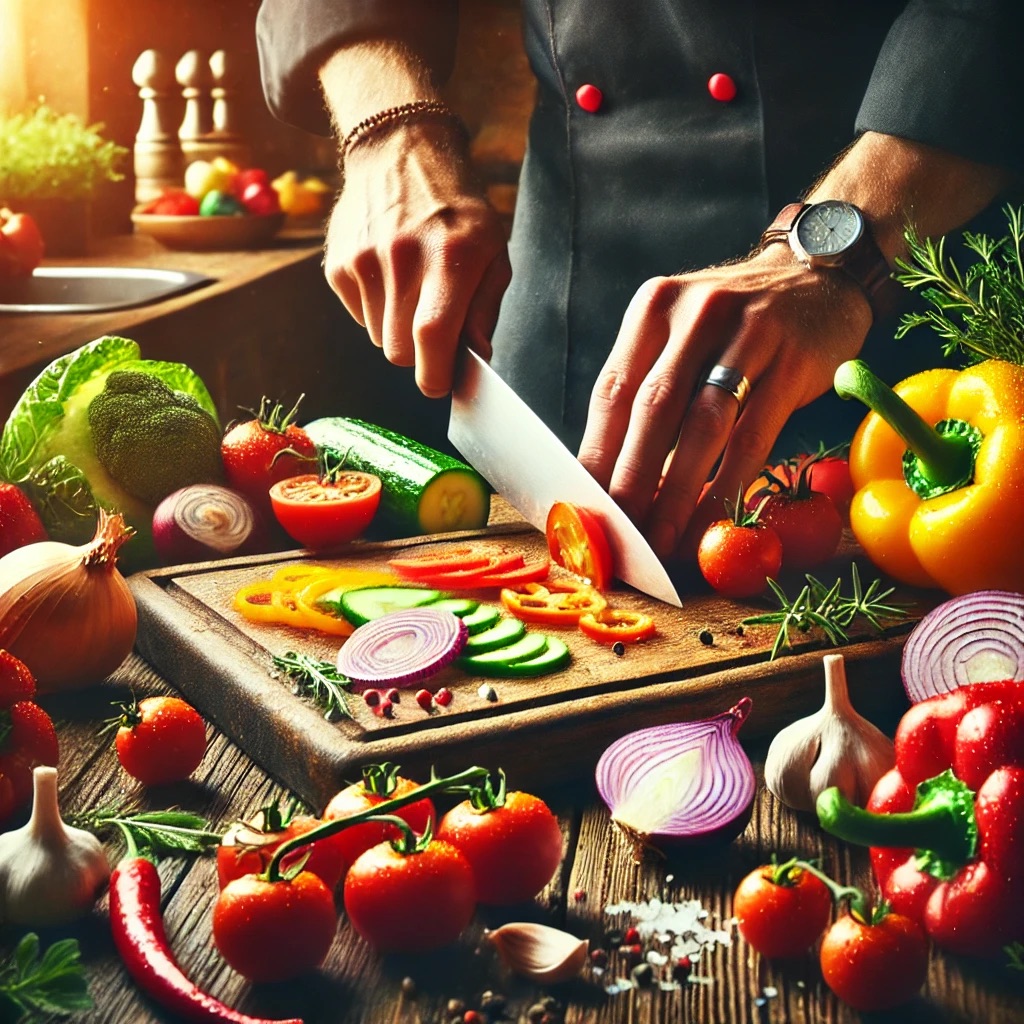
Every chef dreams of creating a signature dish that stands out in the crowded culinary world. A signature dish not only showcases a chef's skill but also tells a story, evokes emotion, and leaves a lasting impression on diners. One of the most crucial elements in crafting these memorable dishes is the art of flavor pairing. In this blog post, we will explore the importance of unique flavor pairings in creating signature dishes, how to identify complementary and contrasting flavors, and some practical tips to enhance your culinary creations.
The Essence of Flavor Pairing
Flavor pairing is the practice of combining different ingredients to create a dish that is harmonious and appealing to the palate. At its core, flavor pairing can be categorized into two types: complementary and contrasting.
- Complementary Flavors: These are flavors that enhance each other, creating a balanced and cohesive taste. For example, the pairing of sweet and savory, such as caramelized onions with goat cheese, is a classic example of complementary flavors. The sweetness of the onions enhances the creaminess of the cheese, creating a delightful bite.
- Contrasting Flavors: In contrast, these flavors play off each other to create a dynamic taste experience. Think of the combination of rich chocolate and tart raspberries. The tartness cuts through the richness of the chocolate, providing a refreshing contrast that keeps the palate engaged.
Identifying Unique Flavor Pairings
Creating signature dishes requires a deep understanding of the ingredients you are working with. Here are some strategies to help you identify unique flavor pairings:
- Explore Flavor Profiles: Every ingredient has a flavor profile that includes its primary taste (sweet, sour, salty, bitter, umami) as well as its secondary flavors (herbal, nutty, fruity, etc.). Start by familiarizing yourself with these profiles. For instance, citrus fruits are usually bright and zesty, which can complement rich, fatty dishes like duck or pork.
- Experiment with Herbs and Spices: Herbs and spices can elevate a dish by adding layers of flavor that enhance or contrast with the main ingredients. For example, pairing fresh basil with strawberries creates a refreshing sweetness that surprises the palate.
- Utilize Flavor Pairing Charts: Many chefs and culinary enthusiasts use flavor pairing charts as a guide to finding compatible flavors. These charts are based on scientific research, showing which ingredients naturally go well together. They can be an excellent starting point for creating your unique pairings.
Creating Balance in Your Dishes
Balance is key when it comes to creating a signature dish. A dish that is too salty, sweet, or bitter can overwhelm the palate and detract from the overall experience. Here are some tips for achieving balance:
- Consider Texture: Flavor is not the only component of a dish; texture plays a significant role as well. Combining creamy, crunchy, and chewy textures can create a more satisfying eating experience. Think of a dish that includes a crispy topping over a smooth puree.
- Think About Acidity: Acidity can brighten flavors and provide a counterpoint to richness. A squeeze of lemon juice or a splash of vinegar can elevate a dish and bring all the flavors together. For instance, a rich pasta dish can be invigorated with a touch of lemon zest.
- Layer Flavors: Start with a base flavor and then build upon it with additional ingredients. For example, a dish might begin with a savory broth, then be enhanced with fresh herbs, spices, and a touch of sweetness from caramelized vegetables.
Incorporating Cultural Influences
Cuisine is deeply influenced by culture, and incorporating elements from various culinary traditions can lead to exciting flavor pairings. Here are some ways to creatively combine cultural influences:
- Fusion Cuisine: Many chefs experiment with fusion cuisine, blending traditional dishes from different cultures to create something entirely new. For example, a sushi burrito combines the flavors of sushi with the convenience of a burrito, offering a unique and portable dining experience.
- Regional Ingredients: Explore local markets to find seasonal and regional ingredients that can inspire your dishes. Utilizing local produce not only enhances flavor but also supports your community.
- Historical Context: Understanding the history and significance of certain ingredients can lead to unique pairings. For example, pairing traditional Italian ingredients with Asian flavors can produce unexpected and delightful results.
Practical Tips for Creating Signature Dishes
Now that we have explored the importance of flavor pairings and how to identify them, here are some practical tips to help you create your signature dishes:
- Start Simple: Don’t overcomplicate your dish. Begin with a few key ingredients and build upon them. As you become more comfortable with flavor pairings, you can gradually introduce more complexity.
- Taste as You Go: One of the most important rules in cooking is to taste your food throughout the cooking process. This allows you to adjust flavors as needed and ensures that your final dish is well-balanced.
- Document Your Creations: Keep a journal of your flavor pairings and dishes. This will not only help you remember successful combinations but also inspire future creations.
- Be Open to Experimentation: Don’t be afraid to take risks in the kitchen. Some of the best dishes come from unexpected flavor combinations that you stumble upon through experimentation.
Conclusion
Creating a signature dish is both an art and a science, and unique flavor pairings play a vital role in this process. By understanding the principles of flavor pairing, identifying complementary and contrasting flavors, and incorporating cultural influences, you can craft memorable dishes that leave a lasting impression on your diners. Remember, the key to success in the kitchen is to keep experimenting, tasting, and enjoying the journey of culinary creation.
Happy cooking!
Related articles
 The Art of Food Pairing
Unlocking Flavor Profiles
 10 Unexpected Flavor Combinations You Need to Try
 Mastering Food Pairing
A Beginner's Guide
 Flavor Harmony
Pairing Spices and Ingredients
 Wine and Cheese
The Ultimate Food Pairing Guide
 Sweet and Savory
Exploring Contrasting Flavors
 The Science Behind Perfect Food Pairings
 Creating Flavor Profiles
A Culinary Adventure
 Seasonal Ingredients
Pairing for Freshness
 Herbs and Spices
Elevating Your Dishes
 Global Cuisine
Unique Food Pairing Ideas from Around the World
 Vegetarian Food Pairing
Mixing Flavors for Plant-Based Dishes
 The Best Flavor Combinations for Grilling Season
 Pairing Sauces with Proteins
A Flavor Guide
 Creating Balance
Pairing Acidity and Richness in Dishes
 Dessert Pairings
Sweet Treats That Complement Each Other
 Crafting the Perfect Charcuterie Board
A Flavor Journey
 Flavor Pairing Myths
What You Should Know
 The Role of Texture in Food Pairing
 Pairing Fruits and Nuts
A Delightful Combination
 The Chemistry of Flavor
Understanding Food Pairing
 Savory Breakfast Ideas
Perfect Pairings to Start Your Day
 Cooking with Kids
Fun Food Pairing Activities
 Pairing Grains with Vegetables
A Nutritious Approach
 Culinary Fusion
Blending Cultures Through Flavor Pairing
 From Farm to Table
Pairing Fresh Ingredients for Maximum Flavor
 Experimenting with Flavor
Tips for Creative Food Pairing
 Fermented Foods
Pairing for Health and Flavor
 The Ultimate Guide to Pairing Chocolate with Other Flavors
 Creating Flavor Pairing Charts for Everyday Cooking
 Pairing Coffee with Food
A Flavorful Experience
 The Evolution of Food Pairing
Trends and Innovations
 Pairing Sours and Bitters
A Unique Flavor Adventure
 Cooking for Two
Romantic Food Pairing Ideas
Flavor Pairing for Entertaining
Impress Your Guests
The Best Food Pairings for Your Next Picnic
Pairing Comfort Foods
Nostalgic Flavor Combinations
Flavor Pairing for Health
Nutritional Combinations That Work
Pairing Proteins and Carbs
A Balanced Approach
Food Pairing for Special Diets
Vegan, Keto, and More
The Future of Food Pairing
Technology and Flavor Innovation
Pairing Global Spices with Local Ingredients
The Flavor Pairing Wheel
How to Use It Effectively
Creating Signature Dishes
Personal Flavor Pairing Techniques
Food Pairing for Flavor Preservation
Techniques and Tips
Pairing Foods for Better Digestion
A Culinary Exploration
Flavor Pairing for Kids
Making Healthy Eating Fun
The Best Food Pairing Apps to Enhance Your Culinary Skills
Pairing Foods with Music
A Sensory Experience
Flavor Pairing for Everyday Meals
Quick and Easy Ideas
Categories


