The art of cooking
AI CHEF Blog

The Future of Food Pairing: Technology and Flavor Innovation
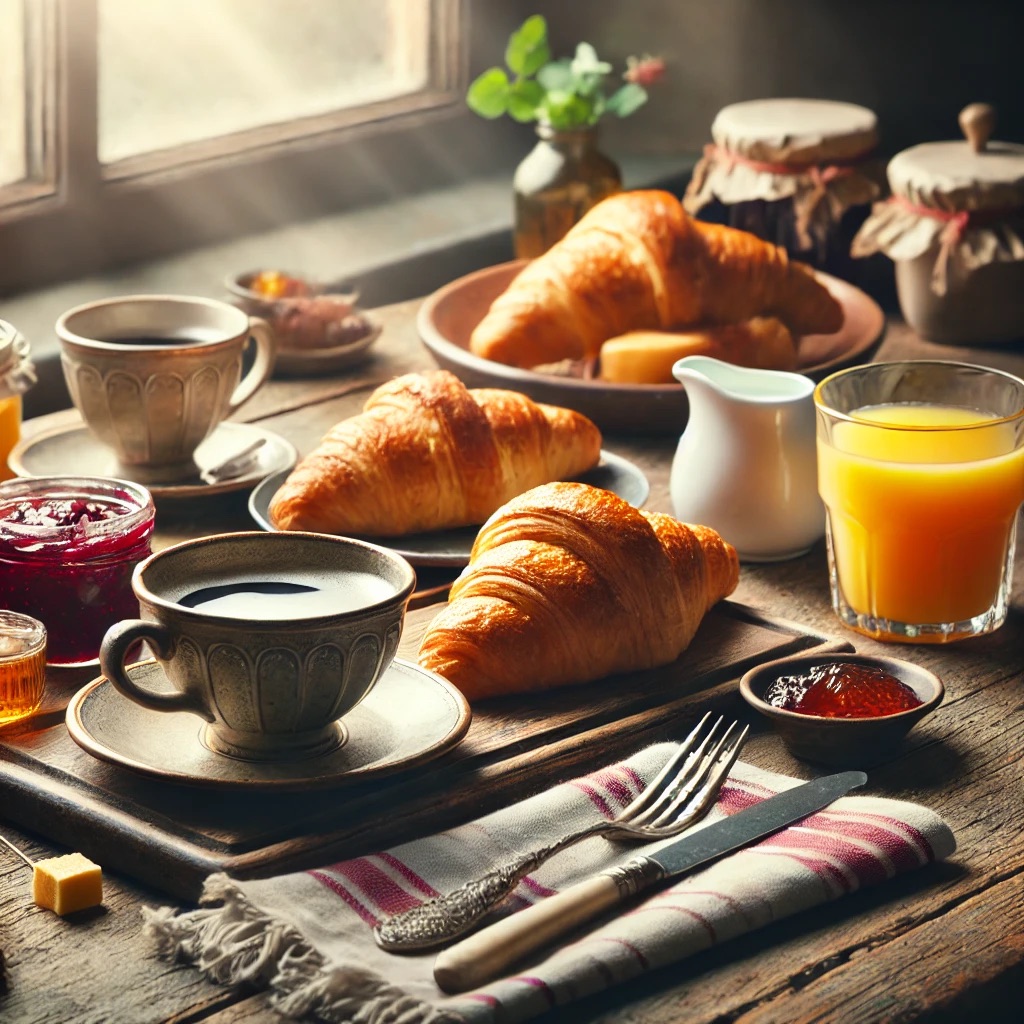
Food pairing is an art form that combines flavors, aromas, and textures to create a harmonious culinary experience. As our understanding of flavors evolves, so does our ability to innovate and explore new combinations. In recent years, technology has revolutionized the way we think about food pairing, enabling chefs, food scientists, and home cooks alike to experiment with flavors like never before. This blog post will explore the future of food pairing, focusing on the role of technology and flavor innovation.
The Science of Flavor
To understand the future of food pairing, we must first grasp the science of flavor. Flavor is a complex interplay of taste, aroma, and mouthfeel. Traditional culinary wisdom often relied on experience and intuition to determine which foods pair well together. However, advancements in food science have provided us with valuable insights into how different flavors interact.
For instance, the concept of flavor compounds has emerged, indicating that certain molecules can evoke similar taste sensations. By analyzing the chemical profiles of various ingredients, scientists can identify complementary flavor compounds that enhance the overall dining experience. This data-driven approach to flavor pairing lays the groundwork for future innovations.
The Role of Technology
Technology is at the forefront of flavor innovation, offering tools that enhance our understanding of food pairing. Here are a few key ways technology is shaping the future of flavor:
1. Flavor Databases and Algorithms
With the rise of big data, flavor databases have become increasingly popular. These databases compile extensive information on the chemical composition of different ingredients, as well as their historical pairings in various cuisines. Algorithms can analyze this data and suggest new combinations based on shared flavor compounds.
For example, companies like Foodpairing and Flavor Network have developed platforms that allow users to input an ingredient and receive a list of potential pairings. This not only empowers chefs to experiment with new flavors but also encourages home cooks to step out of their comfort zones.
2. Artificial Intelligence and Machine Learning
Artificial intelligence (AI) is another significant player in the food pairing arena. AI systems can analyze vast amounts of culinary data, including recipes, reviews, and even social media posts, to identify trends and preferences in flavor combinations.
Some startups are using machine learning algorithms to create unique recipes tailored to individual tastes. By processing user preferences, these systems can suggest personalized food pairings, making the dining experience more enjoyable and tailored.
3. Virtual Reality and Augmented Reality
Virtual reality (VR) and augmented reality (AR) are transforming how we experience food. These technologies allow chefs and consumers to visualize flavor pairings in immersive environments. Imagine putting on a VR headset and walking through a virtual kitchen, where you can experiment with different ingredients and see how they interact in real-time.
AR applications can also enhance the cooking experience by providing real-time information about ingredients. For instance, an AR app could overlay information about the flavor compounds in a particular herb or spice, helping cooks understand how it might complement other ingredients in their dish.
Flavor Innovation in the Culinary World
As technology continues to advance, we can expect to see more innovative flavor pairings in the culinary world. Here are some exciting trends to watch for:
1. Global Flavor Fusion
The world is becoming more connected, and culinary traditions are blending in exciting ways. Technology enables chefs to explore global cuisines and experiment with unique flavor combinations that may have seemed unconventional in the past. For example, the fusion of traditional Asian ingredients with Western techniques has led to the rise of dishes like sushi burritos and Korean tacos.
This trend is likely to continue as chefs leverage technology to discover new flavor pairings that transcend cultural boundaries.
2. Plant-Based Innovations
As the demand for plant-based foods grows, so does the need for innovative flavor pairings. Technology can help food scientists develop new plant-based ingredients that mimic the flavors and textures of traditional animal products. This innovation opens the door for exciting new pairings that can satisfy a wide range of dietary preferences.
For instance, the use of fermented ingredients, such as kimchi or miso, can add depth and umami to plant-based dishes, creating bold flavors that appeal to both vegans and omnivores.
3. Sustainable Pairing
As sustainability becomes a priority for consumers and chefs alike, technology can help identify flavor pairings that utilize local and seasonal ingredients. By analyzing the availability of ingredients and their flavor profiles, chefs can create dishes that are both delicious and environmentally friendly.
For example, a chef might use a flavor pairing algorithm to suggest seasonal vegetables that complement a particular fish or grain, reducing the carbon footprint of their menu while enhancing the overall dining experience.
The Future of Food Pairing: A Collaborative Approach
As we look ahead, the future of food pairing will likely be characterized by collaboration among chefs, food scientists, and technologists. This interdisciplinary approach will enable us to explore new flavor combinations and innovate in ways we have yet to imagine.
Chefs will continue to rely on their intuition and creativity, but with the support of technology, they can make informed decisions about flavor pairings. Likewise, food scientists will benefit from the culinary perspective, ensuring that innovations are not only scientifically sound but also delicious.
Conclusion
The future of food pairing is bright, with technology and flavor innovation paving the way for exciting culinary experiences. As we embrace data-driven insights, AI algorithms, and immersive technologies, we can look forward to a world where flavor possibilities are endless. Whether you're a professional chef or a home cook, the tools of the future will empower you to experiment, innovate, and discover new flavor combinations that delight the senses.
As we continue to explore the intersection of technology and gastronomy, one thing is certain: the future of food pairing promises to be as dynamic and diverse as the world itself.
Related articles
 The Art of Food Pairing
Unlocking Flavor Profiles
 10 Unexpected Flavor Combinations You Need to Try
 Mastering Food Pairing
A Beginner's Guide
 Flavor Harmony
Pairing Spices and Ingredients
 Wine and Cheese
The Ultimate Food Pairing Guide
 Sweet and Savory
Exploring Contrasting Flavors
 The Science Behind Perfect Food Pairings
 Creating Flavor Profiles
A Culinary Adventure
 Seasonal Ingredients
Pairing for Freshness
 Herbs and Spices
Elevating Your Dishes
 Global Cuisine
Unique Food Pairing Ideas from Around the World
 Vegetarian Food Pairing
Mixing Flavors for Plant-Based Dishes
 The Best Flavor Combinations for Grilling Season
 Pairing Sauces with Proteins
A Flavor Guide
 Creating Balance
Pairing Acidity and Richness in Dishes
 Dessert Pairings
Sweet Treats That Complement Each Other
 Crafting the Perfect Charcuterie Board
A Flavor Journey
 Flavor Pairing Myths
What You Should Know
 The Role of Texture in Food Pairing
 Pairing Fruits and Nuts
A Delightful Combination
 The Chemistry of Flavor
Understanding Food Pairing
 Savory Breakfast Ideas
Perfect Pairings to Start Your Day
 Cooking with Kids
Fun Food Pairing Activities
 Pairing Grains with Vegetables
A Nutritious Approach
 Culinary Fusion
Blending Cultures Through Flavor Pairing
 From Farm to Table
Pairing Fresh Ingredients for Maximum Flavor
 Experimenting with Flavor
Tips for Creative Food Pairing
 Fermented Foods
Pairing for Health and Flavor
 The Ultimate Guide to Pairing Chocolate with Other Flavors
 Creating Flavor Pairing Charts for Everyday Cooking
 Pairing Coffee with Food
A Flavorful Experience
 The Evolution of Food Pairing
Trends and Innovations
 Pairing Sours and Bitters
A Unique Flavor Adventure
 Cooking for Two
Romantic Food Pairing Ideas
Flavor Pairing for Entertaining
Impress Your Guests
The Best Food Pairings for Your Next Picnic
Pairing Comfort Foods
Nostalgic Flavor Combinations
Flavor Pairing for Health
Nutritional Combinations That Work
Pairing Proteins and Carbs
A Balanced Approach
Food Pairing for Special Diets
Vegan, Keto, and More
The Future of Food Pairing
Technology and Flavor Innovation
Pairing Global Spices with Local Ingredients
The Flavor Pairing Wheel
How to Use It Effectively
Creating Signature Dishes
Personal Flavor Pairing Techniques
Food Pairing for Flavor Preservation
Techniques and Tips
Pairing Foods for Better Digestion
A Culinary Exploration
Flavor Pairing for Kids
Making Healthy Eating Fun
The Best Food Pairing Apps to Enhance Your Culinary Skills
Pairing Foods with Music
A Sensory Experience
Flavor Pairing for Everyday Meals
Quick and Easy Ideas
Categories


