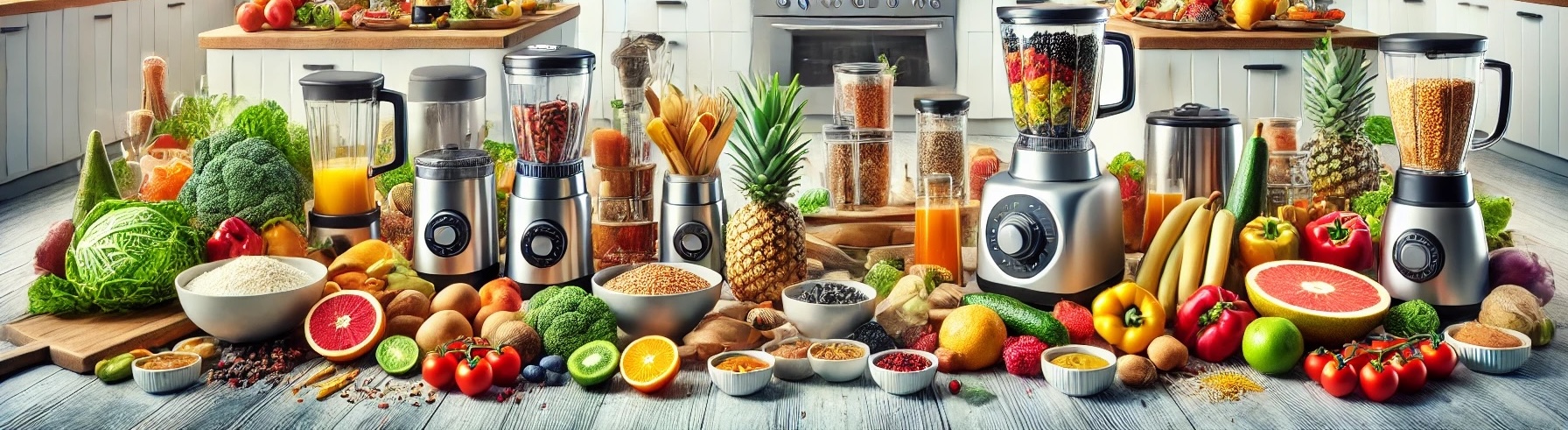
The art of cooking
AI CHEF Blog

Pairing Foods for Better Digestion: A Culinary Exploration

In the world of gastronomy, the focus often lies on flavors, textures, and presentation. However, an equally important aspect, which is often overlooked, is how different foods interact with each other in our digestive systems. The concept of food pairing extends beyond simply finding complementary flavors; it delves into how certain combinations can enhance digestion and overall health. This blog post will explore the science behind food pairing for better digestion, providing insights and practical tips to help you create meals that are not only delicious but also easy on the stomach.
The Science of Digestion
Before we dive into specific food pairings, it is essential to understand the basics of digestion. The digestive system is a complex network of organs that work together to break down food, absorb nutrients, and eliminate waste. Digestion begins in the mouth and continues through the stomach and intestines, where the body extracts the necessary nutrients to fuel our daily activities. The efficiency of this process can be influenced by various factors, including the types of food consumed, their combinations, and the order in which they are eaten.
Why Food Pairing Matters
Food pairing can affect digestion in several ways:
- Enzyme Activation: Different foods require specific enzymes for digestion. Pairing foods that complement each other can enhance enzyme activity and improve nutrient absorption.
- pH Balance: The stomach's pH level plays a crucial role in digestion. Some foods can help maintain an optimal pH balance, ensuring efficient breakdown and absorption of nutrients.
- Fiber and Water Content: Foods high in fiber and water can aid in digestion by promoting regular bowel movements and preventing constipation.
- Gut Health: Certain food combinations can promote a healthy gut microbiome, which is vital for overall digestive health.
Key Food Pairing Principles
To harness the benefits of food pairing for better digestion, consider these essential principles:
1. Combine Proteins and Carbohydrates Wisely
Combining proteins and carbohydrates can be a balancing act. While proteins require an acidic environment for digestion, carbohydrates thrive in a more alkaline setting. Eating them together can lead to digestive discomfort for some individuals. To optimize digestion, consider pairing:
- Lean proteins (like chicken or fish) with non-starchy vegetables (like broccoli or spinach) instead of grains.
- Complex carbohydrates (like quinoa or brown rice) with healthy fats (like avocado or olive oil) to aid digestion.
2. Enhance Digestive Enzymes with Fermented Foods
Fermented foods are rich in probiotics, which can enhance gut health and aid digestion. Consider incorporating:
- Sauerkraut or kimchi with your meals to boost the digestive process.
- Yogurt or kefir as a side to protein-rich dishes for improved nutrient absorption.
3. Balance Fats and Fiber
Healthy fats can slow down digestion, while fiber promotes regularity. Find a balance by pairing:
- Healthy fats (like nuts or seeds) with high-fiber foods (like fruits and vegetables) to create satisfying meals that support digestion.
- Avocados with leafy greens for a nutrient-dense, fiber-rich salad.
4. Use Herbs and Spices
Certain herbs and spices can stimulate digestion and enhance flavor. Incorporate:
- Ginger in savory dishes or teas to soothe the digestive tract.
- Turmeric for its anti-inflammatory properties, especially in stews and curries.
Practical Food Pairing Examples
Now that we understand the principles of food pairing for digestion, let’s explore some practical examples:
Breakfast Options
- Oatmeal with Berries and Nuts: The fiber from oats and berries, combined with healthy fats from nuts, makes for a filling breakfast that promotes digestion.
- Greek Yogurt with Honey and Chia Seeds: The probiotics in yogurt and the fiber from chia seeds work together to enhance gut health.
Lunch Ideas
- Quinoa Salad with Chickpeas and Spinach: This combination provides protein, fiber, and essential vitamins, making it easy to digest.
- Grilled Chicken with Steamed Broccoli: A protein-rich meal that is light on the stomach and packed with nutrients.
Dinner Combinations
- Baked Salmon with Asparagus: The omega-3 fatty acids in salmon promote heart health, while asparagus adds fiber and essential nutrients.
- Vegetable Stir-Fry with Tofu: This dish combines various vegetables and tofu for a protein-rich, fiber-filled meal.
Foods to Avoid Pairing
While there are many beneficial food pairings, some combinations can hinder digestion. Here are a few pairings to avoid:
- Fruit with Meals: Fruits digest quickly, so consuming them with heavier meals can lead to bloating and discomfort.
- Dairy with Meat: Dairy and meat require different digestive environments, which can lead to digestive distress.
- Starchy Foods with Sugars: Combining these can lead to fermentation in the gut, causing gas and bloating.
Conclusion
Food pairing is an art and a science that can significantly impact digestion and overall health. By understanding the principles of food pairing and being mindful of how different foods interact, you can create meals that are not only delicious but also easy on your digestive system. So, the next time you plan your meals, consider these pairing strategies to enhance your culinary experience and promote better digestion.
Happy eating!
Related articles
 The Art of Food Pairing
Unlocking Flavor Profiles
 10 Unexpected Flavor Combinations You Need to Try
 Mastering Food Pairing
A Beginner's Guide
 Flavor Harmony
Pairing Spices and Ingredients
 Wine and Cheese
The Ultimate Food Pairing Guide
 Sweet and Savory
Exploring Contrasting Flavors
 The Science Behind Perfect Food Pairings
 Creating Flavor Profiles
A Culinary Adventure
 Seasonal Ingredients
Pairing for Freshness
 Herbs and Spices
Elevating Your Dishes
 Global Cuisine
Unique Food Pairing Ideas from Around the World
 Vegetarian Food Pairing
Mixing Flavors for Plant-Based Dishes
 The Best Flavor Combinations for Grilling Season
 Pairing Sauces with Proteins
A Flavor Guide
 Creating Balance
Pairing Acidity and Richness in Dishes
 Dessert Pairings
Sweet Treats That Complement Each Other
 Crafting the Perfect Charcuterie Board
A Flavor Journey
 Flavor Pairing Myths
What You Should Know
 The Role of Texture in Food Pairing
 Pairing Fruits and Nuts
A Delightful Combination
 The Chemistry of Flavor
Understanding Food Pairing
 Savory Breakfast Ideas
Perfect Pairings to Start Your Day
 Cooking with Kids
Fun Food Pairing Activities
 Pairing Grains with Vegetables
A Nutritious Approach
 Culinary Fusion
Blending Cultures Through Flavor Pairing
 From Farm to Table
Pairing Fresh Ingredients for Maximum Flavor
 Experimenting with Flavor
Tips for Creative Food Pairing
 Fermented Foods
Pairing for Health and Flavor
 The Ultimate Guide to Pairing Chocolate with Other Flavors
 Creating Flavor Pairing Charts for Everyday Cooking
 Pairing Coffee with Food
A Flavorful Experience
 The Evolution of Food Pairing
Trends and Innovations
 Pairing Sours and Bitters
A Unique Flavor Adventure
 Cooking for Two
Romantic Food Pairing Ideas
Flavor Pairing for Entertaining
Impress Your Guests
The Best Food Pairings for Your Next Picnic
Pairing Comfort Foods
Nostalgic Flavor Combinations
Flavor Pairing for Health
Nutritional Combinations That Work
Pairing Proteins and Carbs
A Balanced Approach
Food Pairing for Special Diets
Vegan, Keto, and More
The Future of Food Pairing
Technology and Flavor Innovation
Pairing Global Spices with Local Ingredients
The Flavor Pairing Wheel
How to Use It Effectively
Creating Signature Dishes
Personal Flavor Pairing Techniques
Food Pairing for Flavor Preservation
Techniques and Tips
Pairing Foods for Better Digestion
A Culinary Exploration
Flavor Pairing for Kids
Making Healthy Eating Fun
The Best Food Pairing Apps to Enhance Your Culinary Skills
Pairing Foods with Music
A Sensory Experience
Flavor Pairing for Everyday Meals
Quick and Easy Ideas
Categories