The art of cooking
AI CHEF Blog

Why Slow Cooking is the Secret to Delicious Meals
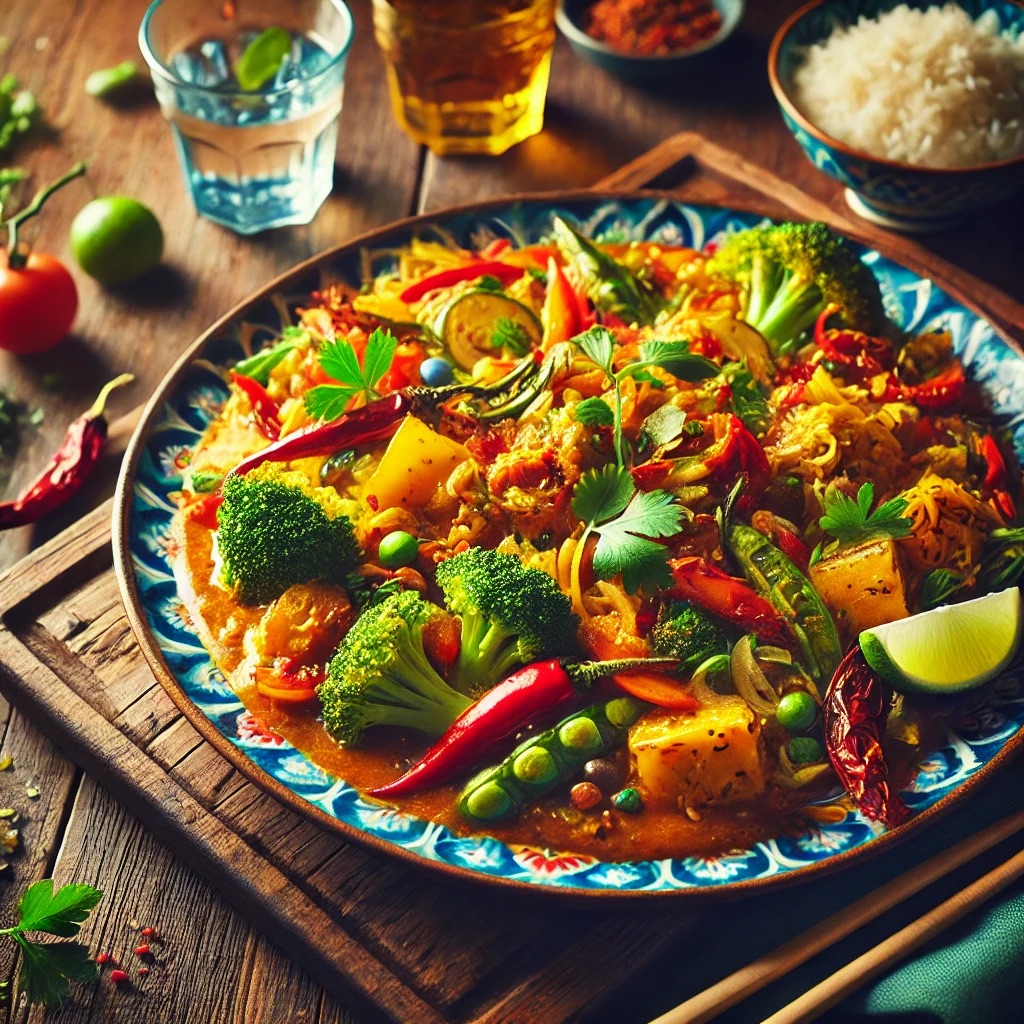
In today's fast-paced world, cooking can often become a chore, leading many to rely on quick meals that may lack depth and flavor. However, there's a culinary method that transcends the hustle and bustle—slow cooking. This ancient technique not only enhances the flavors of your favorite dishes but also allows for a more relaxed cooking experience. Let's explore .
The Science Behind Slow Cooking
Slow cooking works through the process of low heat over an extended period, which allows flavors to meld and develop. The Maillard reaction, a chemical reaction between amino acids and reducing sugars that gives browned food its distinctive flavor, can take place even at lower temperatures when given enough time. Ingredients like meats, vegetables, and spices benefit from this prolonged exposure to heat.
Enhanced Flavor Profiles
One of the most significant advantages of slow cooking is the enhancement of flavor profiles. When you cook at low heat, the ingredients have time to release their natural flavors, creating a rich and complex taste. For instance, a beef stew cooked for several hours allows the meat to become tender while the vegetables absorb the savory juices. Aromatic herbs and spices also have the opportunity to infuse their essence throughout the dish, resulting in a meal that is more than the sum of its parts.
Tender and Juicy Results
Slow cooking excels at breaking down tough cuts of meat, turning them into tender, juicy bites. This technique is particularly effective for cuts like chuck roast, pork shoulder, and even chicken thighs. The low and slow method allows collagen in the meat to break down, resulting in a melt-in-your-mouth texture that is hard to achieve through traditional cooking methods. Imagine biting into a fork-tender piece of beef or succulent pulled pork—this is the magic of slow cooking.
Convenience and Meal Prep
For those with busy lifestyles, slow cooking offers unbeatable convenience. With a slow cooker or a Dutch oven, you can prepare your meal in the morning, set it to cook, and return home to a delicious, ready-to-eat dinner. This method is perfect for meal prep, as you can make large batches of soups, stews, or casseroles that can be enjoyed throughout the week. Simply portion out leftovers for easy lunches and dinners.
Healthier Cooking
Slow cooking can also be a healthier way to prepare meals. By using fresh ingredients and controlling the amount of added fats and sugars, you can create nutritious dishes without sacrificing flavor. Additionally, slow cooking often requires less oil than frying or sautéing, making it ideal for those looking to reduce calorie intake while still enjoying hearty meals.
Versatility in Ingredients
Another remarkable aspect of slow cooking is its versatility. You can adapt nearly any recipe to a slow cooker, from classic beef stews and chili to vegetarian curries and even desserts. This adaptability means you can experiment with a variety of ingredients, allowing for endless culinary creativity. Try combining different vegetables, grains, and proteins to create unique dishes that cater to your taste preferences.
Saving Energy
In a world where energy conservation is becoming increasingly important, slow cooking can also be a more energy-efficient cooking method. Slow cookers use less electricity than an oven, and they can cook meals for hours without much supervision. This means you can prepare delicious meals while keeping your energy consumption low.
Building Cooking Skills
Slow cooking is an excellent way for novice cooks to build confidence in the kitchen. The low-pressure environment allows beginners to experiment with flavors and ingredients without the stress of timing and precision that comes with other cooking methods. As you become more comfortable, you can start to develop your own recipes and techniques, enhancing your culinary skills in the process.
Slow Cooking Tips for Success
To get the most out of your slow cooking experience, here are some tips to keep in mind:
- Layer your ingredients: Start with denser ingredients like root vegetables at the bottom, followed by meat and lighter ingredients on top. This ensures even cooking.
- Don’t lift the lid: Each time you open the lid, you release heat, which can extend cooking time. Keep the lid closed as much as possible.
- Adjust cooking times: Different slow cookers may have varying wattages, so adjust cooking times accordingly. Check for doneness as you become familiar with your appliance.
- Use the right cuts of meat: Opt for tougher cuts that benefit from long cooking times, as they will break down and become tender during the cooking process.
- Experiment! Don’t be afraid to try new ingredients or spices. Slow cooking is forgiving and allows for creativity.
Conclusion
Slow cooking is an art that combines science, convenience, and flavor to create delicious meals that are worth the wait. Whether you're a seasoned chef or a beginner in the kitchen, embracing this method can transform your culinary experience. So, the next time you're planning a meal, consider taking the slow route—you might just discover the secret to your most flavorful dishes yet.
Related articles
 The Joy of Slow Cooking
A Beginner's Guide to Easy and Tasty Recipes
 Why Slow Cooking is the Secret to Delicious Meals
 Top 10 Easy Slow Cooker Recipes for Busy Weeknights
 Slow Cooking 101
Tips for Perfectly Cooked Meals
 Family-Friendly Slow Cooker Recipes Everyone Will Love
 The Best Slow Cooker Recipes for Meal Prep and Freezing
 Healthy and Easy Slow Cooker Recipes for a Wholesome Dinner
 Slow Cooker Desserts
Sweet Treats Made Easy
 Exploring Global Flavors with Slow Cooker Recipes
 Comfort Food Classics
Slow Cooking at Its Best
 Slow Cooker Soups and Stews
Warm Up with Ease
 One-Pot Wonders
Easy Slow Cooker Meals for Every Taste
 Slow Cooking for Beginners
Simple Recipes to Get You Started
 The Magic of Slow Cooking
Transforming Simple Ingredients into Gourmet Meals
 Slow Cooker Breakfasts
Start Your Day with Minimal Effort
 Vegetarian Slow Cooker Recipes
Tasty Dishes for Everyone
 How to Choose the Right Slow Cooker for Your Kitchen
 Slow Cooking on a Budget
Affordable and Delicious Recipes
 The Joy of Slow Cooking
Meal Ideas for Every Season
 Slow Cooker Hacks
Tips for Maximum Flavor and Convenience
 The Ultimate Guide to Slow Cooking for Large Families
 Slow Cooking with Kids
Fun and Easy Recipes for Family Bonding
 Quick Prep, Long Flavor
The Art of Slow Cooking
 Slow Cooker Meal Kits
Easy Solutions for Dinner Planning
 Sweet and Savory
The Best of Slow Cooker Recipes
 Slow Cooking for Entertaining
Recipes That Impress with Minimal Effort
 Exploring Plant-Based Slow Cooking
Delicious Vegan Recipes
 Slow Cooker Comfort Foods
Recipes That Warm the Heart
 The Joy of Slow Cooking
How to Create Flavorful Sauces and Gravies
 Slow Cooker Side Dishes
Elevate Your Meal without Extra Work
 Slow Cooker Favorites
Family Recipes Passed Down Through Generations
 The Best Slow Cooker Recipes for Tailgating and Parties
 Slow Cooking
A Stress-Free Way to Enjoy Delicious Meals
 Easy Slow Cooker Recipes for Last-Minute Dinner Plans
The Joy of Slow Cooking
Creating Meals for Special Occasions
Slow Cooker Recipes for Outdoor Gatherings
Easy and Tasty Ideas
Slow Cooking for One
Delicious Recipes for Solo Diners
The Joy of Slow Cooking
A Celebration of Flavor and Simplicity
Categories


