The art of cooking
AI CHEF Blog

A Taste of Tradition: The Role of Food in Italian Family Gatherings
When you think of Italian culture, images of vibrant cities, stunning landscapes, and rich history come to mind. However, one of the most significant aspects that binds Italian families together is food. In Italy, meals are more than just a means of sustenance; they are a celebration of life, love, and family. This blog post explores the integral role of food in Italian family gatherings, highlighting its importance in fostering connections and preserving traditions.
The Heart of the Home
In Italian culture, the kitchen is often considered the heart of the home. It is where families gather, stories are shared, and memories are created. The aroma of home-cooked meals wafting through the air evokes feelings of comfort and belonging. Traditional recipes passed down through generations are often the centerpiece of family gatherings, bringing together the young and old in a shared experience of culinary delight.
A Feast for All Occasions
Italian family gatherings often revolve around food, whether it’s a festive holiday, a birthday, or simply a Sunday dinner. These occasions are marked by elaborate meals that showcase the region's culinary heritage. From Northern Italy’s hearty risottos to Southern Italy’s fresh seafood dishes, each region has its specialties that reflect local ingredients and traditions.
For example, during Christmas, it is common for families to prepare a feast known as the "Feast of the Seven Fishes," which includes various seafood dishes served on Christmas Eve. Similarly, during Easter, families might gather to enjoy lamb dishes and sweet pastries like colomba, a dove-shaped cake symbolizing resurrection.
Cooking Together: A Family Affair
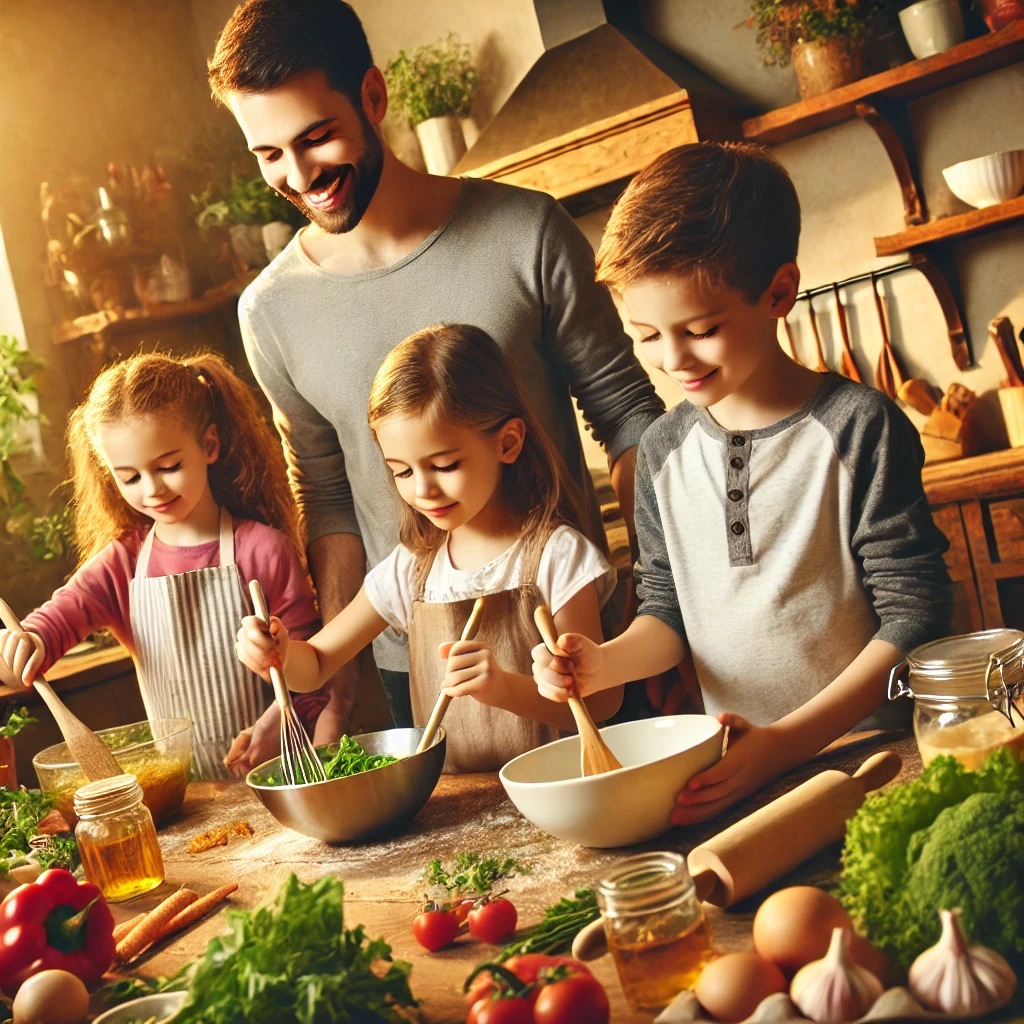
One of the most cherished traditions in Italian families is the act of cooking together. This communal activity not only allows for the sharing of culinary skills and recipes but also strengthens family bonds. Grandmothers often pass down their secret recipes to younger generations, teaching them not only how to cook but also the stories and traditions associated with each dish.
Preparing a meal together can be a multi-generational affair. Children may assist in simple tasks like washing vegetables or rolling pasta, while parents and grandparents oversee the process, imparting wisdom and love. The kitchen becomes a classroom, a space for laughter, learning, and creating cherished memories.
The Importance of Sharing
In Italian culture, sharing food is a profound expression of love and hospitality. Meals are often served family-style, with dishes placed in the center of the table for everyone to enjoy. This communal dining experience encourages conversation and connection, allowing family members to bond over shared flavors and experiences.
Moreover, the act of sharing food extends beyond family gatherings. Italians take pride in inviting friends and neighbors to join in their meals, fostering a sense of community. This spirit of inclusiveness is reflected in the saying, "A tavola non si invecchia" (At the table, one does not grow old), which emphasizes the joy and vitality that comes from sharing meals with loved ones.
Food as a Cultural Identity
Food plays a crucial role in shaping cultural identity for Italian families. Traditional recipes often carry the history and stories of a family’s heritage. For many, cooking and enjoying these dishes is a way to honor their ancestors and keep their traditions alive.
For instance, dishes like lasagna, risotto, and polenta may have roots in specific regions, and families often take pride in their unique variations. Each recipe tells a story, connecting generations and preserving cultural heritage. As families migrate and settle in new places, they often adapt their recipes to incorporate local ingredients, creating a beautiful fusion of cultures while still maintaining their Italian roots.
The Joy of Festivals and Celebrations
Throughout Italy, food is at the center of many festivals and celebrations. Events like the Sagra (food festivals) showcase local ingredients and traditional dishes, allowing families to come together in celebration of their culinary heritage.
During these festivals, families often set up communal tables, inviting neighbors and friends to join in the festivities. The atmosphere is filled with laughter, music, and, of course, a bounty of delicious food. These celebrations reinforce the importance of community and togetherness, reminding everyone that food is a universal language that brings people together.
Modern Italian Family Gatherings
While traditional Italian family gatherings remain rooted in longstanding customs, modern influences have also shaped the way families come together. With busy schedules and the fast pace of life, many families now opt for simpler meals or even dining out. However, the essence of gathering over food remains unchanged.
Many families still prioritize Sunday dinners, where they come together to share a meal and catch up on each other’s lives. It’s a cherished ritual that helps maintain family connections amidst the chaos of everyday life. Additionally, with the rise of social media, families often share their culinary creations online, celebrating their heritage and inviting others to join in their gastronomic journey.
Conclusion
Food is a vital thread that weaves through the fabric of Italian family gatherings. It embodies love, tradition, and connection, serving as a reminder of the importance of family and community. Whether it’s through the preparation of cherished recipes, the joy of communal dining, or the celebration of cultural identity, food plays an essential role in bringing families together.
As we continue to navigate our busy lives, let us remember the power of food to create memories, foster connections, and preserve traditions. So, gather your loved ones, share a meal, and savor the flavors of tradition that unite us all.
Related articles
 Savoring the Spice
Exploring India's Rich Culinary Heritage
Savoring the Spice
Exploring India's Rich Culinary Heritage
 A Taste of Tradition
The Role of Food in Italian Family Gatherings
A Taste of Tradition
The Role of Food in Italian Family Gatherings
 Feasting with Friends
The Importance of Communal Meals in African Cultures
Feasting with Friends
The Importance of Communal Meals in African Cultures
 From Tapas to Paella
The Culinary Wonders of Spain
From Tapas to Paella
The Culinary Wonders of Spain
 Traditions on a Plate
Discovering Japanese Kaiseki Dining
Traditions on a Plate
Discovering Japanese Kaiseki Dining
 Celebrating Harvest
The Role of Food in Native American Festivals
Celebrating Harvest
The Role of Food in Native American Festivals
 The Sweet Side of Tradition
Desserts in Middle Eastern Cultures
The Sweet Side of Tradition
Desserts in Middle Eastern Cultures
 Culinary Journeys
How Food Connects Us in Latin America
Culinary Journeys
How Food Connects Us in Latin America
 The Ritual of Tea
A Cultural Exploration of Asian Tea Ceremonies
The Ritual of Tea
A Cultural Exploration of Asian Tea Ceremonies
 Festive Feasts
Christmas Food Traditions Around the World
Festive Feasts
Christmas Food Traditions Around the World
 The Art of Cooking
Celebrating French Gastronomy Through Generations
The Art of Cooking
Celebrating French Gastronomy Through Generations
 Food as Identity
The Role of Cuisine in Cultural Heritage
Food as Identity
The Role of Cuisine in Cultural Heritage
 Bringing Families Together
The Significance of Sunday Dinners in the South
Bringing Families Together
The Significance of Sunday Dinners in the South
 A Culinary Tapestry
Exploring the Diverse Foods of Southeast Asia
A Culinary Tapestry
Exploring the Diverse Foods of Southeast Asia
 Celebrating Life Through Food
The Role of Meals in Jewish Traditions
Celebrating Life Through Food
The Role of Meals in Jewish Traditions
 Flavors of the Past
How History Shapes Modern Culinary Practices
Flavors of the Past
How History Shapes Modern Culinary Practices
 The Global Influence of Street Food
A Celebration of Local Flavors
The Global Influence of Street Food
A Celebration of Local Flavors
 Seasonal Celebrations
Food Traditions for Every Holiday
Seasonal Celebrations
Food Traditions for Every Holiday
 Cooking with Love
The Emotional Connection to Family Recipes
Cooking with Love
The Emotional Connection to Family Recipes
 Global Potluck
Sharing Cultural Dishes from Around the World
Global Potluck
Sharing Cultural Dishes from Around the World
 The Significance of Fermentation in Various Cultures' Culinary Traditions
 Culinary Festivals
Celebrating Food and Culture Worldwide
Culinary Festivals
Celebrating Food and Culture Worldwide
 The Impact of Migration on Food Traditions
A Global Perspective
The Impact of Migration on Food Traditions
A Global Perspective
 Herbs and Spices
The Language of Flavor in Global Cuisines
Herbs and Spices
The Language of Flavor in Global Cuisines
 The Family Table
How Food Brings Generations Together
The Family Table
How Food Brings Generations Together
 Dishing Up Diversity
Exploring Vegetarian and Vegan Traditions Worldwide
Dishing Up Diversity
Exploring Vegetarian and Vegan Traditions Worldwide
 Celebrating Culinary Heritage
The Stories Behind Iconic Dishes
Celebrating Culinary Heritage
The Stories Behind Iconic Dishes
 Food and Rituals
The Connection Between Cuisine and Spirituality
Food and Rituals
The Connection Between Cuisine and Spirituality
 From Farm to Fork
The Importance of Local Ingredients in Global Cuisines
From Farm to Fork
The Importance of Local Ingredients in Global Cuisines
 The Role of Food in Cultural Identity and Community Building
 A Culinary Adventure
Exploring Fusion Cuisines Around the World
A Culinary Adventure
Exploring Fusion Cuisines Around the World
 Sustainable Traditions
How Cultures Incorporate Eco-Friendly Practices in Food
Sustainable Traditions
How Cultures Incorporate Eco-Friendly Practices in Food
 Taste of Tradition
The Importance of Preserving Culinary Heritage
Taste of Tradition
The Importance of Preserving Culinary Heritage
 Global Celebrations
The Role of Food in Cultural Festivals
Global Celebrations
The Role of Food in Cultural Festivals
Breaking Bread
The Universal Tradition of Sharing Meals
Culinary Legends
Famous Dishes and Their Cultural Significance
Food and Family
The Heart of Cultural Celebrations
The Influence of Climate on Culinary Traditions
A Global Perspective
Cultural Exchange Through Cuisine
How Food Unites Us
Cooking Traditions
The Role of Elders in Passing Down Recipes
The Global Feast
Celebrating Diversity Through Food Traditions
Seasonal Ingredients
How Cultures Celebrate the Changing Seasons Through Food
Food as Art
The Aesthetic Value of Culinary Traditions
A Journey Through Time
How Historical Events Shaped Culinary Traditions
The Science of Flavor
Understanding Cultural Palates
Food and Folklore
The Stories Behind Traditional Dishes
The Global Influence of Culinary Shows
Inspiring Cultural Appreciation
Culinary Diplomacy
How Food Bridges Cultural Divides
Celebrating Heritage
The Role of Food in Cultural Identity
The Taste of Home
How Traditional Meals Evoke Memories and Identity
Categories