The art of cooking
AI CHEF Blog

Feasting with Friends: The Importance of Communal Meals in African Cultures
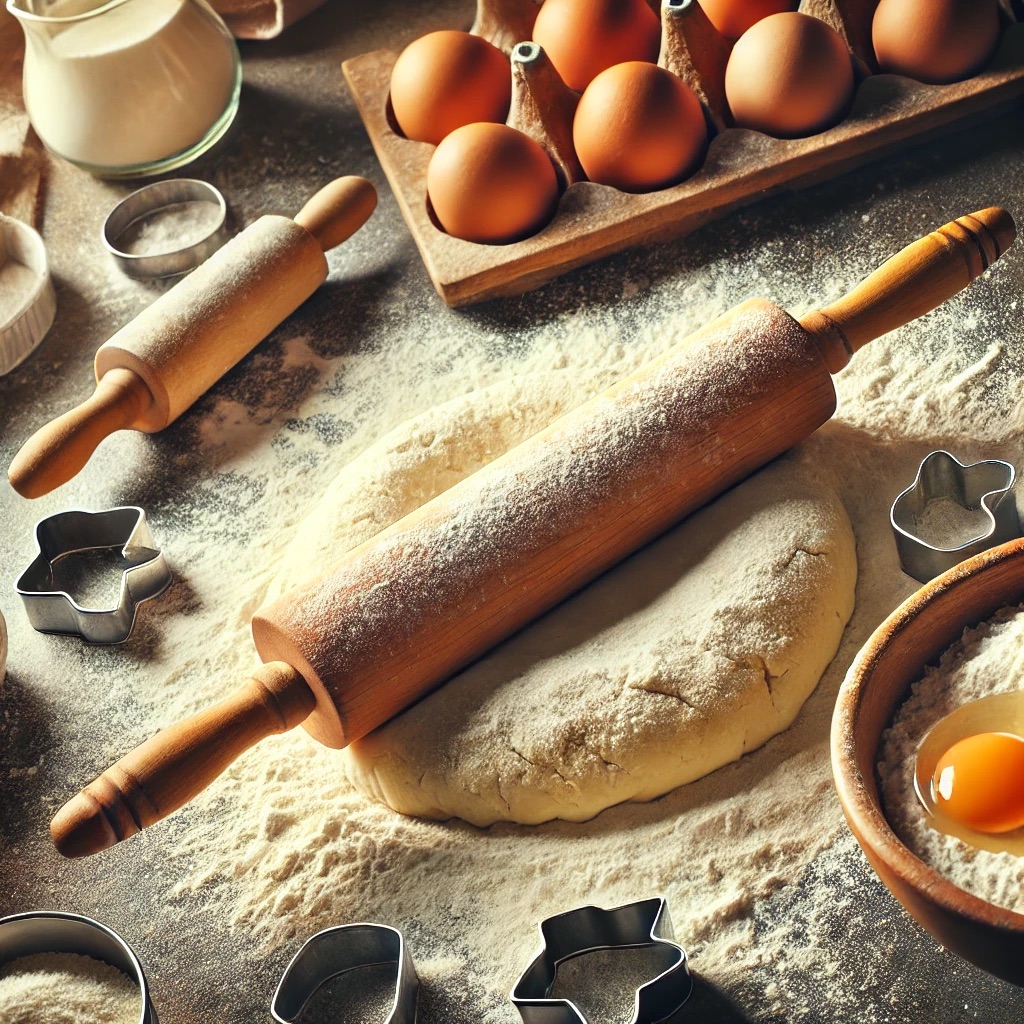
Across the diverse landscapes of Africa, communal meals serve not only as a source of nourishment but also as a vital cultural practice that fosters community, strengthens relationships, and preserves traditions. From the bustling markets of Marrakech to the tranquil villages of rural Kenya, the act of sharing food transcends mere sustenance; it is a celebration of togetherness, identity, and heritage.
The Role of Food in African Communities
Food is deeply woven into the fabric of African cultures. It is more than just a means of survival; it is a cultural expression that reflects the values, beliefs, and histories of various communities. In many African societies, meals are often prepared and enjoyed communally, emphasizing the importance of sharing and collaboration.
Communal meals are occasions where individuals come together to share not just food but also stories, laughter, and traditions. These gatherings serve as an opportunity for families and friends to connect, creating bonds that are often strengthened around the table. In many cases, the preparation of food becomes a communal activity in itself, with family members and friends gathering to cook and share recipes that have been passed down through generations.
Celebrating Life’s Milestones
In African cultures, communal meals are integral to celebrating significant life events such as weddings, birthdays, and rites of passage. These gatherings often feature traditional dishes that hold special meaning. For instance, during weddings, families may prepare a large feast that includes dishes symbolizing fertility, prosperity, and unity.
These communal feasts are not just about the food; they are about bringing people together to celebrate love, community, and the continuation of cultural practices. Guests often bring their own dishes, contributing to a potluck-style meal that showcases the diversity of culinary traditions within the community.
Food as a Symbol of Unity and Sharing
In many African cultures, food is a symbol of unity. The act of sharing meals is an expression of goodwill and friendship. For example, in countries like Ethiopia, the tradition of eating from a communal platter fosters a sense of togetherness. Diners use injera, a sourdough flatbread, to scoop up various stews and vegetables, emphasizing the idea that the meal is meant to be enjoyed collectively rather than individually.
This practice is also seen as a way to strengthen social ties. Sharing food can break down barriers, encouraging open communication and fostering relationships among participants. In times of celebration or hardship, communal meals serve as a reminder that no one is alone; the community is there to support one another.
Preservation of Cultural Heritage
Communal meals play a crucial role in the preservation of cultural heritage. Traditional recipes and cooking techniques are often passed down through generations during these communal gatherings. Elders share their knowledge with younger family members, ensuring that culinary traditions continue to thrive.
The act of preparing and sharing traditional dishes helps to keep cultural practices alive. For instance, in the Zulu culture of South Africa, traditional foods like boerewors (sausage) and umphokoqo (crumbly maize meal) are often featured in communal meals, connecting individuals to their history and ancestry.
The Impact of Modernization
As African societies evolve and modernize, the traditional practice of communal meals faces challenges. Urbanization and busy lifestyles can lead to a decrease in the frequency of these gatherings. However, many communities are actively working to preserve these traditions, recognizing their importance in maintaining cultural identity.
Some families are making a conscious effort to set aside time for communal meals, whether it’s a weekly Sunday gathering or special occasions throughout the year. Additionally, social media has played a role in rejuvenating interest in communal dining, with people sharing their culinary experiences and encouraging others to reconnect with their cultural roots.
The Joy of Cooking Together
Preparing food together is often as joyful as eating it. In many cultures, the kitchen becomes a social space where laughter and stories flow as freely as the ingredients. Cooking together fosters teamwork and camaraderie, allowing individuals to bond over shared tasks. In some communities, the preparation of food is accompanied by music and dance, turning the act of cooking into a lively celebration.
Moreover, involving children in the cooking process not only teaches them valuable culinary skills but also instills a sense of pride in their cultural heritage. They learn the significance of traditional dishes and the stories behind them, ensuring that these practices continue for future generations.
Conclusion: The Power of Communal Meals
In conclusion, communal meals hold immense significance in African cultures. They are a celebration of life, a symbol of unity, and a means of preserving cultural heritage. As communities navigate the complexities of modern life, the importance of coming together to share food and stories remains a cornerstone of social interaction.
Whether it’s a large family gathering, a neighborhood barbecue, or a festive celebration, the act of sharing a meal continues to be a powerful expression of community and connection. In a world that often feels fragmented, the tradition of communal meals brings people together, reminding us of the ties that bind us and the joy that can be found in sharing food with friends and loved ones.
Related articles
 Savoring the Spice
Exploring India's Rich Culinary Heritage
Savoring the Spice
Exploring India's Rich Culinary Heritage
 A Taste of Tradition
The Role of Food in Italian Family Gatherings
A Taste of Tradition
The Role of Food in Italian Family Gatherings
 Feasting with Friends
The Importance of Communal Meals in African Cultures
Feasting with Friends
The Importance of Communal Meals in African Cultures
 From Tapas to Paella
The Culinary Wonders of Spain
From Tapas to Paella
The Culinary Wonders of Spain
 Traditions on a Plate
Discovering Japanese Kaiseki Dining
Traditions on a Plate
Discovering Japanese Kaiseki Dining
 Celebrating Harvest
The Role of Food in Native American Festivals
Celebrating Harvest
The Role of Food in Native American Festivals
 The Sweet Side of Tradition
Desserts in Middle Eastern Cultures
The Sweet Side of Tradition
Desserts in Middle Eastern Cultures
 Culinary Journeys
How Food Connects Us in Latin America
Culinary Journeys
How Food Connects Us in Latin America
 The Ritual of Tea
A Cultural Exploration of Asian Tea Ceremonies
The Ritual of Tea
A Cultural Exploration of Asian Tea Ceremonies
 Festive Feasts
Christmas Food Traditions Around the World
Festive Feasts
Christmas Food Traditions Around the World
 The Art of Cooking
Celebrating French Gastronomy Through Generations
The Art of Cooking
Celebrating French Gastronomy Through Generations
 Food as Identity
The Role of Cuisine in Cultural Heritage
Food as Identity
The Role of Cuisine in Cultural Heritage
 Bringing Families Together
The Significance of Sunday Dinners in the South
Bringing Families Together
The Significance of Sunday Dinners in the South
 A Culinary Tapestry
Exploring the Diverse Foods of Southeast Asia
A Culinary Tapestry
Exploring the Diverse Foods of Southeast Asia
 Celebrating Life Through Food
The Role of Meals in Jewish Traditions
Celebrating Life Through Food
The Role of Meals in Jewish Traditions
 Flavors of the Past
How History Shapes Modern Culinary Practices
Flavors of the Past
How History Shapes Modern Culinary Practices
 The Global Influence of Street Food
A Celebration of Local Flavors
The Global Influence of Street Food
A Celebration of Local Flavors
 Seasonal Celebrations
Food Traditions for Every Holiday
Seasonal Celebrations
Food Traditions for Every Holiday
 Cooking with Love
The Emotional Connection to Family Recipes
Cooking with Love
The Emotional Connection to Family Recipes
 Global Potluck
Sharing Cultural Dishes from Around the World
Global Potluck
Sharing Cultural Dishes from Around the World
 The Significance of Fermentation in Various Cultures' Culinary Traditions
 Culinary Festivals
Celebrating Food and Culture Worldwide
Culinary Festivals
Celebrating Food and Culture Worldwide
 The Impact of Migration on Food Traditions
A Global Perspective
The Impact of Migration on Food Traditions
A Global Perspective
 Herbs and Spices
The Language of Flavor in Global Cuisines
Herbs and Spices
The Language of Flavor in Global Cuisines
 The Family Table
How Food Brings Generations Together
The Family Table
How Food Brings Generations Together
 Dishing Up Diversity
Exploring Vegetarian and Vegan Traditions Worldwide
Dishing Up Diversity
Exploring Vegetarian and Vegan Traditions Worldwide
 Celebrating Culinary Heritage
The Stories Behind Iconic Dishes
Celebrating Culinary Heritage
The Stories Behind Iconic Dishes
 Food and Rituals
The Connection Between Cuisine and Spirituality
Food and Rituals
The Connection Between Cuisine and Spirituality
 From Farm to Fork
The Importance of Local Ingredients in Global Cuisines
From Farm to Fork
The Importance of Local Ingredients in Global Cuisines
 The Role of Food in Cultural Identity and Community Building
 A Culinary Adventure
Exploring Fusion Cuisines Around the World
A Culinary Adventure
Exploring Fusion Cuisines Around the World
 Sustainable Traditions
How Cultures Incorporate Eco-Friendly Practices in Food
Sustainable Traditions
How Cultures Incorporate Eco-Friendly Practices in Food
 Taste of Tradition
The Importance of Preserving Culinary Heritage
Taste of Tradition
The Importance of Preserving Culinary Heritage
 Global Celebrations
The Role of Food in Cultural Festivals
Global Celebrations
The Role of Food in Cultural Festivals
Breaking Bread
The Universal Tradition of Sharing Meals
Culinary Legends
Famous Dishes and Their Cultural Significance
Food and Family
The Heart of Cultural Celebrations
The Influence of Climate on Culinary Traditions
A Global Perspective
Cultural Exchange Through Cuisine
How Food Unites Us
Cooking Traditions
The Role of Elders in Passing Down Recipes
The Global Feast
Celebrating Diversity Through Food Traditions
Seasonal Ingredients
How Cultures Celebrate the Changing Seasons Through Food
Food as Art
The Aesthetic Value of Culinary Traditions
A Journey Through Time
How Historical Events Shaped Culinary Traditions
The Science of Flavor
Understanding Cultural Palates
Food and Folklore
The Stories Behind Traditional Dishes
The Global Influence of Culinary Shows
Inspiring Cultural Appreciation
Culinary Diplomacy
How Food Bridges Cultural Divides
Celebrating Heritage
The Role of Food in Cultural Identity
The Taste of Home
How Traditional Meals Evoke Memories and Identity
Categories