The art of cooking
AI CHEF Blog

Traditions on a Plate: Discovering Japanese Kaiseki Dining
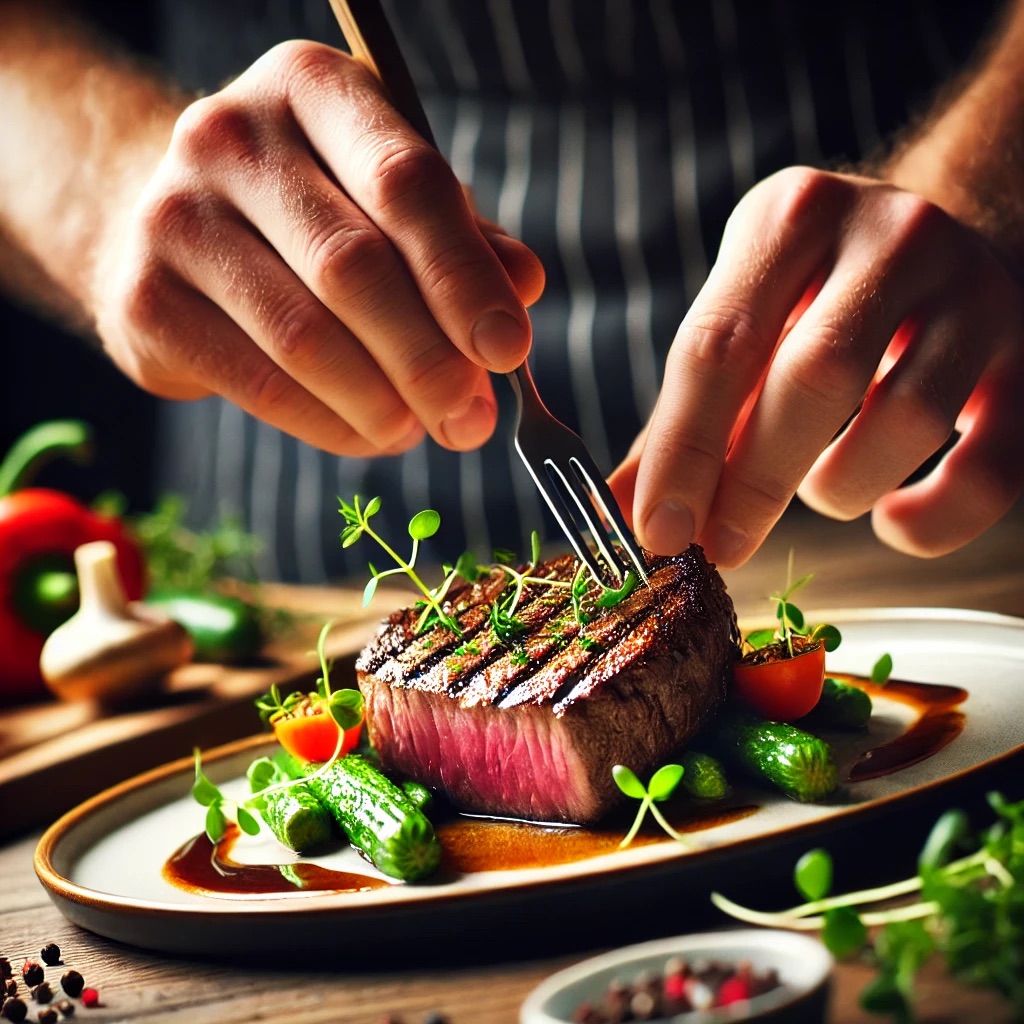
Japanese cuisine is a treasure trove of flavors, techniques, and traditions, but few experiences are as profound as that offered by Kaiseki dining. This multi-course meal is more than just food; it is a reflection of Japanese art, culture, and philosophy. In this blog post, we will delve deep into the world of Kaiseki, exploring its history, components, and what makes it a unique dining experience.
What is Kaiseki?
Kaiseki (懐石) originally referred to a simple meal served during the tea ceremony, but over centuries, it has evolved into a sophisticated dining style that showcases seasonal ingredients and intricate presentation. The term itself can be broken down into two parts: "kai" meaning "to correct" or "replenish," and "seki" meaning "meal." Today, Kaiseki is synonymous with a multi-course Japanese dinner that emphasizes balance, beauty, and seasonal ingredients.
A Brief History
The roots of Kaiseki can be traced back to the 16th century during the Muromachi period when the Japanese tea ceremony became popular. The meal served to guests was simple, often consisting of a few dishes prepared with seasonal ingredients. As the tea ceremony evolved, so did the meal, leading to the development of the elaborate Kaiseki dining we know today.
During the Edo period (1603-1868), Kaiseki gained prominence in Kyoto, where it became associated with the elite class. Chefs began to experiment with presentation and flavor combinations, resulting in a more refined dining experience. The meal became a way to showcase culinary skills and the beauty of nature through food.
The Structure of a Kaiseki Meal
A traditional Kaiseki meal consists of several courses, each meticulously prepared and beautifully presented. While the specific dishes can vary depending on the season and the chef's creativity, a typical Kaiseki meal includes the following components:
- Sakizuke: An appetizer that sets the tone for the meal, often consisting of small bites that highlight seasonal ingredients.
- Shokuji: A series of courses that include sashimi, grilled fish, and simmered dishes. Each dish is carefully crafted to enhance the natural flavors of the ingredients.
- Suimono: A clear soup that cleanses the palate and prepares it for the next course.
- Nimono: Simmered dishes that showcase the chef's skill in balancing flavors and textures.
- Yakimono: Grilled dishes, often featuring fish or meat, cooked to perfection.
- Tsukuri: Sashimi, which is often the highlight of the meal, emphasizing the freshness of the seafood.
- Shokuji: A rice dish served with pickles and miso soup, completing the meal.
- Misoshiru: Miso soup, often served at the end of the meal.
- Kudamono: A seasonal dessert, often made with fruits, showcasing the natural sweetness of the ingredients.
The Philosophy Behind Kaiseki
Kaiseki dining is deeply rooted in Japanese aesthetics and philosophy. It emphasizes the importance of nature, seasonality, and balance. Each dish is designed not only to please the palate but also to appeal to the eyes, creating a harmonious experience for the diner.
The concept of "umami," or the fifth taste, plays a significant role in Kaiseki. Chefs strive to achieve a balance of flavors—sweet, sour, salty, bitter, and umami—creating a complex and satisfying dining experience. Additionally, the presentation of each dish is artistically arranged, often inspired by natural elements such as flowers, mountains, and rivers.
Seasonality and Freshness
One of the hallmarks of Kaiseki dining is its commitment to using seasonal ingredients. Japanese chefs take great pride in sourcing the freshest produce, seafood, and meats available at different times of the year. This dedication to seasonality not only enhances the flavor of the dishes but also connects diners to the changing environment.
For instance, a Kaiseki meal served in spring may feature ingredients like bamboo shoots, cherry blossoms, and fresh fish, while a winter meal might showcase hearty root vegetables, winter fish, and warming flavors. This seasonal approach reflects the Japanese belief in the beauty of nature and its cycles.
Where to Experience Kaiseki Dining
While Kaiseki dining can be found in many high-end restaurants across Japan, Kyoto is often considered the birthplace of this culinary art. Traditional Kaiseki restaurants, known as "ryotei," are scattered throughout the city, offering authentic experiences in serene settings.
In addition to Kyoto, major cities like Tokyo and Osaka also boast excellent Kaiseki establishments. Many of these restaurants offer lunch and dinner options, allowing diners to experience this exquisite cuisine at various price points.
Etiquette and Tips for Enjoying Kaiseki
Experiencing Kaiseki dining is not just about the food; it's also about the rituals and etiquette that accompany the meal. Here are some tips to enhance your Kaiseki experience:
- Respect the Setting: Kaiseki meals are often served in traditional Japanese settings, such as tatami rooms. Remove your shoes before entering, and be mindful of your surroundings.
- Follow the Flow: Kaiseki meals are served in a specific order, so it's important to follow the flow of the meal. Take your time to savor each dish and appreciate the craftsmanship.
- Engage with the Chef: If possible, engage with the chef or staff. They can provide insights into the dishes and ingredients, enriching your experience.
- Use Chopsticks Properly: Familiarize yourself with chopstick etiquette. Avoid sticking chopsticks upright in rice, as it resembles a funeral ritual.
- Appreciate the Presentation: Take a moment to appreciate the artistry of each dish before tasting. The presentation is an essential part of the Kaiseki experience.
Conclusion
Kaiseki dining is a captivating journey through Japan's culinary heritage, offering a unique blend of flavors, aesthetics, and philosophy. It is a feast for the senses that transcends mere sustenance, inviting diners to connect with nature and tradition.
Whether you are a seasoned foodie or a first-time visitor to Japan, experiencing a Kaiseki meal is an unforgettable way to explore the richness of Japanese culture. So, the next time you find yourself in Japan, make it a point to indulge in this culinary masterpiece and savor the traditions on a plate.
Related articles
 Savoring the Spice
Exploring India's Rich Culinary Heritage
Savoring the Spice
Exploring India's Rich Culinary Heritage
 A Taste of Tradition
The Role of Food in Italian Family Gatherings
A Taste of Tradition
The Role of Food in Italian Family Gatherings
 Feasting with Friends
The Importance of Communal Meals in African Cultures
Feasting with Friends
The Importance of Communal Meals in African Cultures
 From Tapas to Paella
The Culinary Wonders of Spain
From Tapas to Paella
The Culinary Wonders of Spain
 Traditions on a Plate
Discovering Japanese Kaiseki Dining
Traditions on a Plate
Discovering Japanese Kaiseki Dining
 Celebrating Harvest
The Role of Food in Native American Festivals
Celebrating Harvest
The Role of Food in Native American Festivals
 The Sweet Side of Tradition
Desserts in Middle Eastern Cultures
The Sweet Side of Tradition
Desserts in Middle Eastern Cultures
 Culinary Journeys
How Food Connects Us in Latin America
Culinary Journeys
How Food Connects Us in Latin America
 The Ritual of Tea
A Cultural Exploration of Asian Tea Ceremonies
The Ritual of Tea
A Cultural Exploration of Asian Tea Ceremonies
 Festive Feasts
Christmas Food Traditions Around the World
Festive Feasts
Christmas Food Traditions Around the World
 The Art of Cooking
Celebrating French Gastronomy Through Generations
The Art of Cooking
Celebrating French Gastronomy Through Generations
 Food as Identity
The Role of Cuisine in Cultural Heritage
Food as Identity
The Role of Cuisine in Cultural Heritage
 Bringing Families Together
The Significance of Sunday Dinners in the South
Bringing Families Together
The Significance of Sunday Dinners in the South
 A Culinary Tapestry
Exploring the Diverse Foods of Southeast Asia
A Culinary Tapestry
Exploring the Diverse Foods of Southeast Asia
 Celebrating Life Through Food
The Role of Meals in Jewish Traditions
Celebrating Life Through Food
The Role of Meals in Jewish Traditions
 Flavors of the Past
How History Shapes Modern Culinary Practices
Flavors of the Past
How History Shapes Modern Culinary Practices
 The Global Influence of Street Food
A Celebration of Local Flavors
The Global Influence of Street Food
A Celebration of Local Flavors
 Seasonal Celebrations
Food Traditions for Every Holiday
Seasonal Celebrations
Food Traditions for Every Holiday
 Cooking with Love
The Emotional Connection to Family Recipes
Cooking with Love
The Emotional Connection to Family Recipes
 Global Potluck
Sharing Cultural Dishes from Around the World
Global Potluck
Sharing Cultural Dishes from Around the World
 The Significance of Fermentation in Various Cultures' Culinary Traditions
 Culinary Festivals
Celebrating Food and Culture Worldwide
Culinary Festivals
Celebrating Food and Culture Worldwide
 The Impact of Migration on Food Traditions
A Global Perspective
The Impact of Migration on Food Traditions
A Global Perspective
 Herbs and Spices
The Language of Flavor in Global Cuisines
Herbs and Spices
The Language of Flavor in Global Cuisines
 The Family Table
How Food Brings Generations Together
The Family Table
How Food Brings Generations Together
 Dishing Up Diversity
Exploring Vegetarian and Vegan Traditions Worldwide
Dishing Up Diversity
Exploring Vegetarian and Vegan Traditions Worldwide
 Celebrating Culinary Heritage
The Stories Behind Iconic Dishes
Celebrating Culinary Heritage
The Stories Behind Iconic Dishes
 Food and Rituals
The Connection Between Cuisine and Spirituality
Food and Rituals
The Connection Between Cuisine and Spirituality
 From Farm to Fork
The Importance of Local Ingredients in Global Cuisines
From Farm to Fork
The Importance of Local Ingredients in Global Cuisines
 The Role of Food in Cultural Identity and Community Building
 A Culinary Adventure
Exploring Fusion Cuisines Around the World
A Culinary Adventure
Exploring Fusion Cuisines Around the World
 Sustainable Traditions
How Cultures Incorporate Eco-Friendly Practices in Food
Sustainable Traditions
How Cultures Incorporate Eco-Friendly Practices in Food
 Taste of Tradition
The Importance of Preserving Culinary Heritage
Taste of Tradition
The Importance of Preserving Culinary Heritage
 Global Celebrations
The Role of Food in Cultural Festivals
Global Celebrations
The Role of Food in Cultural Festivals
Breaking Bread
The Universal Tradition of Sharing Meals
Culinary Legends
Famous Dishes and Their Cultural Significance
Food and Family
The Heart of Cultural Celebrations
The Influence of Climate on Culinary Traditions
A Global Perspective
Cultural Exchange Through Cuisine
How Food Unites Us
Cooking Traditions
The Role of Elders in Passing Down Recipes
The Global Feast
Celebrating Diversity Through Food Traditions
Seasonal Ingredients
How Cultures Celebrate the Changing Seasons Through Food
Food as Art
The Aesthetic Value of Culinary Traditions
A Journey Through Time
How Historical Events Shaped Culinary Traditions
The Science of Flavor
Understanding Cultural Palates
Food and Folklore
The Stories Behind Traditional Dishes
The Global Influence of Culinary Shows
Inspiring Cultural Appreciation
Culinary Diplomacy
How Food Bridges Cultural Divides
Celebrating Heritage
The Role of Food in Cultural Identity
The Taste of Home
How Traditional Meals Evoke Memories and Identity
Categories