The art of cooking
AI CHEF Blog

The Sweet Side of Tradition: Desserts in Middle Eastern Cultures
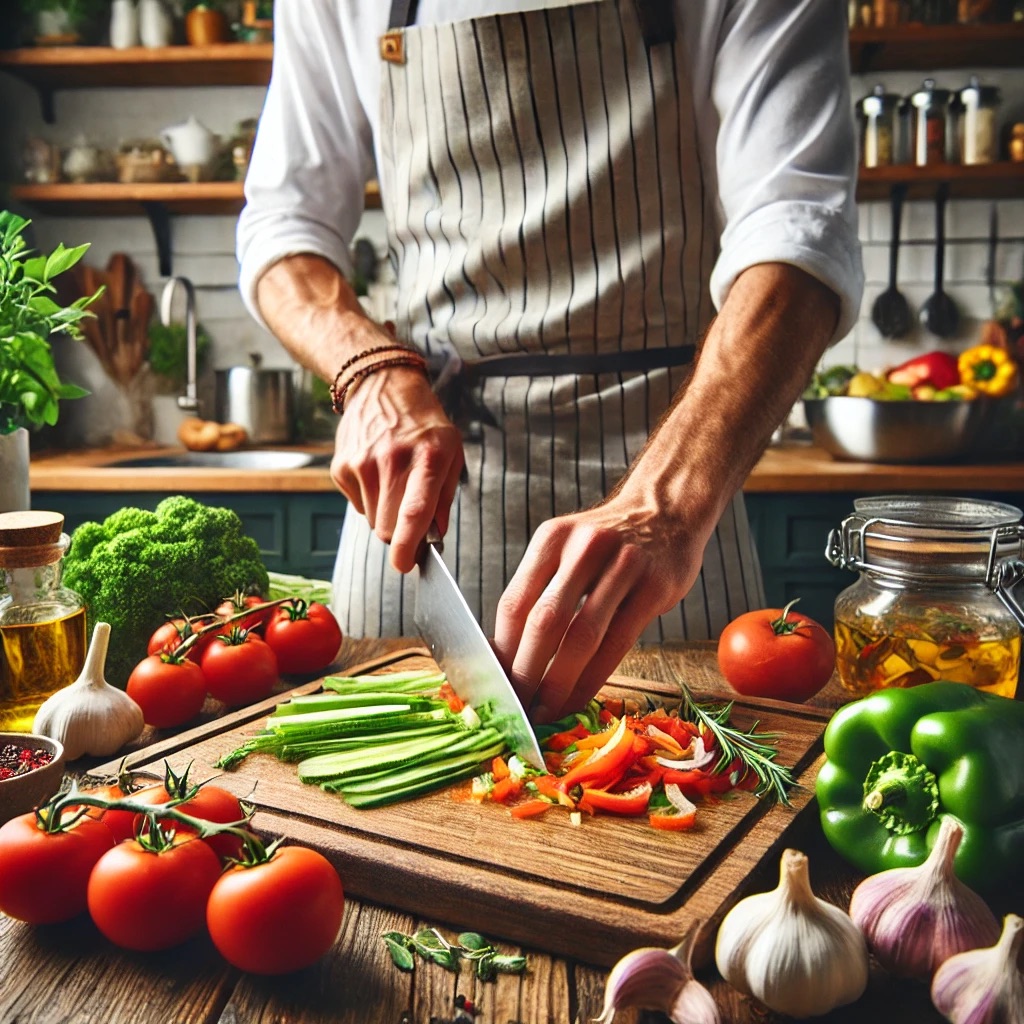
When we think of the Middle East, we often picture vibrant souks, aromatic spices, and rich cultural heritage. Yet, one of the most delightful aspects of this region is its incredible array of desserts that reflect its diverse traditions and histories. Middle Eastern desserts are not just treats; they are a celebration of life, family, and community. In this blog post, we will explore the sweet side of tradition by delving into some iconic Middle Eastern desserts, their cultural significance, and how they are enjoyed across different countries.
A Culinary Mosaic
The Middle East is a melting pot of cultures, with each country contributing its unique flavors and traditions. From the Levant to the Arabian Peninsula, the desserts vary widely, showcasing local ingredients, techniques, and customs. This culinary mosaic is what makes Middle Eastern sweets so fascinating and beloved around the world.
Baklava: The Queen of Sweets
No discussion about Middle Eastern desserts would be complete without mentioning baklava. This pastry is made of layers of filo dough filled with chopped nuts, sweetened with syrup or honey, and often flavored with cinnamon or cardamom. Its origins can be traced back to the Ottoman Empire, and it is a favorite across many countries, including Turkey, Greece, and Lebanon.
Baklava is traditionally served during special occasions, such as weddings and religious holidays, symbolizing wealth and prosperity. The process of making baklava is intricate, requiring patience and skill, but the result is a heavenly treat that is enjoyed by all.
Knafeh: A Cheesy Delight
Knafeh is another iconic dessert that hails from the Levant region, particularly popular in countries like Lebanon, Palestine, and Jordan. This dish consists of a base made from shredded filo pastry or semolina, layered with a generous filling of gooey cheese, and drenched in a fragrant sugar syrup. It is often garnished with crushed pistachios, adding a delightful crunch to the creamy texture.
Knafeh is typically served warm and is often enjoyed during festive occasions, especially during Ramadan. The combination of sweet and savory flavors makes it a unique and indulgent treat that captures the hearts of many.
Basbousa: A Semolina Cake
Basbousa, also known as hareeseh or revani in different regions, is a simple yet delightful semolina cake soaked in syrup. This dessert is popular across the Middle East, particularly in Egypt, Syria, and Turkey. Basbousa is made from semolina, yogurt, sugar, and baking powder, resulting in a moist and fluffy cake.
What sets basbousa apart is its unique preparation: it is often topped with blanched almonds or coconut flakes before baking, giving it a beautiful presentation. The cake is typically served during celebrations and gatherings, symbolizing hospitality and sweetness in life.
Ma’amoul: The Stuffed Cookies
Ma’amoul are traditional Middle Eastern cookies filled with dates, nuts, or figs. These delightful treats are often shaped using wooden molds and are particularly popular during religious holidays such as Eid al-Fitr and Easter. The dough is made from semolina, flour, butter, and sometimes flavored with rose or orange blossom water.
Making ma’amoul is a communal activity, bringing families together during festive seasons. The cookies are dusted with powdered sugar, adding an extra touch of sweetness. Each bite of ma’amoul is a reminder of the rich traditions and the importance of sharing joy with loved ones.
Halva: The Traditional Confection
Halva is a sweet confection made from tahini (sesame paste), sugar, and often flavored with nuts or chocolate. It has a crumbly texture and can be found in various forms across the Middle East, including the popular pistachio and chocolate varieties. Halva is an integral part of Middle Eastern culture and is often served during special occasions or as a snack.
This dessert is not only delicious but also holds cultural significance. In some cultures, halva is offered to guests as a symbol of hospitality, and it is also a common treat during Ramadan. The act of sharing halva embodies the spirit of generosity and togetherness.
Rice Pudding: A Comforting Classic
Rice pudding, known as 'roz bil haleeb' in Arabic, is a beloved dessert throughout the Middle East. Made with rice, milk, sugar, and flavored with rose or orange blossom water, this creamy treat is often garnished with cinnamon, nuts, or raisins. It is a comforting dessert that evokes feelings of nostalgia and home.
Rice pudding is frequently served during family gatherings and celebrations, symbolizing warmth and comfort. Its simplicity and versatility allow for various adaptations, making it a staple in many households.
Sweet Traditions Across Borders
While the desserts mentioned above are celebrated in various countries, the way they are prepared and enjoyed can differ significantly. For example, in Turkey, baklava is often served with a scoop of ice cream, while in Lebanon, it might be paired with a cup of strong Arabic coffee. These regional variations add to the richness of Middle Eastern dessert culture.
During Ramadan, sweets play a particularly important role in breaking the fast. Desserts like dates, kunafeh, and ma’amoul are often served to welcome family and friends after sunset, creating a sense of togetherness and celebration.
The Art of Dessert-Making
The preparation of Middle Eastern desserts is often seen as an art form, passed down through generations. Many families have their secret recipes, which are closely guarded and cherished. The process of making these desserts is not just about the final product but also about the memories created in the kitchen and the stories shared over a sweet treat.
In recent years, there has been a resurgence of interest in traditional Middle Eastern desserts, with many chefs and home cooks experimenting with new flavors and techniques while honoring the roots of these beloved treats. This fusion of tradition and innovation ensures that the sweet side of Middle Eastern culture continues to thrive.
Conclusion
Middle Eastern desserts are more than just delicious treats; they are a reflection of the region's rich cultural heritage, traditions, and the importance of community. From the flaky layers of baklava to the comforting embrace of rice pudding, each dessert tells a story that connects people across generations.
As we indulge in these sweet delights, we not only satisfy our taste buds but also celebrate the beautiful tapestry of traditions that make Middle Eastern cultures so unique. So, the next time you savor a piece of baklava or a warm plate of knafeh, remember that you are also partaking in a rich legacy of sweetness that transcends borders.
Related articles
 Savoring the Spice
Exploring India's Rich Culinary Heritage
Savoring the Spice
Exploring India's Rich Culinary Heritage
 A Taste of Tradition
The Role of Food in Italian Family Gatherings
A Taste of Tradition
The Role of Food in Italian Family Gatherings
 Feasting with Friends
The Importance of Communal Meals in African Cultures
Feasting with Friends
The Importance of Communal Meals in African Cultures
 From Tapas to Paella
The Culinary Wonders of Spain
From Tapas to Paella
The Culinary Wonders of Spain
 Traditions on a Plate
Discovering Japanese Kaiseki Dining
Traditions on a Plate
Discovering Japanese Kaiseki Dining
 Celebrating Harvest
The Role of Food in Native American Festivals
Celebrating Harvest
The Role of Food in Native American Festivals
 The Sweet Side of Tradition
Desserts in Middle Eastern Cultures
The Sweet Side of Tradition
Desserts in Middle Eastern Cultures
 Culinary Journeys
How Food Connects Us in Latin America
Culinary Journeys
How Food Connects Us in Latin America
 The Ritual of Tea
A Cultural Exploration of Asian Tea Ceremonies
The Ritual of Tea
A Cultural Exploration of Asian Tea Ceremonies
 Festive Feasts
Christmas Food Traditions Around the World
Festive Feasts
Christmas Food Traditions Around the World
 The Art of Cooking
Celebrating French Gastronomy Through Generations
The Art of Cooking
Celebrating French Gastronomy Through Generations
 Food as Identity
The Role of Cuisine in Cultural Heritage
Food as Identity
The Role of Cuisine in Cultural Heritage
 Bringing Families Together
The Significance of Sunday Dinners in the South
Bringing Families Together
The Significance of Sunday Dinners in the South
 A Culinary Tapestry
Exploring the Diverse Foods of Southeast Asia
A Culinary Tapestry
Exploring the Diverse Foods of Southeast Asia
 Celebrating Life Through Food
The Role of Meals in Jewish Traditions
Celebrating Life Through Food
The Role of Meals in Jewish Traditions
 Flavors of the Past
How History Shapes Modern Culinary Practices
Flavors of the Past
How History Shapes Modern Culinary Practices
 The Global Influence of Street Food
A Celebration of Local Flavors
The Global Influence of Street Food
A Celebration of Local Flavors
 Seasonal Celebrations
Food Traditions for Every Holiday
Seasonal Celebrations
Food Traditions for Every Holiday
 Cooking with Love
The Emotional Connection to Family Recipes
Cooking with Love
The Emotional Connection to Family Recipes
 Global Potluck
Sharing Cultural Dishes from Around the World
Global Potluck
Sharing Cultural Dishes from Around the World
 The Significance of Fermentation in Various Cultures' Culinary Traditions
 Culinary Festivals
Celebrating Food and Culture Worldwide
Culinary Festivals
Celebrating Food and Culture Worldwide
 The Impact of Migration on Food Traditions
A Global Perspective
The Impact of Migration on Food Traditions
A Global Perspective
 Herbs and Spices
The Language of Flavor in Global Cuisines
Herbs and Spices
The Language of Flavor in Global Cuisines
 The Family Table
How Food Brings Generations Together
The Family Table
How Food Brings Generations Together
 Dishing Up Diversity
Exploring Vegetarian and Vegan Traditions Worldwide
Dishing Up Diversity
Exploring Vegetarian and Vegan Traditions Worldwide
 Celebrating Culinary Heritage
The Stories Behind Iconic Dishes
Celebrating Culinary Heritage
The Stories Behind Iconic Dishes
 Food and Rituals
The Connection Between Cuisine and Spirituality
Food and Rituals
The Connection Between Cuisine and Spirituality
 From Farm to Fork
The Importance of Local Ingredients in Global Cuisines
From Farm to Fork
The Importance of Local Ingredients in Global Cuisines
 The Role of Food in Cultural Identity and Community Building
 A Culinary Adventure
Exploring Fusion Cuisines Around the World
A Culinary Adventure
Exploring Fusion Cuisines Around the World
 Sustainable Traditions
How Cultures Incorporate Eco-Friendly Practices in Food
Sustainable Traditions
How Cultures Incorporate Eco-Friendly Practices in Food
 Taste of Tradition
The Importance of Preserving Culinary Heritage
Taste of Tradition
The Importance of Preserving Culinary Heritage
 Global Celebrations
The Role of Food in Cultural Festivals
Global Celebrations
The Role of Food in Cultural Festivals
Breaking Bread
The Universal Tradition of Sharing Meals
Culinary Legends
Famous Dishes and Their Cultural Significance
Food and Family
The Heart of Cultural Celebrations
The Influence of Climate on Culinary Traditions
A Global Perspective
Cultural Exchange Through Cuisine
How Food Unites Us
Cooking Traditions
The Role of Elders in Passing Down Recipes
The Global Feast
Celebrating Diversity Through Food Traditions
Seasonal Ingredients
How Cultures Celebrate the Changing Seasons Through Food
Food as Art
The Aesthetic Value of Culinary Traditions
A Journey Through Time
How Historical Events Shaped Culinary Traditions
The Science of Flavor
Understanding Cultural Palates
Food and Folklore
The Stories Behind Traditional Dishes
The Global Influence of Culinary Shows
Inspiring Cultural Appreciation
Culinary Diplomacy
How Food Bridges Cultural Divides
Celebrating Heritage
The Role of Food in Cultural Identity
The Taste of Home
How Traditional Meals Evoke Memories and Identity
Categories