The art of cooking
AI CHEF Blog

Culinary Journeys: How Food Connects Us in Latin America
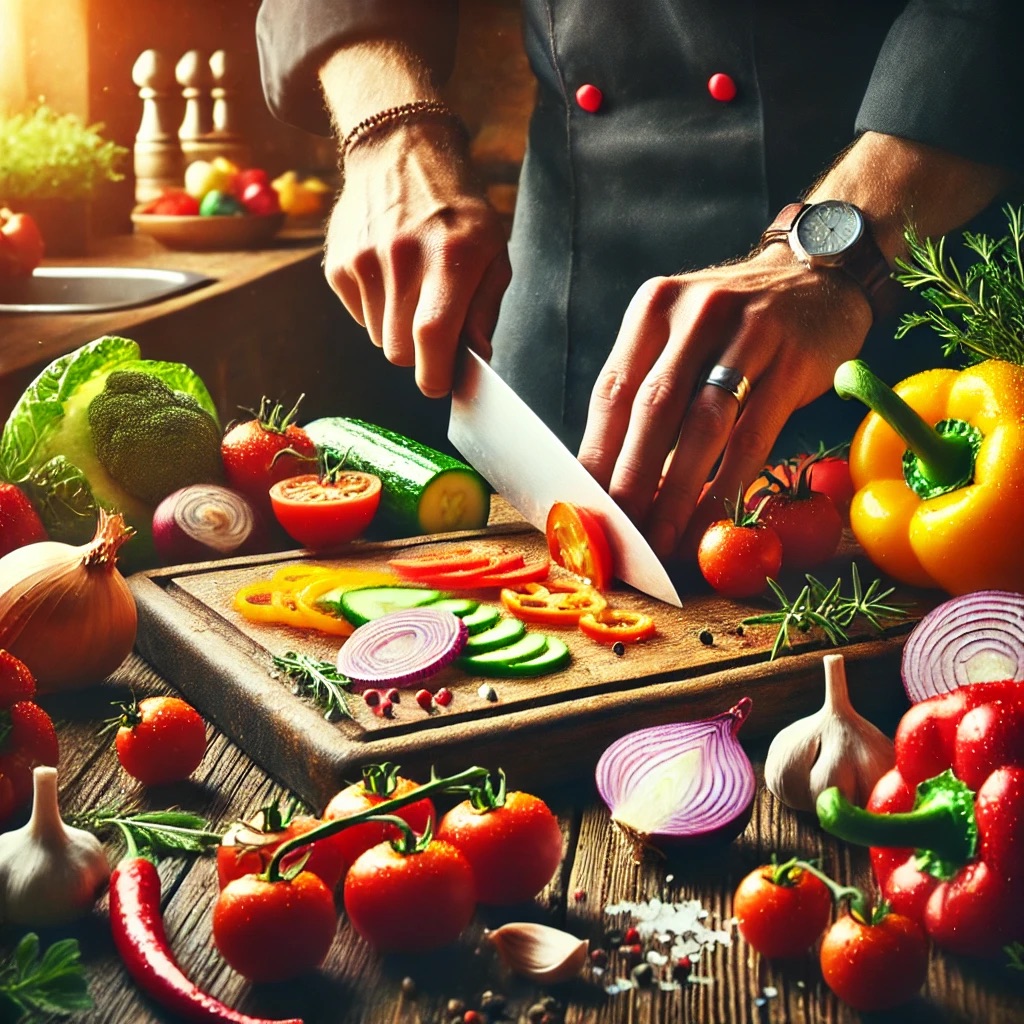
Latin America is a vibrant tapestry of cultures, traditions, and histories, and perhaps one of the most delicious ways this diversity is expressed is through its food. Culinary journeys throughout this region not only tantalize the taste buds but also serve as a vehicle for connection, identity, and community. In this blog post, we will explore how food connects us across Latin America, celebrating its rich culinary heritage.
The Cultural Significance of Food
In Latin America, food is much more than sustenance; it embodies history, tradition, and cultural identity. Each dish tells a story, often passed down through generations, reflecting the agricultural practices, colonization, and migration patterns that have shaped the region. For instance, the use of corn, beans, and chili peppers in Mexican cuisine traces back to ancient civilizations like the Aztecs and Mayans, while the use of spices in Caribbean dishes highlights the influence of African and European cultures.
Food as a Means of Connection
Food has an extraordinary ability to bring people together. In Latin America, communal meals are central to social gatherings, celebrations, and family traditions. Whether it’s a festive asado in Argentina, a traditional mole in Mexico, or a delicious feijoada in Brazil, these meals are often shared with family and friends, fostering connections and strengthening bonds.
Consider the concept of the cocina criolla in countries like Peru and Cuba, where the blending of indigenous ingredients with African and European techniques creates a unique culinary identity. The process of cooking together can be a bonding experience, allowing families to share stories, pass down recipes, and celebrate their heritage.
Regional Variations and Local Ingredients
Latin America is home to a stunning variety of regional cuisines, each utilizing local ingredients to create distinct flavors. For example, the Amazon rainforest provides an abundance of exotic fruits and fish, which are staples in indigenous communities. In contrast, the Andes mountains offer potatoes and quinoa, foundational elements of Peruvian and Bolivian cuisine.
Exploring these regional variations reveals how the geography and climate influence culinary practices. The coastal regions of Chile and Peru are renowned for their seafood, while the highlands of Bolivia are known for hearty stews and grilled meats. These local ingredients not only shape the dishes but also connect people to their land and heritage.
Street Food: A Taste of Everyday Life
Street food is an integral part of Latin American culinary culture, offering a glimpse into daily life and the vibrant communities that thrive within cities. From the taco stands of Mexico City to the empanada carts of Buenos Aires, street food vendors provide affordable, delicious meals that reflect local flavors and ingredients.
Street food serves as a bridge between cultures, as vendors often incorporate influences from various regions and communities to create unique dishes. The fusion of flavors found in street food exemplifies the interconnectedness of Latin American cuisine, showcasing how diverse cultures can coexist and enrich one another.
Celebrating Festivals through Food
Festivals and celebrations in Latin America are often centered around food, with traditional dishes taking center stage. For instance, during Día de los Muertos in Mexico, families prepare altars adorned with pan de muerto and sugar skulls, honoring their deceased loved ones. In Brazil, the carnival season brings feasting and street parties, where dishes like feijoada and caipirinhas are enjoyed amidst lively music and dance.
These culinary traditions not only highlight the importance of food in cultural celebrations but also serve as a means for communities to come together, share their heritage, and pass on their customs to future generations.
Food as a Reflection of Identity
Food can also be a powerful expression of personal and cultural identity. In Latin America, many individuals connect with their roots through cooking traditional recipes that evoke memories of childhood and family gatherings. The act of preparing these dishes fosters a sense of belonging and pride in one’s heritage.
Additionally, the rise of food movements in Latin America emphasizes the importance of preserving indigenous ingredients and culinary practices. Chefs and food activists are increasingly advocating for the use of local, sustainable ingredients, promoting a connection not just to culture but also to the environment.
Conclusion: A Culinary Tapestry
Food in Latin America is a rich, complex tapestry woven from the threads of history, culture, and community. It connects people, fosters relationships, and celebrates diversity, revealing the shared human experience through the universal language of food. As we embark on our culinary journeys, let us embrace the flavors, stories, and traditions that unite us across this vibrant region.
Related articles
 Savoring the Spice
Exploring India's Rich Culinary Heritage
Savoring the Spice
Exploring India's Rich Culinary Heritage
 A Taste of Tradition
The Role of Food in Italian Family Gatherings
A Taste of Tradition
The Role of Food in Italian Family Gatherings
 Feasting with Friends
The Importance of Communal Meals in African Cultures
Feasting with Friends
The Importance of Communal Meals in African Cultures
 From Tapas to Paella
The Culinary Wonders of Spain
From Tapas to Paella
The Culinary Wonders of Spain
 Traditions on a Plate
Discovering Japanese Kaiseki Dining
Traditions on a Plate
Discovering Japanese Kaiseki Dining
 Celebrating Harvest
The Role of Food in Native American Festivals
Celebrating Harvest
The Role of Food in Native American Festivals
 The Sweet Side of Tradition
Desserts in Middle Eastern Cultures
The Sweet Side of Tradition
Desserts in Middle Eastern Cultures
 Culinary Journeys
How Food Connects Us in Latin America
Culinary Journeys
How Food Connects Us in Latin America
 The Ritual of Tea
A Cultural Exploration of Asian Tea Ceremonies
The Ritual of Tea
A Cultural Exploration of Asian Tea Ceremonies
 Festive Feasts
Christmas Food Traditions Around the World
Festive Feasts
Christmas Food Traditions Around the World
 The Art of Cooking
Celebrating French Gastronomy Through Generations
The Art of Cooking
Celebrating French Gastronomy Through Generations
 Food as Identity
The Role of Cuisine in Cultural Heritage
Food as Identity
The Role of Cuisine in Cultural Heritage
 Bringing Families Together
The Significance of Sunday Dinners in the South
Bringing Families Together
The Significance of Sunday Dinners in the South
 A Culinary Tapestry
Exploring the Diverse Foods of Southeast Asia
A Culinary Tapestry
Exploring the Diverse Foods of Southeast Asia
 Celebrating Life Through Food
The Role of Meals in Jewish Traditions
Celebrating Life Through Food
The Role of Meals in Jewish Traditions
 Flavors of the Past
How History Shapes Modern Culinary Practices
Flavors of the Past
How History Shapes Modern Culinary Practices
 The Global Influence of Street Food
A Celebration of Local Flavors
The Global Influence of Street Food
A Celebration of Local Flavors
 Seasonal Celebrations
Food Traditions for Every Holiday
Seasonal Celebrations
Food Traditions for Every Holiday
 Cooking with Love
The Emotional Connection to Family Recipes
Cooking with Love
The Emotional Connection to Family Recipes
 Global Potluck
Sharing Cultural Dishes from Around the World
Global Potluck
Sharing Cultural Dishes from Around the World
 The Significance of Fermentation in Various Cultures' Culinary Traditions
 Culinary Festivals
Celebrating Food and Culture Worldwide
Culinary Festivals
Celebrating Food and Culture Worldwide
 The Impact of Migration on Food Traditions
A Global Perspective
The Impact of Migration on Food Traditions
A Global Perspective
 Herbs and Spices
The Language of Flavor in Global Cuisines
Herbs and Spices
The Language of Flavor in Global Cuisines
 The Family Table
How Food Brings Generations Together
The Family Table
How Food Brings Generations Together
 Dishing Up Diversity
Exploring Vegetarian and Vegan Traditions Worldwide
Dishing Up Diversity
Exploring Vegetarian and Vegan Traditions Worldwide
 Celebrating Culinary Heritage
The Stories Behind Iconic Dishes
Celebrating Culinary Heritage
The Stories Behind Iconic Dishes
 Food and Rituals
The Connection Between Cuisine and Spirituality
Food and Rituals
The Connection Between Cuisine and Spirituality
 From Farm to Fork
The Importance of Local Ingredients in Global Cuisines
From Farm to Fork
The Importance of Local Ingredients in Global Cuisines
 The Role of Food in Cultural Identity and Community Building
 A Culinary Adventure
Exploring Fusion Cuisines Around the World
A Culinary Adventure
Exploring Fusion Cuisines Around the World
 Sustainable Traditions
How Cultures Incorporate Eco-Friendly Practices in Food
Sustainable Traditions
How Cultures Incorporate Eco-Friendly Practices in Food
 Taste of Tradition
The Importance of Preserving Culinary Heritage
Taste of Tradition
The Importance of Preserving Culinary Heritage
 Global Celebrations
The Role of Food in Cultural Festivals
Global Celebrations
The Role of Food in Cultural Festivals
Breaking Bread
The Universal Tradition of Sharing Meals
Culinary Legends
Famous Dishes and Their Cultural Significance
Food and Family
The Heart of Cultural Celebrations
The Influence of Climate on Culinary Traditions
A Global Perspective
Cultural Exchange Through Cuisine
How Food Unites Us
Cooking Traditions
The Role of Elders in Passing Down Recipes
The Global Feast
Celebrating Diversity Through Food Traditions
Seasonal Ingredients
How Cultures Celebrate the Changing Seasons Through Food
Food as Art
The Aesthetic Value of Culinary Traditions
A Journey Through Time
How Historical Events Shaped Culinary Traditions
The Science of Flavor
Understanding Cultural Palates
Food and Folklore
The Stories Behind Traditional Dishes
The Global Influence of Culinary Shows
Inspiring Cultural Appreciation
Culinary Diplomacy
How Food Bridges Cultural Divides
Celebrating Heritage
The Role of Food in Cultural Identity
The Taste of Home
How Traditional Meals Evoke Memories and Identity
Categories