The art of cooking
AI CHEF Blog

Cooking with Love: The Emotional Connection to Family Recipes
When we think of cooking, we often think of it as a mere necessity—a way to fill our stomachs and fuel our bodies. However, for many, cooking is so much more than that. It’s an art, a ritual, and perhaps most importantly, a deeply emotional experience that binds us to our past, our families, and our heritage. Family recipes, often handed down through generations, serve as cherished vessels of memory and emotion, connecting us to our loved ones in profound ways. In this blog post, we will explore the significance of family recipes and how they foster emotional connections through the simple act of cooking.
The Origins of Family Recipes
Family recipes often originate from our ancestors, carrying with them stories of culture, tradition, and love. These recipes were created in times of celebration and sorrow, during gatherings that brought families together, or in moments of solitude when comfort was needed. Each ingredient has a tale to tell, and the preparation methods often reflect the environment and resources available to those who first created the dish.
The Emotional Connection
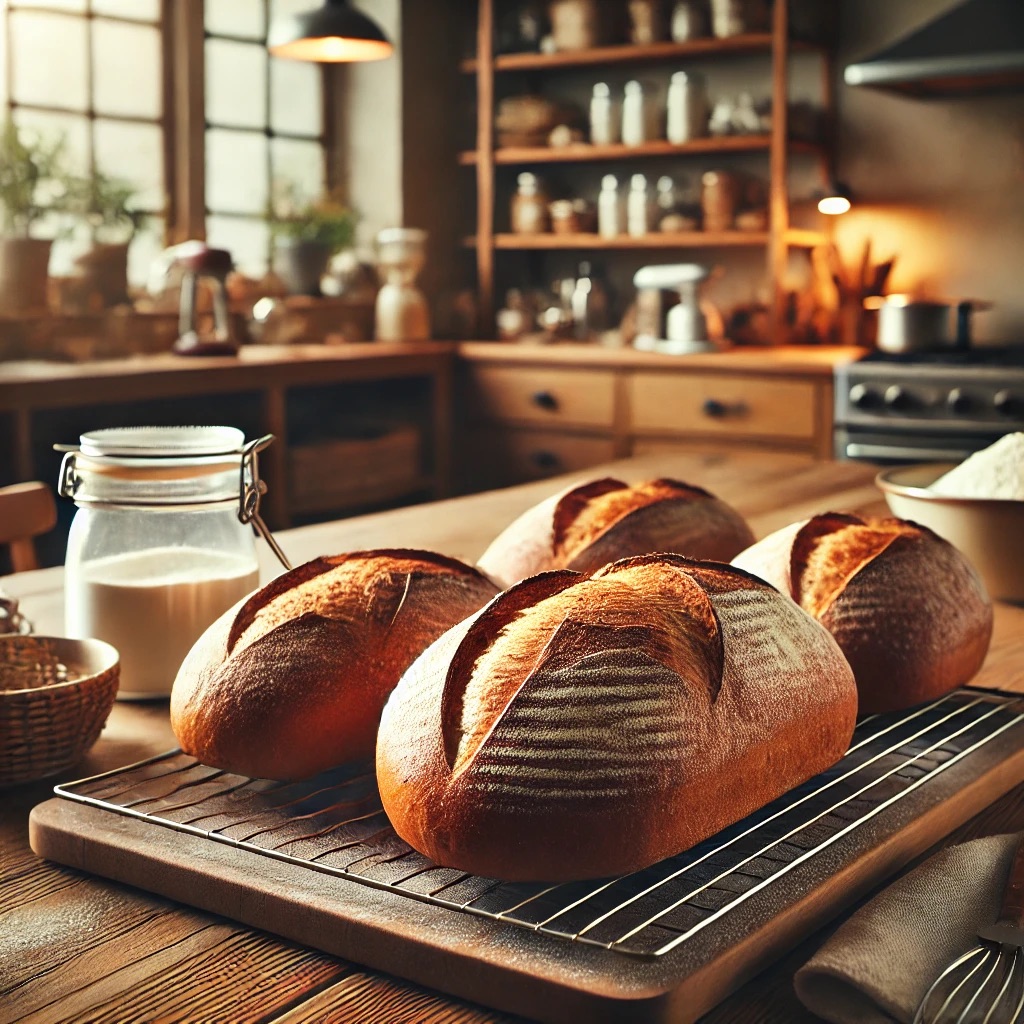
The emotional resonance of family recipes is undeniable. When we cook a dish that our grandmother made, we are not just following a set of instructions; we are engaging in a ritual that evokes memories of her laughter, her stories, and her love. The aroma of simmering sauce or freshly baked bread can transport us back to our childhood kitchens, filled with warmth and the chatter of family. This sensory experience creates a powerful connection between the past and present.
Creating New Memories
While family recipes are often associated with nostalgia, they also allow us to create new memories. When we cook these dishes for our friends and family, we are not just recreating the past; we are sharing those memories and experiences with a new generation. Cooking together can become a bonding activity, where stories are shared, laughter is abundant, and love is palpable. These moments become ingrained in our own histories, adding layers to the emotional tapestry of our lives.
Passing Down Traditions
As we cultivate our own culinary skills, the importance of passing down family recipes becomes increasingly apparent. Teaching our children or younger family members how to cook traditional dishes not only keeps the recipes alive but also fosters a sense of belonging and identity. These cooking sessions become opportunities to share family history, anecdotes, and cultural values, reinforcing the emotional ties that bind us.
Cooking as an Act of Love
Cooking for someone is often seen as a gesture of love and care. It’s an expression of appreciation and a way to nurture those we hold dear. Family recipes, in particular, carry an extra layer of sentiment as they embody the love of those who came before us. When we prepare a beloved dish, we honor our family’s legacy and show our loved ones that we care. The act of cooking becomes a love language, where each ingredient is a word, and each dish tells a story.
The Joy of Sharing
Family recipes are meant to be shared. Inviting loved ones to gather around the table to enjoy a meal created from cherished recipes enhances the emotional experience. The act of sharing food can strengthen relationships and create new memories. Whether it’s a holiday feast or a casual weeknight dinner, the table becomes a focal point for connection, conversation, and love.
Culinary Innovation: Honoring Tradition while Embracing Change
While family recipes are rooted in tradition, they are not set in stone. Many cooks love to experiment, adding their own twist to beloved dishes. This creativity allows us to honor our family’s culinary heritage while also making it our own. By incorporating local ingredients or modern techniques, we keep the spirit of the original recipe alive while adapting it to our tastes and lifestyles.
Conclusion
Cooking with love is about more than just the food; it’s about the connections we create and the memories we cherish. Family recipes serve as a bridge between generations, allowing us to remember, celebrate, and share the love that has been passed down through the years. The next time you find yourself in the kitchen preparing a family recipe, take a moment to reflect on the love that has gone into it and the connections it fosters. In every bite, you’ll find not just nourishment, but also a taste of love.
Related articles
 Savoring the Spice
Exploring India's Rich Culinary Heritage
Savoring the Spice
Exploring India's Rich Culinary Heritage
 A Taste of Tradition
The Role of Food in Italian Family Gatherings
A Taste of Tradition
The Role of Food in Italian Family Gatherings
 Feasting with Friends
The Importance of Communal Meals in African Cultures
Feasting with Friends
The Importance of Communal Meals in African Cultures
 From Tapas to Paella
The Culinary Wonders of Spain
From Tapas to Paella
The Culinary Wonders of Spain
 Traditions on a Plate
Discovering Japanese Kaiseki Dining
Traditions on a Plate
Discovering Japanese Kaiseki Dining
 Celebrating Harvest
The Role of Food in Native American Festivals
Celebrating Harvest
The Role of Food in Native American Festivals
 The Sweet Side of Tradition
Desserts in Middle Eastern Cultures
The Sweet Side of Tradition
Desserts in Middle Eastern Cultures
 Culinary Journeys
How Food Connects Us in Latin America
Culinary Journeys
How Food Connects Us in Latin America
 The Ritual of Tea
A Cultural Exploration of Asian Tea Ceremonies
The Ritual of Tea
A Cultural Exploration of Asian Tea Ceremonies
 Festive Feasts
Christmas Food Traditions Around the World
Festive Feasts
Christmas Food Traditions Around the World
 The Art of Cooking
Celebrating French Gastronomy Through Generations
The Art of Cooking
Celebrating French Gastronomy Through Generations
 Food as Identity
The Role of Cuisine in Cultural Heritage
Food as Identity
The Role of Cuisine in Cultural Heritage
 Bringing Families Together
The Significance of Sunday Dinners in the South
Bringing Families Together
The Significance of Sunday Dinners in the South
 A Culinary Tapestry
Exploring the Diverse Foods of Southeast Asia
A Culinary Tapestry
Exploring the Diverse Foods of Southeast Asia
 Celebrating Life Through Food
The Role of Meals in Jewish Traditions
Celebrating Life Through Food
The Role of Meals in Jewish Traditions
 Flavors of the Past
How History Shapes Modern Culinary Practices
Flavors of the Past
How History Shapes Modern Culinary Practices
 The Global Influence of Street Food
A Celebration of Local Flavors
The Global Influence of Street Food
A Celebration of Local Flavors
 Seasonal Celebrations
Food Traditions for Every Holiday
Seasonal Celebrations
Food Traditions for Every Holiday
 Cooking with Love
The Emotional Connection to Family Recipes
Cooking with Love
The Emotional Connection to Family Recipes
 Global Potluck
Sharing Cultural Dishes from Around the World
Global Potluck
Sharing Cultural Dishes from Around the World
 The Significance of Fermentation in Various Cultures' Culinary Traditions
 Culinary Festivals
Celebrating Food and Culture Worldwide
Culinary Festivals
Celebrating Food and Culture Worldwide
 The Impact of Migration on Food Traditions
A Global Perspective
The Impact of Migration on Food Traditions
A Global Perspective
 Herbs and Spices
The Language of Flavor in Global Cuisines
Herbs and Spices
The Language of Flavor in Global Cuisines
 The Family Table
How Food Brings Generations Together
The Family Table
How Food Brings Generations Together
 Dishing Up Diversity
Exploring Vegetarian and Vegan Traditions Worldwide
Dishing Up Diversity
Exploring Vegetarian and Vegan Traditions Worldwide
 Celebrating Culinary Heritage
The Stories Behind Iconic Dishes
Celebrating Culinary Heritage
The Stories Behind Iconic Dishes
 Food and Rituals
The Connection Between Cuisine and Spirituality
Food and Rituals
The Connection Between Cuisine and Spirituality
 From Farm to Fork
The Importance of Local Ingredients in Global Cuisines
From Farm to Fork
The Importance of Local Ingredients in Global Cuisines
 The Role of Food in Cultural Identity and Community Building
 A Culinary Adventure
Exploring Fusion Cuisines Around the World
A Culinary Adventure
Exploring Fusion Cuisines Around the World
 Sustainable Traditions
How Cultures Incorporate Eco-Friendly Practices in Food
Sustainable Traditions
How Cultures Incorporate Eco-Friendly Practices in Food
 Taste of Tradition
The Importance of Preserving Culinary Heritage
Taste of Tradition
The Importance of Preserving Culinary Heritage
 Global Celebrations
The Role of Food in Cultural Festivals
Global Celebrations
The Role of Food in Cultural Festivals
Breaking Bread
The Universal Tradition of Sharing Meals
Culinary Legends
Famous Dishes and Their Cultural Significance
Food and Family
The Heart of Cultural Celebrations
The Influence of Climate on Culinary Traditions
A Global Perspective
Cultural Exchange Through Cuisine
How Food Unites Us
Cooking Traditions
The Role of Elders in Passing Down Recipes
The Global Feast
Celebrating Diversity Through Food Traditions
Seasonal Ingredients
How Cultures Celebrate the Changing Seasons Through Food
Food as Art
The Aesthetic Value of Culinary Traditions
A Journey Through Time
How Historical Events Shaped Culinary Traditions
The Science of Flavor
Understanding Cultural Palates
Food and Folklore
The Stories Behind Traditional Dishes
The Global Influence of Culinary Shows
Inspiring Cultural Appreciation
Culinary Diplomacy
How Food Bridges Cultural Divides
Celebrating Heritage
The Role of Food in Cultural Identity
The Taste of Home
How Traditional Meals Evoke Memories and Identity
Categories