The art of cooking
AI CHEF Blog

Culinary Festivals: Celebrating Food and Culture Worldwide
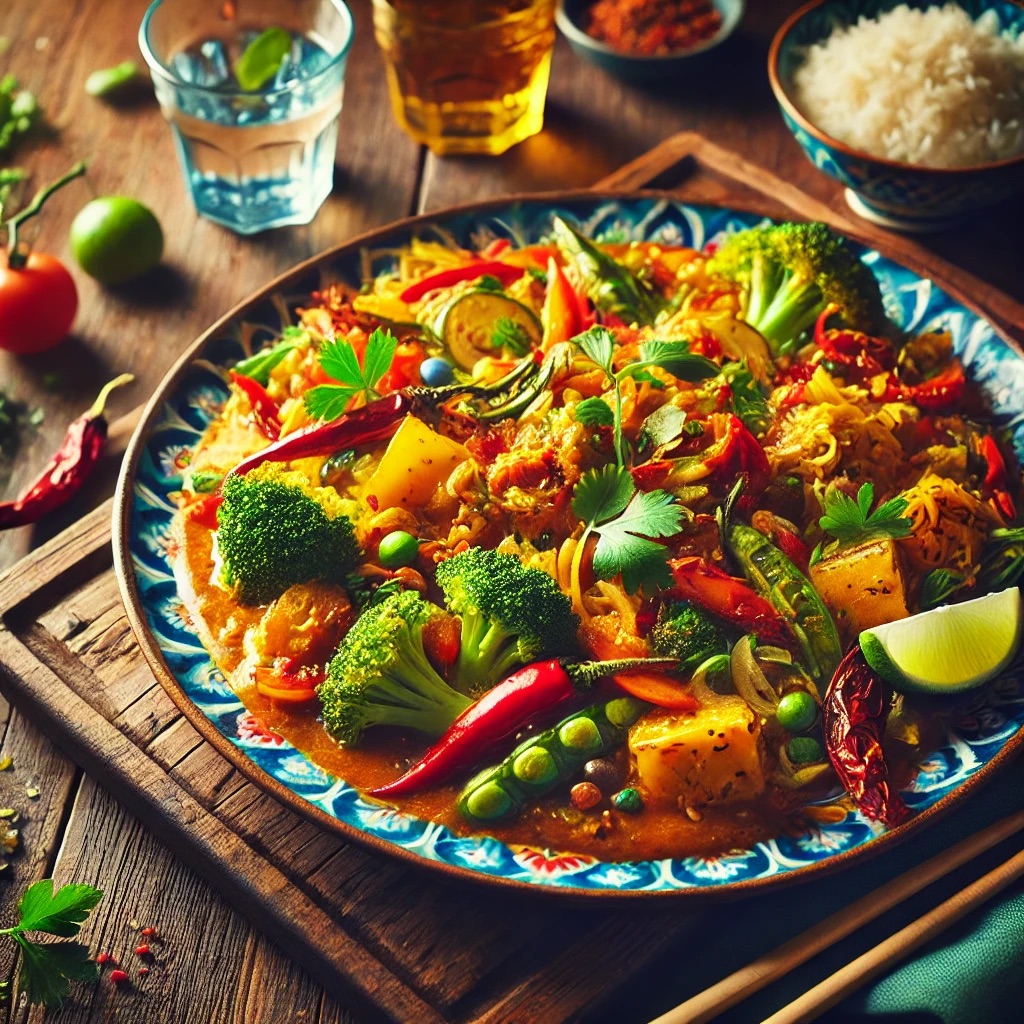
Food is more than just sustenance; it is a reflection of culture, history, and community. Culinary festivals around the globe celebrate the diversity of food and the rich traditions that accompany it. From local ingredients to age-old recipes, these festivals offer a unique opportunity to explore different cultures through their culinary practices. In this blog post, we will delve into the significance of culinary festivals, highlight some famous events across the world, and discuss how these celebrations bring people together.
The Significance of Culinary Festivals
Culinary festivals are not merely events where people gather to eat; they serve multiple purposes:
- Preservation of Tradition: Many culinary festivals focus on preserving ancient cooking methods and recipes that have been passed down through generations. This helps maintain cultural heritage and fosters a sense of pride among communities.
- Promotion of Local Ingredients: Festivals often emphasize the use of local produce, encouraging the community to support local farmers and artisans. This not only boosts the local economy but also promotes sustainable practices.
- Cultural Exchange: Culinary festivals attract visitors from various backgrounds, creating a melting pot of cultures. This exchange fosters understanding and appreciation of different traditions and cuisines.
- Community Building: These events bring people together, creating a sense of belonging and camaraderie. Whether it's a small town gathering or a large international festival, the shared experience of food fosters connections.
Famous Culinary Festivals Around the World
Across continents, culinary festivals showcase not only food but also the stories behind them. Here are some notable festivals that celebrate culinary traditions:
1. La Tomatina - Spain
Held annually in Buñol, Valencia, La Tomatina is a unique festival where participants engage in a massive tomato fight. While it might seem like a chaotic event, the festival has roots in local traditions and is a fun way for people to come together and enjoy the summer.
2. Oktoberfest - Germany
Oktoberfest in Munich is the world’s largest beer festival, attracting millions of visitors each year. Beyond beer, the festival showcases traditional Bavarian cuisine, including pretzels, sausages, and roasted meats. It’s a celebration of German culture, music, and culinary delights.
3. Taste of Chicago - USA
This festival is a food lover's paradise, featuring a wide range of cuisines from Chicago’s diverse neighborhoods. From deep-dish pizza to gourmet food trucks, the Taste of Chicago highlights the city’s culinary landscape and celebrates its multicultural heritage.
4. Salon du Chocolat - France
For chocolate enthusiasts, the Salon du Chocolat in Paris is a dream come true. This festival is dedicated to all things chocolate, featuring tastings, demonstrations, and even a chocolate fashion show. It celebrates the art of chocolate making and brings together artisans from around the world.
5. Melbourne Food and Wine Festival - Australia
Celebrating the culinary landscape of Australia, the Melbourne Food and Wine Festival brings together chefs, winemakers, and food lovers. The festival features a variety of events, including tastings, masterclasses, and special dinners, showcasing the best of Australian produce.
6. Pizzafest - Italy
In Naples, the birthplace of pizza, Pizzafest celebrates the beloved dish with a week-long event filled with pizza tastings, cooking demonstrations, and competitions. It’s a tribute to the traditional Neapolitan pizza, highlighting its cultural significance and culinary heritage.
Experiencing Culinary Festivals
Attending a culinary festival can be a transformative experience. Here are some tips to make the most of your visit:
- Arrive Hungry: With so many dishes to try, come prepared to indulge in a variety of flavors. Sample small portions to experience a wide range of offerings.
- Engage with Chefs and Artisans: Many festivals feature cooking demonstrations and workshops. Take the opportunity to learn from the chefs and artisans behind your favorite dishes.
- Participate in Events: Whether it’s a cooking class, a food pairing workshop, or a tasting session, participating in events can enhance your understanding of the cuisine.
- Explore Beyond the Food: Many culinary festivals also feature live music, art displays, and cultural performances. Take the time to enjoy the entire experience.
Conclusion
Culinary festivals are a celebration of food and culture that transcend borders. They provide a platform for communities to showcase their culinary heritage, promote local ingredients, and foster cultural exchange. Whether you’re a food enthusiast or a casual observer, these festivals offer an enriching experience that connects people through the universal language of food. So, the next time you have the opportunity, immerse yourself in a culinary festival and savor the flavors of the world!
Related articles
 Savoring the Spice
Exploring India's Rich Culinary Heritage
Savoring the Spice
Exploring India's Rich Culinary Heritage
 A Taste of Tradition
The Role of Food in Italian Family Gatherings
A Taste of Tradition
The Role of Food in Italian Family Gatherings
 Feasting with Friends
The Importance of Communal Meals in African Cultures
Feasting with Friends
The Importance of Communal Meals in African Cultures
 From Tapas to Paella
The Culinary Wonders of Spain
From Tapas to Paella
The Culinary Wonders of Spain
 Traditions on a Plate
Discovering Japanese Kaiseki Dining
Traditions on a Plate
Discovering Japanese Kaiseki Dining
 Celebrating Harvest
The Role of Food in Native American Festivals
Celebrating Harvest
The Role of Food in Native American Festivals
 The Sweet Side of Tradition
Desserts in Middle Eastern Cultures
The Sweet Side of Tradition
Desserts in Middle Eastern Cultures
 Culinary Journeys
How Food Connects Us in Latin America
Culinary Journeys
How Food Connects Us in Latin America
 The Ritual of Tea
A Cultural Exploration of Asian Tea Ceremonies
The Ritual of Tea
A Cultural Exploration of Asian Tea Ceremonies
 Festive Feasts
Christmas Food Traditions Around the World
Festive Feasts
Christmas Food Traditions Around the World
 The Art of Cooking
Celebrating French Gastronomy Through Generations
The Art of Cooking
Celebrating French Gastronomy Through Generations
 Food as Identity
The Role of Cuisine in Cultural Heritage
Food as Identity
The Role of Cuisine in Cultural Heritage
 Bringing Families Together
The Significance of Sunday Dinners in the South
Bringing Families Together
The Significance of Sunday Dinners in the South
 A Culinary Tapestry
Exploring the Diverse Foods of Southeast Asia
A Culinary Tapestry
Exploring the Diverse Foods of Southeast Asia
 Celebrating Life Through Food
The Role of Meals in Jewish Traditions
Celebrating Life Through Food
The Role of Meals in Jewish Traditions
 Flavors of the Past
How History Shapes Modern Culinary Practices
Flavors of the Past
How History Shapes Modern Culinary Practices
 The Global Influence of Street Food
A Celebration of Local Flavors
The Global Influence of Street Food
A Celebration of Local Flavors
 Seasonal Celebrations
Food Traditions for Every Holiday
Seasonal Celebrations
Food Traditions for Every Holiday
 Cooking with Love
The Emotional Connection to Family Recipes
Cooking with Love
The Emotional Connection to Family Recipes
 Global Potluck
Sharing Cultural Dishes from Around the World
Global Potluck
Sharing Cultural Dishes from Around the World
 The Significance of Fermentation in Various Cultures' Culinary Traditions
 Culinary Festivals
Celebrating Food and Culture Worldwide
Culinary Festivals
Celebrating Food and Culture Worldwide
 The Impact of Migration on Food Traditions
A Global Perspective
The Impact of Migration on Food Traditions
A Global Perspective
 Herbs and Spices
The Language of Flavor in Global Cuisines
Herbs and Spices
The Language of Flavor in Global Cuisines
 The Family Table
How Food Brings Generations Together
The Family Table
How Food Brings Generations Together
 Dishing Up Diversity
Exploring Vegetarian and Vegan Traditions Worldwide
Dishing Up Diversity
Exploring Vegetarian and Vegan Traditions Worldwide
 Celebrating Culinary Heritage
The Stories Behind Iconic Dishes
Celebrating Culinary Heritage
The Stories Behind Iconic Dishes
 Food and Rituals
The Connection Between Cuisine and Spirituality
Food and Rituals
The Connection Between Cuisine and Spirituality
 From Farm to Fork
The Importance of Local Ingredients in Global Cuisines
From Farm to Fork
The Importance of Local Ingredients in Global Cuisines
 The Role of Food in Cultural Identity and Community Building
 A Culinary Adventure
Exploring Fusion Cuisines Around the World
A Culinary Adventure
Exploring Fusion Cuisines Around the World
 Sustainable Traditions
How Cultures Incorporate Eco-Friendly Practices in Food
Sustainable Traditions
How Cultures Incorporate Eco-Friendly Practices in Food
 Taste of Tradition
The Importance of Preserving Culinary Heritage
Taste of Tradition
The Importance of Preserving Culinary Heritage
 Global Celebrations
The Role of Food in Cultural Festivals
Global Celebrations
The Role of Food in Cultural Festivals
Breaking Bread
The Universal Tradition of Sharing Meals
Culinary Legends
Famous Dishes and Their Cultural Significance
Food and Family
The Heart of Cultural Celebrations
The Influence of Climate on Culinary Traditions
A Global Perspective
Cultural Exchange Through Cuisine
How Food Unites Us
Cooking Traditions
The Role of Elders in Passing Down Recipes
The Global Feast
Celebrating Diversity Through Food Traditions
Seasonal Ingredients
How Cultures Celebrate the Changing Seasons Through Food
Food as Art
The Aesthetic Value of Culinary Traditions
A Journey Through Time
How Historical Events Shaped Culinary Traditions
The Science of Flavor
Understanding Cultural Palates
Food and Folklore
The Stories Behind Traditional Dishes
The Global Influence of Culinary Shows
Inspiring Cultural Appreciation
Culinary Diplomacy
How Food Bridges Cultural Divides
Celebrating Heritage
The Role of Food in Cultural Identity
The Taste of Home
How Traditional Meals Evoke Memories and Identity
Categories