The art of cooking
AI CHEF Blog

Herbs and Spices: The Language of Flavor in Global Cuisines
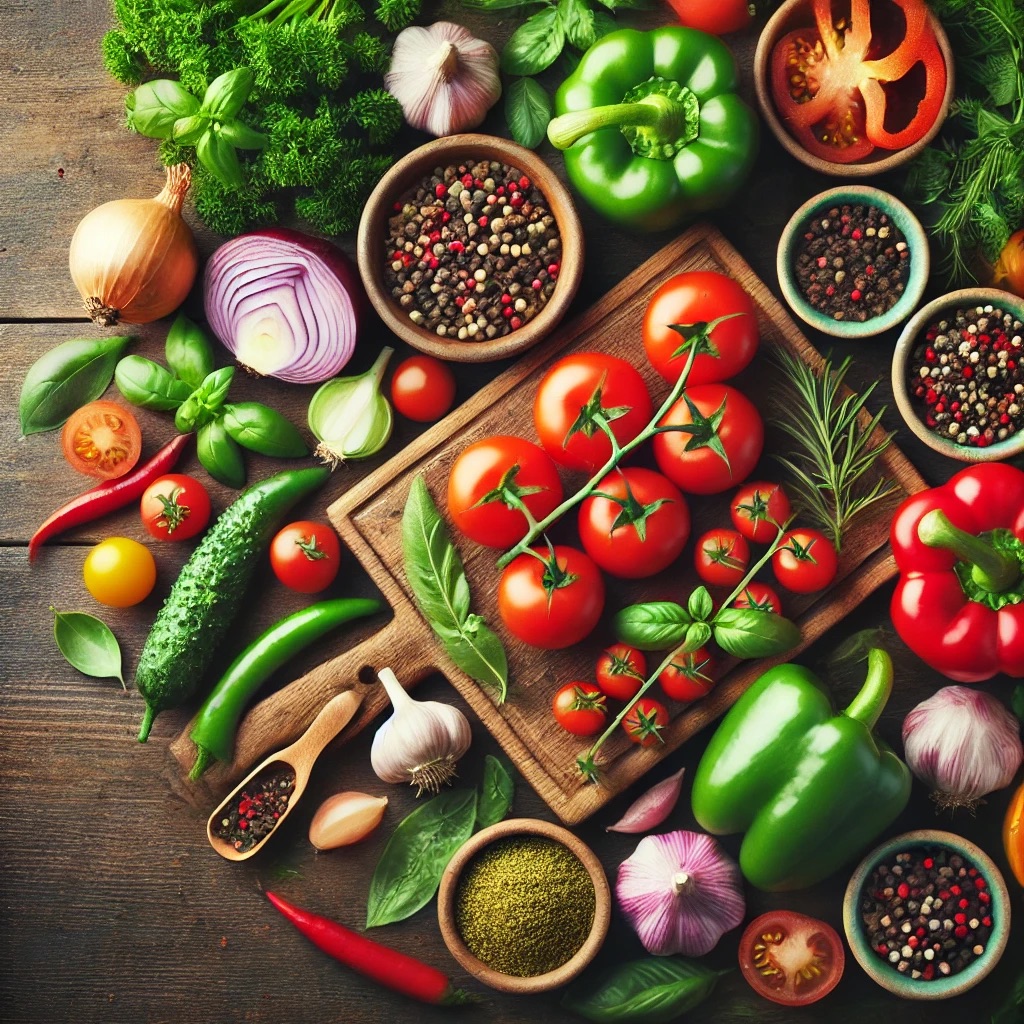
Herbs and spices have been integral to culinary traditions around the globe, serving not only to enhance flavor but also to preserve food and provide health benefits. These natural flavorings tell a story of culture, geography, and history, connecting us to different parts of the world through the simple act of eating. In this blog post, we'll explore the roles of herbs and spices in various cuisines, their health benefits, and how they can transform your cooking.
The Role of Herbs and Spices in Cuisine
Herbs, typically the leafy green parts of plants, and spices, which come from other parts such as seeds, roots, or bark, are essential in creating the unique flavor profiles that define global cuisines. They work in harmony with other ingredients, enhancing the overall dish and making it memorable. From the aromatic basil of Italian dishes to the warm, earthy cumin found in Indian curries, each herb and spice contributes its own character to the culinary experience.
Herbs: The Freshness Factor
Herbs are often fresh, vibrant, and full of life. They are used to add brightness and freshness to dishes, balancing out richer flavors. In Mediterranean cooking, herbs like parsley, oregano, and thyme are staples, often used in marinades, salads, and sauces. In contrast, Asian cuisines favor herbs such as cilantro, mint, and lemongrass, which provide a fragrant lift to dishes like pho and curries.
Spices: The Depth of Flavor
Spices, on the other hand, are more concentrated and potent. They can bring warmth, heat, or sweetness to a dish. The use of spices varies significantly across cultures. For instance, Indian cuisine is renowned for its complex spice blends, such as garam masala, which combines spices like cardamom, cinnamon, and cloves to create a rich flavor base. In contrast, the use of spices in Mexican cuisine, such as chili powder and cumin, adds both heat and depth to dishes like tacos and enchiladas.
A Journey Through Global Cuisines
Let’s take a culinary journey around the world and highlight some of the key herbs and spices that define different cuisines.
Italian Cuisine
Italian cooking celebrates the use of fresh herbs. Basil, with its sweet and slightly peppery flavor, is a fundamental ingredient in pesto and many tomato-based sauces. Oregano, often associated with pizza, adds a warm, aromatic flavor, while parsley is used as a garnish and a flavor enhancer in numerous dishes. The balance of these herbs creates the heart and soul of Italian cuisine.
Indian Cuisine
Indian cuisine is a tapestry of spices and herbs, each with its own significance. Turmeric, with its bright yellow color and earthy flavor, is not just a spice but a symbol of health and wellness. Cumin adds a warm, nutty flavor, while coriander seeds provide a citrusy note. The use of chili peppers brings heat to many dishes, and the combination of these spices creates a multitude of regional flavors, from the tangy and spicy dishes of the south to the rich and creamy curries of the north.
Mexican Cuisine
In Mexican cuisine, spices play a crucial role in developing bold flavors. Cumin and coriander are often used in combination with chili peppers to create complex salsas and stews. Oregano adds a characteristic flavor to many dishes, and fresh herbs like cilantro provide a refreshing contrast. The vibrant use of spices embodies the spirit of Mexican food, making it both flavorful and exciting.
Middle Eastern Cuisine
The Middle Eastern culinary tradition is rich with spices and herbs. Sumac, with its tangy flavor, is commonly sprinkled over salads and meats, while za'atar, a blend of herbs, sesame seeds, and sumac, adds depth to various dishes. Saffron, known for its unique flavor and vibrant color, is often used in rice dishes like paella. The intricate use of spices in Middle Eastern cuisine reflects its diverse cultural influences.
Asian Cuisine
Asian cuisines, including Chinese, Thai, and Vietnamese, showcase a wide range of herbs and spices. Ginger and garlic are foundational in Chinese cooking, providing aromatic depth to stir-fries and soups. Thai cuisine is famous for its use of fresh herbs like cilantro, Thai basil, and mint, which contribute to the vibrant flavors of dishes like Tom Yum soup. In Vietnamese cooking, herbs such as perilla and cilantro are often served fresh alongside dishes, allowing diners to customize their flavor experience.
Health Benefits of Herbs and Spices
Beyond flavor, many herbs and spices boast significant health benefits. Turmeric, for example, contains curcumin, a compound known for its anti-inflammatory properties. Garlic is celebrated for its heart health benefits, while ginger can aid digestion and alleviate nausea. Incorporating a variety of herbs and spices into your diet can not only enhance the taste of your meals but also contribute to your overall well-being.
How to Use Herbs and Spices in Your Cooking
Using herbs and spices effectively can transform your home cooking. Here are some tips:
- Start Fresh: Whenever possible, use fresh herbs to maximize flavor. Add them towards the end of cooking to retain their vibrant taste.
- Experiment with Spice Blends: Try creating your own spice blends to suit your taste. For example, mix cumin, paprika, and garlic powder for a flavorful seasoning for meats and vegetables.
- Balance Flavors: Pay attention to how herbs and spices can balance each other. For example, use a touch of sweetness to counteract heat from chili peppers.
- Infuse Oils and Vinegars: Create infused oils and vinegars with herbs and spices for dressings and marinades that pack a punch.
Conclusion
Herbs and spices are the unsung heroes of global cuisines, bringing depth, complexity, and vibrancy to our meals. They are a language of flavor that transcends borders, allowing us to connect with cultures around the world. Embracing these natural flavor enhancers not only elevates our cooking but also enriches our culinary experience. So, the next time you prepare a meal, think of the herbs and spices at your disposal and let them tell their own story on your plate.
Related articles
 Savoring the Spice
Exploring India's Rich Culinary Heritage
Savoring the Spice
Exploring India's Rich Culinary Heritage
 A Taste of Tradition
The Role of Food in Italian Family Gatherings
A Taste of Tradition
The Role of Food in Italian Family Gatherings
 Feasting with Friends
The Importance of Communal Meals in African Cultures
Feasting with Friends
The Importance of Communal Meals in African Cultures
 From Tapas to Paella
The Culinary Wonders of Spain
From Tapas to Paella
The Culinary Wonders of Spain
 Traditions on a Plate
Discovering Japanese Kaiseki Dining
Traditions on a Plate
Discovering Japanese Kaiseki Dining
 Celebrating Harvest
The Role of Food in Native American Festivals
Celebrating Harvest
The Role of Food in Native American Festivals
 The Sweet Side of Tradition
Desserts in Middle Eastern Cultures
The Sweet Side of Tradition
Desserts in Middle Eastern Cultures
 Culinary Journeys
How Food Connects Us in Latin America
Culinary Journeys
How Food Connects Us in Latin America
 The Ritual of Tea
A Cultural Exploration of Asian Tea Ceremonies
The Ritual of Tea
A Cultural Exploration of Asian Tea Ceremonies
 Festive Feasts
Christmas Food Traditions Around the World
Festive Feasts
Christmas Food Traditions Around the World
 The Art of Cooking
Celebrating French Gastronomy Through Generations
The Art of Cooking
Celebrating French Gastronomy Through Generations
 Food as Identity
The Role of Cuisine in Cultural Heritage
Food as Identity
The Role of Cuisine in Cultural Heritage
 Bringing Families Together
The Significance of Sunday Dinners in the South
Bringing Families Together
The Significance of Sunday Dinners in the South
 A Culinary Tapestry
Exploring the Diverse Foods of Southeast Asia
A Culinary Tapestry
Exploring the Diverse Foods of Southeast Asia
 Celebrating Life Through Food
The Role of Meals in Jewish Traditions
Celebrating Life Through Food
The Role of Meals in Jewish Traditions
 Flavors of the Past
How History Shapes Modern Culinary Practices
Flavors of the Past
How History Shapes Modern Culinary Practices
 The Global Influence of Street Food
A Celebration of Local Flavors
The Global Influence of Street Food
A Celebration of Local Flavors
 Seasonal Celebrations
Food Traditions for Every Holiday
Seasonal Celebrations
Food Traditions for Every Holiday
 Cooking with Love
The Emotional Connection to Family Recipes
Cooking with Love
The Emotional Connection to Family Recipes
 Global Potluck
Sharing Cultural Dishes from Around the World
Global Potluck
Sharing Cultural Dishes from Around the World
 The Significance of Fermentation in Various Cultures' Culinary Traditions
 Culinary Festivals
Celebrating Food and Culture Worldwide
Culinary Festivals
Celebrating Food and Culture Worldwide
 The Impact of Migration on Food Traditions
A Global Perspective
The Impact of Migration on Food Traditions
A Global Perspective
 Herbs and Spices
The Language of Flavor in Global Cuisines
Herbs and Spices
The Language of Flavor in Global Cuisines
 The Family Table
How Food Brings Generations Together
The Family Table
How Food Brings Generations Together
 Dishing Up Diversity
Exploring Vegetarian and Vegan Traditions Worldwide
Dishing Up Diversity
Exploring Vegetarian and Vegan Traditions Worldwide
 Celebrating Culinary Heritage
The Stories Behind Iconic Dishes
Celebrating Culinary Heritage
The Stories Behind Iconic Dishes
 Food and Rituals
The Connection Between Cuisine and Spirituality
Food and Rituals
The Connection Between Cuisine and Spirituality
 From Farm to Fork
The Importance of Local Ingredients in Global Cuisines
From Farm to Fork
The Importance of Local Ingredients in Global Cuisines
 The Role of Food in Cultural Identity and Community Building
 A Culinary Adventure
Exploring Fusion Cuisines Around the World
A Culinary Adventure
Exploring Fusion Cuisines Around the World
 Sustainable Traditions
How Cultures Incorporate Eco-Friendly Practices in Food
Sustainable Traditions
How Cultures Incorporate Eco-Friendly Practices in Food
 Taste of Tradition
The Importance of Preserving Culinary Heritage
Taste of Tradition
The Importance of Preserving Culinary Heritage
 Global Celebrations
The Role of Food in Cultural Festivals
Global Celebrations
The Role of Food in Cultural Festivals
Breaking Bread
The Universal Tradition of Sharing Meals
Culinary Legends
Famous Dishes and Their Cultural Significance
Food and Family
The Heart of Cultural Celebrations
The Influence of Climate on Culinary Traditions
A Global Perspective
Cultural Exchange Through Cuisine
How Food Unites Us
Cooking Traditions
The Role of Elders in Passing Down Recipes
The Global Feast
Celebrating Diversity Through Food Traditions
Seasonal Ingredients
How Cultures Celebrate the Changing Seasons Through Food
Food as Art
The Aesthetic Value of Culinary Traditions
A Journey Through Time
How Historical Events Shaped Culinary Traditions
The Science of Flavor
Understanding Cultural Palates
Food and Folklore
The Stories Behind Traditional Dishes
The Global Influence of Culinary Shows
Inspiring Cultural Appreciation
Culinary Diplomacy
How Food Bridges Cultural Divides
Celebrating Heritage
The Role of Food in Cultural Identity
The Taste of Home
How Traditional Meals Evoke Memories and Identity
Categories