The art of cooking
AI CHEF Blog

From Farm to Fork: The Importance of Local Ingredients in Global Cuisines
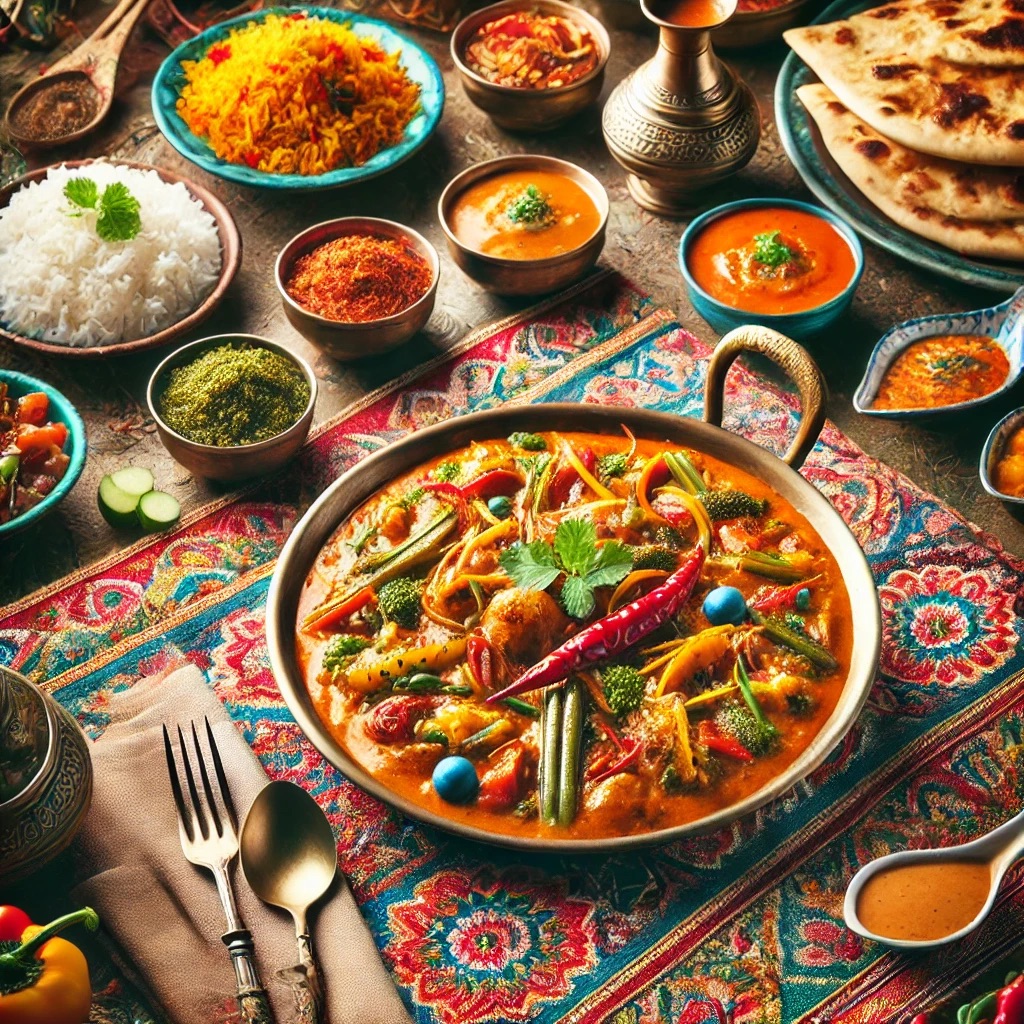
In a world increasingly characterized by globalization and mass production, the significance of local ingredients in global cuisines has never been more pronounced. The farm-to-fork movement emphasizes the connection between food producers and consumers, encouraging the use of locally sourced ingredients in culinary practices. This blog post explores the importance of local ingredients, their impact on global cuisines, and how they foster sustainability, community, and health.
The Essence of Local Ingredients
Local ingredients are those that are grown, harvested, or produced within a specific geographic area. They encompass a diverse range of products, including fruits, vegetables, meats, dairy, and grains. The use of these ingredients in cooking not only enhances the flavor and nutritional value of dishes but also supports local economies and promotes cultural heritage.
Flavor and Freshness
One of the primary advantages of using local ingredients is the enhanced flavor and freshness they provide. Foods that are harvested at their peak ripeness and consumed shortly thereafter tend to have superior taste compared to those that are transported over long distances. For example, a tomato picked at the height of summer, when it is fully ripe, will have a sweetness and juiciness that cannot be matched by a greenhouse-grown tomato that has ripened in transit. Chefs and home cooks alike can elevate their dishes by incorporating local produce, meats, and dairy products.
Nutritional Value
Local ingredients can also contribute to better nutritional outcomes. Freshly harvested produce retains more vitamins and minerals than items sitting in grocery store warehouses for days or weeks. Furthermore, local farming practices often prioritize organic and sustainable methods, leading to healthier food options devoid of harmful pesticides and preservatives. By choosing local ingredients, consumers can enjoy meals rich in nutrients that support overall well-being.
Supporting Local Economies
By utilizing local ingredients, consumers play a crucial role in supporting local farmers and businesses. This practice helps sustain rural economies and promotes job creation within communities. Small-scale farmers are often more invested in the quality of their products and the sustainability of their practices, making them essential players in the fight against industrial agriculture and its negative impacts on the environment.
Promoting Sustainability
Local sourcing of ingredients not only supports economies but also contributes to environmental sustainability. The transportation of food across vast distances contributes significantly to carbon emissions and pollution. By choosing local options, consumers can reduce their carbon footprint and promote more sustainable food systems. Additionally, local agriculture often relies on practices that preserve biodiversity and protect natural resources, making it a more sustainable choice for the planet.
Cultural Significance
Every region has its own unique culinary heritage, deeply rooted in the local ingredients available. These ingredients tell a story of the land, reflecting the climate, soil, and traditions of the area. By embracing local produce, chefs and home cooks can honor their cultural identities and the history behind their cuisine. For instance, Mediterranean dishes often feature olives, tomatoes, and herbs that thrive in the region's warm climate, while Asian cuisines may highlight rice, ginger, and a variety of herbs that flourish in different parts of Asia.
Global Cuisines and Local Flavors
As globalization has increased access to a variety of ingredients from around the world, the fusion of different culinary traditions has become more common. However, incorporating local ingredients into these global cuisines can lead to exciting and innovative dishes that pay homage to both local and global flavors. For example, a Mexican chef might create a fusion dish using locally sourced avocados and tomatoes while incorporating traditional Japanese techniques, resulting in a unique and flavorful creation that celebrates both cultures.
Case Studies of Local Ingredients in Global Cuisines
Italian Cuisine
Italian cuisine is a prime example of how local ingredients shape a culinary tradition. The use of fresh, local produce is central to Italian cooking, with regional specialties showcasing what each area has to offer. For instance, tomatoes from San Marzano, basil from Genovese, and cheese from Parma all contribute to the rich tapestry of Italian flavors. The emphasis on seasonality and locality not only enhances the taste but also preserves the cultural identity of Italian cuisine.
Japanese Cuisine
Japanese cuisine is another excellent representation of the importance of local ingredients. The concept of 'shun' emphasizes the use of seasonal ingredients, reflecting the natural cycles of the environment. Sushi, for example, often features fish caught in local waters, and the accompanying vegetables are sourced from nearby farms. This commitment to local sourcing ensures that the flavors are at their peak and that the dishes resonate with the essence of the region.
Farm-to-Table Movement in the U.S.
In the United States, the farm-to-table movement has gained significant traction, with restaurants prioritizing local ingredients on their menus. This trend has sparked a renewed interest in seasonal eating and has encouraged consumers to connect with local farmers. Chefs often build relationships with nearby producers, resulting in menus that reflect the bounty of their region. This movement not only fosters a sense of community but also promotes transparency in the food supply chain.
Challenges in Sourcing Local Ingredients
Despite the numerous benefits, sourcing local ingredients is not without its challenges. Seasonal availability can limit options, and consumers may find themselves restricted to certain products at different times of the year. Additionally, the price point of local ingredients can sometimes be higher than mass-produced alternatives, making it less accessible for some consumers.
Building Awareness and Accessibility
To overcome these challenges, it is essential to build awareness around the benefits of local sourcing and to promote accessibility. Community-supported agriculture (CSA) programs, farmers' markets, and local food cooperatives can help bridge the gap between consumers and local producers. Education on the importance of eating seasonally and locally can empower consumers to make informed choices that benefit both their health and their community.
Conclusion
From farm to fork, the importance of local ingredients in global cuisines cannot be overstated. They enhance flavor, provide nutritional benefits, support local economies, and preserve cultural heritage. As consumers, we have the power to influence the food system by choosing to prioritize local ingredients in our meals. By embracing the farm-to-fork philosophy, we can create a more sustainable and flavorful future for our global cuisines. So the next time you sit down to enjoy a meal, consider where your ingredients come from and celebrate the local flavors that make our world’s cuisines so diverse and delightful.
Related articles
 Savoring the Spice
Exploring India's Rich Culinary Heritage
 A Taste of Tradition
The Role of Food in Italian Family Gatherings
 Feasting with Friends
The Importance of Communal Meals in African Cultures
 From Tapas to Paella
The Culinary Wonders of Spain
 Traditions on a Plate
Discovering Japanese Kaiseki Dining
 Celebrating Harvest
The Role of Food in Native American Festivals
 The Sweet Side of Tradition
Desserts in Middle Eastern Cultures
 Culinary Journeys
How Food Connects Us in Latin America
 The Ritual of Tea
A Cultural Exploration of Asian Tea Ceremonies
 Festive Feasts
Christmas Food Traditions Around the World
 The Art of Cooking
Celebrating French Gastronomy Through Generations
 Food as Identity
The Role of Cuisine in Cultural Heritage
 Bringing Families Together
The Significance of Sunday Dinners in the South
 A Culinary Tapestry
Exploring the Diverse Foods of Southeast Asia
 Celebrating Life Through Food
The Role of Meals in Jewish Traditions
 Flavors of the Past
How History Shapes Modern Culinary Practices
 The Global Influence of Street Food
A Celebration of Local Flavors
 Seasonal Celebrations
Food Traditions for Every Holiday
 Cooking with Love
The Emotional Connection to Family Recipes
 Global Potluck
Sharing Cultural Dishes from Around the World
 The Significance of Fermentation in Various Cultures' Culinary Traditions
 Culinary Festivals
Celebrating Food and Culture Worldwide
 The Impact of Migration on Food Traditions
A Global Perspective
 Herbs and Spices
The Language of Flavor in Global Cuisines
 The Family Table
How Food Brings Generations Together
 Dishing Up Diversity
Exploring Vegetarian and Vegan Traditions Worldwide
 Celebrating Culinary Heritage
The Stories Behind Iconic Dishes
 Food and Rituals
The Connection Between Cuisine and Spirituality
 From Farm to Fork
The Importance of Local Ingredients in Global Cuisines
 The Role of Food in Cultural Identity and Community Building
 A Culinary Adventure
Exploring Fusion Cuisines Around the World
 Sustainable Traditions
How Cultures Incorporate Eco-Friendly Practices in Food
 Taste of Tradition
The Importance of Preserving Culinary Heritage
 Global Celebrations
The Role of Food in Cultural Festivals
Breaking Bread
The Universal Tradition of Sharing Meals
Culinary Legends
Famous Dishes and Their Cultural Significance
Food and Family
The Heart of Cultural Celebrations
The Influence of Climate on Culinary Traditions
A Global Perspective
Cultural Exchange Through Cuisine
How Food Unites Us
Cooking Traditions
The Role of Elders in Passing Down Recipes
The Global Feast
Celebrating Diversity Through Food Traditions
Seasonal Ingredients
How Cultures Celebrate the Changing Seasons Through Food
Food as Art
The Aesthetic Value of Culinary Traditions
A Journey Through Time
How Historical Events Shaped Culinary Traditions
The Science of Flavor
Understanding Cultural Palates
Food and Folklore
The Stories Behind Traditional Dishes
The Global Influence of Culinary Shows
Inspiring Cultural Appreciation
Culinary Diplomacy
How Food Bridges Cultural Divides
Celebrating Heritage
The Role of Food in Cultural Identity
The Taste of Home
How Traditional Meals Evoke Memories and Identity
Categories


