The art of cooking
AI CHEF Blog

The Role of Food in Cultural Identity and Community Building
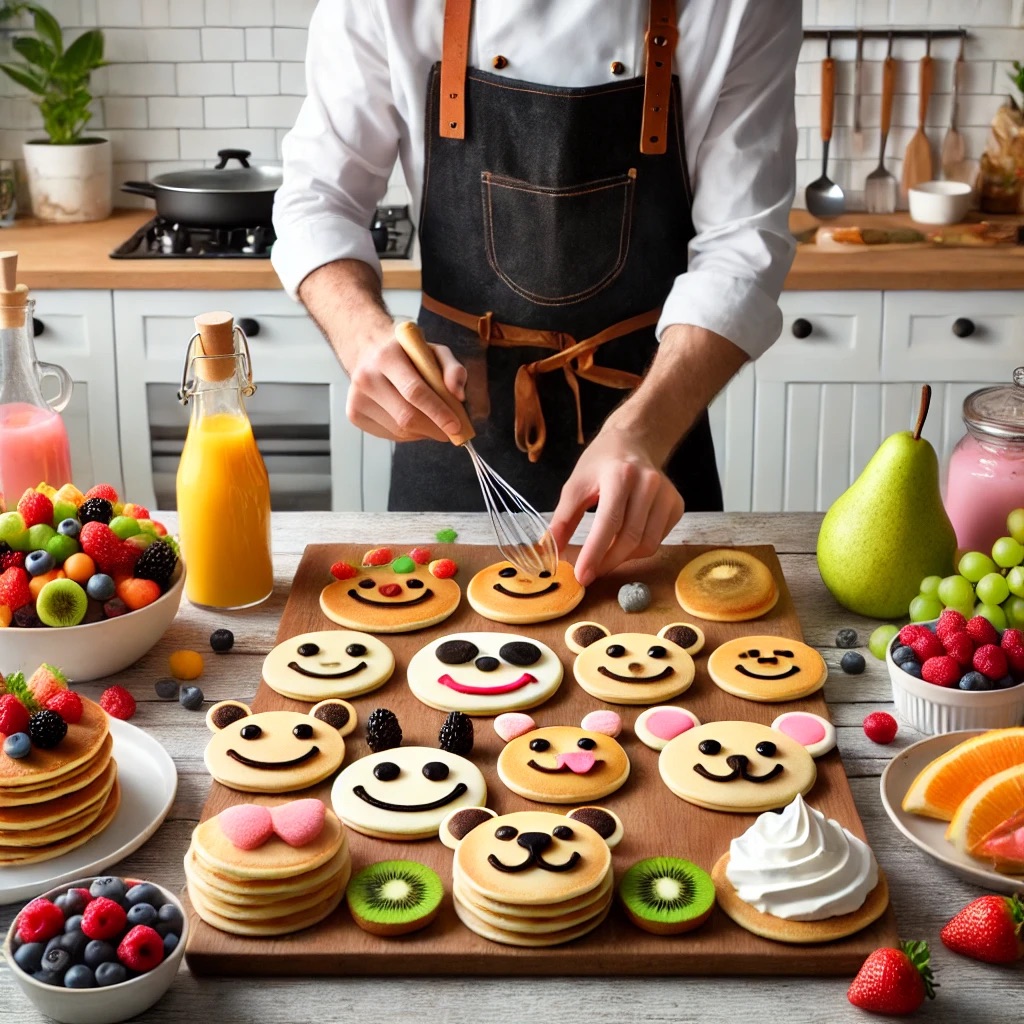
Food is more than just sustenance; it is a tapestry woven with the threads of culture, history, and identity. Across the globe, food plays a crucial role in defining who we are and how we connect with one another. In this blog post, we will explore the multifaceted relationship between food, cultural identity, and community building.
Understanding Cultural Identity
Cultural identity refers to the sense of belonging to a particular group, often defined by shared traditions, languages, customs, and values. Food acts as a powerful marker of cultural identity, serving both as a reflection of heritage and a bridge to the past.
The Ingredients of Heritage
Every cuisine tells a story. The ingredients, preparation methods, and flavors of a dish often reveal the history of a community. For example, the use of spices in Indian cuisine can be traced back to ancient trade routes that facilitated cultural exchanges. Similarly, the prominence of seafood in coastal communities highlights the relationship between geography and food.
Rituals and Traditions
Food is central to many rituals and traditions, marking significant moments in life. From weddings to funerals, religious ceremonies to harvest festivals, the act of sharing meals strengthens community bonds. Traditional dishes served during these events not only honor the past but also reinforce cultural values and social norms.
Food as a Means of Connection
In a world that is increasingly globalized, food has the unique ability to connect people across diverse backgrounds. Shared meals provide opportunities for interaction, dialogue, and understanding, fostering a sense of community.
Breaking Bread Together
The phrase "breaking bread" symbolizes unity and hospitality. When people gather around a table, they engage in a shared experience that transcends individual differences. This communal aspect of dining encourages openness and creates a safe space for discussing cultural differences and similarities.
Food Festivals and Community Events
Food festivals and community events celebrate culinary diversity while promoting social cohesion. These gatherings allow individuals to showcase their culinary heritage, share recipes, and educate others about their culture. They serve as platforms for cultural exchange, where attendees can learn about different cuisines, cooking techniques, and the stories behind the food.
The Impact of Globalization
While globalization has facilitated the exchange of food and culinary practices, it has also raised concerns about cultural homogenization. Fast food chains and mass-produced food products often overshadow traditional cuisines, leading to a loss of culinary diversity.
Preserving Culinary Heritage
In response to these challenges, many communities are actively working to preserve their culinary heritage. Initiatives such as community cookbooks, cooking classes, and cultural heritage food programs aim to keep traditional recipes alive and promote local food systems. By passing down knowledge and skills from one generation to the next, communities can maintain their unique culinary identities.
Food and Identity in Migration
Migration significantly impacts cultural identity and community building. For immigrants, food often serves as a connection to their homeland, providing comfort and familiarity in a new environment. Traditional dishes can evoke feelings of nostalgia and pride, allowing individuals to maintain a sense of belonging.
Creating New Communities
As migrants settle in new locations, they often bring their culinary traditions with them, contributing to the local food landscape. This blending of cuisines leads to the creation of new communities and culinary fusions, enriching the cultural fabric of society. Restaurants and food markets that showcase diverse cuisines become cultural hubs where people gather, share stories, and build relationships.
Food Justice and Community Empowerment
The relationship between food and cultural identity also intersects with issues of food justice and community empowerment. Access to culturally appropriate food is essential for maintaining cultural practices and traditions.
Building Food Sovereignty
Food sovereignty refers to the right of communities to define their own food systems. By advocating for local food production, communities can reclaim control over their food sources and ensure that they have access to healthy, culturally relevant foods. Community gardens, farmers' markets, and local food cooperatives are examples of initiatives that promote food sovereignty and empower communities.
Conclusion
Food is an integral part of cultural identity and community building. It serves as a bridge between past and present, connecting individuals to their heritage while fostering a sense of belonging in diverse settings. As we continue to navigate a globalized world, it is essential to celebrate and preserve the culinary traditions that enrich our lives. By sharing meals, honoring rituals, and advocating for food justice, we can strengthen our communities and create a more inclusive society.
Related articles
 Savoring the Spice
Exploring India's Rich Culinary Heritage
Savoring the Spice
Exploring India's Rich Culinary Heritage
 A Taste of Tradition
The Role of Food in Italian Family Gatherings
A Taste of Tradition
The Role of Food in Italian Family Gatherings
 Feasting with Friends
The Importance of Communal Meals in African Cultures
Feasting with Friends
The Importance of Communal Meals in African Cultures
 From Tapas to Paella
The Culinary Wonders of Spain
From Tapas to Paella
The Culinary Wonders of Spain
 Traditions on a Plate
Discovering Japanese Kaiseki Dining
Traditions on a Plate
Discovering Japanese Kaiseki Dining
 Celebrating Harvest
The Role of Food in Native American Festivals
Celebrating Harvest
The Role of Food in Native American Festivals
 The Sweet Side of Tradition
Desserts in Middle Eastern Cultures
The Sweet Side of Tradition
Desserts in Middle Eastern Cultures
 Culinary Journeys
How Food Connects Us in Latin America
Culinary Journeys
How Food Connects Us in Latin America
 The Ritual of Tea
A Cultural Exploration of Asian Tea Ceremonies
The Ritual of Tea
A Cultural Exploration of Asian Tea Ceremonies
 Festive Feasts
Christmas Food Traditions Around the World
Festive Feasts
Christmas Food Traditions Around the World
 The Art of Cooking
Celebrating French Gastronomy Through Generations
The Art of Cooking
Celebrating French Gastronomy Through Generations
 Food as Identity
The Role of Cuisine in Cultural Heritage
Food as Identity
The Role of Cuisine in Cultural Heritage
 Bringing Families Together
The Significance of Sunday Dinners in the South
Bringing Families Together
The Significance of Sunday Dinners in the South
 A Culinary Tapestry
Exploring the Diverse Foods of Southeast Asia
A Culinary Tapestry
Exploring the Diverse Foods of Southeast Asia
 Celebrating Life Through Food
The Role of Meals in Jewish Traditions
Celebrating Life Through Food
The Role of Meals in Jewish Traditions
 Flavors of the Past
How History Shapes Modern Culinary Practices
Flavors of the Past
How History Shapes Modern Culinary Practices
 The Global Influence of Street Food
A Celebration of Local Flavors
The Global Influence of Street Food
A Celebration of Local Flavors
 Seasonal Celebrations
Food Traditions for Every Holiday
Seasonal Celebrations
Food Traditions for Every Holiday
 Cooking with Love
The Emotional Connection to Family Recipes
Cooking with Love
The Emotional Connection to Family Recipes
 Global Potluck
Sharing Cultural Dishes from Around the World
Global Potluck
Sharing Cultural Dishes from Around the World
 The Significance of Fermentation in Various Cultures' Culinary Traditions
 Culinary Festivals
Celebrating Food and Culture Worldwide
Culinary Festivals
Celebrating Food and Culture Worldwide
 The Impact of Migration on Food Traditions
A Global Perspective
The Impact of Migration on Food Traditions
A Global Perspective
 Herbs and Spices
The Language of Flavor in Global Cuisines
Herbs and Spices
The Language of Flavor in Global Cuisines
 The Family Table
How Food Brings Generations Together
The Family Table
How Food Brings Generations Together
 Dishing Up Diversity
Exploring Vegetarian and Vegan Traditions Worldwide
Dishing Up Diversity
Exploring Vegetarian and Vegan Traditions Worldwide
 Celebrating Culinary Heritage
The Stories Behind Iconic Dishes
Celebrating Culinary Heritage
The Stories Behind Iconic Dishes
 Food and Rituals
The Connection Between Cuisine and Spirituality
Food and Rituals
The Connection Between Cuisine and Spirituality
 From Farm to Fork
The Importance of Local Ingredients in Global Cuisines
From Farm to Fork
The Importance of Local Ingredients in Global Cuisines
 The Role of Food in Cultural Identity and Community Building
 A Culinary Adventure
Exploring Fusion Cuisines Around the World
A Culinary Adventure
Exploring Fusion Cuisines Around the World
 Sustainable Traditions
How Cultures Incorporate Eco-Friendly Practices in Food
Sustainable Traditions
How Cultures Incorporate Eco-Friendly Practices in Food
 Taste of Tradition
The Importance of Preserving Culinary Heritage
Taste of Tradition
The Importance of Preserving Culinary Heritage
 Global Celebrations
The Role of Food in Cultural Festivals
Global Celebrations
The Role of Food in Cultural Festivals
Breaking Bread
The Universal Tradition of Sharing Meals
Culinary Legends
Famous Dishes and Their Cultural Significance
Food and Family
The Heart of Cultural Celebrations
The Influence of Climate on Culinary Traditions
A Global Perspective
Cultural Exchange Through Cuisine
How Food Unites Us
Cooking Traditions
The Role of Elders in Passing Down Recipes
The Global Feast
Celebrating Diversity Through Food Traditions
Seasonal Ingredients
How Cultures Celebrate the Changing Seasons Through Food
Food as Art
The Aesthetic Value of Culinary Traditions
A Journey Through Time
How Historical Events Shaped Culinary Traditions
The Science of Flavor
Understanding Cultural Palates
Food and Folklore
The Stories Behind Traditional Dishes
The Global Influence of Culinary Shows
Inspiring Cultural Appreciation
Culinary Diplomacy
How Food Bridges Cultural Divides
Celebrating Heritage
The Role of Food in Cultural Identity
The Taste of Home
How Traditional Meals Evoke Memories and Identity
Categories