The art of cooking
AI CHEF Blog

Cultural Exchange Through Cuisine: How Food Unites Us
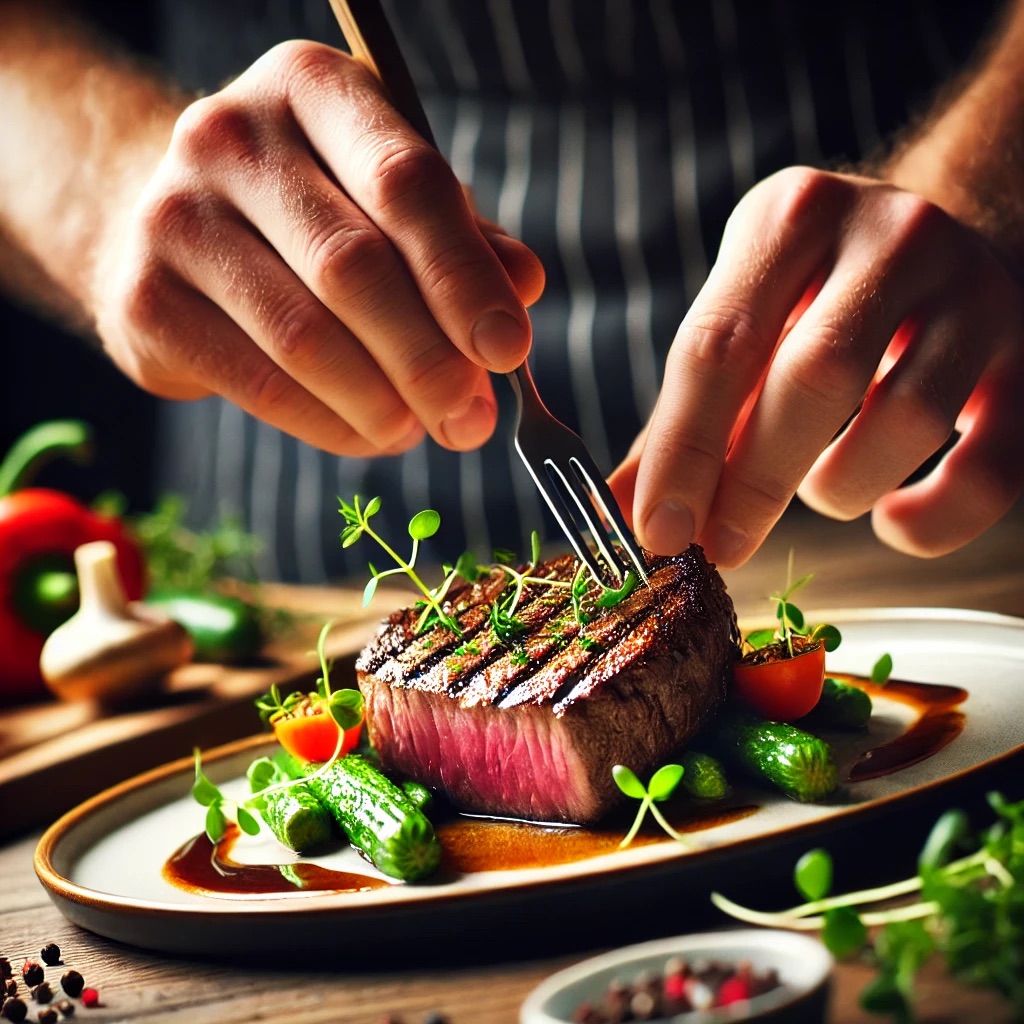
Food is not just a basic necessity for survival; it is a profound way to communicate, share, and connect with others. Across the globe, culinary traditions carry rich histories, reflecting the cultural identities of societies. As we explore the concept of cultural exchange through cuisine, we find that food has the power to transcend boundaries, foster understanding, and unite people from diverse backgrounds.
The Global Language of Food
Food serves as a universal language that everyone can appreciate. Regardless of our spoken language, the act of sharing a meal can create a sense of belonging and community. When we partake in a dish from another culture, we engage in a form of dialogue that goes beyond words. It allows us to experience flavors, textures, and aromas that tell stories of history, tradition, and creativity.
Historical Context of Culinary Exchange
The exchange of culinary practices is not a modern phenomenon; it has been happening for centuries. Trade routes like the Silk Road facilitated the movement of not only goods but also spices, cooking techniques, and recipes. As merchants and travelers ventured across continents, they brought with them new ingredients and culinary ideas, enriching the local cuisines they encountered. For instance, the introduction of tomatoes to Italian cuisine or chili peppers to Asian dishes illustrates how food evolves through cultural exchange.
Modern-Day Culinary Fusion
In today’s globalized world, culinary fusion has become increasingly popular. Chefs and home cooks alike experiment with blending flavors from different cultures to create innovative dishes. This trend exemplifies how food can act as a bridge between cultures. For example, the emergence of Korean Tacos combines the bold flavors of Korean barbecue with the traditional Mexican taco, producing a delicious fusion that celebrates both culinary heritages.
Food Festivals as Cultural Celebrations
Food festivals around the world highlight the importance of cuisine in cultural exchange. These events gather people from various backgrounds to celebrate and share their culinary traditions. Festivals like the Taste of Chicago, the Melbourne Food and Wine Festival, and the International Food Festival in Dubai showcase the diverse flavors that contribute to the global tapestry of food culture.
At these festivals, attendees not only indulge in different cuisines but also engage with the chefs and food artisans behind them. This interaction fosters appreciation and understanding of the cultural significance of various dishes, promoting a sense of unity among participants.
Food and Identity
Food is intrinsically linked to our identities. It reflects our heritage, family traditions, and even our personal experiences. When we share our favorite recipes or cook for others, we invite them into our world. This act of sharing can lead to deeper connections and mutual respect among individuals from different backgrounds.
For instance, a family recipe passed down through generations can spark conversations about cultural heritage and traditions. When someone from a different culture expresses interest in learning how to cook a traditional dish, it creates an opportunity for cultural exchange. Through cooking and sharing recipes, we learn about each other’s customs, values, and histories.
The Role of Food in Social Interactions
Food plays a significant role in social gatherings, from casual meetups to formal celebrations. Meals are often the centerpiece of social interactions, providing a space for people to come together, share stories, and build relationships. Whether it’s a family dinner, a neighborhood barbecue, or a potluck, food has a unique ability to bring people together.
Moreover, dining experiences that involve communal eating, such as Moroccan tagines or Ethiopian injera, encourage collaboration and interaction among diners. This shared experience fosters a sense of unity and connection, allowing individuals to engage with one another in a meaningful way.
Challenges and Misunderstandings
While food has the potential to unite us, it can also be a source of misunderstanding and conflict. Cultural appropriation in cuisine, for example, raises important questions about ownership and respect for culinary traditions. It is crucial to approach culinary exchange with mindfulness and sensitivity, acknowledging the origins of dishes and respecting the cultures from which they come.
Additionally, dietary restrictions and preferences stemming from cultural or religious beliefs can lead to challenges in social settings. Being mindful of these differences and accommodating diverse dietary needs can enhance the culinary experience and promote inclusivity.
Cooking as a Means of Cultural Exchange
Cooking classes and workshops present another avenue for cultural exchange through cuisine. These experiences allow individuals to learn about different cooking techniques, ingredients, and culinary traditions firsthand. Participants not only acquire new skills but also develop a deeper appreciation for the cultural significance of the dishes they prepare.
For example, a cooking class focused on Indian cuisine can teach participants about the importance of spices and the regional variations of dishes. This hands-on experience fosters a greater understanding of the cultural context in which the food is created, bridging gaps between different culinary traditions.
Conclusion: A Shared Plate
In conclusion, cultural exchange through cuisine is a powerful force that unites us in our shared humanity. Food acts as a bridge, allowing us to connect with one another, celebrate our differences, and embrace our similarities. As we navigate the complexities of a globalized world, let us continue to explore the flavors, traditions, and stories that shape our culinary experiences. By sharing and appreciating the diverse cuisines of our world, we can foster understanding, respect, and unity among cultures.
So, the next time you sit down for a meal with others, remember that you are partaking in a time-honored tradition of cultural exchange—one that transcends borders and brings us all together.
Related articles
 Savoring the Spice
Exploring India's Rich Culinary Heritage
Savoring the Spice
Exploring India's Rich Culinary Heritage
 A Taste of Tradition
The Role of Food in Italian Family Gatherings
A Taste of Tradition
The Role of Food in Italian Family Gatherings
 Feasting with Friends
The Importance of Communal Meals in African Cultures
Feasting with Friends
The Importance of Communal Meals in African Cultures
 From Tapas to Paella
The Culinary Wonders of Spain
From Tapas to Paella
The Culinary Wonders of Spain
 Traditions on a Plate
Discovering Japanese Kaiseki Dining
Traditions on a Plate
Discovering Japanese Kaiseki Dining
 Celebrating Harvest
The Role of Food in Native American Festivals
Celebrating Harvest
The Role of Food in Native American Festivals
 The Sweet Side of Tradition
Desserts in Middle Eastern Cultures
The Sweet Side of Tradition
Desserts in Middle Eastern Cultures
 Culinary Journeys
How Food Connects Us in Latin America
Culinary Journeys
How Food Connects Us in Latin America
 The Ritual of Tea
A Cultural Exploration of Asian Tea Ceremonies
The Ritual of Tea
A Cultural Exploration of Asian Tea Ceremonies
 Festive Feasts
Christmas Food Traditions Around the World
Festive Feasts
Christmas Food Traditions Around the World
 The Art of Cooking
Celebrating French Gastronomy Through Generations
The Art of Cooking
Celebrating French Gastronomy Through Generations
 Food as Identity
The Role of Cuisine in Cultural Heritage
Food as Identity
The Role of Cuisine in Cultural Heritage
 Bringing Families Together
The Significance of Sunday Dinners in the South
Bringing Families Together
The Significance of Sunday Dinners in the South
 A Culinary Tapestry
Exploring the Diverse Foods of Southeast Asia
A Culinary Tapestry
Exploring the Diverse Foods of Southeast Asia
 Celebrating Life Through Food
The Role of Meals in Jewish Traditions
Celebrating Life Through Food
The Role of Meals in Jewish Traditions
 Flavors of the Past
How History Shapes Modern Culinary Practices
Flavors of the Past
How History Shapes Modern Culinary Practices
 The Global Influence of Street Food
A Celebration of Local Flavors
The Global Influence of Street Food
A Celebration of Local Flavors
 Seasonal Celebrations
Food Traditions for Every Holiday
Seasonal Celebrations
Food Traditions for Every Holiday
 Cooking with Love
The Emotional Connection to Family Recipes
Cooking with Love
The Emotional Connection to Family Recipes
 Global Potluck
Sharing Cultural Dishes from Around the World
Global Potluck
Sharing Cultural Dishes from Around the World
 The Significance of Fermentation in Various Cultures' Culinary Traditions
 Culinary Festivals
Celebrating Food and Culture Worldwide
Culinary Festivals
Celebrating Food and Culture Worldwide
 The Impact of Migration on Food Traditions
A Global Perspective
The Impact of Migration on Food Traditions
A Global Perspective
 Herbs and Spices
The Language of Flavor in Global Cuisines
Herbs and Spices
The Language of Flavor in Global Cuisines
 The Family Table
How Food Brings Generations Together
The Family Table
How Food Brings Generations Together
 Dishing Up Diversity
Exploring Vegetarian and Vegan Traditions Worldwide
Dishing Up Diversity
Exploring Vegetarian and Vegan Traditions Worldwide
 Celebrating Culinary Heritage
The Stories Behind Iconic Dishes
Celebrating Culinary Heritage
The Stories Behind Iconic Dishes
 Food and Rituals
The Connection Between Cuisine and Spirituality
Food and Rituals
The Connection Between Cuisine and Spirituality
 From Farm to Fork
The Importance of Local Ingredients in Global Cuisines
From Farm to Fork
The Importance of Local Ingredients in Global Cuisines
 The Role of Food in Cultural Identity and Community Building
 A Culinary Adventure
Exploring Fusion Cuisines Around the World
A Culinary Adventure
Exploring Fusion Cuisines Around the World
 Sustainable Traditions
How Cultures Incorporate Eco-Friendly Practices in Food
Sustainable Traditions
How Cultures Incorporate Eco-Friendly Practices in Food
 Taste of Tradition
The Importance of Preserving Culinary Heritage
Taste of Tradition
The Importance of Preserving Culinary Heritage
 Global Celebrations
The Role of Food in Cultural Festivals
Global Celebrations
The Role of Food in Cultural Festivals
Breaking Bread
The Universal Tradition of Sharing Meals
Culinary Legends
Famous Dishes and Their Cultural Significance
Food and Family
The Heart of Cultural Celebrations
The Influence of Climate on Culinary Traditions
A Global Perspective
Cultural Exchange Through Cuisine
How Food Unites Us
Cooking Traditions
The Role of Elders in Passing Down Recipes
The Global Feast
Celebrating Diversity Through Food Traditions
Seasonal Ingredients
How Cultures Celebrate the Changing Seasons Through Food
Food as Art
The Aesthetic Value of Culinary Traditions
A Journey Through Time
How Historical Events Shaped Culinary Traditions
The Science of Flavor
Understanding Cultural Palates
Food and Folklore
The Stories Behind Traditional Dishes
The Global Influence of Culinary Shows
Inspiring Cultural Appreciation
Culinary Diplomacy
How Food Bridges Cultural Divides
Celebrating Heritage
The Role of Food in Cultural Identity
The Taste of Home
How Traditional Meals Evoke Memories and Identity
Categories