The art of cooking
AI CHEF Blog

The Global Feast: Celebrating Diversity Through Food Traditions
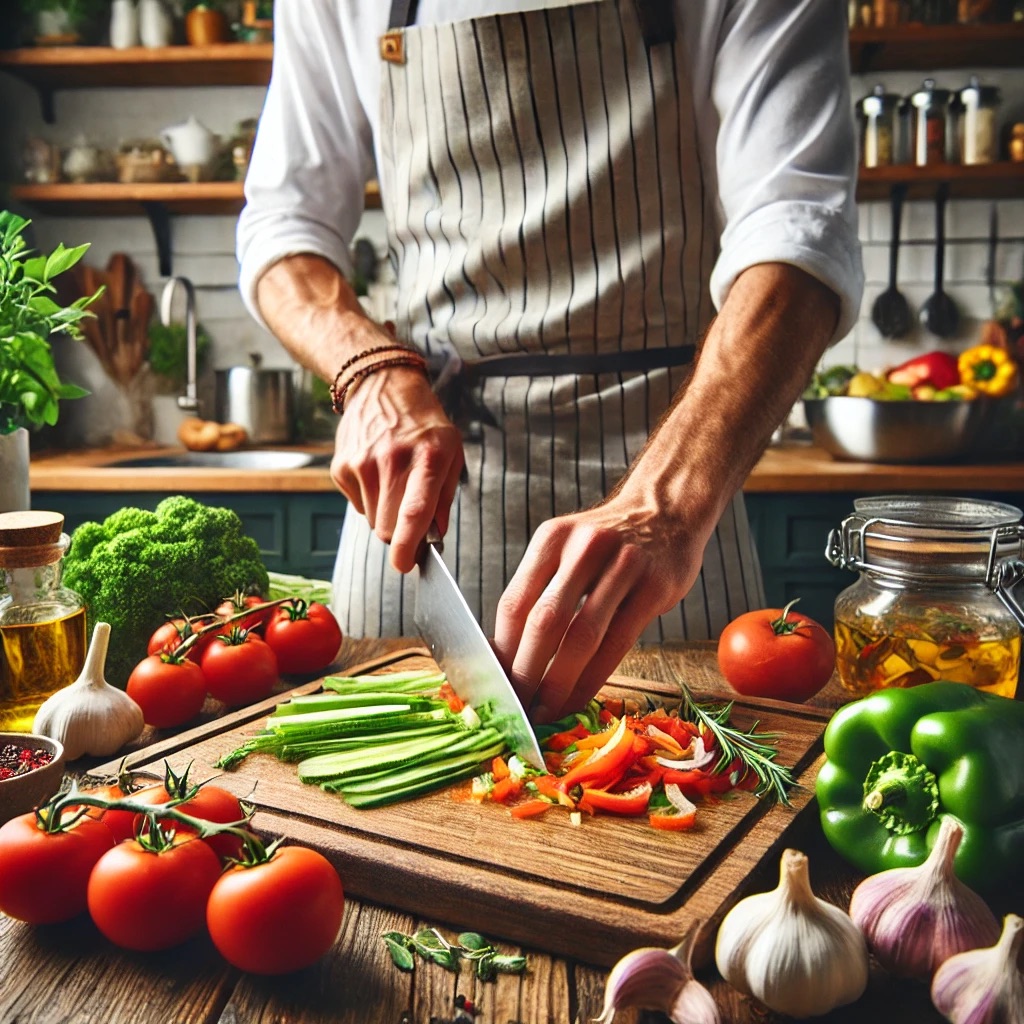
Food is more than just sustenance; it is a celebration of culture, history, and community. Around the world, culinary traditions serve as a reflection of the people and places they come from, showcasing a rich tapestry of flavors, ingredients, and cooking techniques. In this blog post, we will explore how food unites us, the significance of diverse food traditions, and how we can celebrate this global feast.
The Role of Food in Cultural Identity
Food is deeply intertwined with cultural identity. It is often the centerpiece of gatherings, symbolizing hospitality and community. Many cultures have specific dishes that are served during important celebrations, such as holidays, weddings, and festivals. For example, in Mexico, families gather to prepare tamales for Christmas, while in India, Diwali is celebrated with an array of sweets and savory dishes.
These culinary practices are passed down through generations, preserving the heritage and stories of a community. Each dish tells a story—of the land, the people, and their experiences. When we share a meal, we are also sharing a piece of our culture, fostering understanding and appreciation among diverse groups.
Culinary Diversity Around the World
The world is a vast mosaic of culinary traditions, each with its own unique flavors and ingredients. Here are a few examples that highlight this diversity:
1. Italian Cuisine
Italian food is renowned for its regional diversity, with each area boasting unique ingredients and recipes. From the rich, creamy risottos of Northern Italy to the spicy, tomato-based dishes of Southern Italy, the country’s culinary landscape is vast. Pasta, pizza, and gelato are just a few of the beloved staples that have found their way into kitchens around the globe.
2. Japanese Cuisine
Japanese food emphasizes seasonal ingredients and presentation. Sushi, sashimi, and ramen are just a few iconic dishes that reflect the Japanese philosophy of balance and harmony. Festivals such as Hanami, where families gather to enjoy cherry blossoms and picnic with traditional foods, showcase the importance of nature in Japanese culture.
3. Indian Cuisine
India’s culinary scene is incredibly diverse, with each region offering its own specialties. Spices play a crucial role in Indian cooking, with dishes like biryani and curry bursting with flavor. Festivals such as Holi and Eid bring families together to share feasts, further emphasizing the communal aspect of food.
4. Middle Eastern Cuisine
Middle Eastern food is characterized by its use of fresh ingredients and bold flavors. Dishes like hummus, falafel, and kebabs are staples in many households. The tradition of sharing meals plays a significant role in Middle Eastern culture, with large gatherings centered around communal dining.
Food as a Bridge Between Cultures
Food has the extraordinary ability to bridge cultural divides. When we share a meal with someone from a different background, we can break down barriers and foster connections. Food festivals, cooking classes, and cultural exchange programs provide opportunities for people to explore and appreciate different culinary traditions.
For instance, international food festivals often showcase dishes from various countries, allowing attendees to sample and learn about different cuisines. Cooking classes led by native chefs can provide insight into the history and significance of traditional dishes, enhancing our understanding of the culture behind the food.
The Impact of Globalization on Food Traditions
Globalization has had a significant impact on food traditions. While it has facilitated the exchange of culinary ideas and ingredients, it has also led to the homogenization of certain foods. Fast food chains and processed foods are now prevalent in many parts of the world, often overshadowing local cuisine.
However, globalization has also sparked a renewed interest in traditional food practices. Many people are now seeking out authentic dining experiences and supporting local farmers and artisans. The farm-to-table movement emphasizes sustainability and the importance of knowing where our food comes from, encouraging a revival of traditional cooking methods.
Celebrating Diversity Through Food Traditions
As we navigate an increasingly interconnected world, celebrating food diversity becomes essential. Here are some ways we can honor and appreciate global food traditions:
1. Explore Local Cuisine
Take the time to explore the diverse culinary offerings in your own community. Visit local markets, try new restaurants, and support immigrant-owned businesses. Each dish you try is an opportunity to learn about a different culture.
2. Host a Cultural Potluck
Gather friends and family for a potluck where everyone brings a dish from their cultural background. This not only allows everyone to share their heritage but also encourages conversations about food traditions and stories.
3. Take Cooking Classes
Sign up for cooking classes that focus on international cuisines. Learning from chefs who specialize in traditional cooking can provide valuable insights into the cultural significance of the dishes and techniques.
4. Travel with a Culinary Focus
When traveling, prioritize culinary experiences. Take food tours, attend local cooking classes, or dine at family-run restaurants to immerse yourself in the local food culture.
Conclusion
Food is a universal language that transcends borders and brings people together. By celebrating culinary diversity, we foster understanding and appreciation for different cultures. As we partake in the global feast, let us remember that every meal is an opportunity to connect with others, share stories, and honor the rich tapestry of traditions that make our world so vibrant.
Related articles
 Savoring the Spice
Exploring India's Rich Culinary Heritage
Savoring the Spice
Exploring India's Rich Culinary Heritage
 A Taste of Tradition
The Role of Food in Italian Family Gatherings
A Taste of Tradition
The Role of Food in Italian Family Gatherings
 Feasting with Friends
The Importance of Communal Meals in African Cultures
Feasting with Friends
The Importance of Communal Meals in African Cultures
 From Tapas to Paella
The Culinary Wonders of Spain
From Tapas to Paella
The Culinary Wonders of Spain
 Traditions on a Plate
Discovering Japanese Kaiseki Dining
Traditions on a Plate
Discovering Japanese Kaiseki Dining
 Celebrating Harvest
The Role of Food in Native American Festivals
Celebrating Harvest
The Role of Food in Native American Festivals
 The Sweet Side of Tradition
Desserts in Middle Eastern Cultures
The Sweet Side of Tradition
Desserts in Middle Eastern Cultures
 Culinary Journeys
How Food Connects Us in Latin America
Culinary Journeys
How Food Connects Us in Latin America
 The Ritual of Tea
A Cultural Exploration of Asian Tea Ceremonies
The Ritual of Tea
A Cultural Exploration of Asian Tea Ceremonies
 Festive Feasts
Christmas Food Traditions Around the World
Festive Feasts
Christmas Food Traditions Around the World
 The Art of Cooking
Celebrating French Gastronomy Through Generations
The Art of Cooking
Celebrating French Gastronomy Through Generations
 Food as Identity
The Role of Cuisine in Cultural Heritage
Food as Identity
The Role of Cuisine in Cultural Heritage
 Bringing Families Together
The Significance of Sunday Dinners in the South
Bringing Families Together
The Significance of Sunday Dinners in the South
 A Culinary Tapestry
Exploring the Diverse Foods of Southeast Asia
A Culinary Tapestry
Exploring the Diverse Foods of Southeast Asia
 Celebrating Life Through Food
The Role of Meals in Jewish Traditions
Celebrating Life Through Food
The Role of Meals in Jewish Traditions
 Flavors of the Past
How History Shapes Modern Culinary Practices
Flavors of the Past
How History Shapes Modern Culinary Practices
 The Global Influence of Street Food
A Celebration of Local Flavors
The Global Influence of Street Food
A Celebration of Local Flavors
 Seasonal Celebrations
Food Traditions for Every Holiday
Seasonal Celebrations
Food Traditions for Every Holiday
 Cooking with Love
The Emotional Connection to Family Recipes
Cooking with Love
The Emotional Connection to Family Recipes
 Global Potluck
Sharing Cultural Dishes from Around the World
Global Potluck
Sharing Cultural Dishes from Around the World
 The Significance of Fermentation in Various Cultures' Culinary Traditions
 Culinary Festivals
Celebrating Food and Culture Worldwide
Culinary Festivals
Celebrating Food and Culture Worldwide
 The Impact of Migration on Food Traditions
A Global Perspective
The Impact of Migration on Food Traditions
A Global Perspective
 Herbs and Spices
The Language of Flavor in Global Cuisines
Herbs and Spices
The Language of Flavor in Global Cuisines
 The Family Table
How Food Brings Generations Together
The Family Table
How Food Brings Generations Together
 Dishing Up Diversity
Exploring Vegetarian and Vegan Traditions Worldwide
Dishing Up Diversity
Exploring Vegetarian and Vegan Traditions Worldwide
 Celebrating Culinary Heritage
The Stories Behind Iconic Dishes
Celebrating Culinary Heritage
The Stories Behind Iconic Dishes
 Food and Rituals
The Connection Between Cuisine and Spirituality
Food and Rituals
The Connection Between Cuisine and Spirituality
 From Farm to Fork
The Importance of Local Ingredients in Global Cuisines
From Farm to Fork
The Importance of Local Ingredients in Global Cuisines
 The Role of Food in Cultural Identity and Community Building
 A Culinary Adventure
Exploring Fusion Cuisines Around the World
A Culinary Adventure
Exploring Fusion Cuisines Around the World
 Sustainable Traditions
How Cultures Incorporate Eco-Friendly Practices in Food
Sustainable Traditions
How Cultures Incorporate Eco-Friendly Practices in Food
 Taste of Tradition
The Importance of Preserving Culinary Heritage
Taste of Tradition
The Importance of Preserving Culinary Heritage
 Global Celebrations
The Role of Food in Cultural Festivals
Global Celebrations
The Role of Food in Cultural Festivals
Breaking Bread
The Universal Tradition of Sharing Meals
Culinary Legends
Famous Dishes and Their Cultural Significance
Food and Family
The Heart of Cultural Celebrations
The Influence of Climate on Culinary Traditions
A Global Perspective
Cultural Exchange Through Cuisine
How Food Unites Us
Cooking Traditions
The Role of Elders in Passing Down Recipes
The Global Feast
Celebrating Diversity Through Food Traditions
Seasonal Ingredients
How Cultures Celebrate the Changing Seasons Through Food
Food as Art
The Aesthetic Value of Culinary Traditions
A Journey Through Time
How Historical Events Shaped Culinary Traditions
The Science of Flavor
Understanding Cultural Palates
Food and Folklore
The Stories Behind Traditional Dishes
The Global Influence of Culinary Shows
Inspiring Cultural Appreciation
Culinary Diplomacy
How Food Bridges Cultural Divides
Celebrating Heritage
The Role of Food in Cultural Identity
The Taste of Home
How Traditional Meals Evoke Memories and Identity
Categories