The art of cooking
AI CHEF Blog

The Science of Flavor: Understanding Cultural Palates
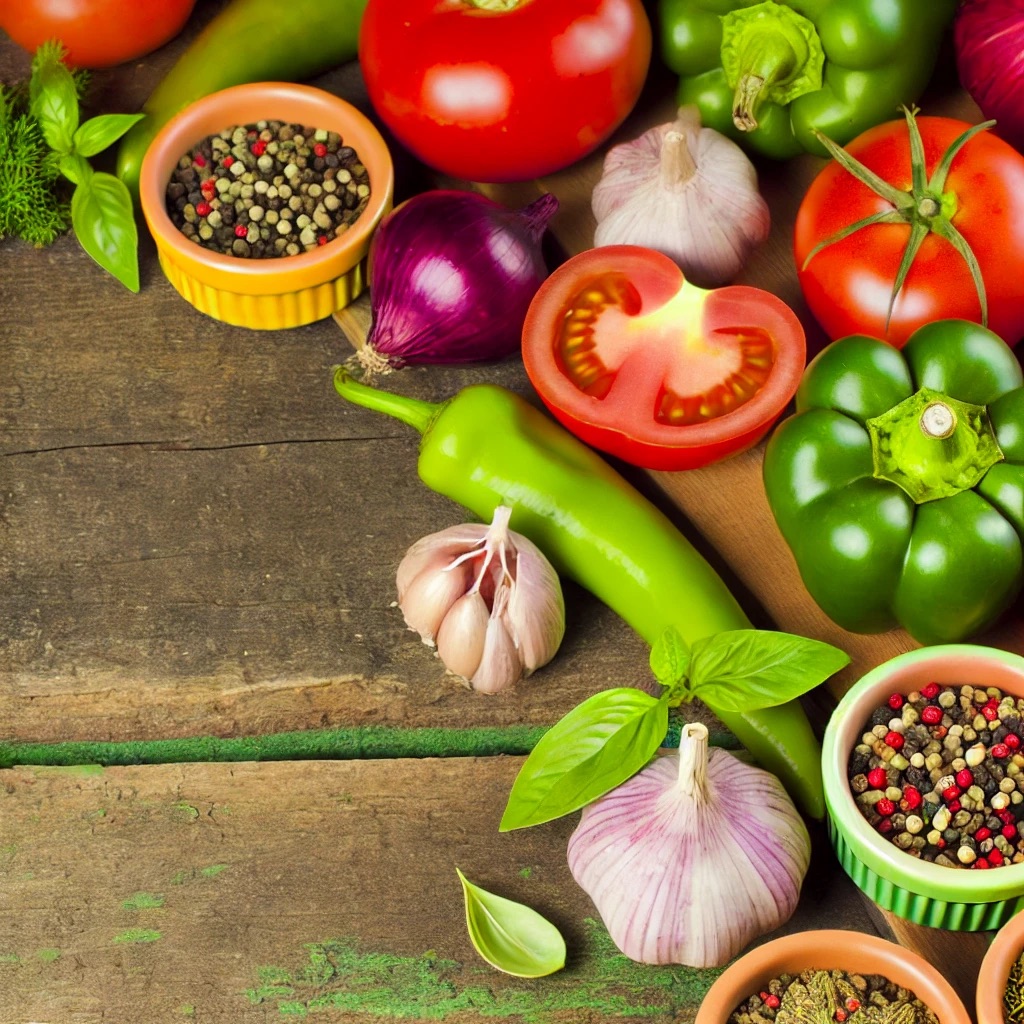
Flavor is a complex and multifaceted sensation that goes beyond taste. It encompasses aroma, texture, and even temperature, all of which contribute to our overall experience of food. This intricate interplay of sensory inputs is shaped not only by biology but also by culture, history, and personal preference. In this blog post, we will delve into the science of flavor and explore how cultural palates are formed and influenced.
The Basics of Flavor
To understand the nuances of cultural palates, we first need to grasp the basic components of flavor. Flavor is primarily composed of two elements: taste and smell. The human tongue can identify five basic tastes: sweet, salty, sour, bitter, and umami (savory). Each of these tastes plays a crucial role in how we perceive food.
However, taste alone does not create flavor. A significant portion of what we perceive as flavor comes from our sense of smell. When we eat, volatile compounds in food stimulate olfactory receptors in the nasal cavity, allowing us to experience the aroma of the dish. This is why food can taste bland when we have a cold and our sense of smell is compromised.
The Role of Culture in Shaping Taste
Culture significantly influences our taste preferences and the flavors we enjoy. From childhood, we are exposed to the flavors of our family and community, which shape our palates. For example, children raised in households that frequently consume spicy foods, like those in certain Asian or Latin American cultures, may develop a preference for heat and bold flavors.
Conversely, those raised in milder culinary traditions might find the same spicy foods overwhelming or unpleasant. Cultural rituals, traditions, and even geography play a role in determining what flavors are celebrated and which are avoided. This is evident when considering the popularity of certain ingredients in various cuisines—like the use of fish sauce in Southeast Asian cooking or the prevalence of herbs in Mediterranean diets.
Geography and Availability of Ingredients
The geography of a region also greatly impacts its culinary landscape. Climate, soil, and local agriculture dictate what ingredients are available, which in turn shapes the flavor profiles of regional dishes. For instance, coastal regions often emphasize seafood due to abundance, while landlocked areas may focus on meats and grains.
Additionally, the concept of terroir—a French term used to describe how a particular region's climate, soils, and environment affect the taste of food—illustrates the connection between geography and flavor. Wine is a prime example, where different regions produce distinct flavors based on local conditions.
The Science Behind Flavor Perception
Our perception of flavor is not merely a sensory experience; it is also influenced by psychological factors. For example, the color of food can affect how we perceive its taste. Studies have shown that people often associate certain colors with specific flavors—such as red with sweetness or green with bitterness. This phenomenon is known as cross-modal perception, where one sensory experience influences another.
Furthermore, the context in which we consume food can also alter our flavor experience. Eating a meal in a pleasant environment, with friends or family, can enhance the perception of flavor, making food taste better. Marketers and chefs often use this knowledge to create memorable dining experiences that heighten flavor appreciation.
Globalization and the Blending of Flavors
In today's globalized world, culinary traditions are increasingly blending, leading to the creation of fusion cuisines that combine elements from various cultures. This phenomenon has opened up a world of flavor possibilities, allowing individuals to explore new palates and expand their culinary horizons.
However, the blending of flavors also presents challenges. As cultural cuisines intermingle, there is a risk of diluting traditional flavors and techniques. While fusion dishes can be exciting and innovative, they can also lead to the loss of authenticity. It raises questions about cultural appropriation and respect for the origins of culinary practices.
Understanding Individual Preferences
While culture and geography play significant roles in shaping our palates, individual preferences also come into play. Personal experiences, such as travel, cooking, and exposure to different cuisines, can alter our taste preferences over time. Additionally, genetics can influence how we perceive certain flavors. Research has shown that some people have a heightened sensitivity to bitter tastes, which may lead them to avoid certain foods, like Brussels sprouts or dark chocolate.
Furthermore, the concept of flavor memory—where past experiences with certain foods influence our current preferences—can deeply affect how we perceive flavor. A positive memory associated with a particular dish can enhance our enjoyment of it, while a negative experience may lead to aversion.
The Future of Flavor Exploration
As we move forward, the exploration of flavor will continue to evolve. Advances in food science, technology, and culinary innovation will likely lead to new flavor experiences and combinations. For instance, the use of molecular gastronomy—where scientific techniques are applied to cooking—has already begun to reshape how we think about flavor.
Additionally, the rise of sustainable and ethical eating practices is influencing flavor preferences, with more consumers seeking out local, organic, and plant-based options. This shift in consciousness may lead to a resurgence of traditional flavors and cooking methods that honor cultural heritage and promote environmental sustainability.
Conclusion
The science of flavor is a rich tapestry woven from threads of biology, culture, geography, and individual experiences. Understanding how these elements interact can deepen our appreciation for the food we eat and the diverse culinary traditions that exist around the world. As we continue to explore and experiment with flavors, we not only enrich our own palates but also foster connections with different cultures, celebrating the beautiful diversity of human experience through food.
Related articles
 Savoring the Spice
Exploring India's Rich Culinary Heritage
Savoring the Spice
Exploring India's Rich Culinary Heritage
 A Taste of Tradition
The Role of Food in Italian Family Gatherings
A Taste of Tradition
The Role of Food in Italian Family Gatherings
 Feasting with Friends
The Importance of Communal Meals in African Cultures
Feasting with Friends
The Importance of Communal Meals in African Cultures
 From Tapas to Paella
The Culinary Wonders of Spain
From Tapas to Paella
The Culinary Wonders of Spain
 Traditions on a Plate
Discovering Japanese Kaiseki Dining
Traditions on a Plate
Discovering Japanese Kaiseki Dining
 Celebrating Harvest
The Role of Food in Native American Festivals
Celebrating Harvest
The Role of Food in Native American Festivals
 The Sweet Side of Tradition
Desserts in Middle Eastern Cultures
The Sweet Side of Tradition
Desserts in Middle Eastern Cultures
 Culinary Journeys
How Food Connects Us in Latin America
Culinary Journeys
How Food Connects Us in Latin America
 The Ritual of Tea
A Cultural Exploration of Asian Tea Ceremonies
The Ritual of Tea
A Cultural Exploration of Asian Tea Ceremonies
 Festive Feasts
Christmas Food Traditions Around the World
Festive Feasts
Christmas Food Traditions Around the World
 The Art of Cooking
Celebrating French Gastronomy Through Generations
The Art of Cooking
Celebrating French Gastronomy Through Generations
 Food as Identity
The Role of Cuisine in Cultural Heritage
Food as Identity
The Role of Cuisine in Cultural Heritage
 Bringing Families Together
The Significance of Sunday Dinners in the South
Bringing Families Together
The Significance of Sunday Dinners in the South
 A Culinary Tapestry
Exploring the Diverse Foods of Southeast Asia
A Culinary Tapestry
Exploring the Diverse Foods of Southeast Asia
 Celebrating Life Through Food
The Role of Meals in Jewish Traditions
Celebrating Life Through Food
The Role of Meals in Jewish Traditions
 Flavors of the Past
How History Shapes Modern Culinary Practices
Flavors of the Past
How History Shapes Modern Culinary Practices
 The Global Influence of Street Food
A Celebration of Local Flavors
The Global Influence of Street Food
A Celebration of Local Flavors
 Seasonal Celebrations
Food Traditions for Every Holiday
Seasonal Celebrations
Food Traditions for Every Holiday
 Cooking with Love
The Emotional Connection to Family Recipes
Cooking with Love
The Emotional Connection to Family Recipes
 Global Potluck
Sharing Cultural Dishes from Around the World
Global Potluck
Sharing Cultural Dishes from Around the World
 The Significance of Fermentation in Various Cultures' Culinary Traditions
 Culinary Festivals
Celebrating Food and Culture Worldwide
Culinary Festivals
Celebrating Food and Culture Worldwide
 The Impact of Migration on Food Traditions
A Global Perspective
The Impact of Migration on Food Traditions
A Global Perspective
 Herbs and Spices
The Language of Flavor in Global Cuisines
Herbs and Spices
The Language of Flavor in Global Cuisines
 The Family Table
How Food Brings Generations Together
The Family Table
How Food Brings Generations Together
 Dishing Up Diversity
Exploring Vegetarian and Vegan Traditions Worldwide
Dishing Up Diversity
Exploring Vegetarian and Vegan Traditions Worldwide
 Celebrating Culinary Heritage
The Stories Behind Iconic Dishes
Celebrating Culinary Heritage
The Stories Behind Iconic Dishes
 Food and Rituals
The Connection Between Cuisine and Spirituality
Food and Rituals
The Connection Between Cuisine and Spirituality
 From Farm to Fork
The Importance of Local Ingredients in Global Cuisines
From Farm to Fork
The Importance of Local Ingredients in Global Cuisines
 The Role of Food in Cultural Identity and Community Building
 A Culinary Adventure
Exploring Fusion Cuisines Around the World
A Culinary Adventure
Exploring Fusion Cuisines Around the World
 Sustainable Traditions
How Cultures Incorporate Eco-Friendly Practices in Food
Sustainable Traditions
How Cultures Incorporate Eco-Friendly Practices in Food
 Taste of Tradition
The Importance of Preserving Culinary Heritage
Taste of Tradition
The Importance of Preserving Culinary Heritage
 Global Celebrations
The Role of Food in Cultural Festivals
Global Celebrations
The Role of Food in Cultural Festivals
Breaking Bread
The Universal Tradition of Sharing Meals
Culinary Legends
Famous Dishes and Their Cultural Significance
Food and Family
The Heart of Cultural Celebrations
The Influence of Climate on Culinary Traditions
A Global Perspective
Cultural Exchange Through Cuisine
How Food Unites Us
Cooking Traditions
The Role of Elders in Passing Down Recipes
The Global Feast
Celebrating Diversity Through Food Traditions
Seasonal Ingredients
How Cultures Celebrate the Changing Seasons Through Food
Food as Art
The Aesthetic Value of Culinary Traditions
A Journey Through Time
How Historical Events Shaped Culinary Traditions
The Science of Flavor
Understanding Cultural Palates
Food and Folklore
The Stories Behind Traditional Dishes
The Global Influence of Culinary Shows
Inspiring Cultural Appreciation
Culinary Diplomacy
How Food Bridges Cultural Divides
Celebrating Heritage
The Role of Food in Cultural Identity
The Taste of Home
How Traditional Meals Evoke Memories and Identity
Categories