The art of cooking
AI CHEF Blog

10 Essential Plating Techniques to Wow Your Guests
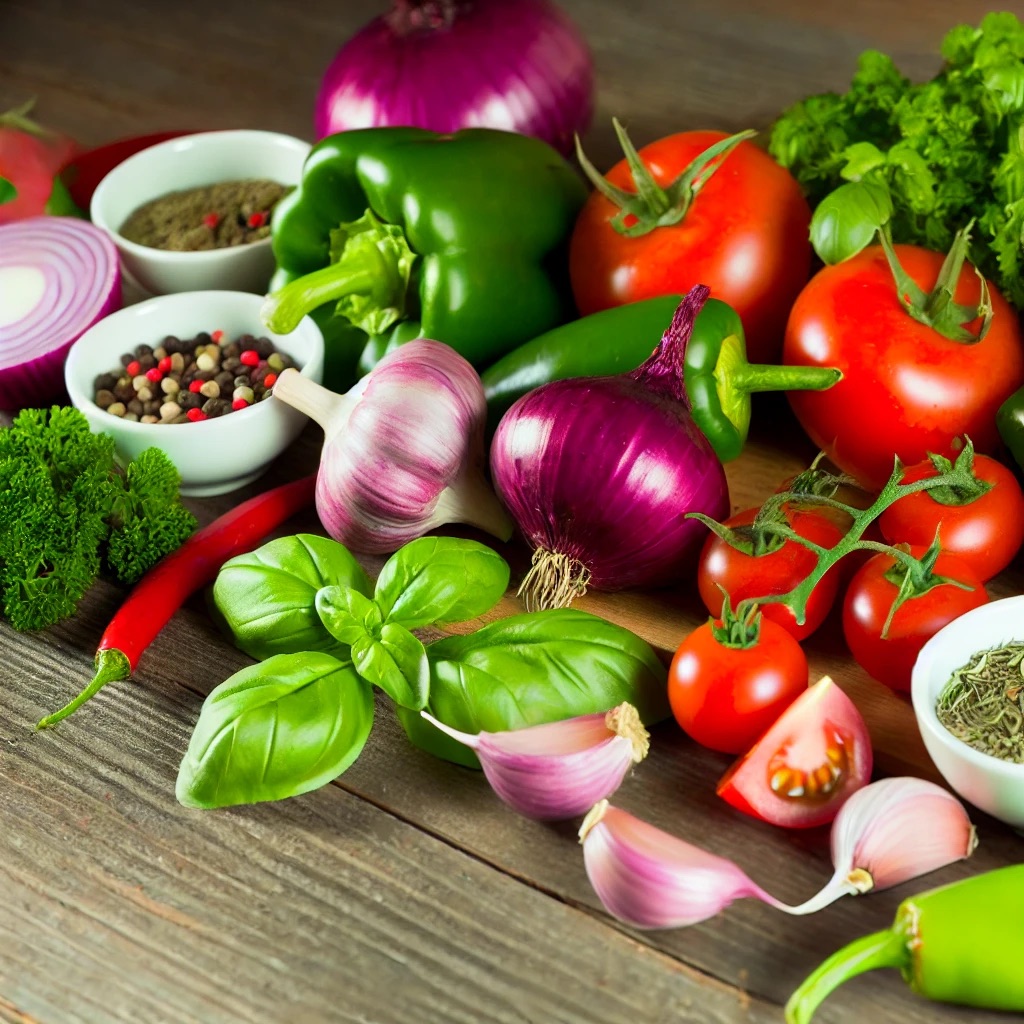
When it comes to dining, first impressions matter. The way food is presented can elevate the dining experience from ordinary to extraordinary. Beautiful plating not only makes a dish more visually appealing but also enhances the overall enjoyment of the meal. Whether you're hosting a dinner party or simply want to impress your family, mastering plating techniques can make a significant difference. Here are ten essential plating techniques that will wow your guests.
1. The Rule of Thirds
One of the fundamental principles of art and design, the rule of thirds can be applied to food plating. Imagine your plate divided into three equal parts, both vertically and horizontally. Place your main component in one of the intersecting points, and use the other sections for sides or garnishes. This creates a balanced and visually appealing presentation.
2. Height Variation
Adding height to your dishes can create drama and interest. Instead of serving everything flat on the plate, consider stacking ingredients or using ring molds to elevate certain components. For example, you could stack grilled vegetables or create a tower of ingredients for a stunning effect.
3. Color Contrast
Colors play a crucial role in food presentation. Use contrasting colors to make your dish pop. A vibrant green pesto drizzled over a bright red tomato sauce, or a deep purple beet puree beside a golden seared fish, can create visual excitement. Remember to include a variety of colors on the plate to make it more inviting.
4. Negative Space
Negative space refers to the empty spaces on the plate. Don’t be afraid to leave some areas empty; this can highlight the main components of your dish. A clean plate with a focal point allows the eye to rest and gives the food room to breathe, ultimately making the presentation more elegant.
5. Sauce Techniques
How you apply sauces can make a significant impact on plating. Instead of merely drizzling sauce on top, consider using a squeeze bottle or a spoon to create artistic patterns. You can also create a swoosh or dot the sauce around the plate for a modern look. Experiment with different techniques to find what works best for your dish.
6. Garnishing
Garnishes should enhance the dish, not overwhelm it. Use fresh herbs, edible flowers, or microgreens to add a touch of color and freshness. They can also provide a hint of flavor that complements the main ingredients. Just remember to keep garnishes simple and relevant to the dish.
7. Layering Flavors and Textures
Incorporate various textures and flavors in your plating. For instance, pair creamy elements with crunchy toppings, or serve tender proteins alongside roasted vegetables. Layering different textures not only makes the dish more interesting but also provides a delightful experience for the palate.
8. Use of Plates and Bowls
The choice of dishware can significantly affect presentation. Opt for plates with different shapes, sizes, and colors to create a unique setting. White plates are a classic choice, as they allow the food's colors to stand out. However, don't shy away from using colorful or patterned plates to add character to your presentation.
9. Contrasting Shapes
Incorporating different shapes into your plating can make it visually appealing. Mix circular elements with angular ones, or layer flat items with round components. This variation creates a dynamic presentation that draws the eye and keeps the viewer engaged.
10. Mind the Temperature
Serve your dishes at the right temperature, as this can also impact plating. Hot foods should be served hot, and cold dishes should be chilled. Consider using warm plates for hot dishes or cold plates for salads or desserts to enhance the overall experience. Temperature can affect not just taste but also the visual appeal of the dish.
Conclusion
Mastering plating techniques is an art that takes practice and creativity. By employing these ten essential techniques, you can transform ordinary meals into extraordinary dining experiences that will wow your guests. Remember to have fun with it and let your personality shine through your presentations. With time and experimentation, you'll develop your own unique style that reflects your culinary vision!
Related articles
 Elevate Your Dining Experience
Mastering Food Presentation Techniques
Elevate Your Dining Experience
Mastering Food Presentation Techniques
 10 Essential Plating Techniques to Wow Your Guests
 The Art of Plating
Transforming Simple Dishes into Culinary Masterpieces
The Art of Plating
Transforming Simple Dishes into Culinary Masterpieces
 Color and Texture
Key Elements of Stunning Food Presentation
Color and Texture
Key Elements of Stunning Food Presentation
 Plating 101
Tips and Tricks for Home Chefs
Plating 101
Tips and Tricks for Home Chefs
 From Plate to Palette
How to Create Visual Feast
From Plate to Palette
How to Create Visual Feast
 Minimalism on a Plate
The Beauty of Simple Food Presentation
Minimalism on a Plate
The Beauty of Simple Food Presentation
 Layering Flavors
Creative Plating Techniques for Gourmet Meals
Layering Flavors
Creative Plating Techniques for Gourmet Meals
 The Science of Plating
How Presentation Affects Taste Perception
The Science of Plating
How Presentation Affects Taste Perception
 Artful Arrangements
Mastering the Craft of Food Presentation
Artful Arrangements
Mastering the Craft of Food Presentation
 Plating Techniques Inspired by Michelin-Starred Restaurants
 The Importance of Negative Space in Food Presentation
 How to Use Garnishes for Stunning Food Presentation
 Creating Height in Your Plating
Techniques for Eye-Catching Dishes
Creating Height in Your Plating
Techniques for Eye-Catching Dishes
 The Power of Sauces
Techniques for Drizzling and Dashing
The Power of Sauces
Techniques for Drizzling and Dashing
 Seasonal Ingredients and Their Role in Beautiful Food Presentation
 Cultural Influences in Food Presentation Styles Around the World
 Plating for Special Occasions
Impressing Guests with Style
Plating for Special Occasions
Impressing Guests with Style
 Food Presentation Mistakes to Avoid
Tips for Home Chefs
Food Presentation Mistakes to Avoid
Tips for Home Chefs
 Sustainable Plating
Eco-Friendly Techniques for Food Presentation
Sustainable Plating
Eco-Friendly Techniques for Food Presentation
 The Role of Color Theory in Food Presentation
Making Dishes Pop
The Role of Color Theory in Food Presentation
Making Dishes Pop
 Plating Techniques for Different Cuisines
A Global Perspective
Plating Techniques for Different Cuisines
A Global Perspective
 How to Use Edible Flowers for Elegant Food Presentation
 Creating a Dining Experience
The Art of Plating and Ambiance
Creating a Dining Experience
The Art of Plating and Ambiance
 Serving Up Style
Tableware Choices That Enhance Food Presentation
Serving Up Style
Tableware Choices That Enhance Food Presentation
 Plating Techniques for Desserts
Sweet Presentations That Impress
Plating Techniques for Desserts
Sweet Presentations That Impress
 Harnessing the Power of Contrast in Food Presentation
 Plating Like a Pro
Tips from Renowned Chefs
Plating Like a Pro
Tips from Renowned Chefs
 The Role of Lighting in Food Presentation
How to Set the Mood
The Role of Lighting in Food Presentation
How to Set the Mood
 DIY Food Presentation
Creative Ways to Plate at Home
DIY Food Presentation
Creative Ways to Plate at Home
 Plating Techniques for Buffets
Making a Feast Visually Appealing
Plating Techniques for Buffets
Making a Feast Visually Appealing
 How to Tell a Story Through Your Food Presentation
 The Future of Food Presentation
Trends to Watch
The Future of Food Presentation
Trends to Watch
 Creating a Signature Plating Style
Finding Your Unique Voice
Creating a Signature Plating Style
Finding Your Unique Voice
Food Presentation for Kids
Making Meals Fun and Engaging
The Psychology of Food Presentation
How Looks Can Influence Taste
Plating Techniques for Vegan and Vegetarian Dishes
The Role of Texture in Food Presentation
Crunch, Cream, and More
Plating Techniques for Home Entertaining
Impressing Friends and Family
Artisanal Plating
Incorporating Handmade Elements into Your Presentation
Mastering the Use of Compotes and Coulis in Food Presentation
Plating Techniques for Appetizers
Small Bites, Big Impressions
How to Plate Like a Chef
A Step-by-Step Guide
Food Presentation for the Holidays
Festive Plating Ideas
The Importance of Balance in Food Presentation
A Harmonious Plate
Innovative Plating Techniques for Modern Cuisine
Food Presentation as Art
Exploring Culinary Creativity
The Secrets Behind Instagram-Worthy Food Presentation
Taking Plating to the Next Level
Advanced Techniques for Enthusiasts
Plating with Purpose
Creating Meaningful Culinary Experiences
Categories