The art of cooking
AI CHEF Blog

Color and Texture: Key Elements of Stunning Food Presentation
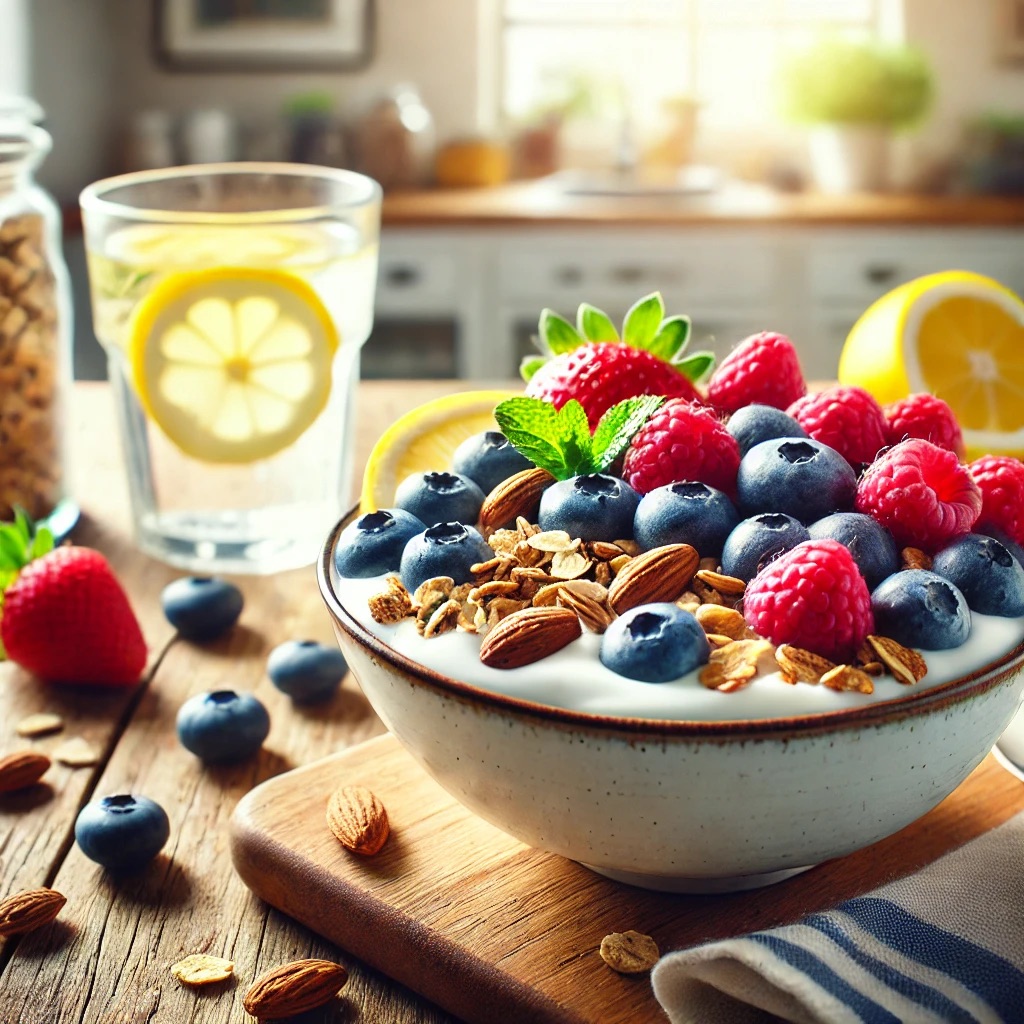
In the culinary world, presentation is just as important as taste. The way food is plated can enhance the dining experience, making it not only a meal but a feast for the senses. Among the various elements that contribute to food presentation, color and texture play pivotal roles. In this blog post, we will explore how these two components can transform a simple dish into a stunning work of art.
The Psychology of Color in Food
Color is one of the first things that people notice about food. It can evoke emotions, stimulate appetite, and even affect our perceptions of flavor. Research has shown that different colors can elicit different responses:
- Red: Often associated with excitement and passion, red foods like strawberries and tomatoes can stimulate appetite and increase heart rates.
- Yellow and Orange: These colors are cheerful and vibrant, often associated with freshness and happiness. Foods like bell peppers and mangoes can brighten up any dish.
- Green: Symbolizing health and vitality, green foods like spinach and broccoli can convey a sense of freshness and well-being.
- Blue and Purple: These colors can be less common in food, but they can add a touch of sophistication. Foods like blueberries and eggplants can create a striking contrast on the plate.
When plating a dish, consider the color wheel. Complementary colors (those opposite each other on the wheel) can create vibrant visual contrast, while analogous colors (those next to each other) can provide harmony. For example, a dish featuring grilled chicken (golden brown) with a side of green asparagus and a red tomato salad can be visually appealing and appetizing.
The Importance of Texture
Texture is another crucial element that contributes to the overall presentation of food. It refers to the surface quality of the food, which can be smooth, crunchy, creamy, or chewy. A variety of textures in a dish can enhance the eating experience:
- Contrast: Combining different textures can create an interesting mouthfeel. For example, pairing crispy fried onions with creamy mashed potatoes adds complexity to the dish.
- Visual Appeal: Textured foods can create visual interest on the plate. A dish with a smooth sauce drizzled over rough, seared meat can look more dynamic.
- Layering: Layering ingredients with different textures can add depth to the presentation. Consider a parfait that combines creamy yogurt, crunchy granola, and juicy berries.
When designing a plate, think about how to incorporate various textures to create a balanced and appealing dish. Combining soft, hard, smooth, and rough elements can keep the diner engaged and excited about the meal.
Balancing Color and Texture
While color and texture are powerful individually, their true potential is unleashed when they are used together. Here are some tips for achieving a stunning balance:
- Use a Color Palette: Choose a specific color palette for your dish. For example, a Mediterranean-inspired plate might feature vibrant reds, yellows, and greens, while a winter dish could focus on earthy tones.
- Consider the Plate: The color of the plate itself can affect how the food is perceived. White plates often make colors pop, while darker plates can create a sophisticated backdrop.
- Garnish Wisely: Fresh herbs, edible flowers, or microgreens can add a burst of color and a new texture to the dish. However, be mindful of the amount used to avoid overwhelming the presentation.
Examples of Stunning Food Presentations
To illustrate the power of color and texture in food presentation, let’s take a look at some examples:
- Rainbow Salad: This salad features a variety of colorful vegetables, such as purple cabbage, yellow bell peppers, orange carrots, and green lettuce. The addition of crunchy nuts adds texture, while a light vinaigrette brings everything together.
- Layered Parfait: A parfait made with layers of creamy yogurt, crunchy granola, and vibrant mixed berries showcases both color and texture beautifully. The contrasting elements create a visually appealing and delicious dessert.
- Grilled Salmon: A perfectly grilled salmon fillet served on a bed of vibrant green spinach, topped with a bright mango salsa adds a pop of color and a variety of textures, from the flaky fish to the crunchy salsa.
Conclusion
In the world of food presentation, color and texture are not just aesthetic elements; they are essential components that can transform a meal into a memorable experience. By thoughtfully combining colors and textures, chefs can create stunning dishes that appeal to the eyes as much as to the palate. Whether you are a home cook or a professional chef, understanding the principles of color and texture can elevate your culinary creations and delight your guests. So, the next time you plate a dish, remember to consider how these key elements can make your food not only look good but taste even better!
Related articles
 Elevate Your Dining Experience
Mastering Food Presentation Techniques
Elevate Your Dining Experience
Mastering Food Presentation Techniques
 10 Essential Plating Techniques to Wow Your Guests
 The Art of Plating
Transforming Simple Dishes into Culinary Masterpieces
The Art of Plating
Transforming Simple Dishes into Culinary Masterpieces
 Color and Texture
Key Elements of Stunning Food Presentation
Color and Texture
Key Elements of Stunning Food Presentation
 Plating 101
Tips and Tricks for Home Chefs
Plating 101
Tips and Tricks for Home Chefs
 From Plate to Palette
How to Create Visual Feast
From Plate to Palette
How to Create Visual Feast
 Minimalism on a Plate
The Beauty of Simple Food Presentation
Minimalism on a Plate
The Beauty of Simple Food Presentation
 Layering Flavors
Creative Plating Techniques for Gourmet Meals
Layering Flavors
Creative Plating Techniques for Gourmet Meals
 The Science of Plating
How Presentation Affects Taste Perception
The Science of Plating
How Presentation Affects Taste Perception
 Artful Arrangements
Mastering the Craft of Food Presentation
Artful Arrangements
Mastering the Craft of Food Presentation
 Plating Techniques Inspired by Michelin-Starred Restaurants
 The Importance of Negative Space in Food Presentation
 How to Use Garnishes for Stunning Food Presentation
 Creating Height in Your Plating
Techniques for Eye-Catching Dishes
Creating Height in Your Plating
Techniques for Eye-Catching Dishes
 The Power of Sauces
Techniques for Drizzling and Dashing
The Power of Sauces
Techniques for Drizzling and Dashing
 Seasonal Ingredients and Their Role in Beautiful Food Presentation
 Cultural Influences in Food Presentation Styles Around the World
 Plating for Special Occasions
Impressing Guests with Style
Plating for Special Occasions
Impressing Guests with Style
 Food Presentation Mistakes to Avoid
Tips for Home Chefs
Food Presentation Mistakes to Avoid
Tips for Home Chefs
 Sustainable Plating
Eco-Friendly Techniques for Food Presentation
Sustainable Plating
Eco-Friendly Techniques for Food Presentation
 The Role of Color Theory in Food Presentation
Making Dishes Pop
The Role of Color Theory in Food Presentation
Making Dishes Pop
 Plating Techniques for Different Cuisines
A Global Perspective
Plating Techniques for Different Cuisines
A Global Perspective
 How to Use Edible Flowers for Elegant Food Presentation
 Creating a Dining Experience
The Art of Plating and Ambiance
Creating a Dining Experience
The Art of Plating and Ambiance
 Serving Up Style
Tableware Choices That Enhance Food Presentation
Serving Up Style
Tableware Choices That Enhance Food Presentation
 Plating Techniques for Desserts
Sweet Presentations That Impress
Plating Techniques for Desserts
Sweet Presentations That Impress
 Harnessing the Power of Contrast in Food Presentation
 Plating Like a Pro
Tips from Renowned Chefs
Plating Like a Pro
Tips from Renowned Chefs
 The Role of Lighting in Food Presentation
How to Set the Mood
The Role of Lighting in Food Presentation
How to Set the Mood
 DIY Food Presentation
Creative Ways to Plate at Home
DIY Food Presentation
Creative Ways to Plate at Home
 Plating Techniques for Buffets
Making a Feast Visually Appealing
Plating Techniques for Buffets
Making a Feast Visually Appealing
 How to Tell a Story Through Your Food Presentation
 The Future of Food Presentation
Trends to Watch
The Future of Food Presentation
Trends to Watch
 Creating a Signature Plating Style
Finding Your Unique Voice
Creating a Signature Plating Style
Finding Your Unique Voice
Food Presentation for Kids
Making Meals Fun and Engaging
The Psychology of Food Presentation
How Looks Can Influence Taste
Plating Techniques for Vegan and Vegetarian Dishes
The Role of Texture in Food Presentation
Crunch, Cream, and More
Plating Techniques for Home Entertaining
Impressing Friends and Family
Artisanal Plating
Incorporating Handmade Elements into Your Presentation
Mastering the Use of Compotes and Coulis in Food Presentation
Plating Techniques for Appetizers
Small Bites, Big Impressions
How to Plate Like a Chef
A Step-by-Step Guide
Food Presentation for the Holidays
Festive Plating Ideas
The Importance of Balance in Food Presentation
A Harmonious Plate
Innovative Plating Techniques for Modern Cuisine
Food Presentation as Art
Exploring Culinary Creativity
The Secrets Behind Instagram-Worthy Food Presentation
Taking Plating to the Next Level
Advanced Techniques for Enthusiasts
Plating with Purpose
Creating Meaningful Culinary Experiences
Categories