The art of cooking
AI CHEF Blog

Plating Techniques 101: A Guide for Aspiring Chefs
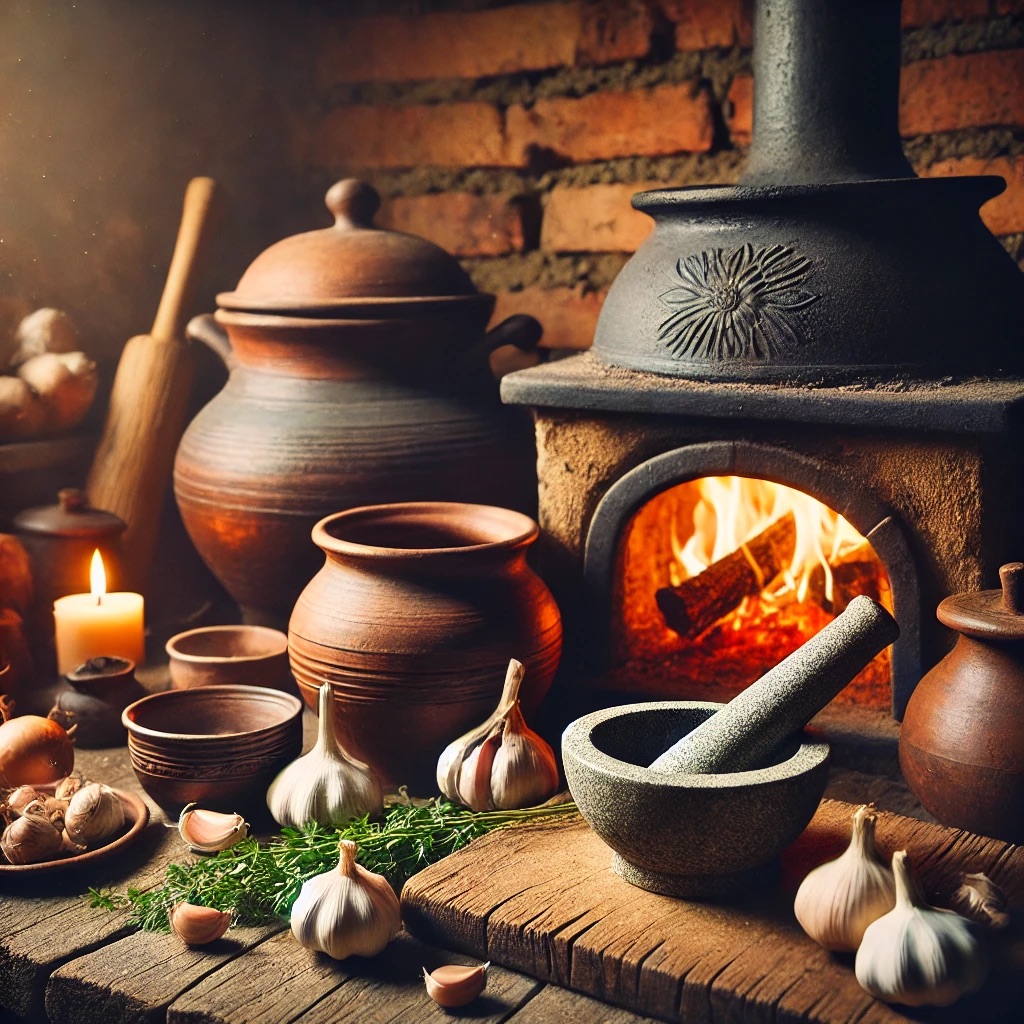
In the culinary world, the presentation of a dish is almost as important as its flavor. This guide to plating techniques is designed for aspiring chefs who wish to elevate their dishes from simple meals to culinary masterpieces. Whether you're cooking at home or in a professional kitchen, mastering the art of plating will enhance your food's appeal and impress your guests.
Understanding the Importance of Plating
Plating is a form of art that showcases the chef's creativity and enhances the dining experience. A well-plated dish can entice diners even before they take their first bite. It engages the senses, inviting them to appreciate not only the flavors but also the visual elements of the meal. When done correctly, plating can highlight the colors, textures, and ingredients of the dish, creating an experience that is both delicious and aesthetically pleasing.
Essential Plating Tools
Before diving into the techniques, it's important to have the right tools at your disposal:
- Plating Spoon: Ideal for creating sauces and purees on the plate.
- Tweezers: Useful for placing delicate garnishes precisely.
- Ring Molds: Great for stacking ingredients and creating height.
- Offset Spatula: Perfect for spreading sauces or moving items without damaging them.
- Brushes: Can be used to apply glazes or sauces for a polished look.
Basic Plating Techniques
Now that you have your tools ready, let’s explore some basic plating techniques that can help you achieve inviting presentations:
1. The Rule of Thirds
One of the fundamental principles of plating involves the Rule of Thirds. Imagine dividing your plate into three horizontal and vertical sections. Place your main protein in one section, and then balance it with sides or garnishes in the other two sections. This approach creates a harmonious visual balance.
2. Height and Layering
Adding height to your plate can make a dish more dynamic. Stack components or use ring molds to elevate certain ingredients. This technique not only adds visual interest but also enhances the textural experience of the dish.
3. Saucing
How you apply sauces can dramatically affect the appearance of your dish. Use a spoon to create swooshes or dots of sauce on the plate. Alternatively, you can use a squeeze bottle for more control. The key is to be artistic and intentional with your sauce application.
4. Garnishing
Garnishes should enhance the dish without overwhelming it. Use fresh herbs, edible flowers, or microgreens to brighten up your plate. Remember that garnishes can also serve a functional purpose by adding flavor and texture.
5. Color Contrast
Color is a critical aspect of plating. Aim for a variety of colors on your plate to make it visually appealing. For instance, pairing vibrant vegetables with a neutral protein can create a stunning contrast that draws the eye.
Advanced Plating Techniques
Once you've mastered the basics, you can explore more advanced plating techniques that can truly set your dishes apart:
1. Deconstruction
Deconstructed dishes present the individual components of a meal separately rather than combined. This technique allows diners to experience each flavor individually, creating a unique tasting experience. When plating, consider the arrangement of each component to maintain visual appeal.
2. Negative Space
Using negative space strategically can draw attention to the food. Leaving empty areas on the plate can create a clean, modern look. This technique is especially effective with minimalist dishes where the focus is on the quality of the ingredients.
3. Textures and Layers
Incorporating various textures can elevate a dish. Consider combining crispy, creamy, and chewy elements on your plate. Layering different textures not only adds visual intrigue but also enhances the overall dining experience.
4. The Use of Shapes
Experimenting with the shapes of your ingredients can create a unique presentation. Use cookie cutters to create uniform shapes or cut ingredients into different forms to add variety. Round, square, and triangular elements can all be used to create a visually stimulating plate.
Plating Examples
To help you visualize these techniques, here are some examples of different plating styles:
Classic Plating
Classic plating is often characterized by a simple arrangement, focusing on the main protein and sides neatly arranged on the plate. This approach is timeless and works well for formal occasions.
Rustic Plating
Rustic plating embraces a more casual and organic look, often featuring larger portions and a more haphazard arrangement. This style is great for comfort food and home-cooked meals.
Modern Plating
Modern plating often incorporates artistic elements, such as swooshes of sauce and unusual arrangements. This style is heavily influenced by culinary trends and is commonly seen in high-end restaurants.
Practice Makes Perfect
As with any skill, practice is essential. Start by plating simple dishes and gradually incorporate more advanced techniques. Take the time to experiment with different arrangements and styles until you find what works best for you. Remember, there are no hard and fast rules in plating; it’s about finding your own artistic voice.
Conclusion
Plating is an integral part of the culinary arts that allows chefs to express their creativity and enhance the dining experience. By mastering these techniques, aspiring chefs can elevate their dishes and impress their guests. As you continue to hone your skills, don't forget to enjoy the process and let your passion for food shine through in every plate.
Related articles
 Elevate Your Dining Experience
Mastering Food Presentation Techniques
Elevate Your Dining Experience
Mastering Food Presentation Techniques
 10 Essential Plating Techniques to Wow Your Guests
 The Art of Plating
Transforming Simple Dishes into Culinary Masterpieces
The Art of Plating
Transforming Simple Dishes into Culinary Masterpieces
 Color and Texture
Key Elements of Stunning Food Presentation
Color and Texture
Key Elements of Stunning Food Presentation
 Plating 101
Tips and Tricks for Home Chefs
Plating 101
Tips and Tricks for Home Chefs
 From Plate to Palette
How to Create Visual Feast
From Plate to Palette
How to Create Visual Feast
 Minimalism on a Plate
The Beauty of Simple Food Presentation
Minimalism on a Plate
The Beauty of Simple Food Presentation
 Layering Flavors
Creative Plating Techniques for Gourmet Meals
Layering Flavors
Creative Plating Techniques for Gourmet Meals
 The Science of Plating
How Presentation Affects Taste Perception
The Science of Plating
How Presentation Affects Taste Perception
 Artful Arrangements
Mastering the Craft of Food Presentation
Artful Arrangements
Mastering the Craft of Food Presentation
 Plating Techniques Inspired by Michelin-Starred Restaurants
 The Importance of Negative Space in Food Presentation
 How to Use Garnishes for Stunning Food Presentation
 Creating Height in Your Plating
Techniques for Eye-Catching Dishes
Creating Height in Your Plating
Techniques for Eye-Catching Dishes
 The Power of Sauces
Techniques for Drizzling and Dashing
The Power of Sauces
Techniques for Drizzling and Dashing
 Seasonal Ingredients and Their Role in Beautiful Food Presentation
 Cultural Influences in Food Presentation Styles Around the World
 Plating for Special Occasions
Impressing Guests with Style
Plating for Special Occasions
Impressing Guests with Style
 Food Presentation Mistakes to Avoid
Tips for Home Chefs
Food Presentation Mistakes to Avoid
Tips for Home Chefs
 Sustainable Plating
Eco-Friendly Techniques for Food Presentation
Sustainable Plating
Eco-Friendly Techniques for Food Presentation
 The Role of Color Theory in Food Presentation
Making Dishes Pop
The Role of Color Theory in Food Presentation
Making Dishes Pop
 Plating Techniques for Different Cuisines
A Global Perspective
Plating Techniques for Different Cuisines
A Global Perspective
 How to Use Edible Flowers for Elegant Food Presentation
 Creating a Dining Experience
The Art of Plating and Ambiance
Creating a Dining Experience
The Art of Plating and Ambiance
 Serving Up Style
Tableware Choices That Enhance Food Presentation
Serving Up Style
Tableware Choices That Enhance Food Presentation
 Plating Techniques for Desserts
Sweet Presentations That Impress
Plating Techniques for Desserts
Sweet Presentations That Impress
 Harnessing the Power of Contrast in Food Presentation
 Plating Like a Pro
Tips from Renowned Chefs
Plating Like a Pro
Tips from Renowned Chefs
 The Role of Lighting in Food Presentation
How to Set the Mood
The Role of Lighting in Food Presentation
How to Set the Mood
 DIY Food Presentation
Creative Ways to Plate at Home
DIY Food Presentation
Creative Ways to Plate at Home
 Plating Techniques for Buffets
Making a Feast Visually Appealing
Plating Techniques for Buffets
Making a Feast Visually Appealing
 How to Tell a Story Through Your Food Presentation
 The Future of Food Presentation
Trends to Watch
The Future of Food Presentation
Trends to Watch
 Creating a Signature Plating Style
Finding Your Unique Voice
Creating a Signature Plating Style
Finding Your Unique Voice
Food Presentation for Kids
Making Meals Fun and Engaging
The Psychology of Food Presentation
How Looks Can Influence Taste
Plating Techniques for Vegan and Vegetarian Dishes
The Role of Texture in Food Presentation
Crunch, Cream, and More
Plating Techniques for Home Entertaining
Impressing Friends and Family
Artisanal Plating
Incorporating Handmade Elements into Your Presentation
Mastering the Use of Compotes and Coulis in Food Presentation
Plating Techniques for Appetizers
Small Bites, Big Impressions
How to Plate Like a Chef
A Step-by-Step Guide
Food Presentation for the Holidays
Festive Plating Ideas
The Importance of Balance in Food Presentation
A Harmonious Plate
Innovative Plating Techniques for Modern Cuisine
Food Presentation as Art
Exploring Culinary Creativity
The Secrets Behind Instagram-Worthy Food Presentation
Taking Plating to the Next Level
Advanced Techniques for Enthusiasts
Plating with Purpose
Creating Meaningful Culinary Experiences
Categories