The art of cooking
AI CHEF Blog

Garnishing and Plating: The Finishing Touches to Impress
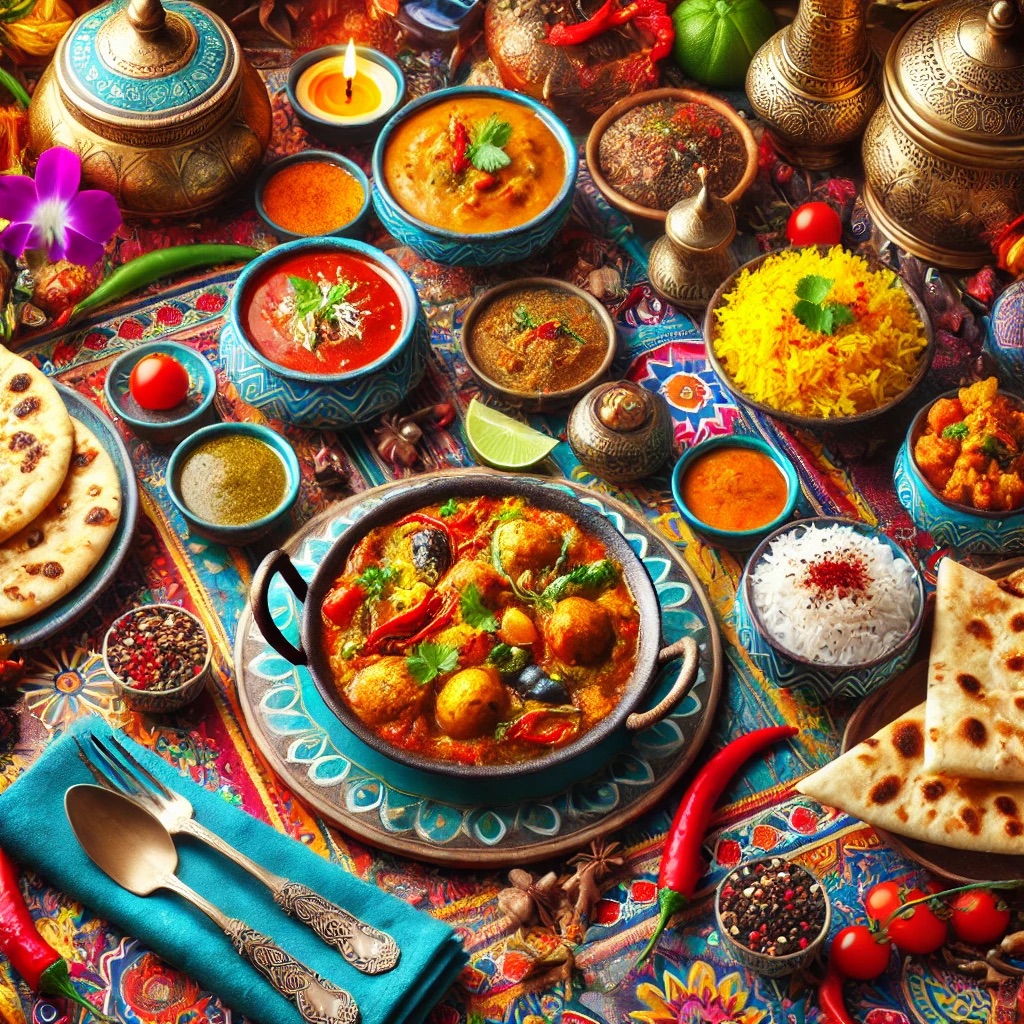
When it comes to cooking, the final presentation of a dish can be just as important as the ingredients and flavors that make it. Garnishing and plating are the finishing touches that can transform a simple meal into a culinary masterpiece. In this blog post, we will explore the art of garnishing and plating, offering tips and techniques to help you impress your guests and elevate your dining experience.
The Importance of Garnishing and Plating
The way food is presented plays a crucial role in how it is perceived. A beautifully plated dish can enhance the dining experience, making the food more appealing and enhancing the flavors. Here are a few reasons why garnishing and plating matter:
- Visual Appeal: Humans are visual creatures, and the first impression of a dish is often based on its appearance. A well-garnished and plated dish can stimulate the appetite and create excitement.
- Enhancing Flavors: The right garnish can complement the flavors of a dish, adding complexity or a contrasting taste that enhances the overall experience.
- Creativity and Expression: Plating allows chefs and home cooks to express their creativity. It’s an opportunity to showcase individual style and make a personal statement through food.
Essential Techniques for Plating
Plating is a skill that can be learned and refined over time. Here are some essential techniques to keep in mind when you plate your dishes:
1. Choose the Right Plate
The first step in plating is selecting the appropriate plate. The size, shape, and color of the plate can all impact the presentation. For instance, a large white plate allows vibrant colors to stand out, while a smaller plate can create a more intimate presentation. Consider the type of dish you are serving and choose a plate that complements it.
2. Use a Focal Point
Every plated dish should have a focal point that draws the eye. This could be the main protein, a vibrant side, or a unique garnish. Build the plate around this focal point, allowing other elements to complement rather than compete with it.
3. Create Balance
Balance is key to an appealing plate. Aim for symmetry and proportion in your arrangement. Consider the weight and color of each component and arrange them in a way that feels harmonious. Use the rule of thirds, which suggests dividing the plate into three sections, to help guide your arrangement.
4. Layer and Stack
Adding height and dimension to your plate can create visual interest. Use layering and stacking techniques to elevate certain elements. For example, stack vegetables or grains to create a tower effect, or layer sauces and purées beneath proteins for added depth.
5. Add Color and Texture
Incorporating a variety of colors and textures can make your plate more visually appealing. Use fresh herbs, edible flowers, or colorful vegetables to add pops of color. Consider the textures of each component—crunchy, creamy, and smooth elements can create a delightful contrast.
6. Mind the Negative Space
Negative space refers to the empty areas on a plate. It’s essential to leave some negative space to prevent the plate from feeling cluttered. This allows the eye to rest and enhances the overall presentation. A minimalist approach can sometimes be more impactful.
Creative Garnishing Ideas
Garnishing adds the final touch to your dish, enhancing both appearance and flavor. Here are some creative garnishing ideas to consider:
1. Fresh Herbs
Fresh herbs are a classic garnish that can elevate any dish. Consider using parsley, cilantro, basil, or chives to add a burst of color and flavor. A sprig of rosemary or thyme can also add an aromatic touch.
2. Edible Flowers
Edible flowers can bring a whimsical and vibrant touch to your plating. Flowers like nasturtiums, pansies, and violets are not only beautiful but also add unique flavors. Make sure to use organic, pesticide-free flowers.
3. Sauces and Drizzles
Artfully drizzling sauces or purees around the plate can create a stunning visual effect. Consider using a squeeze bottle or spoon to achieve precision. Different colors and flavors can enhance the dish while adding a sophisticated touch.
4. Microgreens
Microgreens are tiny, flavorful plants that can add freshness and a pop of color to your plates. They are easy to grow at home and can be used in various dishes, from salads to garnishes.
5. Crispy Elements
Adding a crispy element, such as fried shallots, croutons, or toasted nuts, can provide texture and enhance the flavor profile of a dish. These toppings can also add visual interest.
Plating Styles to Explore
There are various plating styles to choose from, each offering a different aesthetic and experience. Here are a few popular styles:
1. Classic Plating
This style is characterized by simplicity and elegance. Components are arranged neatly on the plate, often with a focus on symmetry. Classic plating is timeless and suitable for formal dining.
2. Contemporary Plating
Contemporary plating embraces creativity and artistic expression. This style often features unconventional arrangements, bold colors, and unexpected garnishes. It’s about pushing boundaries and showcasing culinary innovation.
3. Rustic Plating
Rustic plating embraces a more casual, homey feel. Dishes are often served in a more relaxed manner, with an emphasis on natural textures and colors. This style is great for comfort food and casual dining.
4. Deconstructed Plating
Deconstructed plating involves separating the components of a dish and presenting them individually. This style encourages diners to experience the flavors separately before mixing and matching them on their plates.
Final Thoughts
Garnishing and plating are essential skills for anyone who loves to cook and entertain. With practice and creativity, you can transform your meals into stunning culinary works of art. Remember to keep it simple, choose the right elements, and let your personality shine through in your presentations. Whether you’re hosting a dinner party or enjoying a meal at home, the finishing touches of garnishing and plating can make all the difference in creating a memorable dining experience.
Related articles
 Elevate Your Dining Experience
Mastering Food Presentation Techniques
Elevate Your Dining Experience
Mastering Food Presentation Techniques
 10 Essential Plating Techniques to Wow Your Guests
 The Art of Plating
Transforming Simple Dishes into Culinary Masterpieces
The Art of Plating
Transforming Simple Dishes into Culinary Masterpieces
 Color and Texture
Key Elements of Stunning Food Presentation
Color and Texture
Key Elements of Stunning Food Presentation
 Plating 101
Tips and Tricks for Home Chefs
Plating 101
Tips and Tricks for Home Chefs
 From Plate to Palette
How to Create Visual Feast
From Plate to Palette
How to Create Visual Feast
 Minimalism on a Plate
The Beauty of Simple Food Presentation
Minimalism on a Plate
The Beauty of Simple Food Presentation
 Layering Flavors
Creative Plating Techniques for Gourmet Meals
Layering Flavors
Creative Plating Techniques for Gourmet Meals
 The Science of Plating
How Presentation Affects Taste Perception
The Science of Plating
How Presentation Affects Taste Perception
 Artful Arrangements
Mastering the Craft of Food Presentation
Artful Arrangements
Mastering the Craft of Food Presentation
 Plating Techniques Inspired by Michelin-Starred Restaurants
 The Importance of Negative Space in Food Presentation
 How to Use Garnishes for Stunning Food Presentation
 Creating Height in Your Plating
Techniques for Eye-Catching Dishes
Creating Height in Your Plating
Techniques for Eye-Catching Dishes
 The Power of Sauces
Techniques for Drizzling and Dashing
The Power of Sauces
Techniques for Drizzling and Dashing
 Seasonal Ingredients and Their Role in Beautiful Food Presentation
 Cultural Influences in Food Presentation Styles Around the World
 Plating for Special Occasions
Impressing Guests with Style
Plating for Special Occasions
Impressing Guests with Style
 Food Presentation Mistakes to Avoid
Tips for Home Chefs
Food Presentation Mistakes to Avoid
Tips for Home Chefs
 Sustainable Plating
Eco-Friendly Techniques for Food Presentation
Sustainable Plating
Eco-Friendly Techniques for Food Presentation
 The Role of Color Theory in Food Presentation
Making Dishes Pop
The Role of Color Theory in Food Presentation
Making Dishes Pop
 Plating Techniques for Different Cuisines
A Global Perspective
Plating Techniques for Different Cuisines
A Global Perspective
 How to Use Edible Flowers for Elegant Food Presentation
 Creating a Dining Experience
The Art of Plating and Ambiance
Creating a Dining Experience
The Art of Plating and Ambiance
 Serving Up Style
Tableware Choices That Enhance Food Presentation
Serving Up Style
Tableware Choices That Enhance Food Presentation
 Plating Techniques for Desserts
Sweet Presentations That Impress
Plating Techniques for Desserts
Sweet Presentations That Impress
 Harnessing the Power of Contrast in Food Presentation
 Plating Like a Pro
Tips from Renowned Chefs
Plating Like a Pro
Tips from Renowned Chefs
 The Role of Lighting in Food Presentation
How to Set the Mood
The Role of Lighting in Food Presentation
How to Set the Mood
 DIY Food Presentation
Creative Ways to Plate at Home
DIY Food Presentation
Creative Ways to Plate at Home
 Plating Techniques for Buffets
Making a Feast Visually Appealing
Plating Techniques for Buffets
Making a Feast Visually Appealing
 How to Tell a Story Through Your Food Presentation
 The Future of Food Presentation
Trends to Watch
The Future of Food Presentation
Trends to Watch
 Creating a Signature Plating Style
Finding Your Unique Voice
Creating a Signature Plating Style
Finding Your Unique Voice
Food Presentation for Kids
Making Meals Fun and Engaging
The Psychology of Food Presentation
How Looks Can Influence Taste
Plating Techniques for Vegan and Vegetarian Dishes
The Role of Texture in Food Presentation
Crunch, Cream, and More
Plating Techniques for Home Entertaining
Impressing Friends and Family
Artisanal Plating
Incorporating Handmade Elements into Your Presentation
Mastering the Use of Compotes and Coulis in Food Presentation
Plating Techniques for Appetizers
Small Bites, Big Impressions
How to Plate Like a Chef
A Step-by-Step Guide
Food Presentation for the Holidays
Festive Plating Ideas
The Importance of Balance in Food Presentation
A Harmonious Plate
Innovative Plating Techniques for Modern Cuisine
Food Presentation as Art
Exploring Culinary Creativity
The Secrets Behind Instagram-Worthy Food Presentation
Taking Plating to the Next Level
Advanced Techniques for Enthusiasts
Plating with Purpose
Creating Meaningful Culinary Experiences
Categories