The art of cooking
AI CHEF Blog

From Rustic to Refined: Plating Styles for Every Dish
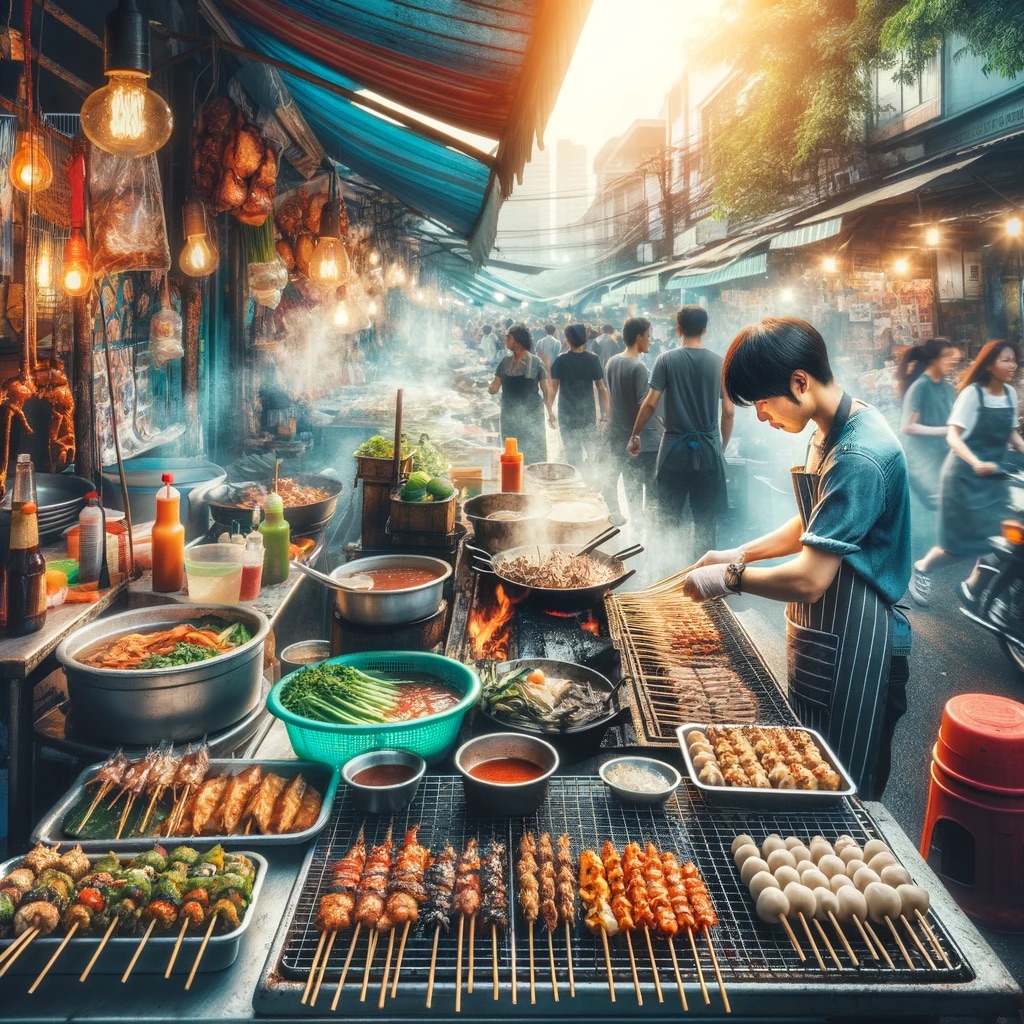
Plating is an art form that transforms a simple meal into a culinary masterpiece. From the rustic charm of a family-style dinner to the refined elegance of a Michelin-starred dish, the way food is presented can elevate the dining experience. In this blog post, we will explore various plating styles that can be applied to a range of dishes, allowing you to impress your guests or simply enjoy a beautifully arranged meal at home.
The Importance of Plating
Plating is not merely a means of arranging food on a plate; it is a crucial part of the dining experience. The way food looks can influence a diner’s perception of taste and quality. A well-plated dish can stimulate the senses, create anticipation, and enhance the overall enjoyment of a meal. In contrast, a poorly presented dish can detract from even the most delicious food.
Rustic Plating
Rustic plating is characterized by its informal and homely style. It embraces imperfections and celebrates the natural beauty of ingredients. This style is perfect for hearty, comfort foods that evoke a sense of warmth and nostalgia.
How to Achieve Rustic Plating:
- Use Earthenware or Wooden Serving Dishes: Choose bowls and plates made of pottery, wood, or stone for a more natural look.
- Leave Some Space: Don’t overcrowd the plate. Allow some negative space to let the food breathe.
- Layer Ingredients: Stack or layer ingredients for a homey feel, like a lasagna or a hearty stew.
- Garnish with Fresh Herbs: Use fresh herbs or edible flowers to add a pop of color without being overly fussy.
Rustic plating works beautifully for dishes like roasted vegetables, rustic pasta, and comforting casseroles. The key is to create a sense of abundance and warmth.
Classic Plating
Classic plating is a timeless style that emphasizes symmetry and balance. This approach often involves carefully arranged food that is both visually appealing and sophisticated.
How to Achieve Classic Plating:
- Use White Plates: A white plate provides a clean canvas that allows the colors of the food to stand out.
- Focus on Symmetry: Arrange food items in a balanced manner. For example, place proteins at the center and surround them with sides.
- Consider Height: Stack or layer components to create height, making the dish more visually interesting.
- Use Sauce Effectively: Drizzle sauces in a controlled manner or create a base layer of sauce that complements the dish.
Classic plating is ideal for dishes like filet mignon with a side of asparagus, or a beautifully arranged seafood risotto. This style conveys elegance and sophistication.
Deconstructed Plating
Deconstructed plating breaks down traditional dishes into their component parts and presents them separately on the plate. This style not only showcases individual ingredients but also allows diners to experience flavors in a new way.
How to Achieve Deconstructed Plating:
- Separate Components: Arrange each element of the dish in its own space on the plate.
- Play with Texture: Incorporate different textures by using purees, powders, and chunks.
- Use Creative Containers: Consider using small jars, glasses, or bowls to hold components, adding visual interest.
- Highlight Colors: Use a variety of colors to create a vibrant and appealing presentation.
This style is particularly effective for dishes that are traditionally combined, such as a deconstructed taco or a deconstructed cheesecake. It invites diners to explore flavors and textures in a unique way.
Minimalist Plating
Minimalist plating focuses on simplicity and clean lines. It emphasizes the essential elements of a dish, allowing the food to shine without distractions.
How to Achieve Minimalist Plating:
- Limit Components: Use fewer ingredients to create a clean look. Choose one or two hero ingredients.
- Negative Space: Embrace negative space by leaving areas of the plate empty to draw attention to the food.
- Use Simple Dishes: Select simple, elegant plates that won’t compete with the food.
- Subtle Garnishes: Use minimal garnishes that complement the dish without overwhelming it.
Minimalist plating is perfect for dishes like a single seared scallop or a simple salad with a few well-chosen ingredients. This style speaks to elegance and refinement.
Artistic Plating
Artistic plating is a creative and often playful approach to food presentation. It allows chefs to express their artistic vision, turning each dish into a canvas.
How to Achieve Artistic Plating:
- Experiment with Shapes: Use molds, rings, or cookie cutters to create interesting shapes.
- Incorporate Color: Use vibrant sauces, purees, and garnishes to create a colorful palette.
- Use Unconventional Items: Think outside the box—use edible flowers, foam, or other innovative elements.
- Layer Textures: Combine various textures for an exciting mouthfeel and visual appeal.
This style is ideal for avant-garde dishes or tasting menus where the presentation is as important as the flavors. Artistic plating encourages creativity and freedom of expression.
Conclusion
From rustic to refined, plating styles can significantly impact the dining experience. Whether you’re hosting a dinner party or enjoying a meal at home, understanding different plating techniques allows you to present your dishes in a way that enhances their appeal. Experiment with various styles to find what resonates with you and your culinary creations. Remember, the goal is to create a feast for the eyes as well as the palate. Happy plating!
Related articles
 Elevate Your Dining Experience
Mastering Food Presentation Techniques
Elevate Your Dining Experience
Mastering Food Presentation Techniques
 10 Essential Plating Techniques to Wow Your Guests
 The Art of Plating
Transforming Simple Dishes into Culinary Masterpieces
The Art of Plating
Transforming Simple Dishes into Culinary Masterpieces
 Color and Texture
Key Elements of Stunning Food Presentation
Color and Texture
Key Elements of Stunning Food Presentation
 Plating 101
Tips and Tricks for Home Chefs
Plating 101
Tips and Tricks for Home Chefs
 From Plate to Palette
How to Create Visual Feast
From Plate to Palette
How to Create Visual Feast
 Minimalism on a Plate
The Beauty of Simple Food Presentation
Minimalism on a Plate
The Beauty of Simple Food Presentation
 Layering Flavors
Creative Plating Techniques for Gourmet Meals
Layering Flavors
Creative Plating Techniques for Gourmet Meals
 The Science of Plating
How Presentation Affects Taste Perception
The Science of Plating
How Presentation Affects Taste Perception
 Artful Arrangements
Mastering the Craft of Food Presentation
Artful Arrangements
Mastering the Craft of Food Presentation
 Plating Techniques Inspired by Michelin-Starred Restaurants
 The Importance of Negative Space in Food Presentation
 How to Use Garnishes for Stunning Food Presentation
 Creating Height in Your Plating
Techniques for Eye-Catching Dishes
Creating Height in Your Plating
Techniques for Eye-Catching Dishes
 The Power of Sauces
Techniques for Drizzling and Dashing
The Power of Sauces
Techniques for Drizzling and Dashing
 Seasonal Ingredients and Their Role in Beautiful Food Presentation
 Cultural Influences in Food Presentation Styles Around the World
 Plating for Special Occasions
Impressing Guests with Style
Plating for Special Occasions
Impressing Guests with Style
 Food Presentation Mistakes to Avoid
Tips for Home Chefs
Food Presentation Mistakes to Avoid
Tips for Home Chefs
 Sustainable Plating
Eco-Friendly Techniques for Food Presentation
Sustainable Plating
Eco-Friendly Techniques for Food Presentation
 The Role of Color Theory in Food Presentation
Making Dishes Pop
The Role of Color Theory in Food Presentation
Making Dishes Pop
 Plating Techniques for Different Cuisines
A Global Perspective
Plating Techniques for Different Cuisines
A Global Perspective
 How to Use Edible Flowers for Elegant Food Presentation
 Creating a Dining Experience
The Art of Plating and Ambiance
Creating a Dining Experience
The Art of Plating and Ambiance
 Serving Up Style
Tableware Choices That Enhance Food Presentation
Serving Up Style
Tableware Choices That Enhance Food Presentation
 Plating Techniques for Desserts
Sweet Presentations That Impress
Plating Techniques for Desserts
Sweet Presentations That Impress
 Harnessing the Power of Contrast in Food Presentation
 Plating Like a Pro
Tips from Renowned Chefs
Plating Like a Pro
Tips from Renowned Chefs
 The Role of Lighting in Food Presentation
How to Set the Mood
The Role of Lighting in Food Presentation
How to Set the Mood
 DIY Food Presentation
Creative Ways to Plate at Home
DIY Food Presentation
Creative Ways to Plate at Home
 Plating Techniques for Buffets
Making a Feast Visually Appealing
Plating Techniques for Buffets
Making a Feast Visually Appealing
 How to Tell a Story Through Your Food Presentation
 The Future of Food Presentation
Trends to Watch
The Future of Food Presentation
Trends to Watch
 Creating a Signature Plating Style
Finding Your Unique Voice
Creating a Signature Plating Style
Finding Your Unique Voice
Food Presentation for Kids
Making Meals Fun and Engaging
The Psychology of Food Presentation
How Looks Can Influence Taste
Plating Techniques for Vegan and Vegetarian Dishes
The Role of Texture in Food Presentation
Crunch, Cream, and More
Plating Techniques for Home Entertaining
Impressing Friends and Family
Artisanal Plating
Incorporating Handmade Elements into Your Presentation
Mastering the Use of Compotes and Coulis in Food Presentation
Plating Techniques for Appetizers
Small Bites, Big Impressions
How to Plate Like a Chef
A Step-by-Step Guide
Food Presentation for the Holidays
Festive Plating Ideas
The Importance of Balance in Food Presentation
A Harmonious Plate
Innovative Plating Techniques for Modern Cuisine
Food Presentation as Art
Exploring Culinary Creativity
The Secrets Behind Instagram-Worthy Food Presentation
Taking Plating to the Next Level
Advanced Techniques for Enthusiasts
Plating with Purpose
Creating Meaningful Culinary Experiences
Categories