The art of cooking
AI CHEF Blog

Plating for Impact: Visual Techniques to Elevate Your Meals
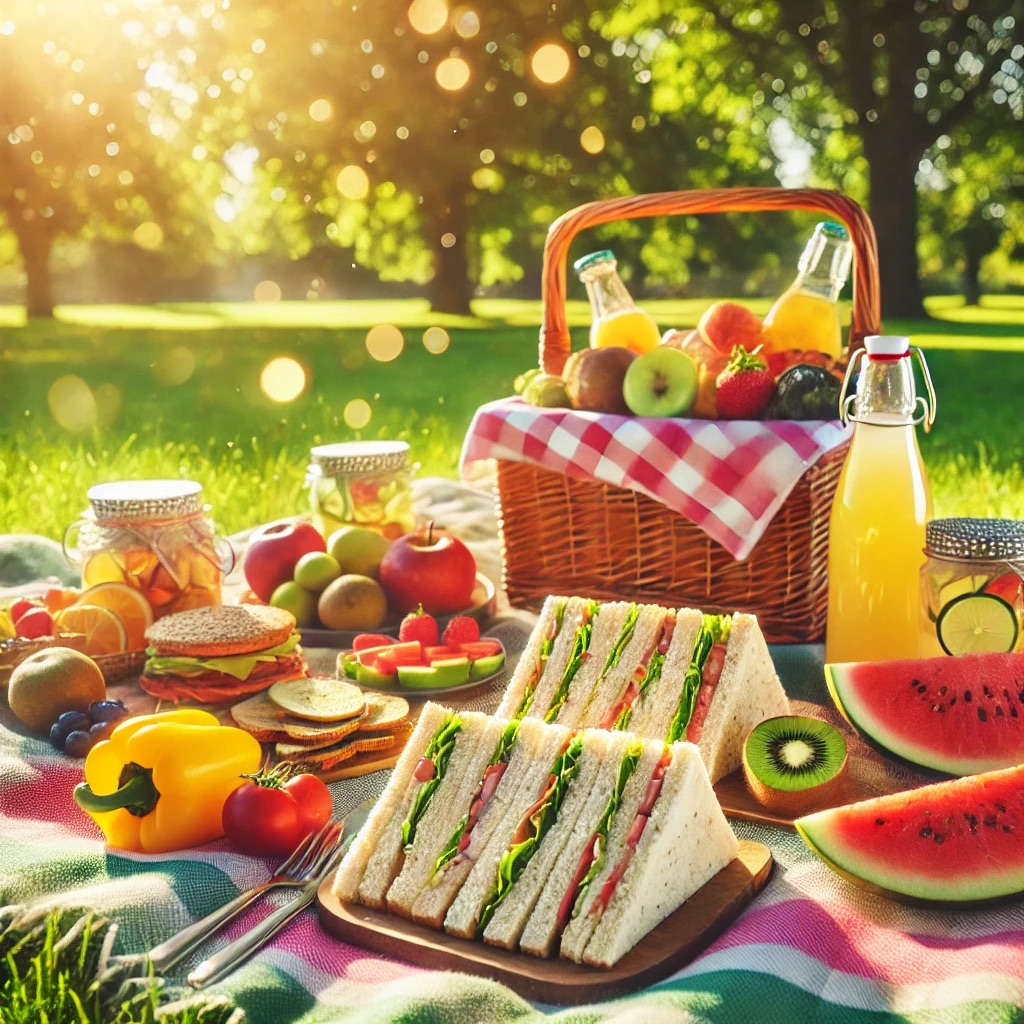
When it comes to dining, the first bite is not always the most important. Often, it’s the first glance that sets the stage for the entire meal experience. The art of plating is a powerful tool that can transform a simple dish into a culinary masterpiece. In this blog post, we will explore various visual techniques that can elevate your meals, making them not just food, but an experience.
The Importance of Plating
Plating is more than just arranging food on a plate; it’s about creating an aesthetic experience that can influence taste perception, enhance enjoyment, and even evoke emotions. Research has shown that the way food is presented affects how we perceive its flavor. A beautifully plated dish can heighten anticipation and satisfaction, making the meal more enjoyable.
1. Understand the Basics of Color Theory
Color is one of the most impactful elements of plating. Different colors can evoke different feelings and reactions. Here are some basic principles to keep in mind:
- Complementary Colors: Pair colors that are opposite each other on the color wheel, such as orange and blue, to create vibrant contrasts.
- Analogous Colors: Use colors that are next to each other, like greens and yellows, for a more harmonious look.
- Accent Colors: Use a pop of color as an accent to draw attention to a specific element on the plate.
For example, a bright red sauce drizzled over a green vegetable can create a striking visual that tempts the diner’s appetite.
2. Consider the Plate Shape and Size
The shape and size of the plate can significantly influence the presentation of food. Here’s how to choose the right plate:
- White Plates: These are a classic choice as they allow the colors of the food to stand out. White plates can make the dish look more refined.
- Colorful Plates: If you want to add a playful touch, colorful plates can enhance the presentation of more neutral dishes.
- Unique Shapes: Experiment with square, oval, or asymmetrical plates to create a modern and artistic presentation.
Remember, the size of the plate should correspond to the portion size. A large plate with a small portion can make the food look lost, while a small plate can make it feel abundant.
3. Use Height and Layering
Creating height in your plating adds dimension and intrigue to the dish. Here are some ways to achieve this:
- Stacking: Layering ingredients can create a focal point. For example, stacking grilled vegetables or proteins adds visual interest.
- Rings and Molds: Use a ring mold to shape ingredients, creating clean lines and height.
- Vertical Elements: Consider incorporating vertical elements like herbs or drizzles to draw the eye upward.
Height not only enhances the visual appeal but can also create a more dynamic eating experience.
4. Pay Attention to Texture
Texture plays a crucial role in the visual impact of a dish. Combining different textures can create a more engaging presentation:
- Contrast Textures: Pair creamy sauces with crunchy toppings or soft proteins with crispy garnishes.
- Layering Textures: Use various cooking techniques to create layers of texture, such as roasted, sautéed, and raw elements.
Visually showcasing these textures can entice diners and prepare them for the experience to come.
5. The Art of Saucing
Sauces can elevate a dish and add a creative touch to the plating. Here are some techniques for saucing:
- Drizzling: Use a spoon or squeeze bottle to drizzle sauce artfully around the plate or over the food.
- Pools: Create a pool of sauce under the main element to add depth and contrast.
- Dots and Swirls: Use small dots or swirls of sauce to create a playful pattern on the plate.
Remember to balance the amount of sauce. Too much can overwhelm the dish, while too little can make it look dry.
6. Garnishing with Purpose
Garnishes should enhance the dish rather than just decorate it. Here’s how to choose effective garnishes:
- Fresh Herbs: A sprinkle of fresh herbs can add a pop of color and a fresh aroma.
- Edible Flowers: These can add elegance and a burst of color, but ensure they are safe to eat.
- Citrus Zest: A sprinkle of citrus zest can provide brightness and visual appeal.
Garnishes should be edible and relevant to the dish, enhancing both flavor and presentation.
7. Embrace Negative Space
Negative space is the area around the food that remains empty. It’s essential for creating balance and letting the food stand out. Here’s how to use negative space effectively:
- Leave Space: Don’t overcrowd the plate. Allow for breathing room around the main components.
- Strategic Placement: Position elements to guide the eye across the plate, creating a visual journey.
Negative space can make a dish look more sophisticated and intentional.
8. Experiment and Personalize
Ultimately, the best plating technique is one that reflects your style. Don’t hesitate to experiment and develop your own plating signature. Here are some tips:
- Practice: Plating is a skill that improves with practice. Try different styles and techniques until you find what works for you.
- Inspiration: Look for inspiration in cookbooks, online platforms, and restaurants. Analyze what you like and incorporate those elements into your plating.
Personalizing your plating style can make your meals feel unique and special.
Conclusion
Plating is an art form that can significantly enhance the dining experience. By incorporating these visual techniques, you can create meals that are not just delicious but also visually stunning. Remember, the goal of plating is to tell a story, evoke emotions, and entice the diner’s appetite. So next time you prepare a meal, take a moment to consider how you can transform it into a work of art. Your guests will not only taste the love and effort put into the dish but will also appreciate the beauty that accompanies it.
Related articles
 Elevate Your Dining Experience
Mastering Food Presentation Techniques
Elevate Your Dining Experience
Mastering Food Presentation Techniques
 10 Essential Plating Techniques to Wow Your Guests
 The Art of Plating
Transforming Simple Dishes into Culinary Masterpieces
The Art of Plating
Transforming Simple Dishes into Culinary Masterpieces
 Color and Texture
Key Elements of Stunning Food Presentation
Color and Texture
Key Elements of Stunning Food Presentation
 Plating 101
Tips and Tricks for Home Chefs
Plating 101
Tips and Tricks for Home Chefs
 From Plate to Palette
How to Create Visual Feast
From Plate to Palette
How to Create Visual Feast
 Minimalism on a Plate
The Beauty of Simple Food Presentation
Minimalism on a Plate
The Beauty of Simple Food Presentation
 Layering Flavors
Creative Plating Techniques for Gourmet Meals
Layering Flavors
Creative Plating Techniques for Gourmet Meals
 The Science of Plating
How Presentation Affects Taste Perception
The Science of Plating
How Presentation Affects Taste Perception
 Artful Arrangements
Mastering the Craft of Food Presentation
Artful Arrangements
Mastering the Craft of Food Presentation
 Plating Techniques Inspired by Michelin-Starred Restaurants
 The Importance of Negative Space in Food Presentation
 How to Use Garnishes for Stunning Food Presentation
 Creating Height in Your Plating
Techniques for Eye-Catching Dishes
Creating Height in Your Plating
Techniques for Eye-Catching Dishes
 The Power of Sauces
Techniques for Drizzling and Dashing
The Power of Sauces
Techniques for Drizzling and Dashing
 Seasonal Ingredients and Their Role in Beautiful Food Presentation
 Cultural Influences in Food Presentation Styles Around the World
 Plating for Special Occasions
Impressing Guests with Style
Plating for Special Occasions
Impressing Guests with Style
 Food Presentation Mistakes to Avoid
Tips for Home Chefs
Food Presentation Mistakes to Avoid
Tips for Home Chefs
 Sustainable Plating
Eco-Friendly Techniques for Food Presentation
Sustainable Plating
Eco-Friendly Techniques for Food Presentation
 The Role of Color Theory in Food Presentation
Making Dishes Pop
The Role of Color Theory in Food Presentation
Making Dishes Pop
 Plating Techniques for Different Cuisines
A Global Perspective
Plating Techniques for Different Cuisines
A Global Perspective
 How to Use Edible Flowers for Elegant Food Presentation
 Creating a Dining Experience
The Art of Plating and Ambiance
Creating a Dining Experience
The Art of Plating and Ambiance
 Serving Up Style
Tableware Choices That Enhance Food Presentation
Serving Up Style
Tableware Choices That Enhance Food Presentation
 Plating Techniques for Desserts
Sweet Presentations That Impress
Plating Techniques for Desserts
Sweet Presentations That Impress
 Harnessing the Power of Contrast in Food Presentation
 Plating Like a Pro
Tips from Renowned Chefs
Plating Like a Pro
Tips from Renowned Chefs
 The Role of Lighting in Food Presentation
How to Set the Mood
The Role of Lighting in Food Presentation
How to Set the Mood
 DIY Food Presentation
Creative Ways to Plate at Home
DIY Food Presentation
Creative Ways to Plate at Home
 Plating Techniques for Buffets
Making a Feast Visually Appealing
Plating Techniques for Buffets
Making a Feast Visually Appealing
 How to Tell a Story Through Your Food Presentation
 The Future of Food Presentation
Trends to Watch
The Future of Food Presentation
Trends to Watch
 Creating a Signature Plating Style
Finding Your Unique Voice
Creating a Signature Plating Style
Finding Your Unique Voice
Food Presentation for Kids
Making Meals Fun and Engaging
The Psychology of Food Presentation
How Looks Can Influence Taste
Plating Techniques for Vegan and Vegetarian Dishes
The Role of Texture in Food Presentation
Crunch, Cream, and More
Plating Techniques for Home Entertaining
Impressing Friends and Family
Artisanal Plating
Incorporating Handmade Elements into Your Presentation
Mastering the Use of Compotes and Coulis in Food Presentation
Plating Techniques for Appetizers
Small Bites, Big Impressions
How to Plate Like a Chef
A Step-by-Step Guide
Food Presentation for the Holidays
Festive Plating Ideas
The Importance of Balance in Food Presentation
A Harmonious Plate
Innovative Plating Techniques for Modern Cuisine
Food Presentation as Art
Exploring Culinary Creativity
The Secrets Behind Instagram-Worthy Food Presentation
Taking Plating to the Next Level
Advanced Techniques for Enthusiasts
Plating with Purpose
Creating Meaningful Culinary Experiences
Categories