The art of cooking
AI CHEF Blog

Food Presentation Essentials: Tools and Techniques for Stunning Plates
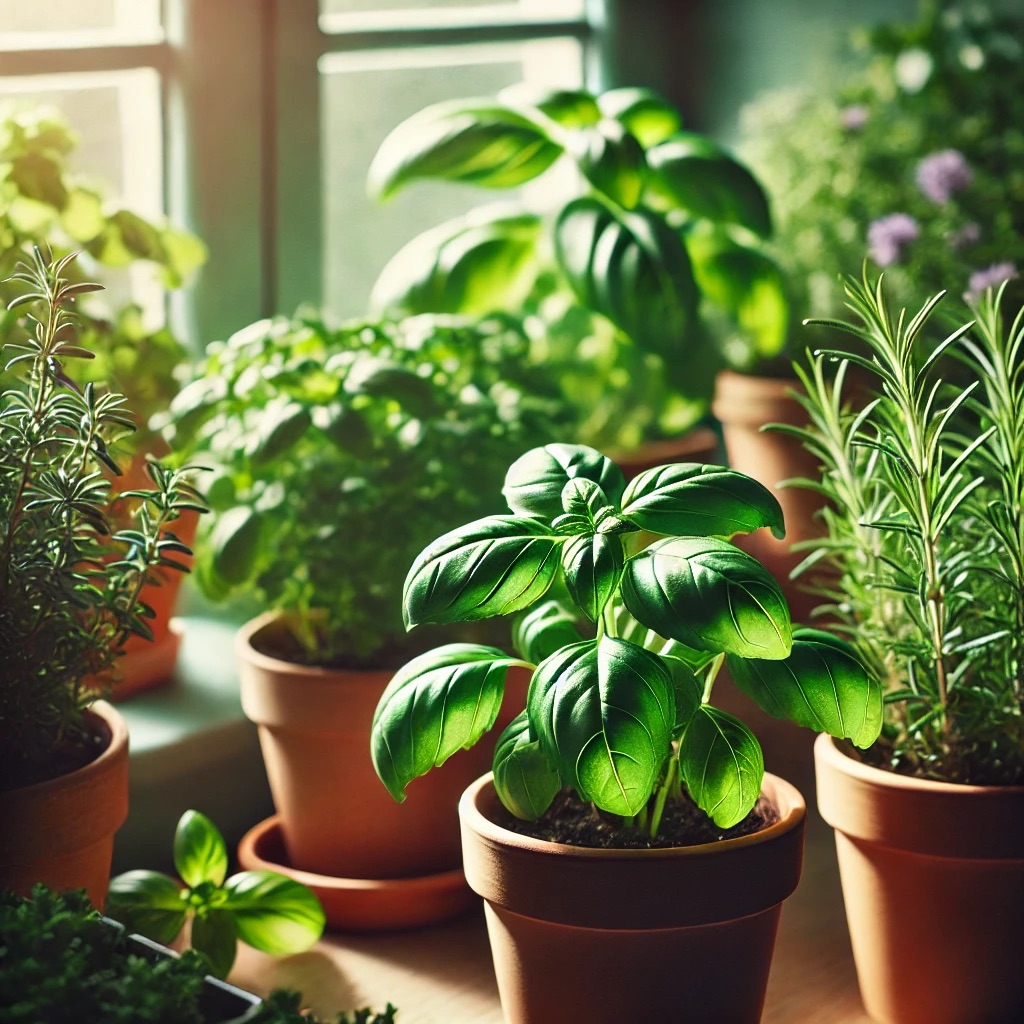
In the culinary world, the way food is presented can be just as important as the taste itself. A beautifully plated dish can elevate a meal from ordinary to extraordinary, capturing the attention and delight of diners. Whether you're a professional chef or a home cook, mastering the art of food presentation is a skill worth developing. In this blog post, we’ll explore essential tools and techniques for creating stunning plates that not only look good but also enhance the overall dining experience.
The Importance of Food Presentation
Food presentation is an art form that has been practiced for centuries. It plays a crucial role in the dining experience, influencing how we perceive flavor and quality. Studies have shown that when food is beautifully presented, it can enhance our enjoyment and satisfaction. Here are a few reasons why food presentation matters:
- Aesthetic Appeal: Visual appeal is the first thing that diners notice. A well-plated dish can create anticipation and excitement.
- Enhanced Flavor Perception: Studies suggest that people tend to find food more flavorful when it is attractively arranged.
- Professionalism: For chefs and restaurants, beautiful presentation reflects skill and attention to detail, which can lead to higher customer satisfaction and repeat business.
Essential Tools for Food Presentation
To create stunning plates, you’ll need the right tools. Here are some essential items to have in your kitchen:
- Plating Tweezers: These allow for precision when placing delicate ingredients on the plate.
- Offset Spatula: Perfect for spreading sauces or purees evenly across the plate.
- Squeeze Bottles: Ideal for creating decorative sauces or drizzles.
- Ring Molds: Useful for shaping ingredients into neat stacks or layers.
- Microplane: Great for garnishing with citrus zest or hard cheeses.
- Food Brushes: Perfect for applying glazes or oils to enhance shine and flavor.
- Sharp Knives: Essential for precision cutting of vegetables, fruits, and proteins.
- Colorful Garnishes: Fresh herbs, edible flowers, and microgreens can add color and freshness to any dish.
Techniques for Stunning Food Presentation
Now that you have the tools, let’s dive into some techniques that can help you elevate your food presentation skills:
1. Mindful Plating
Start with a clean slate—literally. Choose the right plate for your dish, considering size, color, and shape. A white plate often works best, as it allows the colors of the food to pop. When plating, think about balance, symmetry, and negative space. Arrange your components thoughtfully, leaving some areas of the plate empty to create visual interest.
2. Layering and Stacking
Use height to your advantage by stacking or layering ingredients. This technique adds dimension and intrigue to the plate. For instance, you can stack grilled vegetables with a protein or layer different components of a salad. Just be cautious not to overload the stack; it should be visually appealing and stable.
3. Saucing Techniques
Sauces can be a game-changer in food presentation. Instead of simply pouring sauce over a dish, consider these techniques:
- Swoosh: Use the back of a spoon to create a swoosh of sauce on the plate.
- Drizzle: Use a squeeze bottle to create fine lines or dots of sauce.
- Pooling: Create a small pool of sauce in the center of the plate and place the main component on top.
4. Garnishing with Purpose
Garnishes should enhance the dish, not overwhelm it. Use edible flowers, herbs, or microgreens to add color and freshness. When garnishing, consider the flavors and textures of the dish. For example, a sprinkle of fresh herbs can complement a rich dish, while a slice of lemon can brighten up a seafood plate.
5. Color Contrast
Utilizing contrasting colors can make your dish visually striking. Pair bright vegetables with muted proteins, or use colorful sauces to enhance the overall appearance. A pop of color can draw attention and make the dish more appealing.
6. Textural Variety
Incorporate different textures to create interest on the plate. Combine creamy, crunchy, and crispy elements to engage the senses. For example, pair a smooth puree with roasted vegetables and a crunchy garnish to provide a delightful contrast.
7. The Art of Simplicity
Sometimes, less is more. A simple, well-executed plate can be more impactful than a cluttered one. Focus on a few key components and let them shine. Use negative space effectively to create a clean and elegant presentation.
Practical Tips for Home Cooks
For home cooks looking to elevate their food presentation skills, here are some practical tips:
- Practice: Like any skill, food presentation improves with practice. Experiment with different plating styles and techniques.
- Watch Cooking Shows: Observe professional chefs and their plating methods. Take notes and try to replicate their techniques.
- Invest in Good Dinnerware: Quality plates and serving dishes can make a significant difference in presentation.
- Get Feedback: Share your plated dishes with friends and family for constructive criticism.
Conclusion
Food presentation is a vital aspect of the culinary arts that can transform a meal into an experience. By incorporating the right tools and techniques, you can create stunning plates that captivate and delight your diners. Remember, the goal of food presentation is to enhance the overall dining experience, so let your creativity shine while keeping the focus on flavor and quality. Happy plating!
Related articles
 Elevate Your Dining Experience
Mastering Food Presentation Techniques
Elevate Your Dining Experience
Mastering Food Presentation Techniques
 10 Essential Plating Techniques to Wow Your Guests
 The Art of Plating
Transforming Simple Dishes into Culinary Masterpieces
The Art of Plating
Transforming Simple Dishes into Culinary Masterpieces
 Color and Texture
Key Elements of Stunning Food Presentation
Color and Texture
Key Elements of Stunning Food Presentation
 Plating 101
Tips and Tricks for Home Chefs
Plating 101
Tips and Tricks for Home Chefs
 From Plate to Palette
How to Create Visual Feast
From Plate to Palette
How to Create Visual Feast
 Minimalism on a Plate
The Beauty of Simple Food Presentation
Minimalism on a Plate
The Beauty of Simple Food Presentation
 Layering Flavors
Creative Plating Techniques for Gourmet Meals
Layering Flavors
Creative Plating Techniques for Gourmet Meals
 The Science of Plating
How Presentation Affects Taste Perception
The Science of Plating
How Presentation Affects Taste Perception
 Artful Arrangements
Mastering the Craft of Food Presentation
Artful Arrangements
Mastering the Craft of Food Presentation
 Plating Techniques Inspired by Michelin-Starred Restaurants
 The Importance of Negative Space in Food Presentation
 How to Use Garnishes for Stunning Food Presentation
 Creating Height in Your Plating
Techniques for Eye-Catching Dishes
Creating Height in Your Plating
Techniques for Eye-Catching Dishes
 The Power of Sauces
Techniques for Drizzling and Dashing
The Power of Sauces
Techniques for Drizzling and Dashing
 Seasonal Ingredients and Their Role in Beautiful Food Presentation
 Cultural Influences in Food Presentation Styles Around the World
 Plating for Special Occasions
Impressing Guests with Style
Plating for Special Occasions
Impressing Guests with Style
 Food Presentation Mistakes to Avoid
Tips for Home Chefs
Food Presentation Mistakes to Avoid
Tips for Home Chefs
 Sustainable Plating
Eco-Friendly Techniques for Food Presentation
Sustainable Plating
Eco-Friendly Techniques for Food Presentation
 The Role of Color Theory in Food Presentation
Making Dishes Pop
The Role of Color Theory in Food Presentation
Making Dishes Pop
 Plating Techniques for Different Cuisines
A Global Perspective
Plating Techniques for Different Cuisines
A Global Perspective
 How to Use Edible Flowers for Elegant Food Presentation
 Creating a Dining Experience
The Art of Plating and Ambiance
Creating a Dining Experience
The Art of Plating and Ambiance
 Serving Up Style
Tableware Choices That Enhance Food Presentation
Serving Up Style
Tableware Choices That Enhance Food Presentation
 Plating Techniques for Desserts
Sweet Presentations That Impress
Plating Techniques for Desserts
Sweet Presentations That Impress
 Harnessing the Power of Contrast in Food Presentation
 Plating Like a Pro
Tips from Renowned Chefs
Plating Like a Pro
Tips from Renowned Chefs
 The Role of Lighting in Food Presentation
How to Set the Mood
The Role of Lighting in Food Presentation
How to Set the Mood
 DIY Food Presentation
Creative Ways to Plate at Home
DIY Food Presentation
Creative Ways to Plate at Home
 Plating Techniques for Buffets
Making a Feast Visually Appealing
Plating Techniques for Buffets
Making a Feast Visually Appealing
 How to Tell a Story Through Your Food Presentation
 The Future of Food Presentation
Trends to Watch
The Future of Food Presentation
Trends to Watch
 Creating a Signature Plating Style
Finding Your Unique Voice
Creating a Signature Plating Style
Finding Your Unique Voice
Food Presentation for Kids
Making Meals Fun and Engaging
The Psychology of Food Presentation
How Looks Can Influence Taste
Plating Techniques for Vegan and Vegetarian Dishes
The Role of Texture in Food Presentation
Crunch, Cream, and More
Plating Techniques for Home Entertaining
Impressing Friends and Family
Artisanal Plating
Incorporating Handmade Elements into Your Presentation
Mastering the Use of Compotes and Coulis in Food Presentation
Plating Techniques for Appetizers
Small Bites, Big Impressions
How to Plate Like a Chef
A Step-by-Step Guide
Food Presentation for the Holidays
Festive Plating Ideas
The Importance of Balance in Food Presentation
A Harmonious Plate
Innovative Plating Techniques for Modern Cuisine
Food Presentation as Art
Exploring Culinary Creativity
The Secrets Behind Instagram-Worthy Food Presentation
Taking Plating to the Next Level
Advanced Techniques for Enthusiasts
Plating with Purpose
Creating Meaningful Culinary Experiences
Categories