The art of cooking
AI CHEF Blog

The Psychology of Plating: How Presentation Affects Perception
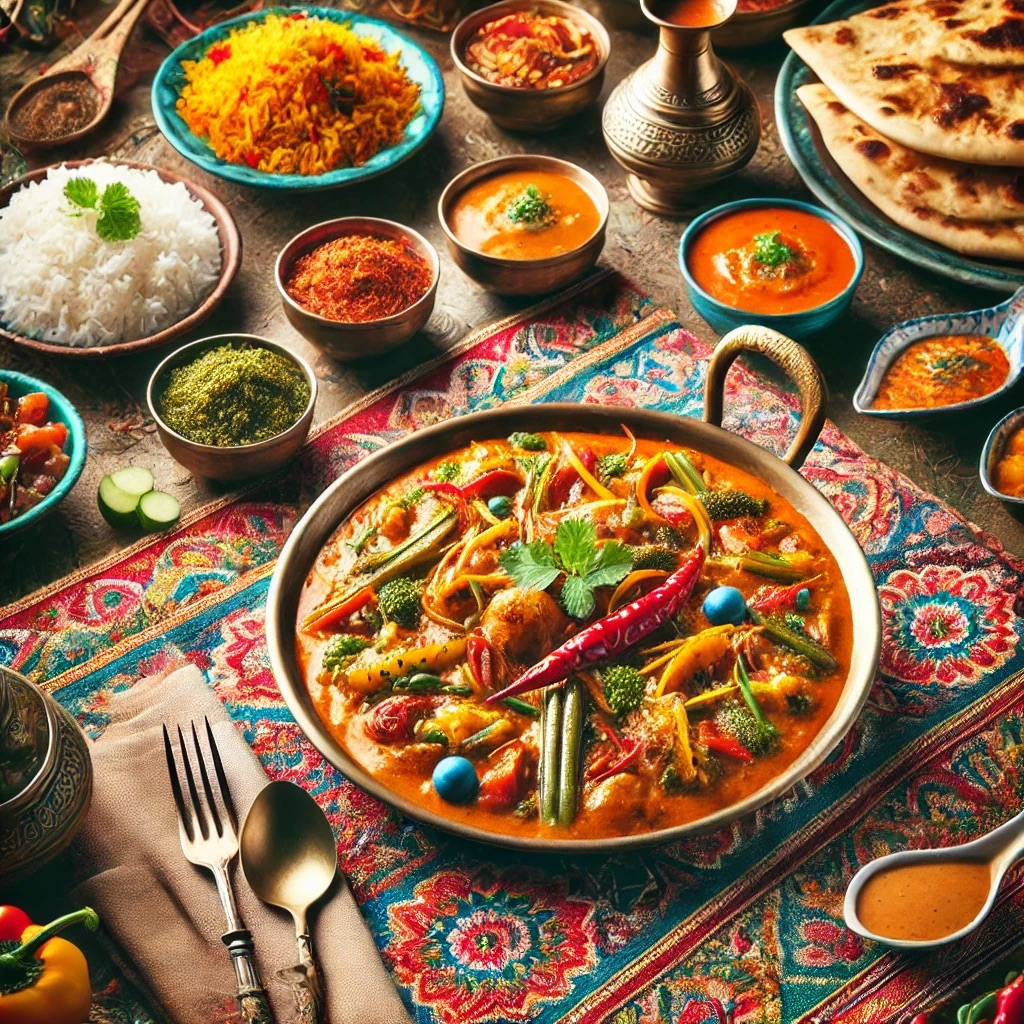
When it comes to food, we often hear the saying, "We eat with our eyes first." This age-old adage highlights the crucial role that presentation plays in our dining experience. The psychology of plating delves into how the way food is arranged and presented influences our perception, enjoyment, and overall satisfaction. In this blog post, we will explore the various aspects of food presentation and how they affect our sensory experience.
The Importance of First Impressions
First impressions are incredibly powerful, and this holds true in the culinary world. The moment a dish is placed before us, our brains begin processing its visual elements before we even take a bite. Colors, shapes, and arrangement can evoke emotions and set the tone for the meal. For instance, a vibrant plate of fresh vegetables can stimulate feelings of health and vitality, while a dark, rich dessert may evoke a sense of indulgence and comfort.
The Role of Color
Color plays a significant role in how we perceive food. Research has shown that different colors can evoke different emotions and associations. For example, red is often associated with excitement and appetite, while blue can suppress hunger. Chefs and food stylists often use complementary colors to create visually appealing dishes that excite the palate. A dish that includes a variety of colors, such as a colorful salad or a vibrant fruit tart, not only looks appealing but also suggests a range of flavors and textures.
Shapes and Textures
The shapes and textures of food can also influence perception. Round shapes are often associated with softness and comfort, while angular shapes can evoke a sense of sophistication and modernity. Textures, such as a crispy topping on a creamy dish or a smooth sauce drizzled over a chunky entrée, can create a dynamic eating experience. The interplay of different shapes and textures can enhance the visual appeal of a dish, making it more enticing.
The Power of Negative Space
In plating, negative space refers to the empty areas on a plate. It is essential to consider negative space when presenting a dish. A well-designed plate should have a balance of food and empty space, allowing the eye to rest and appreciate the arrangement. Too much food can create a chaotic appearance, while too little can leave the plate looking sparse. The right amount of negative space can enhance the overall presentation, making the dish look more refined and intentional.
The Influence of Plate Choice
The type of plate used can also affect perception. A white plate can create a clean canvas that allows the colors of the food to shine, while a dark plate can add drama and contrast. Unconventional plate shapes can create a sense of curiosity and intrigue. The choice of plate should complement the dish, enhancing its visual appeal without overwhelming it. This is why many restaurants invest time in selecting the perfect tableware to elevate their food presentation.
Emotional Connections
Food presentation is not just about aesthetics; it also creates emotional connections. Dishes that are beautifully plated can evoke memories and feelings tied to special occasions or cultural traditions. For example, a carefully arranged plate of sushi can transport one back to a memorable meal in Japan, while a meticulously crafted dessert might remind someone of a family gathering. These emotional connections enhance the overall experience and make the meal more memorable.
The Science Behind Taste Perception
Interestingly, the way food is presented can even influence our perception of taste. Studies have shown that people perceive food to taste better when it is aesthetically pleasing. The brain associates visual appeal with quality, leading to heightened expectations for flavor. This phenomenon is known as the "Halo Effect," where the overall impression of a dish influences our judgment of its specific qualities. Therefore, a well-presented dish may lead diners to believe it tastes better than a poorly presented one, regardless of the actual flavor.
Plating Techniques
Chefs utilize various plating techniques to create visually stunning dishes. Here are a few popular techniques:
- Stacking: Layering ingredients vertically can create height and dimension, making the dish visually interesting.
- Drizzling: Using sauces or purees to drizzle artfully on the plate adds color and sophistication.
- Garnishing: Fresh herbs, edible flowers, or microgreens can enhance both flavor and presentation.
- Using Height: Building a dish with height can create drama and intrigue, drawing the diner's eye.
- Asymmetry: Breaking the traditional symmetry can create a more dynamic and modern look.
The Role of Cultural Influences
Cultural influences play a significant role in food presentation. Different cultures have unique aesthetics and traditions when it comes to plating. For instance, Japanese cuisine often emphasizes simplicity and balance, with a focus on seasonal ingredients. On the other hand, Western cuisine may lean towards more extravagant presentations. Understanding these cultural nuances can enhance the dining experience and provide insight into the dish’s origins.
Practical Tips for Home Cooks
For those looking to elevate their home cooking, here are some practical tips for improving food presentation:
- Invest in Quality Plates: Choose a few versatile plates that enhance the appearance of your dishes.
- Plan Your Colors: Think about the colors of the ingredients you are using and how they will contrast on the plate.
- Use Fresh Herbs: A sprinkle of fresh herbs can add color and freshness to any dish.
- Practice Plating: Take your time when plating, experimenting with different arrangements and techniques.
- Serve at the Right Temperature: Ensure your food is served at the appropriate temperature to enhance its visual appeal and taste.
Conclusion
The psychology of plating is a fascinating intersection of art and science. The way food is presented can profoundly influence our perception, enjoyment, and emotional connection to a meal. By understanding the various elements that contribute to food presentation, chefs and home cooks alike can create visually stunning dishes that tantalize the senses and elevate the dining experience. So next time you sit down to a meal, take a moment to appreciate the artistry on your plate—it may just enhance your enjoyment of the food itself.
Related articles
 Elevate Your Dining Experience
Mastering Food Presentation Techniques
Elevate Your Dining Experience
Mastering Food Presentation Techniques
 10 Essential Plating Techniques to Wow Your Guests
 The Art of Plating
Transforming Simple Dishes into Culinary Masterpieces
The Art of Plating
Transforming Simple Dishes into Culinary Masterpieces
 Color and Texture
Key Elements of Stunning Food Presentation
Color and Texture
Key Elements of Stunning Food Presentation
 Plating 101
Tips and Tricks for Home Chefs
Plating 101
Tips and Tricks for Home Chefs
 From Plate to Palette
How to Create Visual Feast
From Plate to Palette
How to Create Visual Feast
 Minimalism on a Plate
The Beauty of Simple Food Presentation
Minimalism on a Plate
The Beauty of Simple Food Presentation
 Layering Flavors
Creative Plating Techniques for Gourmet Meals
Layering Flavors
Creative Plating Techniques for Gourmet Meals
 The Science of Plating
How Presentation Affects Taste Perception
The Science of Plating
How Presentation Affects Taste Perception
 Artful Arrangements
Mastering the Craft of Food Presentation
Artful Arrangements
Mastering the Craft of Food Presentation
 Plating Techniques Inspired by Michelin-Starred Restaurants
 The Importance of Negative Space in Food Presentation
 How to Use Garnishes for Stunning Food Presentation
 Creating Height in Your Plating
Techniques for Eye-Catching Dishes
Creating Height in Your Plating
Techniques for Eye-Catching Dishes
 The Power of Sauces
Techniques for Drizzling and Dashing
The Power of Sauces
Techniques for Drizzling and Dashing
 Seasonal Ingredients and Their Role in Beautiful Food Presentation
 Cultural Influences in Food Presentation Styles Around the World
 Plating for Special Occasions
Impressing Guests with Style
Plating for Special Occasions
Impressing Guests with Style
 Food Presentation Mistakes to Avoid
Tips for Home Chefs
Food Presentation Mistakes to Avoid
Tips for Home Chefs
 Sustainable Plating
Eco-Friendly Techniques for Food Presentation
Sustainable Plating
Eco-Friendly Techniques for Food Presentation
 The Role of Color Theory in Food Presentation
Making Dishes Pop
The Role of Color Theory in Food Presentation
Making Dishes Pop
 Plating Techniques for Different Cuisines
A Global Perspective
Plating Techniques for Different Cuisines
A Global Perspective
 How to Use Edible Flowers for Elegant Food Presentation
 Creating a Dining Experience
The Art of Plating and Ambiance
Creating a Dining Experience
The Art of Plating and Ambiance
 Serving Up Style
Tableware Choices That Enhance Food Presentation
Serving Up Style
Tableware Choices That Enhance Food Presentation
 Plating Techniques for Desserts
Sweet Presentations That Impress
Plating Techniques for Desserts
Sweet Presentations That Impress
 Harnessing the Power of Contrast in Food Presentation
 Plating Like a Pro
Tips from Renowned Chefs
Plating Like a Pro
Tips from Renowned Chefs
 The Role of Lighting in Food Presentation
How to Set the Mood
The Role of Lighting in Food Presentation
How to Set the Mood
 DIY Food Presentation
Creative Ways to Plate at Home
DIY Food Presentation
Creative Ways to Plate at Home
 Plating Techniques for Buffets
Making a Feast Visually Appealing
Plating Techniques for Buffets
Making a Feast Visually Appealing
 How to Tell a Story Through Your Food Presentation
 The Future of Food Presentation
Trends to Watch
The Future of Food Presentation
Trends to Watch
 Creating a Signature Plating Style
Finding Your Unique Voice
Creating a Signature Plating Style
Finding Your Unique Voice
Food Presentation for Kids
Making Meals Fun and Engaging
The Psychology of Food Presentation
How Looks Can Influence Taste
Plating Techniques for Vegan and Vegetarian Dishes
The Role of Texture in Food Presentation
Crunch, Cream, and More
Plating Techniques for Home Entertaining
Impressing Friends and Family
Artisanal Plating
Incorporating Handmade Elements into Your Presentation
Mastering the Use of Compotes and Coulis in Food Presentation
Plating Techniques for Appetizers
Small Bites, Big Impressions
How to Plate Like a Chef
A Step-by-Step Guide
Food Presentation for the Holidays
Festive Plating Ideas
The Importance of Balance in Food Presentation
A Harmonious Plate
Innovative Plating Techniques for Modern Cuisine
Food Presentation as Art
Exploring Culinary Creativity
The Secrets Behind Instagram-Worthy Food Presentation
Taking Plating to the Next Level
Advanced Techniques for Enthusiasts
Plating with Purpose
Creating Meaningful Culinary Experiences
Categories