The art of cooking
AI CHEF Blog

Culinary Art: How to Plate Food Like a Michelin-Star Chef
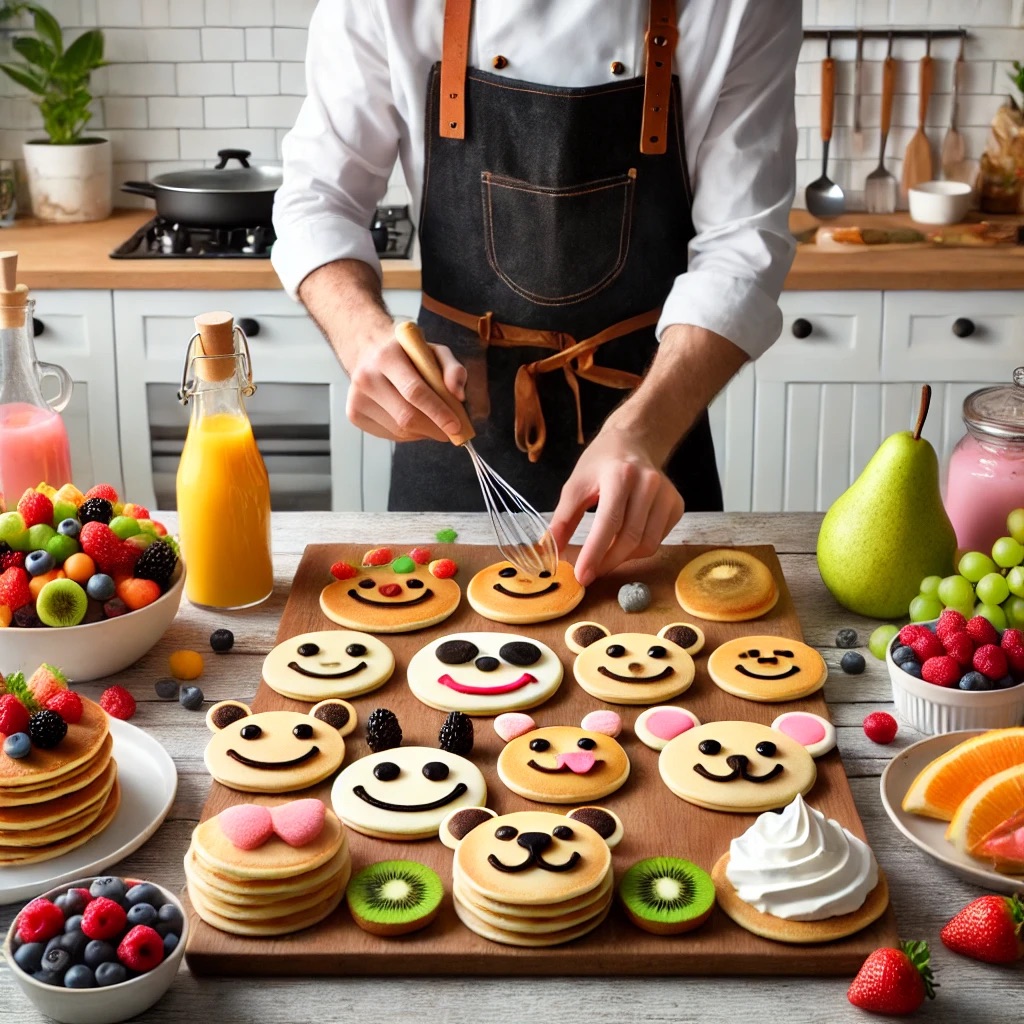
When we think of Michelin-starred restaurants, the first thing that often comes to mind is not just the exquisite flavors of the dishes, but also the stunning visuals that accompany them. The art of plating is an essential skill that can elevate a simple dish into a work of art, captivating diners even before they take their first bite. In this blog post, we will explore the techniques and principles that Michelin-star chefs use to plate their food beautifully and creatively.
The Importance of Plating
Plating is more than just a way to serve food; it is an integral part of the dining experience. The presentation of a dish can influence our perception of flavor, texture, and even the quality of the ingredients. A well-plated dish enhances the overall experience and makes the food more appealing. Here are some reasons why plating is crucial:
- First Impressions: The visual appeal of a dish creates an immediate impression on diners. A beautifully plated dish can stimulate appetite and curiosity.
- Highlighting Ingredients: Plating allows chefs to showcase the quality and freshness of the ingredients used, making them the star of the dish.
- Creating a Story: Thoughtful plating can tell a story about the dish, its origin, and the chef's intent, making the dining experience more immersive.
Key Principles of Plating
To plate food like a Michelin-star chef, there are several key principles to keep in mind:
1. Balance
Balance in plating refers to the distribution of elements on the plate. This includes the arrangement of colors, shapes, and sizes. A well-balanced plate will have a harmonious composition that is visually pleasing. Consider using odd numbers of elements, as they tend to be more dynamic and interesting to the eye.
2. Contrast
Contrast adds depth and interest to a dish. Use contrasting colors, textures, and temperatures to create visual excitement. For example, pairing a smooth puree with crispy elements can create a delightful contrast that enhances the overall experience.
3. Focal Point
Every dish should have a focal point that draws the diner’s attention. This could be the protein, a vibrant sauce, or a unique garnish. Ensure that the focal point is positioned strategically on the plate to guide the viewer's eye.
4. Height
Height adds dimension to a plate and can make a dish appear more sophisticated. Consider stacking ingredients or using a ring mold to create layers. However, be cautious not to compromise stability, as a toppled plate is unappetizing.
5. Negative Space
Negative space refers to the empty areas on the plate. Leaving some space unfilled can make the dish feel more refined and allows the main components to stand out. It helps to avoid overcrowding, which can detract from the presentation.
Essential Tools for Plating
Having the right tools can make a significant difference in your plating presentation. Here are some essential tools used by professional chefs:
- Plating Spoons: These are specially designed spoons that help create precise shapes and designs with sauces and purees.
- Tweezers: Perfect for placing delicate garnishes with precision, ensuring that your dish looks immaculate.
- Rings and Molds: These tools help shape ingredients and create height on the plate, making your presentation more sophisticated.
- Scrapers and Palette Knives: Use these for smoothing out sauces or for creating clean edges on your plates.
Plating Techniques to Try
Now that we understand the principles and tools, let’s explore some plating techniques that you can try at home:
1. The Dot Technique
Using a sauce or puree, create small dots on one side of the plate. This technique adds a modern touch and can help guide the eye to the focal point of the dish.
2. The Smear Technique
Using the back of a spoon or a palette knife, smear a sauce across the plate. This adds a dynamic element and can create a beautiful backdrop for your main components.
3. The Stack Technique
Stack ingredients vertically to create height. This is particularly effective with ingredients that complement each other, such as vegetables and proteins.
4. The Layer Technique
Use ring molds to layer ingredients, creating a visually appealing structure. This technique works well for salads, grains, or layered desserts.
Final Touches
Once you have plated your dish, it’s essential to add the final touches to ensure it looks polished:
- Clean the Plate: Use a clean cloth or paper towel to wipe any smudges or spills on the rim of the plate.
- Garnish Wisely: Use fresh herbs, edible flowers, or microgreens for garnish, but be mindful not to overpower the dish.
- Temperature: Ensure that hot dishes are served hot, and cold dishes are served cold to maintain the integrity of the presentation.
Practice Makes Perfect
Plating is a skill that requires practice and experimentation. Don’t be afraid to try new techniques, colors, and arrangements. Take inspiration from your favorite restaurants and chefs, and consider how you can incorporate their styles into your own plating.
Conclusion
Plating food like a Michelin-star chef is an art that combines creativity, technique, and attention to detail. By understanding the principles of balance, contrast, and focal points, along with practicing essential techniques and using the right tools, you can elevate your culinary creations to new heights. Remember, the goal is to create a dish that not only tastes incredible but also looks stunning on the plate. Happy plating!
Related articles
 Elevate Your Dining Experience
Mastering Food Presentation Techniques
Elevate Your Dining Experience
Mastering Food Presentation Techniques
 10 Essential Plating Techniques to Wow Your Guests
 The Art of Plating
Transforming Simple Dishes into Culinary Masterpieces
The Art of Plating
Transforming Simple Dishes into Culinary Masterpieces
 Color and Texture
Key Elements of Stunning Food Presentation
Color and Texture
Key Elements of Stunning Food Presentation
 Plating 101
Tips and Tricks for Home Chefs
Plating 101
Tips and Tricks for Home Chefs
 From Plate to Palette
How to Create Visual Feast
From Plate to Palette
How to Create Visual Feast
 Minimalism on a Plate
The Beauty of Simple Food Presentation
Minimalism on a Plate
The Beauty of Simple Food Presentation
 Layering Flavors
Creative Plating Techniques for Gourmet Meals
Layering Flavors
Creative Plating Techniques for Gourmet Meals
 The Science of Plating
How Presentation Affects Taste Perception
The Science of Plating
How Presentation Affects Taste Perception
 Artful Arrangements
Mastering the Craft of Food Presentation
Artful Arrangements
Mastering the Craft of Food Presentation
 Plating Techniques Inspired by Michelin-Starred Restaurants
 The Importance of Negative Space in Food Presentation
 How to Use Garnishes for Stunning Food Presentation
 Creating Height in Your Plating
Techniques for Eye-Catching Dishes
Creating Height in Your Plating
Techniques for Eye-Catching Dishes
 The Power of Sauces
Techniques for Drizzling and Dashing
The Power of Sauces
Techniques for Drizzling and Dashing
 Seasonal Ingredients and Their Role in Beautiful Food Presentation
 Cultural Influences in Food Presentation Styles Around the World
 Plating for Special Occasions
Impressing Guests with Style
Plating for Special Occasions
Impressing Guests with Style
 Food Presentation Mistakes to Avoid
Tips for Home Chefs
Food Presentation Mistakes to Avoid
Tips for Home Chefs
 Sustainable Plating
Eco-Friendly Techniques for Food Presentation
Sustainable Plating
Eco-Friendly Techniques for Food Presentation
 The Role of Color Theory in Food Presentation
Making Dishes Pop
The Role of Color Theory in Food Presentation
Making Dishes Pop
 Plating Techniques for Different Cuisines
A Global Perspective
Plating Techniques for Different Cuisines
A Global Perspective
 How to Use Edible Flowers for Elegant Food Presentation
 Creating a Dining Experience
The Art of Plating and Ambiance
Creating a Dining Experience
The Art of Plating and Ambiance
 Serving Up Style
Tableware Choices That Enhance Food Presentation
Serving Up Style
Tableware Choices That Enhance Food Presentation
 Plating Techniques for Desserts
Sweet Presentations That Impress
Plating Techniques for Desserts
Sweet Presentations That Impress
 Harnessing the Power of Contrast in Food Presentation
 Plating Like a Pro
Tips from Renowned Chefs
Plating Like a Pro
Tips from Renowned Chefs
 The Role of Lighting in Food Presentation
How to Set the Mood
The Role of Lighting in Food Presentation
How to Set the Mood
 DIY Food Presentation
Creative Ways to Plate at Home
DIY Food Presentation
Creative Ways to Plate at Home
 Plating Techniques for Buffets
Making a Feast Visually Appealing
Plating Techniques for Buffets
Making a Feast Visually Appealing
 How to Tell a Story Through Your Food Presentation
 The Future of Food Presentation
Trends to Watch
The Future of Food Presentation
Trends to Watch
 Creating a Signature Plating Style
Finding Your Unique Voice
Creating a Signature Plating Style
Finding Your Unique Voice
Food Presentation for Kids
Making Meals Fun and Engaging
The Psychology of Food Presentation
How Looks Can Influence Taste
Plating Techniques for Vegan and Vegetarian Dishes
The Role of Texture in Food Presentation
Crunch, Cream, and More
Plating Techniques for Home Entertaining
Impressing Friends and Family
Artisanal Plating
Incorporating Handmade Elements into Your Presentation
Mastering the Use of Compotes and Coulis in Food Presentation
Plating Techniques for Appetizers
Small Bites, Big Impressions
How to Plate Like a Chef
A Step-by-Step Guide
Food Presentation for the Holidays
Festive Plating Ideas
The Importance of Balance in Food Presentation
A Harmonious Plate
Innovative Plating Techniques for Modern Cuisine
Food Presentation as Art
Exploring Culinary Creativity
The Secrets Behind Instagram-Worthy Food Presentation
Taking Plating to the Next Level
Advanced Techniques for Enthusiasts
Plating with Purpose
Creating Meaningful Culinary Experiences
Categories