The art of cooking
AI CHEF Blog

Plating for a Party: Make Your Dishes Stand Out
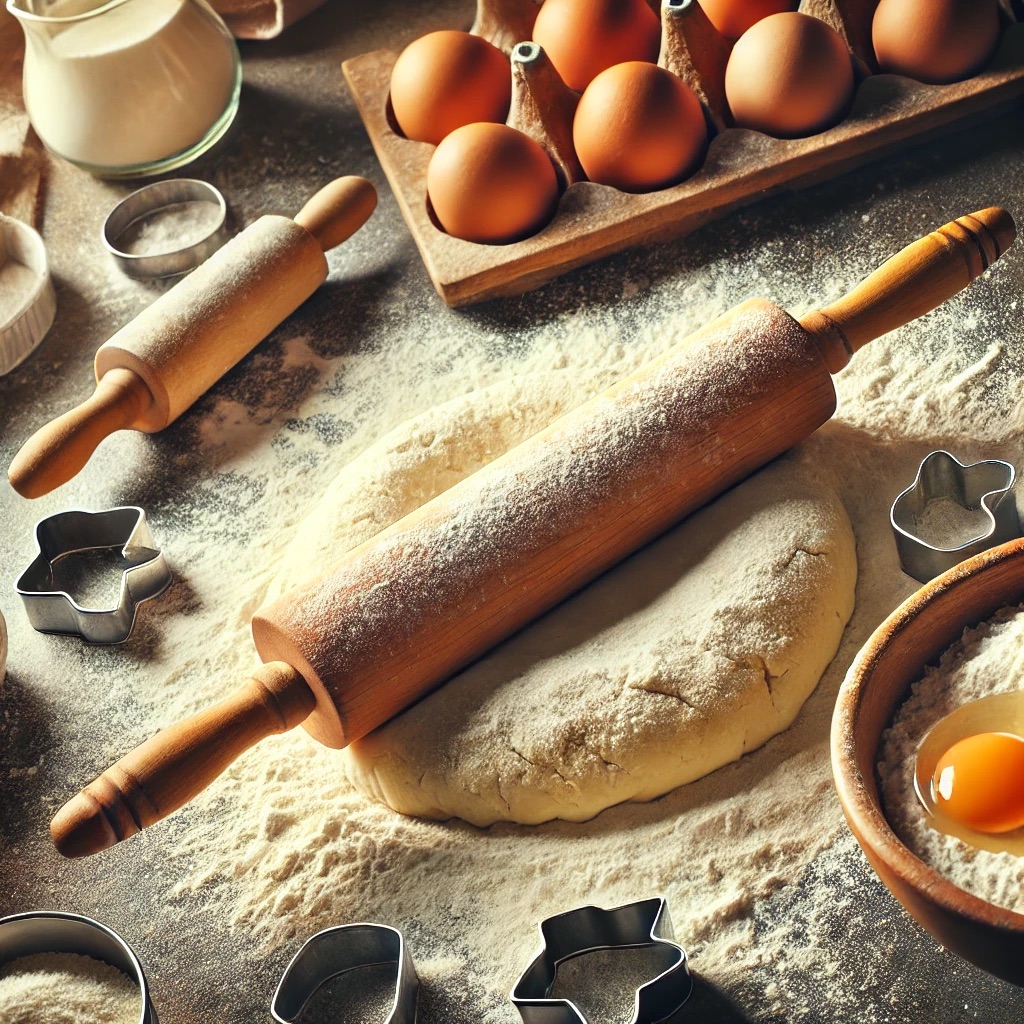
When hosting a party, the presentation of your food can be just as important as the taste. Plating is an art that can elevate your dishes from ordinary to extraordinary, creating memorable dining experiences for your guests. In this blog post, we will explore various plating techniques, tips, and ideas that will make your dishes stand out at your next gathering.
The Importance of Plating
First impressions matter, especially when it comes to food. A beautifully plated dish can entice your guests, sparking their interest and heightening their appetite. Plating is not just about aesthetics; it also involves the balance of flavors, textures, and colors that can evoke emotions and enhance the overall dining experience.
Tips for Beautiful Plating
Here are some essential tips to help you create stunning plates that your guests will admire:
1. Choose the Right Plate
The choice of plate can dramatically affect the presentation of your dish. White plates are a popular choice as they provide a clean backdrop that allows the colors of the food to pop. However, don’t be afraid to experiment with colored or patterned dishes that complement your meal. Ensure the size of the plate is appropriate for the portion; too large can make the food look sparse, while too small can make it feel cramped.
2. Focus on Color
Color plays a significant role in food presentation. Aim for a variety of colors on the plate to create a vibrant and inviting look. Consider using fresh herbs, edible flowers, or colorful garnishes to add visual interest. Remember that contrasting colors can make your dish more appealing; for instance, pairing deep green vegetables with bright orange or red elements can create a striking presentation.
3. Utilize Height and Layering
Creating height on the plate can give your dishes a more dynamic appearance. Stack ingredients or use ring molds to layer components creatively. For example, a stack of grilled vegetables or a tower of shrimp can draw the eye upward and add dimension to your plate. Just be sure to balance the height with stability to prevent any mishaps during serving.
4. Pay Attention to Texture
Texture is essential in both taste and presentation. Incorporate a variety of textures in your dish—crispy, creamy, crunchy—to engage the senses. Use garnishes like crushed nuts, microgreens, or crispy shallots to provide contrast and enhance the visual appeal. When plating, consider how the elements interact with each other; a well-placed garnish can elevate the overall look.
5. The Rule of Thirds
This principle applies not only to photography but also to plating. Imagine your plate divided into thirds and aim to place your main components along these lines. This creates a more balanced and visually pleasing arrangement. Keep in mind that negative space is also important; don’t overcrowd the plate as it can lead to a chaotic appearance.
6. Use Sauces and Purees Wisely
Drizzling or swooshing sauces on the plate can add a professional touch. Use a squeeze bottle or a spoon to create artistic designs with sauces or purees. Be mindful of the amount; too much sauce can overwhelm the dish, while just the right amount can enhance it. Consider the colors and flavors of your sauces, ensuring they complement the main components of the dish.
Creative Plating Ideas for Your Party
Now that you have some tips, let’s explore specific plating ideas that will impress your guests:
1. Charcuterie Boards
Charcuterie boards are a party favorite, and their presentation can be a showstopper. Arrange a variety of meats, cheeses, fruits, nuts, and spreads in an aesthetically pleasing manner. Use different heights by stacking cheeses or creating mounds of nuts. Add small bowls for dips or spreads, and don’t forget to include garnishes like fresh herbs for a pop of color.
2. Layered Salads
Layering salads in a clear glass or jar can create a stunning visual effect. Start with the heaviest ingredients at the bottom, like grains or beans, followed by proteins, vegetables, and greens. Top with a colorful dressing or vinaigrette just before serving to maintain freshness. This method not only looks good but also allows guests to see the beautiful components of the salad.
3. Individual Portions
Serving individual portions adds a touch of elegance to your party. Whether it’s mini desserts, soups in shot glasses, or small servings of pasta, individual servings allow for easy plating and create a more intimate dining experience. Use unique containers, like mason jars or small bowls, to enhance the presentation.
4. Themed Dishes
If your party has a theme, let that inspire your plating. For a tropical theme, use vibrant colors and tropical fruits. For an Italian theme, consider rustic plating with wooden boards and fresh herbs for garnish. Incorporating themed elements can help to create a cohesive look and feel for your party.
Garnishing Techniques
Garnishes can make a significant difference in presentation. Here are some techniques to consider:
1. Fresh Herbs
Sprigs of fresh herbs like basil, parsley, or cilantro can add a pop of color and freshness to your dish. Place them strategically on the plate or use them to create a bed for your main component.
2. Edible Flowers
Edible flowers can add elegance and color to your plating. Use them sparingly to enhance the visual appeal without overwhelming your guests. Ensure that the flowers are safe for consumption and pesticide-free.
3. Microgreens
Microgreens are another fantastic garnish that adds color and a subtle flavor. These small, delicate greens can be sprinkled over dishes for a professional touch. Choose varieties that complement the flavors of your dish.
Final Thoughts
Plating is an essential aspect of any dining experience, especially during a party. By experimenting with different techniques and being mindful of color, texture, and arrangement, you can create visually stunning dishes that will impress your guests. Remember that practice makes perfect, so don’t be afraid to try new ideas and refine your plating skills. With a little creativity and attention to detail, your dishes will not only taste amazing but also look spectacular on the table.
Related articles
 Elevate Your Dining Experience
Mastering Food Presentation Techniques
Elevate Your Dining Experience
Mastering Food Presentation Techniques
 10 Essential Plating Techniques to Wow Your Guests
 The Art of Plating
Transforming Simple Dishes into Culinary Masterpieces
The Art of Plating
Transforming Simple Dishes into Culinary Masterpieces
 Color and Texture
Key Elements of Stunning Food Presentation
Color and Texture
Key Elements of Stunning Food Presentation
 Plating 101
Tips and Tricks for Home Chefs
Plating 101
Tips and Tricks for Home Chefs
 From Plate to Palette
How to Create Visual Feast
From Plate to Palette
How to Create Visual Feast
 Minimalism on a Plate
The Beauty of Simple Food Presentation
Minimalism on a Plate
The Beauty of Simple Food Presentation
 Layering Flavors
Creative Plating Techniques for Gourmet Meals
Layering Flavors
Creative Plating Techniques for Gourmet Meals
 The Science of Plating
How Presentation Affects Taste Perception
The Science of Plating
How Presentation Affects Taste Perception
 Artful Arrangements
Mastering the Craft of Food Presentation
Artful Arrangements
Mastering the Craft of Food Presentation
 Plating Techniques Inspired by Michelin-Starred Restaurants
 The Importance of Negative Space in Food Presentation
 How to Use Garnishes for Stunning Food Presentation
 Creating Height in Your Plating
Techniques for Eye-Catching Dishes
Creating Height in Your Plating
Techniques for Eye-Catching Dishes
 The Power of Sauces
Techniques for Drizzling and Dashing
The Power of Sauces
Techniques for Drizzling and Dashing
 Seasonal Ingredients and Their Role in Beautiful Food Presentation
 Cultural Influences in Food Presentation Styles Around the World
 Plating for Special Occasions
Impressing Guests with Style
Plating for Special Occasions
Impressing Guests with Style
 Food Presentation Mistakes to Avoid
Tips for Home Chefs
Food Presentation Mistakes to Avoid
Tips for Home Chefs
 Sustainable Plating
Eco-Friendly Techniques for Food Presentation
Sustainable Plating
Eco-Friendly Techniques for Food Presentation
 The Role of Color Theory in Food Presentation
Making Dishes Pop
The Role of Color Theory in Food Presentation
Making Dishes Pop
 Plating Techniques for Different Cuisines
A Global Perspective
Plating Techniques for Different Cuisines
A Global Perspective
 How to Use Edible Flowers for Elegant Food Presentation
 Creating a Dining Experience
The Art of Plating and Ambiance
Creating a Dining Experience
The Art of Plating and Ambiance
 Serving Up Style
Tableware Choices That Enhance Food Presentation
Serving Up Style
Tableware Choices That Enhance Food Presentation
 Plating Techniques for Desserts
Sweet Presentations That Impress
Plating Techniques for Desserts
Sweet Presentations That Impress
 Harnessing the Power of Contrast in Food Presentation
 Plating Like a Pro
Tips from Renowned Chefs
Plating Like a Pro
Tips from Renowned Chefs
 The Role of Lighting in Food Presentation
How to Set the Mood
The Role of Lighting in Food Presentation
How to Set the Mood
 DIY Food Presentation
Creative Ways to Plate at Home
DIY Food Presentation
Creative Ways to Plate at Home
 Plating Techniques for Buffets
Making a Feast Visually Appealing
Plating Techniques for Buffets
Making a Feast Visually Appealing
 How to Tell a Story Through Your Food Presentation
 The Future of Food Presentation
Trends to Watch
The Future of Food Presentation
Trends to Watch
 Creating a Signature Plating Style
Finding Your Unique Voice
Creating a Signature Plating Style
Finding Your Unique Voice
Food Presentation for Kids
Making Meals Fun and Engaging
The Psychology of Food Presentation
How Looks Can Influence Taste
Plating Techniques for Vegan and Vegetarian Dishes
The Role of Texture in Food Presentation
Crunch, Cream, and More
Plating Techniques for Home Entertaining
Impressing Friends and Family
Artisanal Plating
Incorporating Handmade Elements into Your Presentation
Mastering the Use of Compotes and Coulis in Food Presentation
Plating Techniques for Appetizers
Small Bites, Big Impressions
How to Plate Like a Chef
A Step-by-Step Guide
Food Presentation for the Holidays
Festive Plating Ideas
The Importance of Balance in Food Presentation
A Harmonious Plate
Innovative Plating Techniques for Modern Cuisine
Food Presentation as Art
Exploring Culinary Creativity
The Secrets Behind Instagram-Worthy Food Presentation
Taking Plating to the Next Level
Advanced Techniques for Enthusiasts
Plating with Purpose
Creating Meaningful Culinary Experiences
Categories