The art of cooking
AI CHEF Blog

From Plate to Palette: The Art of Food Presentation
Food is not just about taste; it's an experience that engages all the senses. From the aroma that wafts through the air to the vibrant colors and textures that catch our eye, the presentation of food plays a crucial role in how we perceive and enjoy our meals. In this blog post, we will explore the art of food presentation, offering tips and techniques to elevate your culinary creations from mere sustenance to a feast for the eyes.
The Importance of Food Presentation
Food presentation goes beyond aesthetics; it significantly impacts the dining experience. When a dish is beautifully arranged, it can evoke emotions, stimulate appetite, and create anticipation. Studies have shown that people are more likely to enjoy a meal that looks appealing, leading to a greater overall satisfaction. In restaurants, chefs often invest time in plating their dishes, as it reflects their professionalism and enhances the perceived value of the meal.
Elements of Food Presentation
Understanding the elements of food presentation can help you create visually stunning dishes. Here are some key components:
- Color: The use of vibrant colors can make a dish look more appealing. Incorporating a variety of fruits, vegetables, and garnishes can enhance the visual appeal.
- Texture: Combining different textures adds depth to a dish. A mix of crunchy, creamy, and chewy elements can create an exciting eating experience.
- Balance: A well-balanced plate is aesthetically pleasing. Consider the arrangement of components and ensure that no single element overpowers the others.
- Height: Adding height to your presentation can create a sense of drama. Stacking ingredients or using tall garnishes can draw the eye upward.
- Negative Space: Allowing some empty space on the plate can help the food stand out. This technique prevents the plate from looking cluttered and emphasizes the main components.
Techniques for Plating
Now that you understand the elements of food presentation, let's explore some techniques for plating:
1. The Traditional Plate
Start with a clean, simple plate. White plates are often preferred as they provide a neutral background that allows the colors of the food to shine. Use the 'rule of thirds' to guide your placement, dividing the plate into three sections and placing the main components accordingly.
2. Layering
Layering ingredients can create visual interest. For example, stack grilled vegetables with a protein on top, or layer different elements in a glass to showcase their colors and textures.
3. Using Sauces
Drizzling sauces artistically on the plate can add a splash of color and flavor. Consider using a squeeze bottle for precision or a brush for a more artistic effect. Remember to keep it minimal; less is often more.
4. Garnishing
Garnishes should complement the dish without overwhelming it. Fresh herbs, edible flowers, or a sprinkle of spices can add a final touch that enhances both flavor and appearance.
Inspiration from the Professionals
Many chefs and food stylists are known for their incredible plating skills. Studying their work can provide inspiration and insight into the art of food presentation. Look for cookbooks, food blogs, and social media accounts dedicated to culinary art to gather ideas and techniques.
Practical Tips for Home Cooks
While professional plating may seem intimidating, home cooks can easily elevate their food presentation with a few simple tips:
- Practice: Like any skill, practice makes perfect. Experiment with different plating techniques and styles to find what works best for you.
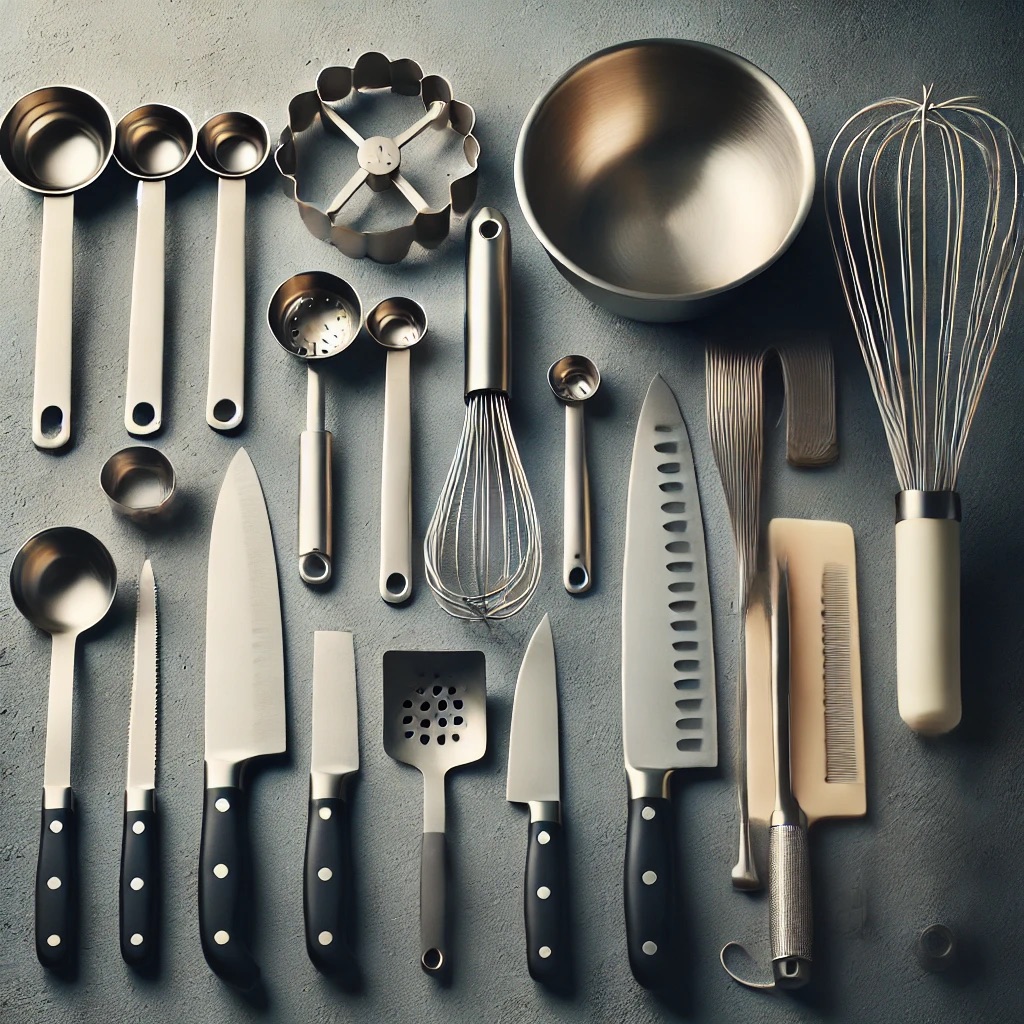
- Invest in Tools: While you don't need fancy equipment, a few basic tools can help. Consider investing in a set of tweezers for delicate garnishes, squeeze bottles for sauces, and a variety of plates.
- Think Seasonally: Incorporating seasonal ingredients not only enhances flavor but also adds visual appeal. Use ingredients that are in season for vibrant colors and freshness.
- Tell a Story: Consider the narrative you want to convey with your dish. Each component should contribute to that story, whether it's cultural, seasonal, or personal.
Conclusion
Food presentation is an art form that can transform a simple meal into an extraordinary dining experience. By understanding the elements of presentation and practicing various plating techniques, you can impress your guests and elevate your culinary creations. Remember that the key is to enjoy the process and let your creativity shine through. So, the next time you prepare a meal, take a moment to consider how you can turn your plate into a beautiful palette worthy of admiration.
Related articles
 Elevate Your Dining Experience
Mastering Food Presentation Techniques
Elevate Your Dining Experience
Mastering Food Presentation Techniques
 10 Essential Plating Techniques to Wow Your Guests
 The Art of Plating
Transforming Simple Dishes into Culinary Masterpieces
The Art of Plating
Transforming Simple Dishes into Culinary Masterpieces
 Color and Texture
Key Elements of Stunning Food Presentation
Color and Texture
Key Elements of Stunning Food Presentation
 Plating 101
Tips and Tricks for Home Chefs
Plating 101
Tips and Tricks for Home Chefs
 From Plate to Palette
How to Create Visual Feast
From Plate to Palette
How to Create Visual Feast
 Minimalism on a Plate
The Beauty of Simple Food Presentation
Minimalism on a Plate
The Beauty of Simple Food Presentation
 Layering Flavors
Creative Plating Techniques for Gourmet Meals
Layering Flavors
Creative Plating Techniques for Gourmet Meals
 The Science of Plating
How Presentation Affects Taste Perception
The Science of Plating
How Presentation Affects Taste Perception
 Artful Arrangements
Mastering the Craft of Food Presentation
Artful Arrangements
Mastering the Craft of Food Presentation
 Plating Techniques Inspired by Michelin-Starred Restaurants
 The Importance of Negative Space in Food Presentation
 How to Use Garnishes for Stunning Food Presentation
 Creating Height in Your Plating
Techniques for Eye-Catching Dishes
Creating Height in Your Plating
Techniques for Eye-Catching Dishes
 The Power of Sauces
Techniques for Drizzling and Dashing
The Power of Sauces
Techniques for Drizzling and Dashing
 Seasonal Ingredients and Their Role in Beautiful Food Presentation
 Cultural Influences in Food Presentation Styles Around the World
 Plating for Special Occasions
Impressing Guests with Style
Plating for Special Occasions
Impressing Guests with Style
 Food Presentation Mistakes to Avoid
Tips for Home Chefs
Food Presentation Mistakes to Avoid
Tips for Home Chefs
 Sustainable Plating
Eco-Friendly Techniques for Food Presentation
Sustainable Plating
Eco-Friendly Techniques for Food Presentation
 The Role of Color Theory in Food Presentation
Making Dishes Pop
The Role of Color Theory in Food Presentation
Making Dishes Pop
 Plating Techniques for Different Cuisines
A Global Perspective
Plating Techniques for Different Cuisines
A Global Perspective
 How to Use Edible Flowers for Elegant Food Presentation
 Creating a Dining Experience
The Art of Plating and Ambiance
Creating a Dining Experience
The Art of Plating and Ambiance
 Serving Up Style
Tableware Choices That Enhance Food Presentation
Serving Up Style
Tableware Choices That Enhance Food Presentation
 Plating Techniques for Desserts
Sweet Presentations That Impress
Plating Techniques for Desserts
Sweet Presentations That Impress
 Harnessing the Power of Contrast in Food Presentation
 Plating Like a Pro
Tips from Renowned Chefs
Plating Like a Pro
Tips from Renowned Chefs
 The Role of Lighting in Food Presentation
How to Set the Mood
The Role of Lighting in Food Presentation
How to Set the Mood
 DIY Food Presentation
Creative Ways to Plate at Home
DIY Food Presentation
Creative Ways to Plate at Home
 Plating Techniques for Buffets
Making a Feast Visually Appealing
Plating Techniques for Buffets
Making a Feast Visually Appealing
 How to Tell a Story Through Your Food Presentation
 The Future of Food Presentation
Trends to Watch
The Future of Food Presentation
Trends to Watch
 Creating a Signature Plating Style
Finding Your Unique Voice
Creating a Signature Plating Style
Finding Your Unique Voice
Food Presentation for Kids
Making Meals Fun and Engaging
The Psychology of Food Presentation
How Looks Can Influence Taste
Plating Techniques for Vegan and Vegetarian Dishes
The Role of Texture in Food Presentation
Crunch, Cream, and More
Plating Techniques for Home Entertaining
Impressing Friends and Family
Artisanal Plating
Incorporating Handmade Elements into Your Presentation
Mastering the Use of Compotes and Coulis in Food Presentation
Plating Techniques for Appetizers
Small Bites, Big Impressions
How to Plate Like a Chef
A Step-by-Step Guide
Food Presentation for the Holidays
Festive Plating Ideas
The Importance of Balance in Food Presentation
A Harmonious Plate
Innovative Plating Techniques for Modern Cuisine
Food Presentation as Art
Exploring Culinary Creativity
The Secrets Behind Instagram-Worthy Food Presentation
Taking Plating to the Next Level
Advanced Techniques for Enthusiasts
Plating with Purpose
Creating Meaningful Culinary Experiences
Categories