The art of cooking
AI CHEF Blog

Plating Techniques for Buffets: Making a Feast Visually Appealing
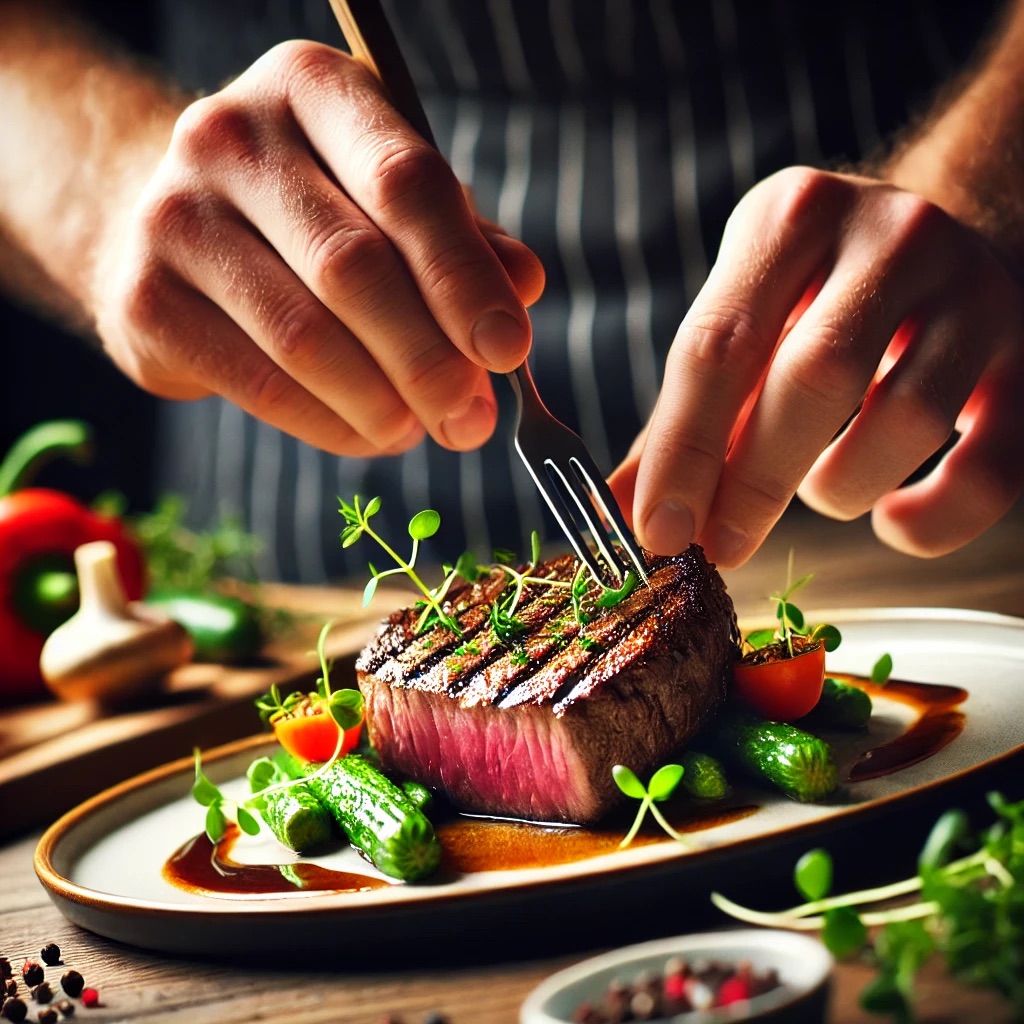
Buffets are a popular choice for celebrations, gatherings, and events, offering a variety of dishes that cater to different tastes. However, while the food itself is essential, the presentation plays a crucial role in creating an inviting and appetizing atmosphere. Here, we'll explore effective plating techniques that can transform a simple buffet into a visually stunning feast.
1. Understand the Importance of Presentation
First impressions matter, especially when it comes to food. A beautifully presented dish can enhance the dining experience, encouraging guests to try various offerings. Studies have shown that people are more likely to enjoy food that looks appealing. Therefore, investing time in plating can lead to a more satisfying buffet experience.
2. Color Contrast
Colors can greatly influence the perception of food. Using a variety of colors not only makes the buffet more visually appealing but also indicates a range of flavors and textures. When plating, consider the following tips:
- Use complementary colors: Pair vibrant vegetables with neutral-colored proteins or grains.
- Incorporate garnishes: Fresh herbs, edible flowers, or microgreens can add a pop of color and freshness.
- Balance warm and cool tones: Combine items like roasted red peppers with chilled cucumber salads for contrast.
3. Height and Dimension
Creating height on a plate can add drama and intrigue to your buffet setup. Here are some techniques to achieve height in your presentation:
- Layering: Stack items like grilled vegetables or proteins on top of grains or salads.
- Use stands: Elevate certain dishes using cake stands or risers to create visual variation.
- Vertical plating: Arrange skewers or tall items that naturally draw the eye upward.
4. Texture Variety
Different textures can enhance the eating experience and make your buffet more interesting. Combining crunchy, creamy, and chewy elements can stimulate the senses:
- Crunchy toppings: Add nuts, seeds, or crispy onions to salads and sides.
- Purees and spreads: Serve dips like hummus or guacamole in colorful bowls alongside crunchy dippers.
- Texture-rich components: Incorporate items like roasted vegetables, grilled meats, and fresh herbs.
5. Use of Plates and Serving Dishes
The choice of plates and serving dishes can significantly affect presentation. Here are some guidelines:
- Choose the right size: Smaller plates can make portions appear larger, while larger platters can accommodate more food.
- Consider shapes: Experiment with round, square, or rectangular dishes to create visual interest.
- Contrast with the table setting: Use plates that complement or contrast with the tablecloth and decorations.
6. The Art of Arrangement
How food is arranged on the plate or serving dish is crucial. Here are some tips for effective arrangements:
- Group similar items: Place items that go well together in clusters or sections.
- Leave negative space: Don’t overcrowd the plate; leave some empty space to let the food breathe.
- Follow the rule of thirds: Divide the plate into sections and arrange food in a balanced way.
7. Creative Labels and Descriptions
Guests appreciate knowing what they are eating, especially in a buffet setting. Creative labels can enhance the experience:
- Use attractive signage: Handwritten or printed labels can add a personal touch.
- Include ingredient highlights: List key ingredients or flavors to entice guests.
- Design with theme in mind: Ensure that labels match the overall theme of the buffet.
8. Seasonal and Thematic Decor
Incorporating seasonal or thematic decor can elevate the buffet’s overall vibe. Consider the following:
- Seasonal ingredients: Use ingredients that reflect the season, such as pumpkins in fall or fresh berries in summer.
- Themed decorations: Match your buffet to the occasion, whether it’s a holiday, wedding, or cultural celebration.
- Table centerpieces: Use flowers, candles, or decorative items to enhance the visual appeal of the buffet table.
9. Mind the Temperature
Temperature plays a role in both flavor and presentation. Ensure that hot foods are served hot and cold foods are kept cold. Here are some tips:
- Use chafing dishes: Keep warm dishes at the right temperature throughout the event.
- Chill cold items: Serve salads and desserts on ice or in chilled bowls to maintain freshness.
- Serve in batches: Replenish items periodically to ensure everything remains at its ideal temperature.
10. Final Touches
Before guests arrive, take a moment to do a final check on the buffet:
- Clean edges: Wipe down plates and serving dishes to remove any spills or smudges.
- Rearrange as needed: Adjust the arrangement for balance and visual appeal.
- Step back and assess: Take a moment to view the buffet from a distance, ensuring it looks inviting.
Conclusion
Creating a visually appealing buffet is an art that combines various plating techniques, thoughtful arrangements, and decorative elements. By paying attention to color, height, texture, and presentation, you can transform an ordinary buffet into a feast for the eyes and the palate. Remember, the goal is to entice your guests to indulge in the delicious offerings you've prepared. Happy plating!
Related articles
 Elevate Your Dining Experience
Mastering Food Presentation Techniques
Elevate Your Dining Experience
Mastering Food Presentation Techniques
 10 Essential Plating Techniques to Wow Your Guests
 The Art of Plating
Transforming Simple Dishes into Culinary Masterpieces
The Art of Plating
Transforming Simple Dishes into Culinary Masterpieces
 Color and Texture
Key Elements of Stunning Food Presentation
Color and Texture
Key Elements of Stunning Food Presentation
 Plating 101
Tips and Tricks for Home Chefs
Plating 101
Tips and Tricks for Home Chefs
 From Plate to Palette
How to Create Visual Feast
From Plate to Palette
How to Create Visual Feast
 Minimalism on a Plate
The Beauty of Simple Food Presentation
Minimalism on a Plate
The Beauty of Simple Food Presentation
 Layering Flavors
Creative Plating Techniques for Gourmet Meals
Layering Flavors
Creative Plating Techniques for Gourmet Meals
 The Science of Plating
How Presentation Affects Taste Perception
The Science of Plating
How Presentation Affects Taste Perception
 Artful Arrangements
Mastering the Craft of Food Presentation
Artful Arrangements
Mastering the Craft of Food Presentation
 Plating Techniques Inspired by Michelin-Starred Restaurants
 The Importance of Negative Space in Food Presentation
 How to Use Garnishes for Stunning Food Presentation
 Creating Height in Your Plating
Techniques for Eye-Catching Dishes
Creating Height in Your Plating
Techniques for Eye-Catching Dishes
 The Power of Sauces
Techniques for Drizzling and Dashing
The Power of Sauces
Techniques for Drizzling and Dashing
 Seasonal Ingredients and Their Role in Beautiful Food Presentation
 Cultural Influences in Food Presentation Styles Around the World
 Plating for Special Occasions
Impressing Guests with Style
Plating for Special Occasions
Impressing Guests with Style
 Food Presentation Mistakes to Avoid
Tips for Home Chefs
Food Presentation Mistakes to Avoid
Tips for Home Chefs
 Sustainable Plating
Eco-Friendly Techniques for Food Presentation
Sustainable Plating
Eco-Friendly Techniques for Food Presentation
 The Role of Color Theory in Food Presentation
Making Dishes Pop
The Role of Color Theory in Food Presentation
Making Dishes Pop
 Plating Techniques for Different Cuisines
A Global Perspective
Plating Techniques for Different Cuisines
A Global Perspective
 How to Use Edible Flowers for Elegant Food Presentation
 Creating a Dining Experience
The Art of Plating and Ambiance
Creating a Dining Experience
The Art of Plating and Ambiance
 Serving Up Style
Tableware Choices That Enhance Food Presentation
Serving Up Style
Tableware Choices That Enhance Food Presentation
 Plating Techniques for Desserts
Sweet Presentations That Impress
Plating Techniques for Desserts
Sweet Presentations That Impress
 Harnessing the Power of Contrast in Food Presentation
 Plating Like a Pro
Tips from Renowned Chefs
Plating Like a Pro
Tips from Renowned Chefs
 The Role of Lighting in Food Presentation
How to Set the Mood
The Role of Lighting in Food Presentation
How to Set the Mood
 DIY Food Presentation
Creative Ways to Plate at Home
DIY Food Presentation
Creative Ways to Plate at Home
 Plating Techniques for Buffets
Making a Feast Visually Appealing
Plating Techniques for Buffets
Making a Feast Visually Appealing
 How to Tell a Story Through Your Food Presentation
 The Future of Food Presentation
Trends to Watch
The Future of Food Presentation
Trends to Watch
 Creating a Signature Plating Style
Finding Your Unique Voice
Creating a Signature Plating Style
Finding Your Unique Voice
Food Presentation for Kids
Making Meals Fun and Engaging
The Psychology of Food Presentation
How Looks Can Influence Taste
Plating Techniques for Vegan and Vegetarian Dishes
The Role of Texture in Food Presentation
Crunch, Cream, and More
Plating Techniques for Home Entertaining
Impressing Friends and Family
Artisanal Plating
Incorporating Handmade Elements into Your Presentation
Mastering the Use of Compotes and Coulis in Food Presentation
Plating Techniques for Appetizers
Small Bites, Big Impressions
How to Plate Like a Chef
A Step-by-Step Guide
Food Presentation for the Holidays
Festive Plating Ideas
The Importance of Balance in Food Presentation
A Harmonious Plate
Innovative Plating Techniques for Modern Cuisine
Food Presentation as Art
Exploring Culinary Creativity
The Secrets Behind Instagram-Worthy Food Presentation
Taking Plating to the Next Level
Advanced Techniques for Enthusiasts
Plating with Purpose
Creating Meaningful Culinary Experiences
Categories